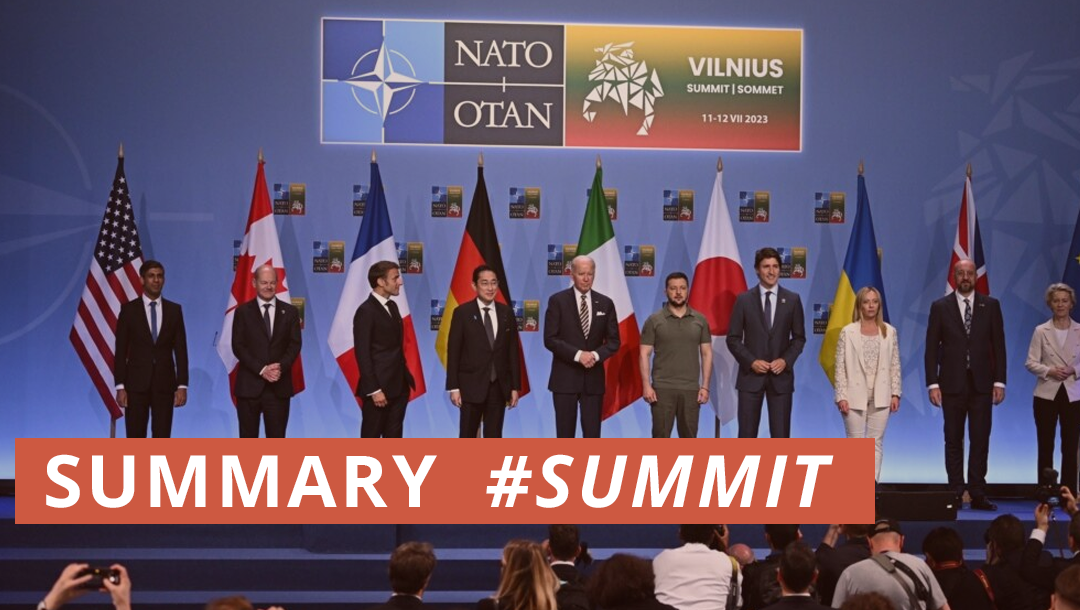


In June 2023 the Ukraine Recovery Conference took place in London, UK. URC 2023 aimed to secure Ukraine’s long-term economic future, focusing on mobilizing international support and private sector participation in the recovery process. Participants including leaders, ministers, and representatives from numerous states, organizations, and businesses discussed the private sector’s role in Ukraine’s recovery and investment opportunities in specific sectors. We have selected for you nine main directions, important for the reconstruction of the Ukrainian economy, that were mentioned at the conference.
1. Strengthening Alliances
Strong partnerships among governments, international financial institutions, and business leaders are essential for Ukraine’s recovery. This includes leveraging the unity with the EU and the moral force of NATO, as Ukraine is part of the EU’s common market and NATO’s security space.
“If we want a long-standing peace in Europe, the only way to really assure that is Ukraine’s also full integration into the NATO military alliance,” – said Arturs Krišjānis Kariņš, the Prime Minister of Latvia.
“Ukraine’s membership in EU and NATO is essential to achieve our common goal of creating a peaceful Europe and protecting the sustainability of our investments,” – noticed Alar Karis, the President of Estonia.
2. Agricultural Stability
Restoring the movement of agricultural products is crucial as around 600 million consumers worldwide directly depend on Ukraine’s agricultural production. This could ensure food security and stability across a broad socio-economic space.
“Ukraine is already the world leader in the production of many crops with government incentives and private foreign investments. We believe that post-war growth in this sector could be in double digits,” – said Denys Shmyhal, the Prime Minister of Ukraine.
3. Energy Transition
Embracing green transformation is key, not just for economic recovery, but also for national security. Ukraine has the potential to become a key supplier of clean electricity and green hydrogen to Europe, reducing reliance on fossil fuels and single suppliers like Russia.
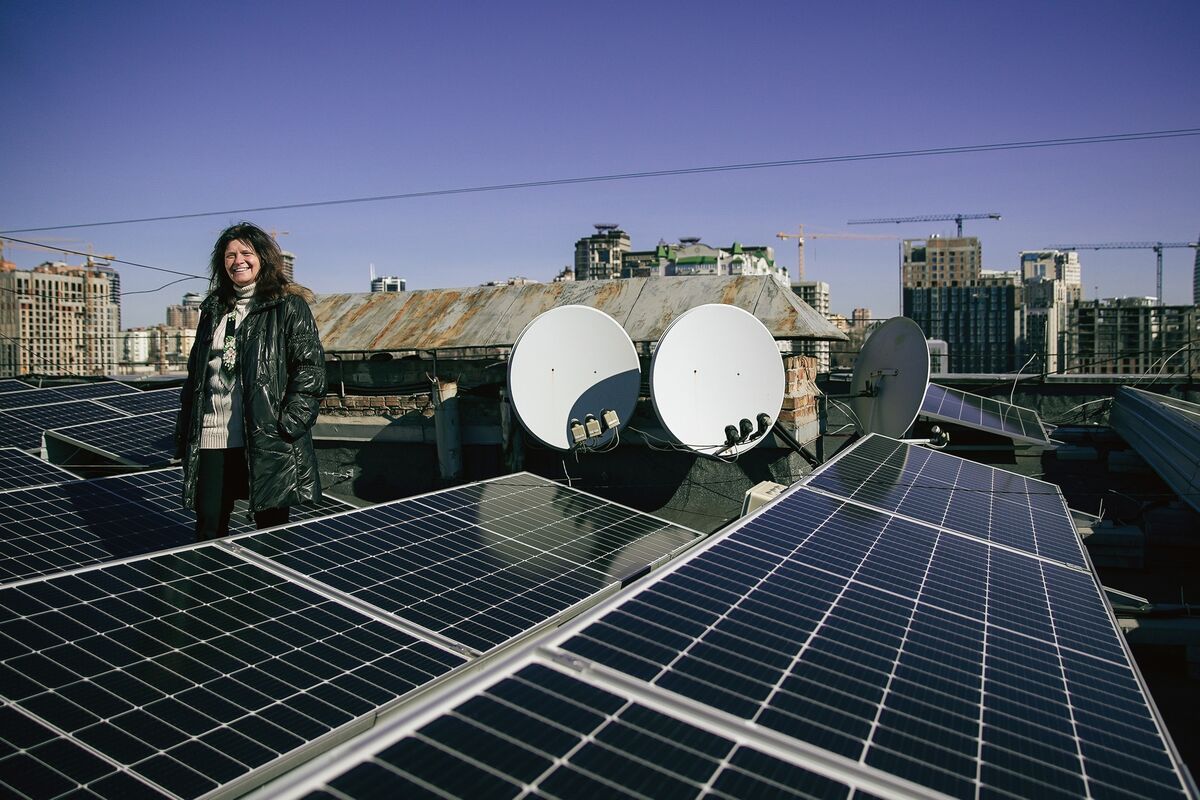
“I believe that there is no alternative to the green transformation of the economy and Russian aggression has proven that green transformation is one of the key foundations of security,” – noticed Volodymyr Zelenskyy, the President of Ukraine.
“There is a huge potential in the electricity sector, gas production and storage, and also hydrogen energy,” – said Denys Shmyhal, the Prime Minister of Ukraine.
4. Infrastructure and Industrial Growth
With the extensive need to rebuild and construct in Ukraine, it represents a vast source of economic, industrial, and technological growth. This includes sectors like green metallurgy, powered by Ukraine’s natural resources and industrial traditions, as well as resource mining, such as lithium, critical to the modern economy.
5. Defense Capability Enhancement
Understanding the essentials of effective modern defense is crucial. This involves recognizing the required weaponry, the lacking infrastructure, priority productions, and life-saving technologies. It ranges from the production of combat drones to conventional artillery, and from resilient infrastructure to cyber defense capabilities.
“Many Ukrainian weapons and developments are proving their effectiveness on the battlefield right now. European and global defense companies are increasingly considering options for building new production facilities in Ukraine. After the war, we expect a great boost in the development of this sector in Ukraine. The third sector is agriculture,” – said Denys Shmyhal, the Prime Minister of Ukraine.
6. Democratic Solidarity
Upholding democracy, both within Ukraine and in its alliances, is a vital component of recovery and growth. By building security in alliance with other democracies, Ukraine can demonstrate that democracies are resilient and indefatigable.
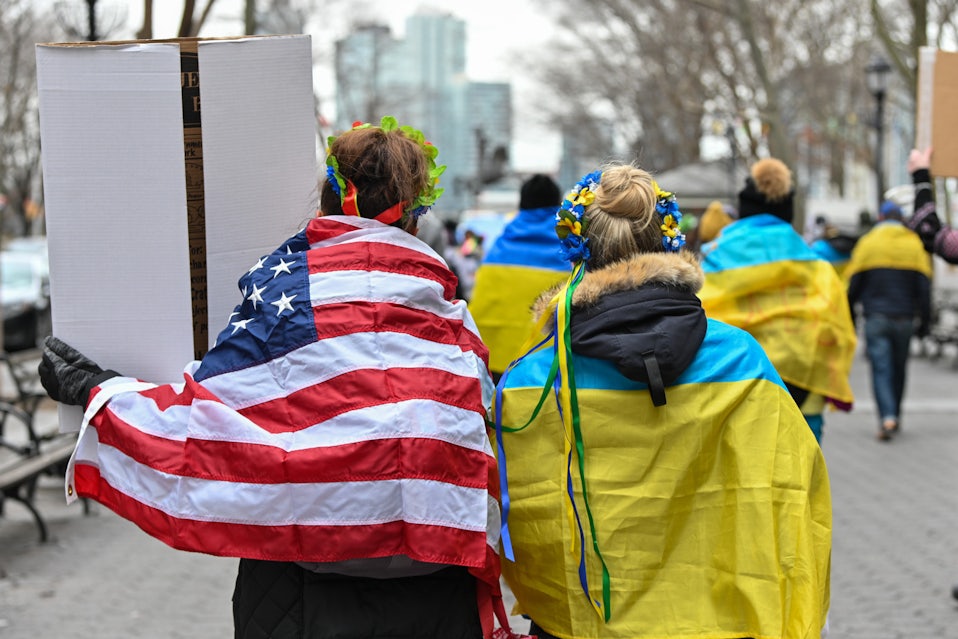
“Recovery is about laying the foundation for Ukraine to thrive as a secure, independent country fully integrated with Europe, connected to markets around the world, a democracy rooted in the rule of law, a place where all Ukrainians have dignity, human rights, the opportunity to reach their full potential,” – says Antony Blinken, the U.S. Secretary of State.
7. Fair Judicial System
Ukraine aims to be recognized for its fair judicial system, building trust and encouraging accountability. This involves a step-by-step overhaul of the existing structures, ensuring justice and fairness are at the core of every decision.
“Today the European Commission presents a new oral update on the progress Ukraine made on judicial reform, on anti-corruption, on new laws for media freedom and international minorities, for example. With these reforms, Ukraine also sends a powerful message to private investors. They will get the transparency, the fairness, and the functioning institutions they need to invest in Ukraine.” – Ursula von der Leyen, the President of the EU Commission.
8. Digital Transformation
Through digital transformation, Ukraine aims to reduce corruption and increase efficiency in public services. The objective is to move all public services online, eliminating the need for direct contact between officials and citizens or businesses. Such a digital model has already started to be exported to other countries, like Estonia, Colombia, and Zambia (!).
“We have ambitions to become a digital hub in Europe. We offer IT companies some of the most favorable tax and regulatory conditions in the world. In general, we are telling the private sector that those who invest in Ukraine today will have extraordinary opportunities and prospects in coming years,” – said Denys Shmyhal, the Prime Minister of Ukraine.
9. Dismantling the Oligarchic Economic Model
Ukraine has begun to dismantle the old oligarchic economic model inherited from the post-Soviet era. This move is not just about the oligarchs as individuals, but more about restructuring economic relations. Enhancing financial transparency, improving banking system resilience, liberalizing the market, and stimulating competition are all vital components of this reform.
“Even before February 24th, 2022, we started dismantling the old oligarch model of economic relations from the post-Soviet period. And this is not just something about the personalities of the oligarchs. It is about changing that approach to economic relations. Financial transparency and banking system resilience, market liberalization, and competition stimulation guaranteeing equal and legal conditions for every economic entity are all areas in which we made progress before February 24th and of course which are important, very important now,” – noticed Volodymyr Zelenskyy, the President of Ukraine.
How other countries help Ukraine
Recording the information given at the conference, The European Union is utilizing a multi-agency donor platform to assist Ukraine. The European Commission has already contributed €18 billion in 2023. Looking forward, the EU has proposed a sustained financial support mechanism for Ukraine until 2027, intending to cover 45% of Ukraine’s total estimated financial need of €110 billion. This translates into a proposed aid of €50 billion, signifying the EU’s commitment towards a future Ukrainian EU membership.
The British government has committed to supporting Ukraine’s economy by offering $3 billion in loan guarantees over three years. This is part of a wider international effort, including significant contributions from the EU and a $15 billion investment from the IMF. To stimulate private sector-led growth, the UK is launching the Ukraine Business Compact, an initiative already endorsed by over 400 businesses worldwide. Additionally, the UK announced the London Conference Framework for war-risk insurance to bolster investor confidence.
The United States is announcing an additional $1.3 billion in aid to help Ukraine. An investment of over $520 billion is being made to overhaul Ukraine’s energy grid, which has been largely destroyed by Russia. The efforts aim to foster a clean, resilient energy system that can contribute to Ukraine’s long-term prosperity.
Furthermore, the USA is providing $657 million to modernize Ukraine’s infrastructure, enhancing connections with Europe. A share of $100 million is being directed towards digital enhancements to boost speed and reduce corruption, and a commitment of $35 million is made to support Ukrainian businesses and entrepreneurs.
These contributions are in addition to the $20 billion the USA has already provided, and the $2.1 billion in humanitarian aid to alleviate immediate consequences of the war, such as the aftermath of the Kakhovka Dam’s destruction.
Latvia also provides humanitarian and financial aid, with the government and civil society competing to donate the most efficiently. After the explosion of the Kakhovka Dam, Latvian aid packages and civil society shipments swiftly provided much-needed resources.
Latvia is committed to reconstruction projects in the Chernihiv region and is experiencing a 60% increase in trade with Ukraine despite the ongoing war. Companies across sectors recognize their roles in not only donating but also helping to create.
Alina Kuvaldina