

Two recent stories — one Italian, one Polish — illustrate how sympathy for Russia can lead either to public ridicule or to irreversible tragedy.
The Case with an Italian
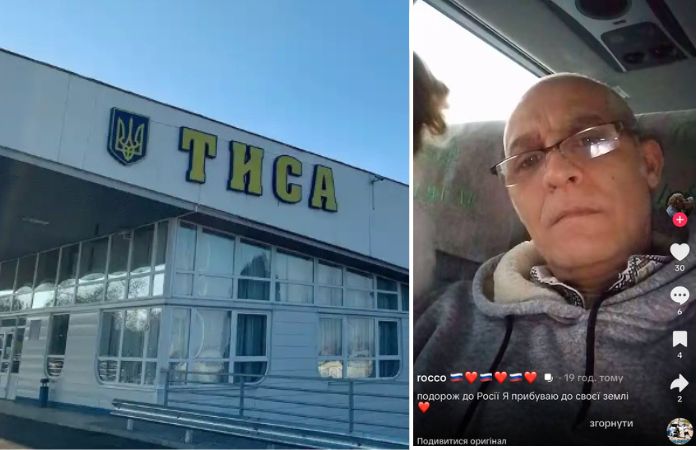
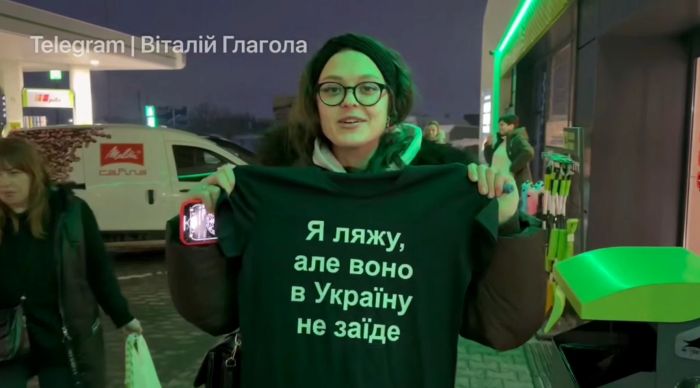
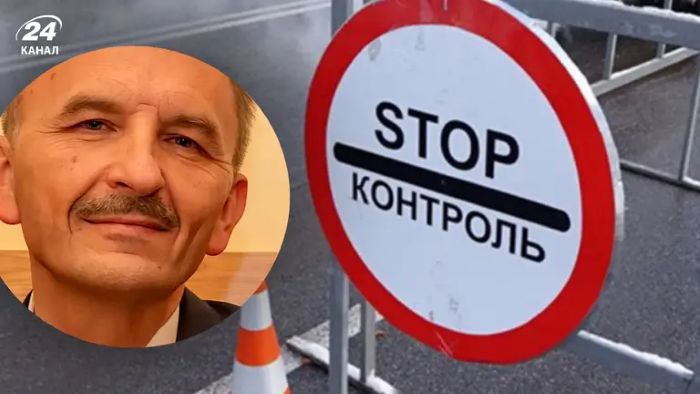
The story of an Italian man named Rocco went viral on Threads. A Ukrainian woman returning from Italy published a post that gathered over 38,000 likes. According to her account, during a border stop, the man initiated a conversation that quickly turned into criticism of Ukraine and vocal support for Putin. It later emerged that his social media profiles contained pro-Russian posts. Although his wife is Ukrainian, he claimed she shared his views. Ironically, he was wearing a traditional Ukrainian embroidered shirt given to him by his Ukrainian wife. Due to the virality of his content and hundreds of memes, he was stopped at the Ukrainian border.
The post triggered a wave of memes, and the man became a symbol of pro-Russian foreigners. Ukrainian authorities denied him entry, imposing a three-year ban. Thousands of people supported efforts toward this Italian not entering Ukraine. The post about ban gathered more than 74 000 likes.
The Case with a Polish
If the Italian citizen’s case borders on satire, the Polish citizen’s one is didactically tragic.
Polish diplomats have sent a diplomatic note to Russia requesting information about the disappearance — and possible death — of a Polish citizen, Krzysztof Galos, in a Russian prison. Galos reportedly did not believe that the Russian-Ukrainian war was real.
According to media reports, the Kraków resident disappeared in 2023 after traveling to Ukraine to “see for himself” whether the war was actually taking place. He was detained at a Russian checkpoint in the Zaporizhzhia region and transferred to a pre-trial detention center in Taganrog, in Russia’s Rostov region, where he allegedly was tortured.
Journalists report that Galos had not informed his relatives of his plans. His family later attributed his actions to depression.
This case once again demonstrates that Russia views Western foreigners as potential enemies and shows little tolerance for them — regardless of their personal beliefs or sympathies.
A similar fate often befalls those who betray Ukraine by collaborating with Russian forces. One prominent example is Kirill Stremousov — a Ukrainian blogger and pro-Russian politician who, after the start of Russia’s full-scale invasion in 2022, became the head of the occupation administration in the Kherson region.
In November 2022, Stremousov died in a car accident under suspicious circumstances. His death may not have been accidental, but instead linked to internal decisions by Russian security services following his public disputes with the Russian leadership.
Conclusion
The line between freedom of expression and national security is thin. For years, Ukraine and European countries tolerated Russian narratives and their proponents — a tolerance that produced severe consequences. Today, this approach is changing, particularly under the pressure of social media virality and public resonance.
Russia, by contrast, has never been constrained by moral or ethical considerations. It is prepared to eliminate even those who voluntarily declare loyalty to it.