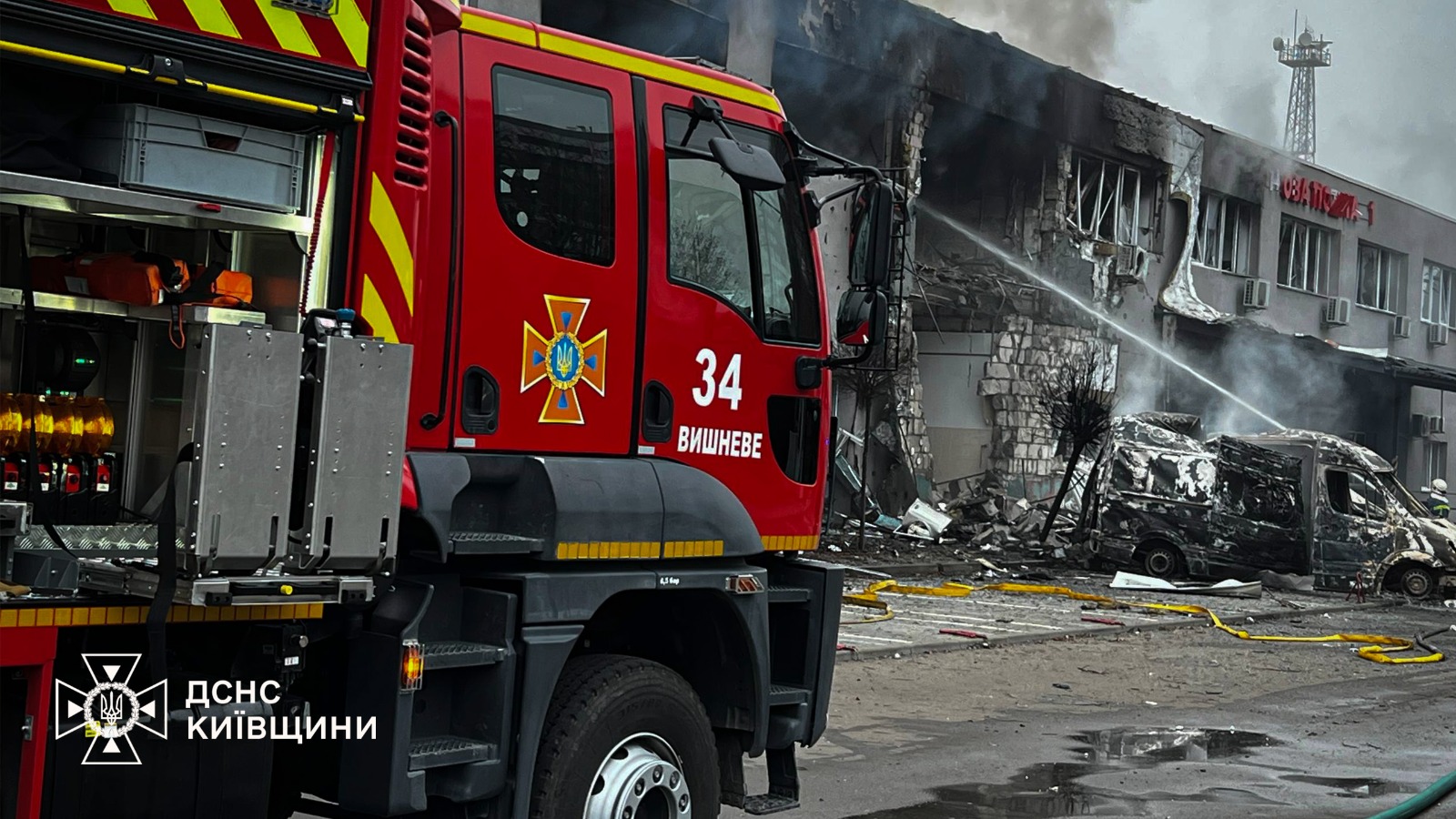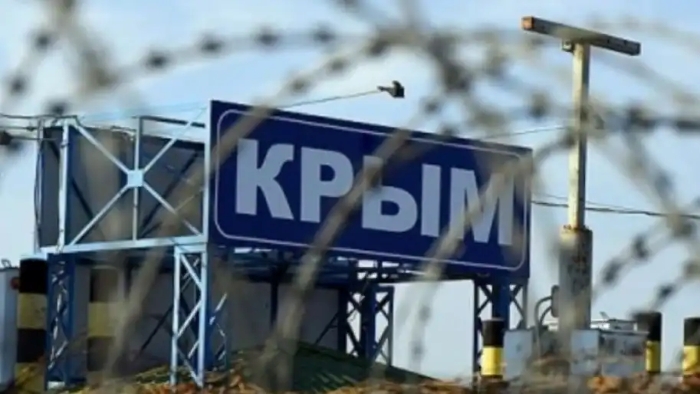


The United States is preparing to recognize Russia’s control of Crimea and other occupied Ukrainian regions as part of Donald Trump’s proposed peace deal, as The Telegraph reported. This step would set an extremely rare and dangerous precedent. It risks collapsing the post-WW2 international order. The occupation itself would not be the first case in modern history after the new world system was established. Yet, its legal meaning would fundamentally reshape how international law is interpreted and applied.
Why Appeasing Dictators Always Ends Worse
The closest and most alarming historical parallel is the lead-up to the Second World War. In 1938, the United Kingdom and France agreed to hand over the Sudetenland to Hitler. They hoped to prevent a wider conflict.
Russia has repeatedly used similar tactics. After two brutal wars, Moscow destroyed the independence of Ichkeria and installed a pro-Russian puppet regime. It maintained this loyalty through repressions. The same strategy appeared in Georgia, where Russia invaded Abkhazia and South Ossetia in 2008. It displaced tens of thousands of Georgians and set up occupation administrations.
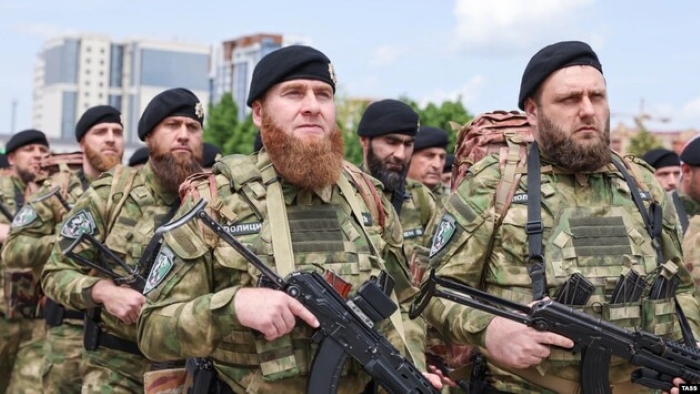
Today, in its war against Ukraine, Russia uses Chechens as expendable troops. In Georgia, Russian influence has deeply penetrated the political system. The country’s resources now work in favor of Russia. Meanwhile, people continue to protest for a European vector.
Ukraine is the largest country in Europe. If Russia succeeds, Ukraine’s vast resources would be redirected to fuel further aggression.
Waiting for the Moment
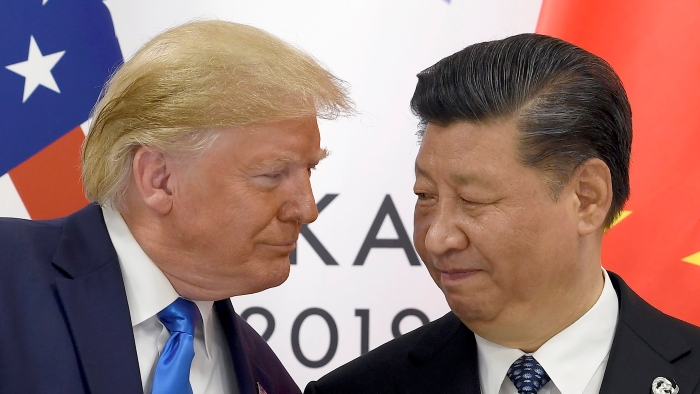
During a phone call with US President Donald Trump, Chinese leader Xi Jinping repeated Beijing’s fundamental position on Taiwan. China continues to strengthen its military posture around the island. It is preparing the ground for a potential large-scale assault. Such an attack could come with little warning. Chinese missile systems can strike any point on Taiwan.
North Korea is escalating its militarization as well. Between 2019 and April 2025, Pyongyang launched about 150 ballistic missiles. These launches included both tactical and intercontinental systems. In 2024, North Korea tested new missiles and hypersonic weapons, including the Hwasong-18 and Hwasong-19 series. The missile launch occurred in 2025 during the former US Secretary of State’s visit to Seoul. It demonstrated Pyongyang’s willingness to showcase its capabilities during sensitive diplomatic moments.
Meanwhile, the US Department of Defense is called a “Ministry of War.” Early in his second term, Trump argued that the US needed Greenland to counter Russia and China. Today, both Russia and China exert growing influence over Washington’s strategic decisions.
Conclusion
The entire international framework created after the Second World War is now at risk of collapse. Global instability will soon threaten the US economy as well. Instead of using the real dominance moment and strengthening democratic partners, the US seems to be aiding its ideological adversaries. Washington is missing the chance to weaken Russia and reduce China’s influence. By pursuing a fragile deal, it appeases dictators. History shows that such choices always lead to far greater danger, for the U.S. security as well.