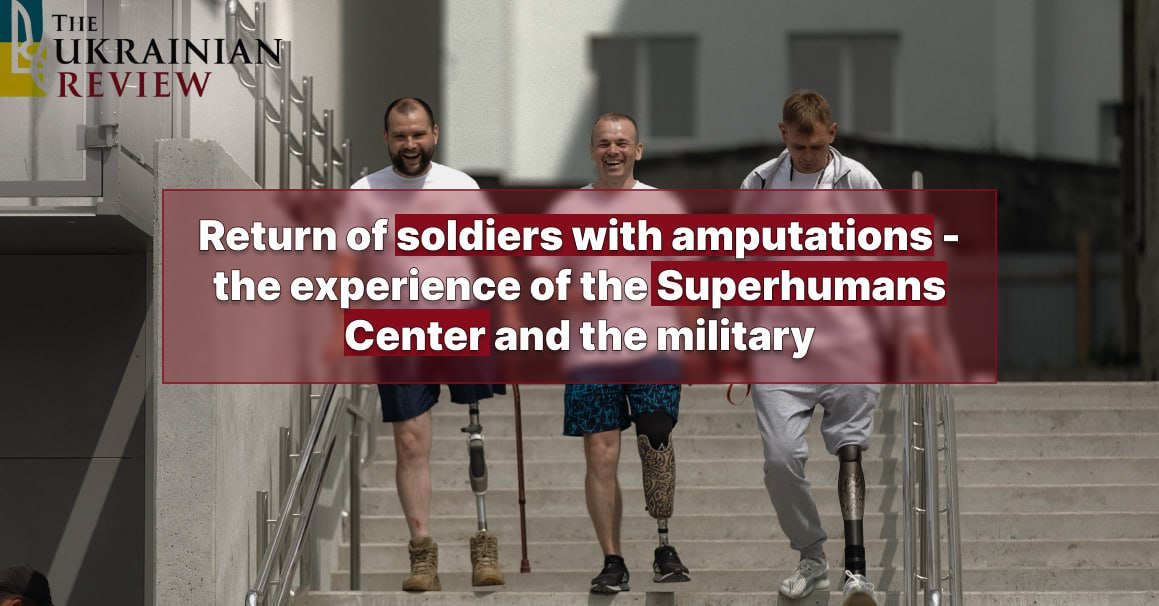


Official data on the number of casualties are not disclosed in Ukraine. However, The Wall Street Journal recently published an article that the number of people with amputations in our country has reached the level of the First World War in Britain – 20-50 thousand people. Specialists of the Superhumans Center are also guided by this number.
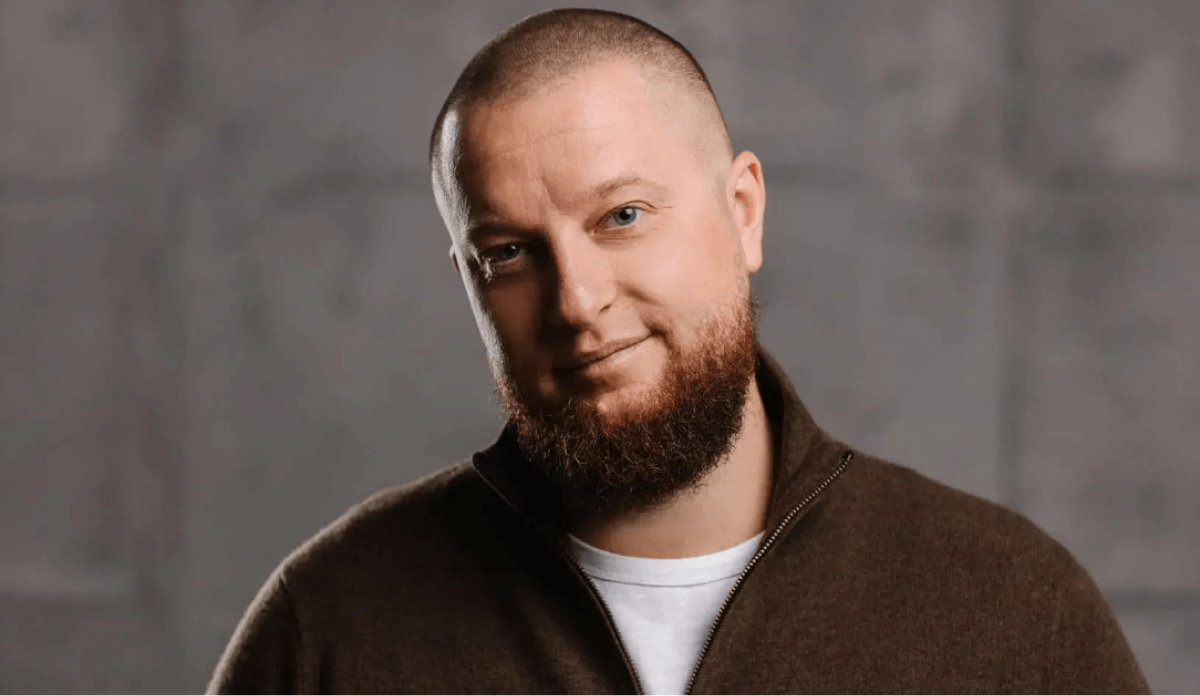
Superhumans Center – is a free Ukrainian clinic for prosthetics, rehabilitation, reconstructive medicine, and psychological assistance for military and civilian victims of hostilities. It became operational in 2023, but the idea of its creation appeared a long time ago. Its founder is Andrey Stavnitser.
We spoke with the Superhumans Center team to find out what difficulties prosthetic medicine in Ukraine is currently facing, how it all began, and what the plans are for the future. Also, two soldiers with prosthetic limbs – Anastasia Savka and Ivan Tarn – agreed to tell us their stories.
In order not to repeat the experience of the USSR: how the Superhumans Center appeared
Anastasia Zhook, Head of International Communications, said that on the second day after the full-scale invasion, Andrey Stavnitser organized the “Help Ukraine Center” initiative – a logistics chain that allows you to accumulate humanitarian aid for Ukraine from all over the world in large volumes, store and sort it, and also free and safe transport to Ukraine. The first warehouse became operational in Poland, and later, capacities were added in Romania and the USA. Stavnitser organised this project together with the most prominent Ukrainian businesses specialising in logistics and transportation – companies Rozetka, Nova Post, Ukrposhta, and others.
“Help Ukraine Center involved volunteers. In the first months of the war, mostly women who left for Poland with their children in search of shelter. Many say that working in a humanitarian aid warehouse gave them a life-saving opportunity to be busy, join in helping the country, and, therefore, worry a little less about what happened at home. It is still working, although most similar projects have stopped working long ago. During the entire period of operation, the Center managed to secure assistance for more than $130 million,” – Anastasia said.
According to Andrey, after a certain time, when Help Ukraine was already working stably and did not need all the time, he began to think about the post-war reconstruction of Ukraine.
The key was the feeling that we owe an unpaid debt to the boys and girls who gave part of their health so that we could continue to live in peace. Another reason is the unwillingness of Ukraine, which will win, to turn into a poor, socially unprotected country of disabled people, which was the USSR after World War II.
“For example, the story about the so-called “Stalin samovars” – men who had high amputations of both legs after the Second World War, and moved on wooden boards with wheels. These boards are shallow, so a person pushes off the ground with his hands to move. So, in order not to “spoil” the proud image of the victorious country, Stalin gathered all such people, as well as people with other injuries and disabilities, and forcibly sent them to Solovki and Valaam, where they all died. Meanwhile, veterans of more recent wars, such as Afghanistan or Chechnya, were often forced to either engage in crime or live out their lives in social isolation, with psychological problems, without the possibility of employment and simply leave home.”
The idea that Ukraine should not turn into a “country of people with disabilities” led Andriy to the idea of Superhumans. In the spring of 2022, the team – Olga Rudneva, Phillipp Grushko, and others – began working on the project for the future free clinic for prosthetics and rehabilitation.
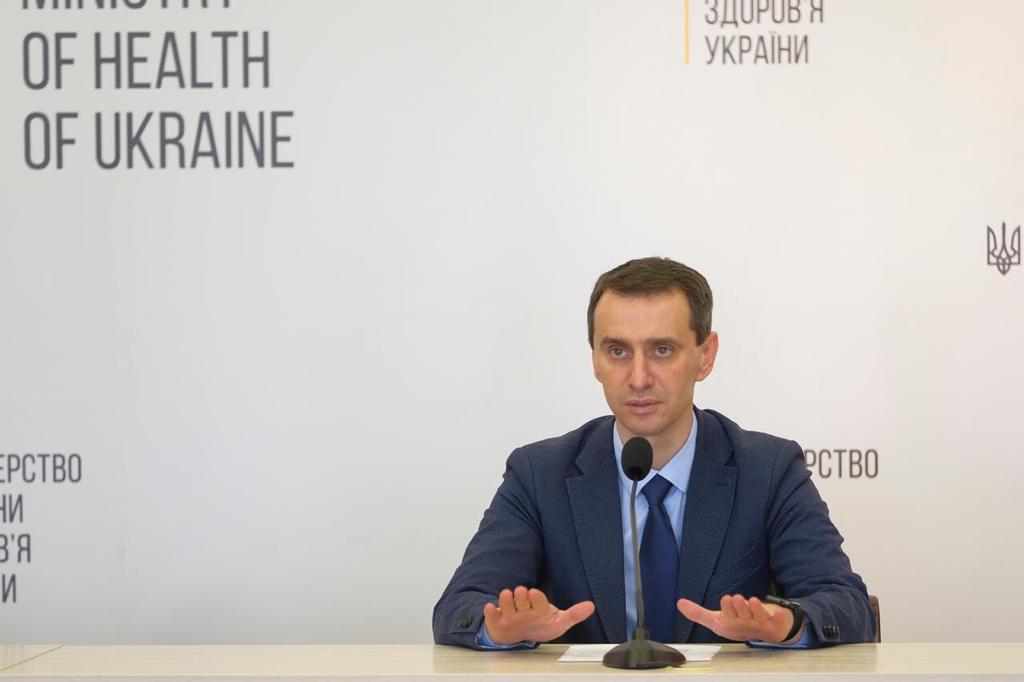
The first to believe in the idea and support it was the First Lady of Ukraine, Olena Zelenska, who has long taken care of the topic of barrier-free and inclusiveness, as well as the Minister of Health of Ukraine, Viktor Lyashko.
“The team started looking for a location and negotiating with potential project donors. The location was needed as soon as possible – literally, every week of waiting is critical for a person with an amputation.”
Superhumans announced its primary goal as follows: to bring the best world experience, the most successful medical expertise, and the most advanced technologies of prosthetics and rehabilitation as close as possible to the patient, and not the other way around. Prosthetics abroad is an option, but unfortunately, there are many factors that make it too complicated. Therefore, in addition to the search for donors, the team also engaged in the involvement of foreign clinics and specialists.
Later, Superhumans was joined by the Howard Buffett Charitable Foundation, which is currently the largest donor to the project.
Prosthetics, rehabilitation, reconstruction and PTSD: where the project is going
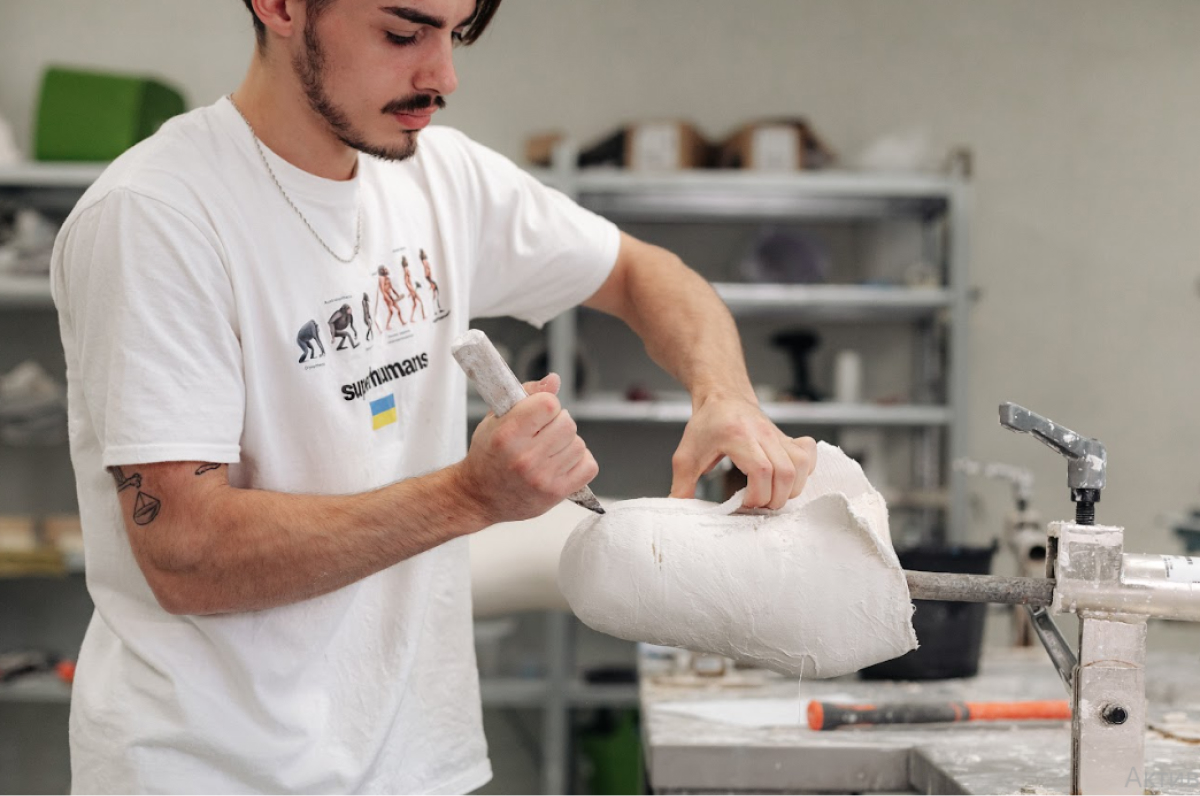
In the winter of 2022, Superhumans decided on the location and began the reconstruction of two buildings of the Lviv Military Hospital. Already in April 2023, the first building was officially opened. There is a laboratory for manufacturing prostheses, a large block for rehabilitation, offices of occupational therapists and psychologists, and a unique therapeutic pool.
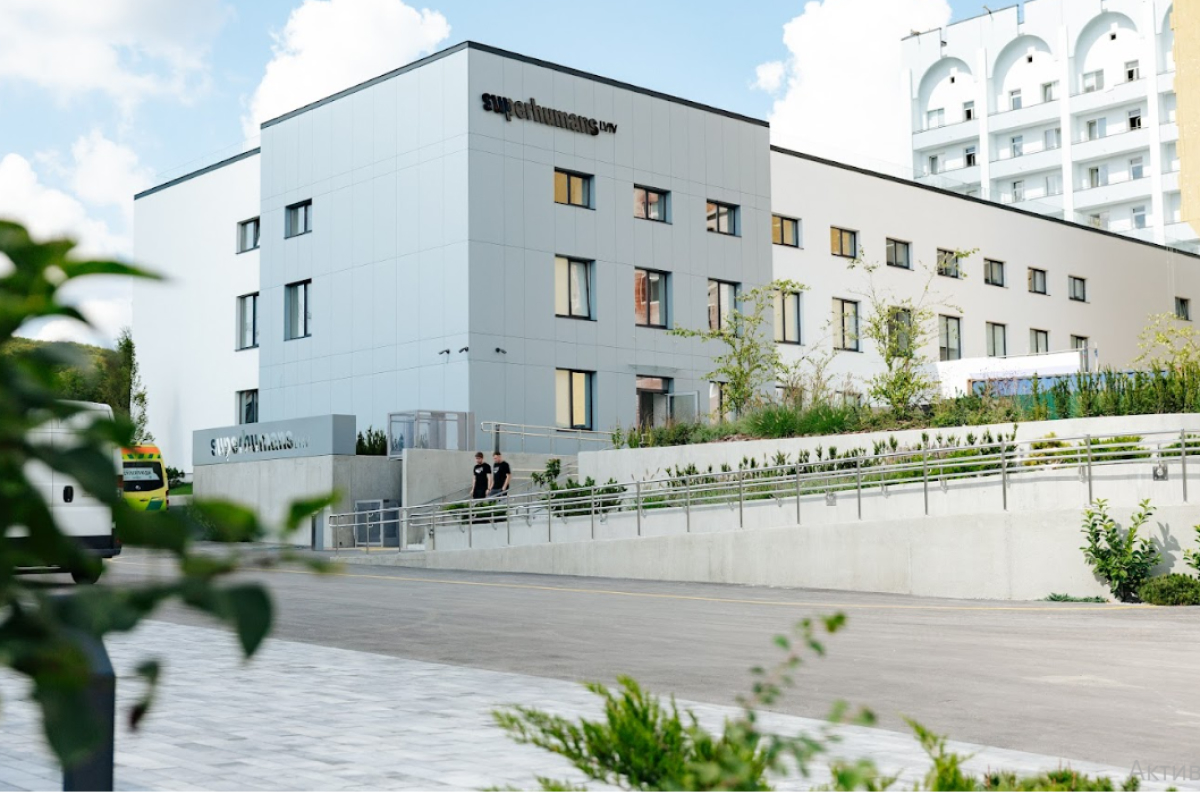
Superhumans announce that a second, larger building will be opened this year. There will be operating rooms with a unique ventilation system to prevent infections. Thus, Superhumans will begin to perform reconstructive surgeries to restore the functionality of the facial organs as much as possible and aesthetically correct the mutilated parts of the body.
“In the second building, there will be a ward fund, a 3-D printing laboratory, and rooms where foreign missions can stay. There will also be a hearing department here. According to Superhumans specialists, when a person spends a long time in a changed sound landscape (explosions, gunfire), his hearing organs are damaged, so many clinic patients also need help in this area. As part of the project, an educational program aims to train doctors at its base. The organisation has a lot of unique experiences because the world hasn’t had such big wars for a long time, and prosthetics and rehabilitation clinics are designed for the elderly or those who have lost limbs due to diabetes or cardiovascular diseases. That is, people who do not need a very active lifestyle after they receive a prosthesis. Ukraine, unfortunately, is currently the epicenter of prosthetic medicine.”
Superhumans develop a platform for socialisation and integration of veterans into society, help with finding a job or starting their own business if a person wants it. The clinic has a memorandum of cooperation with the Ministry of Economy on rearranging workplaces so people with disabilities can access them.
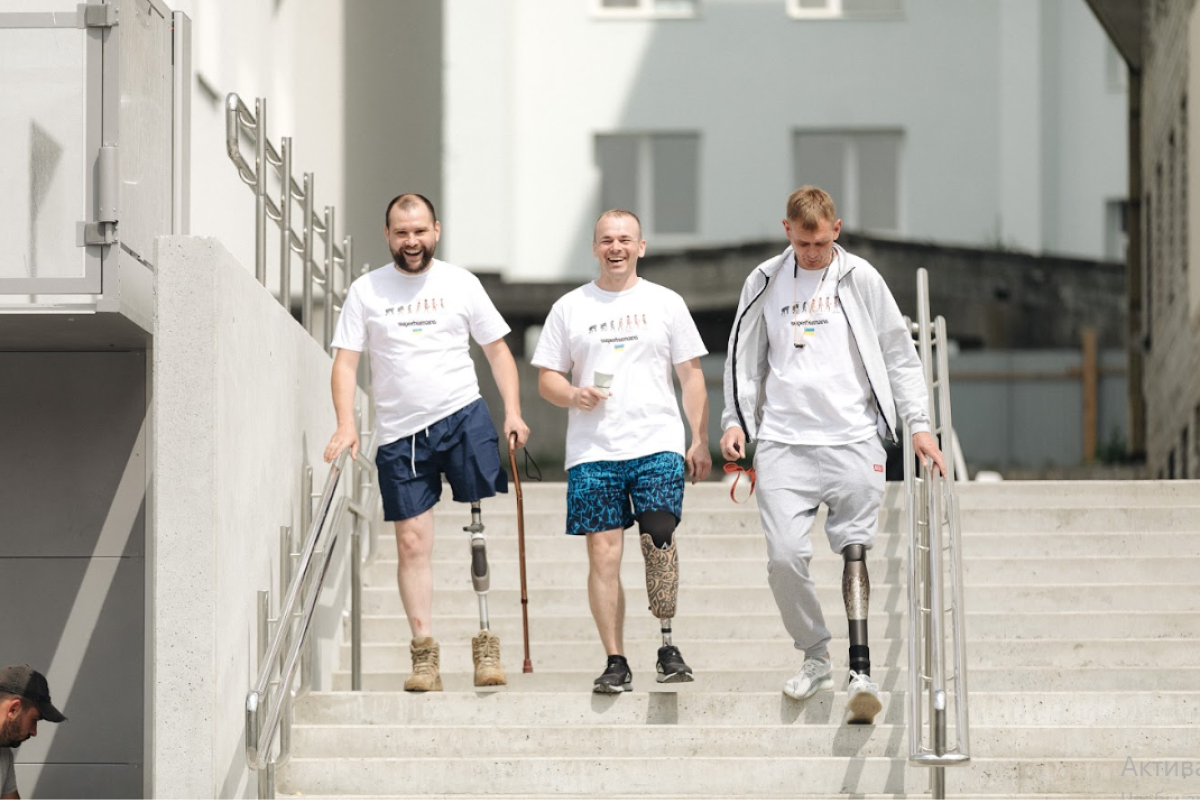
The team also pays a lot of attention to working with the “stereotypical” perception of people with disabilities as weak and incapable of an active life.
“We talk a lot about it in the media and hold events to demonstrate that these are not people who need our sympathy and pity, they are iron people, in some places much more motivated and stronger in spirit than many of us. We often invite entrepreneurs, particularly from service areas, and conduct tours of the Center in wheelchairs. Even our space, built in compliance with all barrier-free standards, after an hour of such an excursion, leaves a person very exhausted and tired – it is physically challenging. But after that, we better understand how to turn our restaurant, shop, and hotel into a place accessible to everyone.”
In 2024, Superhumans aims to open centers in other regions of Ukraine. Currently, the team has more than 100 people.
Who else helps the project develop
The organisation has a Supervisory Board, a Medical Board, and Boards of Ukrainian and foreign ambassadors. Among others, in Ukraine, Superhumans are supported by Masi Nayem, Monatik, and Andriy Danylko. At an auction in London, he sold his car, which previously belonged to Freddie Mercury, and received 250 thousand pounds for it.
The project is supported by Sir Richard Branson’s “Virgin Unite” foundation, LVMH, Cargill, and Crown Agents. Many socially responsible businesses in Ukraine are joining the initiative, including MasterCard, PrivatBank, Rozetka, SOCAR, Softserve, and dozens of others.
A comfortable ecosystem for every patient: how to get to the Superhumans Center
To become a patient of Superhumans, you need to fill out a form on the website. The medical staff examines it within 3–4 days, contacts the patient, and appoints the first examination. They make measurements and analyses. A test sleeve is made, and a person learns how to use it. They adjust the size and only then make the main prosthesis. Next, they undergo basic rehabilitation to stand on their feet confidently. If everything goes perfectly, it takes 2–4 weeks.
“All patients fall into a single queue. Firstly, we consider people who are waiting for primary prosthetics. That is, those who do not yet have any prostheses. Because our goal is to put as many Ukrainians back on their feet as possible and give back opportunities. Next, the physical and psychological condition of the patient becomes a decisive factor to what extent he is ready to undergo prosthetics and rehabilitation. Is the stump correctly formed, is there no debris in the stump, and is the nerve of other contraindications? Is the patient psychologically ready to receive a prosthesis and complex and long-term rehabilitation?
If there are difficulties in any of these moments, the patient is sent for treatment immediately after – taken for prosthetics. If everything is fine, they will immediately take you to prosthetics. The duration of rehabilitation is calculated in cycles. One cycle is two weeks. The number of rehabilitation cycles depends on the complexity of the injury, the level of amputation (foot, lower leg, above the knee, at the level of the thigh/fingers, hand, elbow, shoulder), as well as whether the patient has one amputation or two/three/four.”
In the case of simple amputations (to the knee/hand), sometimes one cycle (2 weeks) is enough, in complex ones, the duration can reach up to 3-4 months. To date, the organisation has provided prosthetics and fully rehabilitated more than 300 patients. More than 400 prostheses of upper and lower limbs were produced.
The Superhumans Center highlighted the main problem of prosthetic medicine that currently exists in Ukraine – a huge number of people with amputations, including very complex ones. Now, no medical system in the world has experienced such a load. In addition, unfortunately, even the end of the war will not mean a quick “relief” in the employment of doctors because the total area of landmines in Ukraine is already larger than the area of Austria. This means that Ukrainians will be blown up by mines and lose limbs for many years after the war.
The Phoenix has risen from the ashes: the Ukrainian woman who lost her leg will return to the front
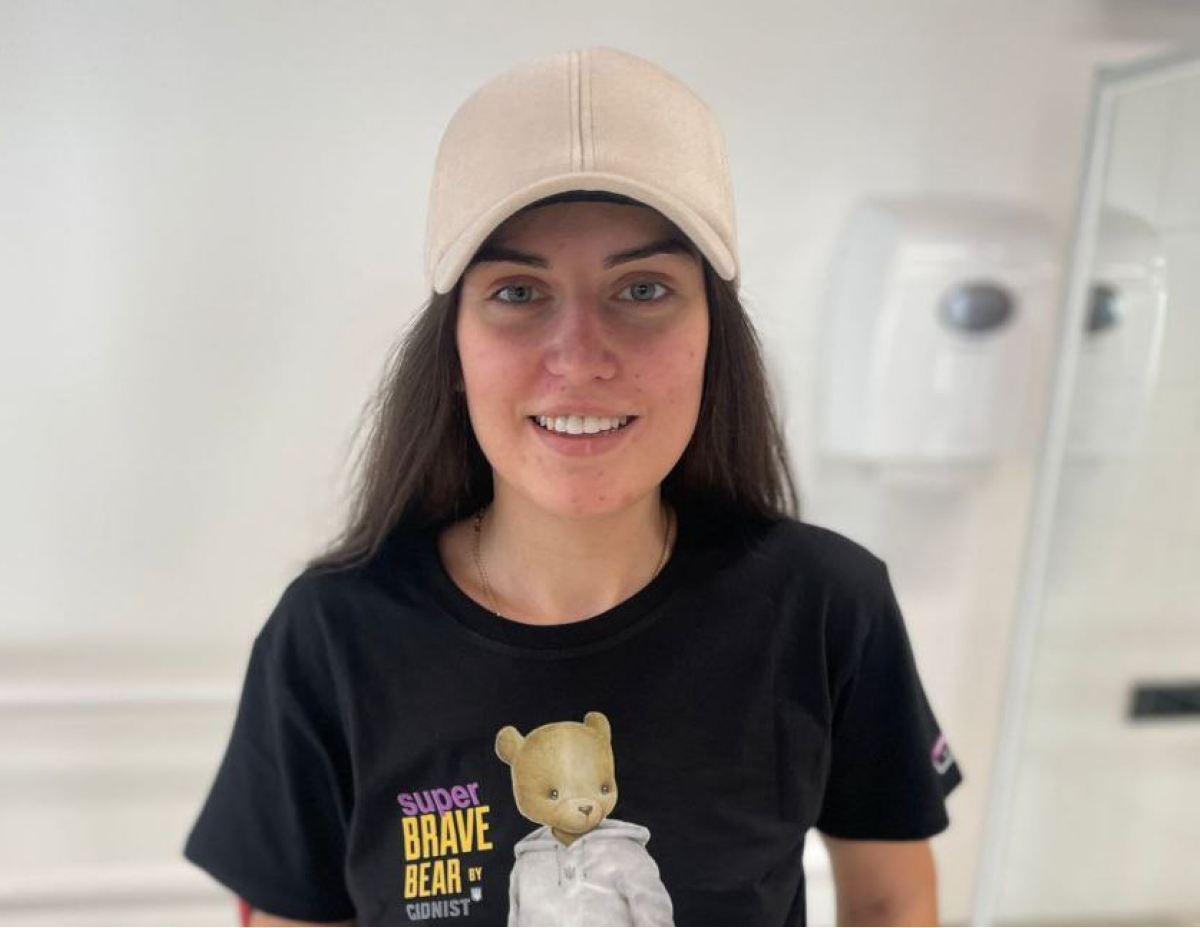
Military Anastasia Savka “Phoenix”, after being wounded at the front, has already received a prosthetic leg and is learning to use it at the Superhumans Center. After rehabilitation, she wants to return to the army.
Before the full-scale war, Anastasia worked as an administrator at a car service center. The full-scale invasion forced Anastasia to change her job. Even though she had no military experience and women were not very willing to join the army at first, Nastia managed to get into the Armed Forces of Ukraine. Although she had to attend six months of shooting training for civilians in Lviv. During this time, she realised that she liked sniper rifles the most, and that’s what she wanted to do.
Later, Anastasia took part in heavy battles with the invaders, and after one of those battles, she was wounded when she stepped on a mine, and it exploded. As a result, she lost the lower part of her left leg in November 2023. Anastasia describes that moment this way:
“I took a step and stepped into a crater. Immediately, it was as if I was electrocuted all over my body – from head to toe. There was a pungent smell of TNT in the air. I realised that my left leg was unlikely to be saved.”
She remembers everything well because even on the way to the field hospital, she did not lose consciousness and even filmed herself on her smartphone.
At the time, her three-year-old son Yarema and her parents were waiting for her at home. Many people condemned Nastia’s choice, but according to her, it was her child’s happy future that motivated and inspired her. Therefore, she has no regrets. Yarema spends a lot of time with his mother in the rehabilitation center. Sometimes, he plays while waiting for her to finish the next exercise, and sometimes he joins in.
Not only physical and hydrotherapists but also other patients, most of whom are men, admire Anastasia’s recovery rate. But in the army, according to Nastia’s recollections, the soldiers initially treated her with distrust as a weak woman. But that changed after she proved to everyone that she was a capable sniper during the fighting in the Zaporizhzhia sector, where she was deployed last summer.
“In reality, everything looks different from what they show in the movies. You constantly feel this discomfort. You are looking for at least something to hold on to. You dig in under enemy fire. And vice versa – you dig up those covered with earth from a close approach. “
And now Anastasia emphasises that the war is not over for her or anyone else. Therefore, she wants to return and continue her work and urges people not to relax because, perhaps, everyone will eventually have to fight.
Ivan Tarn: this is a story of an inclusive soldier who returned to his duties
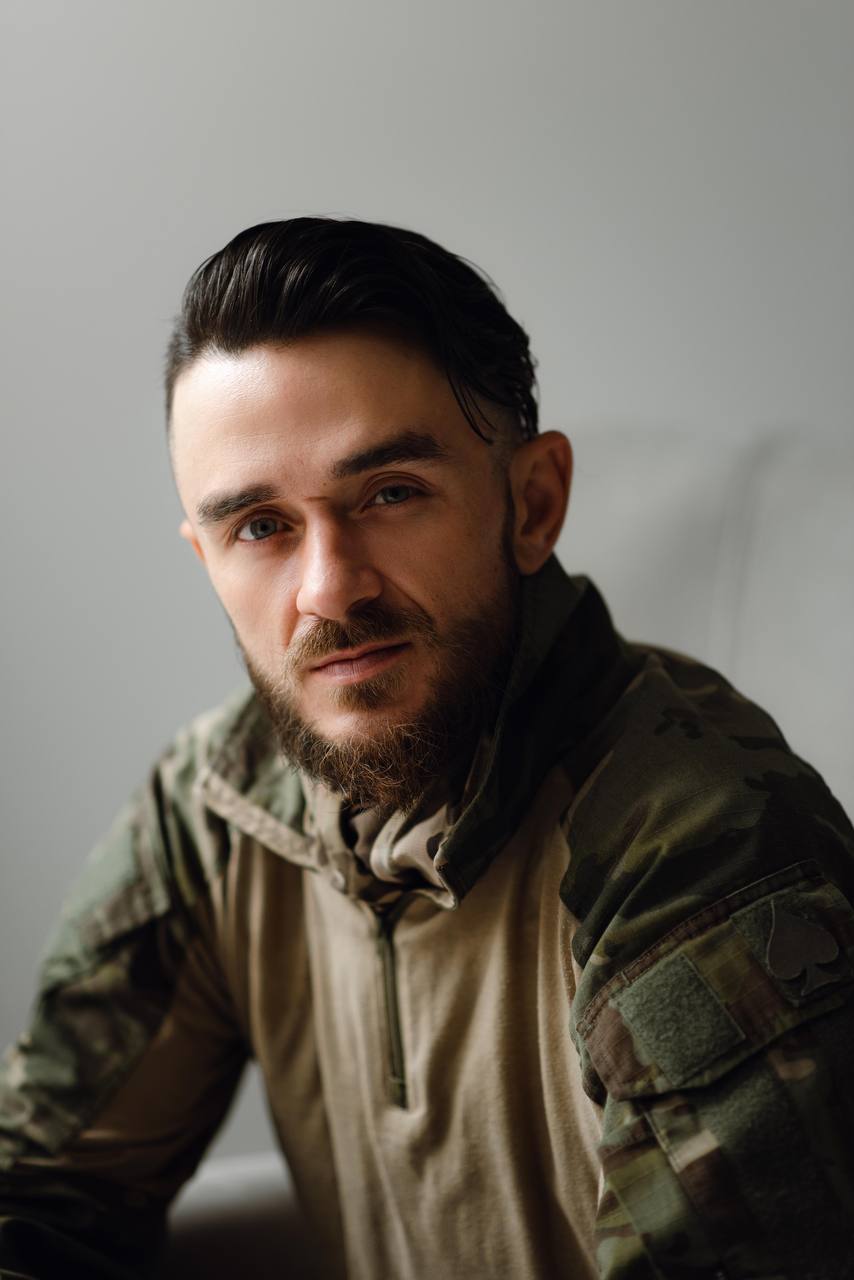
Ivan Tarn, a veteran of the Russian-Ukrainian war from the special unit of the “Artan” Main Directorate of Intelligence of Ukraine (MOU), shared his experience. Immediately after the invasion, Ivan decided that he would go to the front to defend the Motherland. It was a matter of honour for him.
“When I realised what was happening, I immediately decided for myself to go to serve, to go to war. I had no military experience, specifically in Ukraine, so I didn’t quite understand how it was happening. I saw huge queues at the military offices. First, I decided to find ammunition for myself, thanks to friends and Europe, I gathered everything I needed! At that time, I was already negotiating with some units that were not against me to join them. . I finished my volunteer work (more precisely, handed it over), packed up, and left [for a war]”.
He also told the story of his injury:
“I was wounded in Bakhmut while evacuating my brother-in-arms. I was on the emergency response team. We received information that we had a wounded soldier under enemy fire. He needs to be taken out of there. There were serious battles: shooting, artillery, shelling, everything in a row — as always in Bakhmut. We had a group of four men: a medic and three [soldiers]for evacuation. We got there successfully. The wounded soldier was stabilised and put on a stretcher. All that was left for us to do was to follow the tracks we had followed. Of course, this sounds easier than it is because Bakhmut was already a complete ruin at that time. And there was cluster PFM-1 (anti-personnel high-explosive mine “Petals” — ed.)… And when we were already carrying out my brother-in-arms, I stepped on a mine. I was injured first. We had about 3 km left to go, my friend received the same injury, also his right foot, about two hundred meters later”.
Ivan turned to the Superhumans Center clinic for a leg prosthesis. He left his application on the website and was contacted by the organisation’s employees. In his opinion, the best prostheses in Ukraine are produced there. The rehabilitation was tailored to him, so he recovered relatively quickly.
“I had the entire front part of my foot amputated, only the heel remained. Everything is pretty good now. However, it heals a little longer than I wanted. I thought it would go a little faster, and I would be able to engage in prosthetics and rehabilitation, but you can’t fool nature, you have to give it time to heal. I also want to note that I had never encountered hospitals in Ukraine before, I had a hard time imagining how they functioned. I am pleasantly surprised by the level of care for us, both by doctors and volunteers,” – he said about his condition in July 2023.
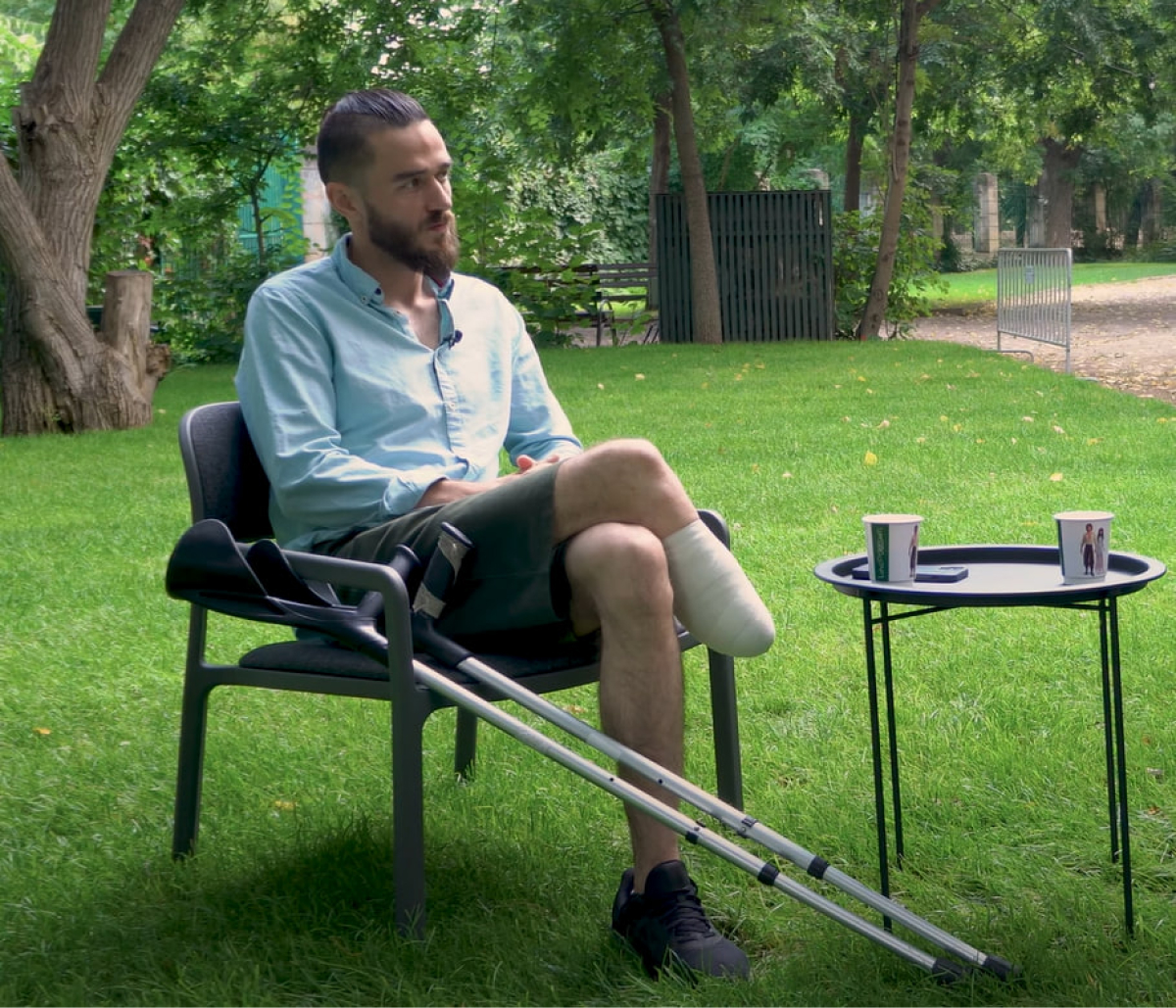
Now, he has returned to military service, where he continues to defend the sovereignty of our country. He talks about the future with inspiration – he will participate in restoring Ukraine.
He also emphasized that Ukraine is very weakly prepared for the return of the military with inclusion. “… having the experience I had, and understanding what my brothers with more serious injuries face, there is still a lot of work to be done here.”
So, unfortunately, Ukraine has become the world center of prosthetic medicine. Superhumans Center and similar organizations are doing everything possible to help injured servicemen and civilians return to everyday life. The main problems are the significant number of patients and the country’s unpreparedness for comfortable coexistence with people with such characteristics. However, we are sure that this topic will attract attention and the situation will improve in the future.
Tetiana Stelmakh