

The Ukrainian Review offers an overview of some of the major political events around the world in April 2024, but not only Ukraine news. We have spoken with experts regarding the impact of these events on global affairs.
Iran launched a missile attack on Israel
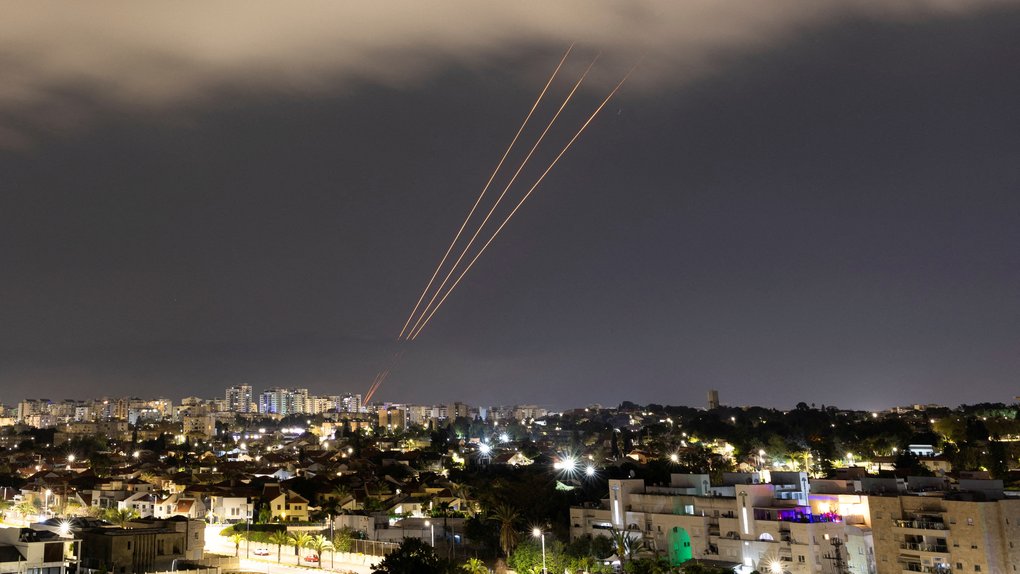
During the night of April 13-14, Iran launched an attack on Israel with around three hundred drones and missiles. Iran used kamikaze drones during the attack, similar to those provided to Moscow, which Russia uses to attack Ukraine almost every night.
“The operation targeted the Nevatim airbase, where F-35 aircraft were used to shell our consulate in Damascus,” – said Major General Mohammad Hossein Baqeri, the Chief of Staff of the Iranian Armed Forces
This attack is seen as retaliation for the April 1 strike on the Iranian consulate in Damascus, during which an Iranian commander and his subordinates were killed. Tehran believes Israel carried out that strike. However, the Israeli government has neither confirmed nor denied involvement.
The Israeli Defense Forces claim they managed to destroy 99% of the drones before they reached the country’s airspace.
Overall, for the first time since 1979, Iran fired at Israel from its territory.

“The massive missile strike by Iran on Israel, targeting deep into the territory of the state, marks another escalation in the situation in the Middle East and creates direct prerequisites for the regional conflict to escalate into a global confrontation.
Among international analysts studying issues of war and peace, there is concern about maintaining at least the current state of absence of a hot phase of global war. Therefore, Iran’s intentions to destroy the Jewish state raise justified concerns and doubts about the stability of the existing status quo.
This concern is heightened by the fact that Iran and Israel are potentially nuclear states that do not declare their nuclear status, seeking to achieve the element of surprise for the opponent from the possible use of weapons of mass destruction against each other,” – believes Sergiy Polyovyk, an analyst at “Borysfen Intel“, an independent analytical center for geopolitical research.
Protests in Georgia
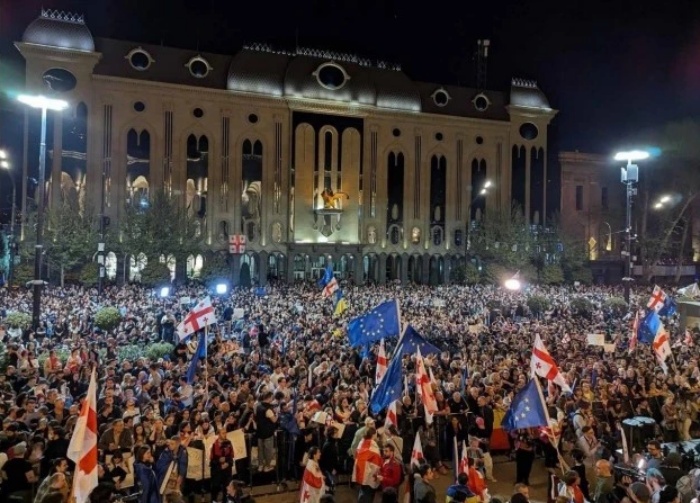
The Georgian Parliament passed a controversial law on “foreign agents” in its first reading, mirroring Russian legislation.
The Georgian draft law includes provisions designating non-commercial legal entities, media owners with over 20% of their annual income sourced from foreign entities, and speakers as organisations acting in the interests of foreign powers.
One contentious provision allows the Georgian Ministry of Justice to monitor and investigate entities deemed to act in the interests of foreign powers based on written reports, which could be anonymous tips.
Critics argue that passing such legislation in Georgia will not only harm independent media and activists but also hinder Tbilisi’s path to the EU.
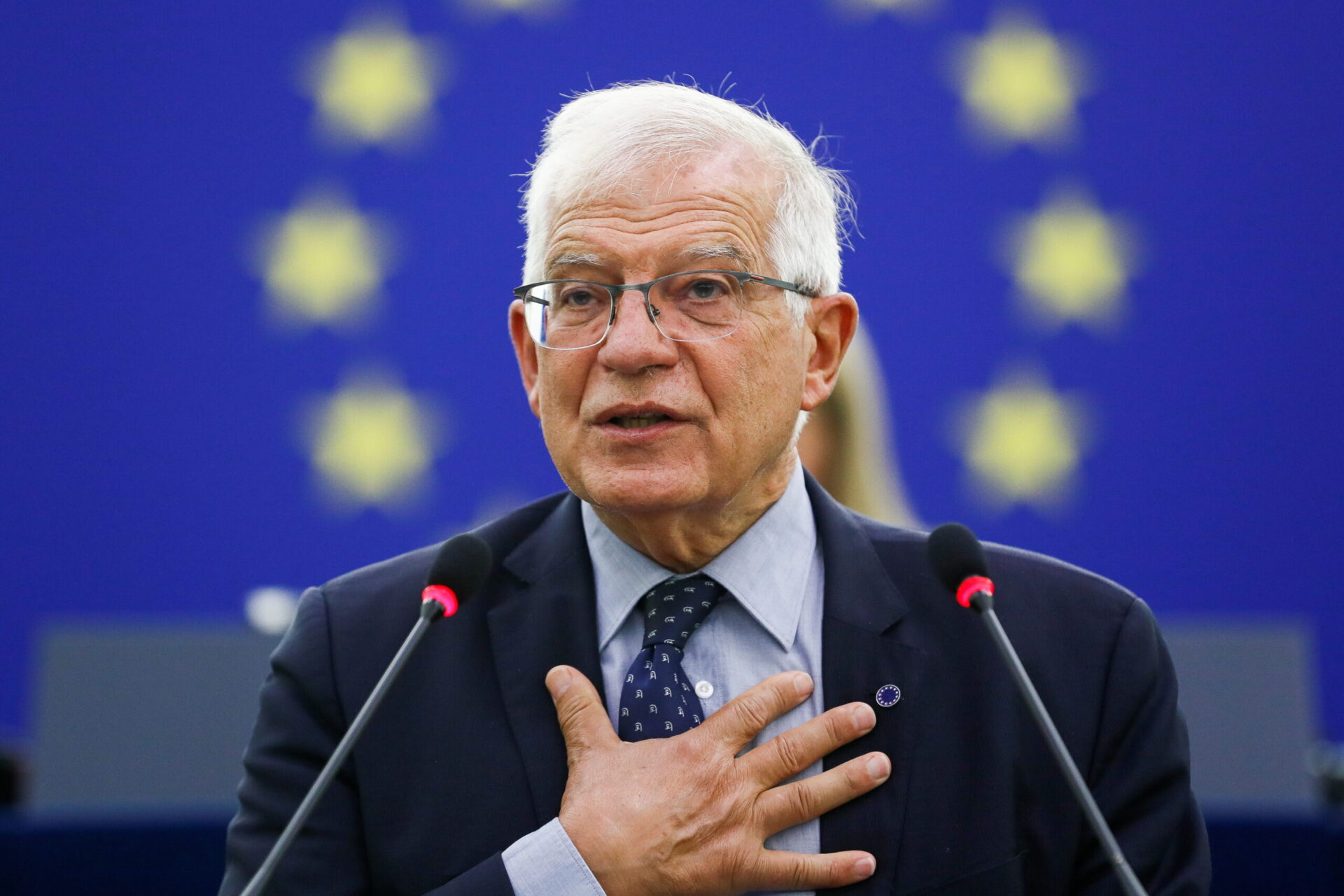
The EU’s High Representative for Foreign Affairs and Security Policy, Josep Borrell, noted that despite numerous protests and calls from the EU to withdraw the bill, parliament endorsed it.
Protests against the “foreign agents” law approved by the Georgian parliament in the first reading have been taking place in the capital, Tbilisi, for several days.
Georgian Prime Minister Irakli Garibashvili stated that the “foreign agents” bill aims to protect Georgia from “Ukrainization.”
The Ukrainian Ministry of Foreign Affairs stated: “Russification, not the mythical ‘Ukrainization,’ poses a real threat to Georgia.” Ukraine is interested in Georgia’s peaceful and friendly atmosphere and has consistently supported its sovereignty and territorial integrity.
President Salome Zurabishvili declared that she would veto this law, having previously expressed support for the protesters earlier this week.

“The adoption of the ‘foreign agents’ law in Georgia has its reasons, including the fight against external influence and the attempt to preserve national sovereignty. Russian influence may be one of the reasons, as Georgia, like many other countries, faces the risk of external interference in its internal affairs.
The consequences of this law can be varied. On the one hand, it may strengthen control over external influence and prevent negative consequences of dependency on foreign interests. On the other hand, it may limit freedom of speech and the activities of civil organisations that may be deemed ‘foreign agents.’
As for the chances of the law’s final approval, they depend on the political situation in the country and public perception. If protests continue increasing their activity, the law may change or even be rejected. However, if the authorities consider it important for ensuring national security and stability, its adoption may have a high chance,” – says Dmytro Franchuk, a political analyst.
Israel launched a missile attack on Iran
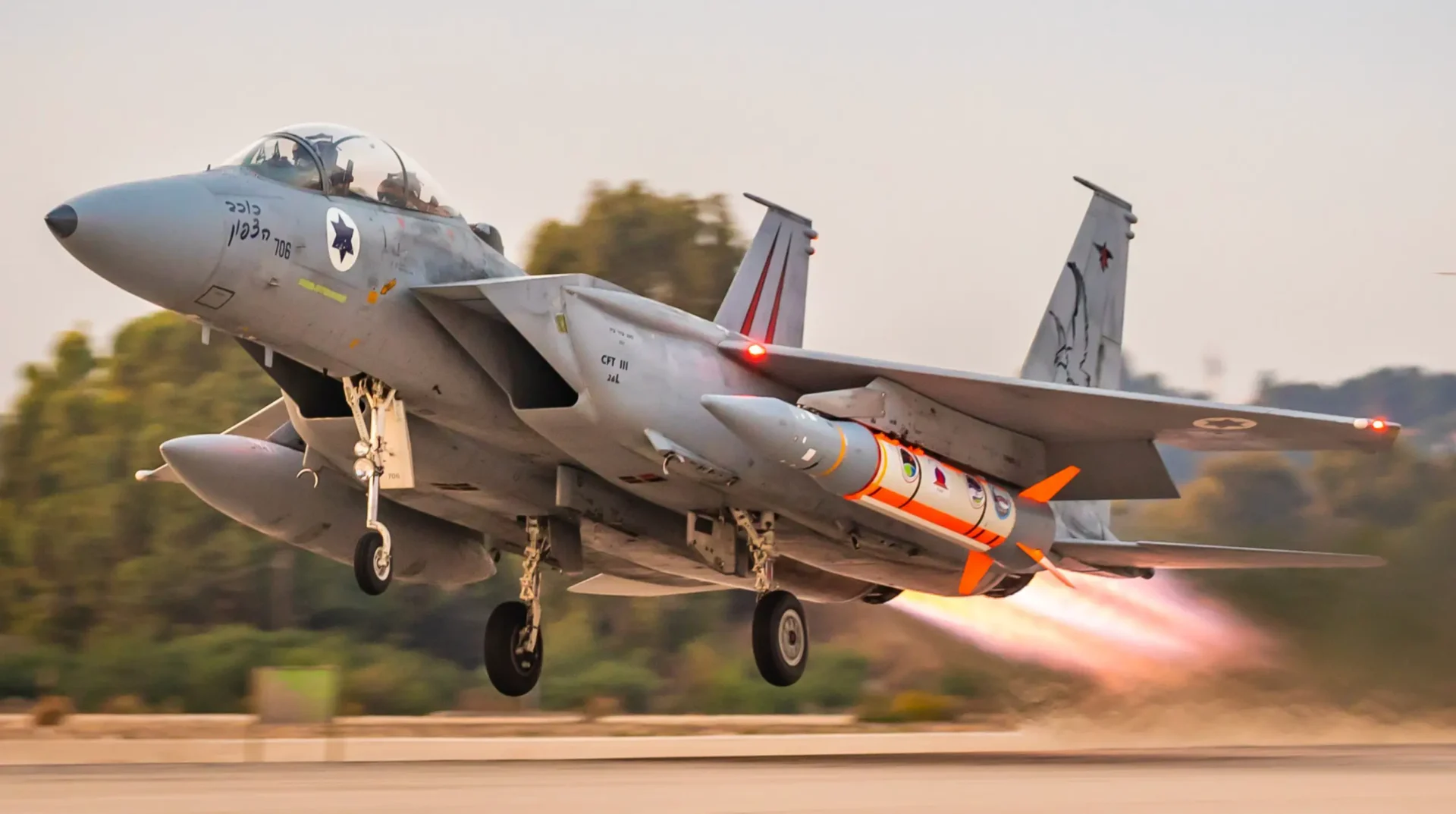
Israel launched a missile strike on Iran in response to a rocket attack on April 13-14, 2024. The strikes targeted unknown locations in Iran’s central province of Isfahan, as confirmed by U.S. officials.
Official representatives of Israel have not commented on the explosions in Iran. Iranian media reported that Israel’s attack caused no damage to infrastructure or military targets.
CNN, citing a source in regional intelligence services familiar with the situation in Iran, reports that Iran and Israel are not currently planning to carry out direct attacks against each other. Additionally, Iran is expected not to retaliate against Israel’s recent strike.
Armenia and Azerbaijan establish a new border
Armenia and Azerbaijan continue efforts to demarcate the border.
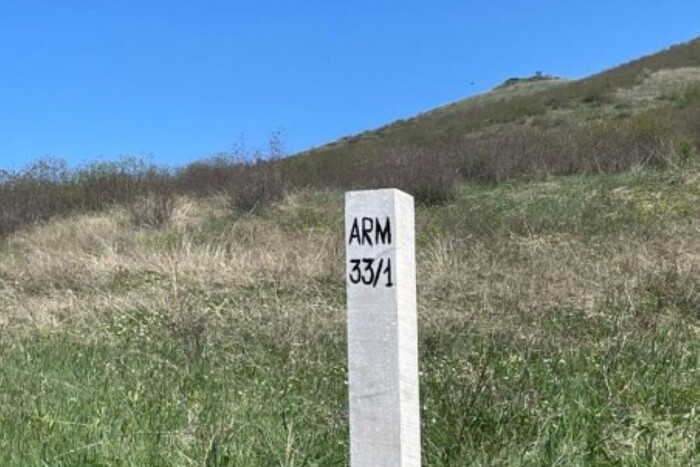
“On April 23, 2024, on the border between the Republic of Azerbaijan and the Republic of Armenia, the first border pillar was installed as part of the work to clarify coordinates based on on-site geodetic measurements. The work of the expert groups of the two countries continues,” – reported the Azerbaijani state news agency AZERTAC.
Recall that last fall, Baku regained control over Karabakh by military means, previously controlled by Yerevan, with the support of Russia.
At the same time, a peace treaty between Yerevan and Baku has not yet been signed. Armenian Prime Minister Nikol Pashinyan has proposed that Azerbaijan sign a non-aggression pact. Tensions between the republics persist, with both sides exchanging accusations of preparing for war.
Russia withdraws troops from Nagorno-Karabakh
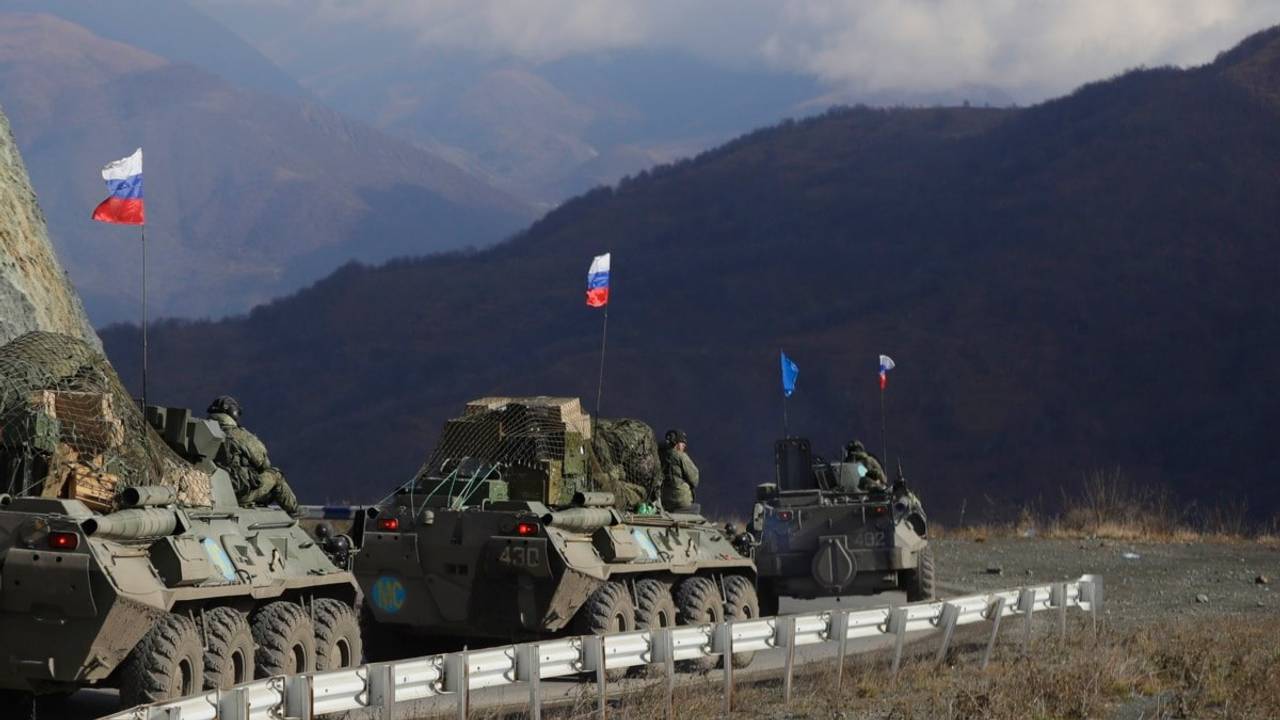
Russia has begun withdrawing its “peacekeepers” from the territory of the former unrecognised republic of Nagorno-Karabakh, which Baku regained control of after a brief war in September 2023.
Russian “peacekeepers” have been present in the territory of unrecognised Karabakh since November 10, 2020.
The maximum known strength of the Russian “peacekeeping contingent” in Nagorno-Karabakh was 1,960 troops, 90 APCs, and 380 vehicles and specialised equipment.
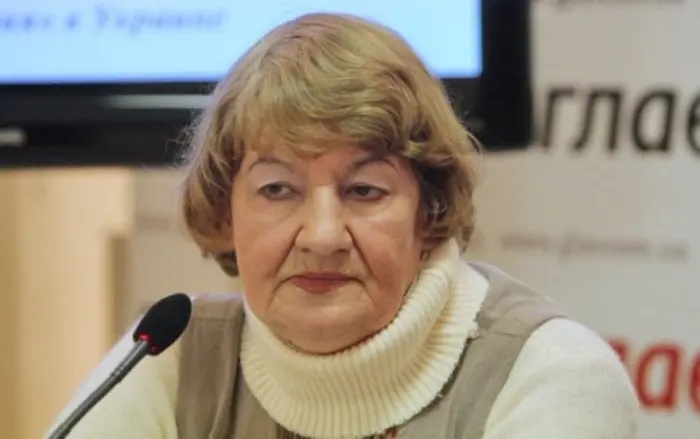
Natalya Belitzer, an expert at the Pylyp Orlyk Democracy Institute, commented on this event:
“Actually, this move seems quite logical considering that after the latest, immediate military (“anti-terrorist”) operation on September 19-20, 2023, and the officially recognised cessation of the self-proclaimed “Nagorno-Karabakh Republic” (Artsakh), signed by its “president” on January 1, 2024, nearly 100,000 ethnic Armenians, or over 80%, left this territory”.
As N.Belitzer explained to us; thus, the mission of protecting the local population from imaginary or actual threats from the AR (Armenian Republic) lost its relevance:
“Accordingly, on April 26, 2024, the joint Turkish-Russian monitoring center in Agdam ceased its activities. But when have such arguments worked in other areas of post-Soviet “frozen” conflicts? History knows no such cases, so this case remains unique – just like the forceful restoration of Azerbaijan’s territorial integrity and sovereignty after 28 years of occupation.
Undoubtedly, the positive turn of events was greatly influenced by the full-scale Russian-Ukrainian war, which began on February 24, 2022, and the significant weakening of Russia’s potential and its geopolitical capability and significance caused by it”.
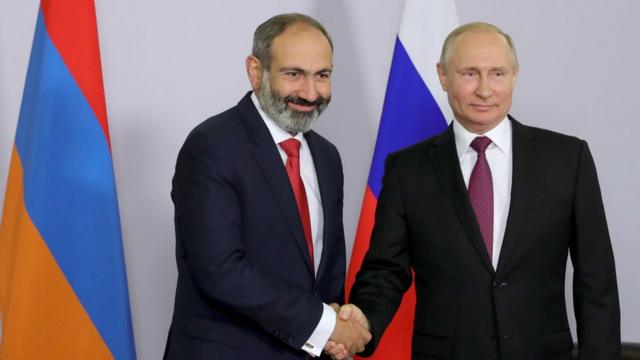
As a result, the value of strategic partnership and “alliance” with the AR (Armenian Republic) for Moscow increased significantly, as did its relations with Turkey:
“Therefore, instead of knowingly losing the struggle to maintain a military presence in the AR, Russia “saved face” by choosing a rational tactic, namely the decision to withdraw peacekeeping forces, agreed upon at the highest level of leadership of the two states”
The fate of the withdrawn service members and their equipment remains unknown for now, but there are concerns that they may be redeployed to the Ukrainian front. N. Belitzer explains the danger of this:
“Although the number of peacekeeping personnel is small – around 2000 individuals, the presence of heavy weaponry, including 90 relatively new BTR-82A armoured personnel carriers, considering the acute shortage of Russian armoured vehicles lost during intense battles, makes this scenario quite plausible.
Against the backdrop of the expected influx of a large quantity of modern high-tech Western weapons into Ukraine, the involvement of Russian “peacekeepers” in the war against Ukraine is unlikely to have any significant impact”.
***
News from Ukraine is important, but world news gives a broader understanding of what is happening worldwide. Thanks to this, we can understand the causes and consequences of various events and see the connections between them. We also see that new conflicts are constantly breaking out in the world. Some have stakeholders, some are resolved, and some impact all other events worldwide.
Anya Ostymchuk