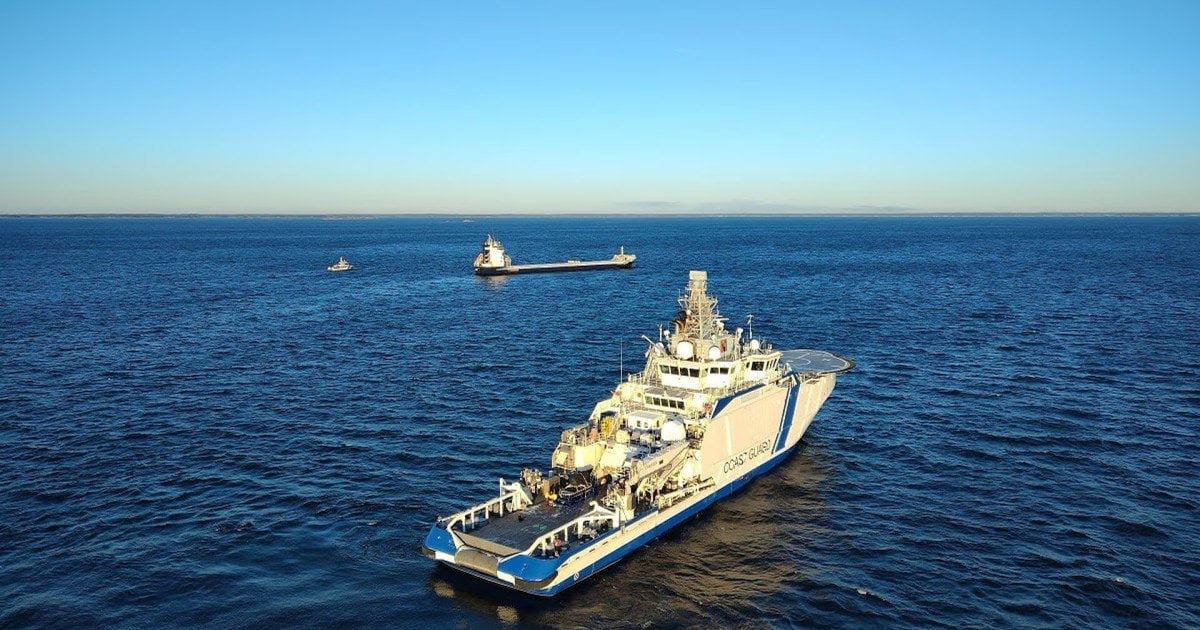


Finland has once found itself at the center of attention due to an incident in the Baltic Sea involving damage to undersea communication cables between Tallinn and Helsinki. The Finnish Border Guard has released video footage showing the boarding and detention of the vessel Fitburg, which had departed from St. Petersburg and is suspected of involvement in the latest disruption of critical infrastructure. This happened on the morning of December 31st. The incident heightens concerns among Northern European countries regarding the security of subsea networks in the region, especially following previous instances of damage to cables and pipelines in the Baltic Sea. This time, attention is focused not only on the technical causes of the accident but also on the composition of the crew and the vessel’s route. While the investigation is ongoing, the case has already taken on an international dimension.
Detention of the Fitburg
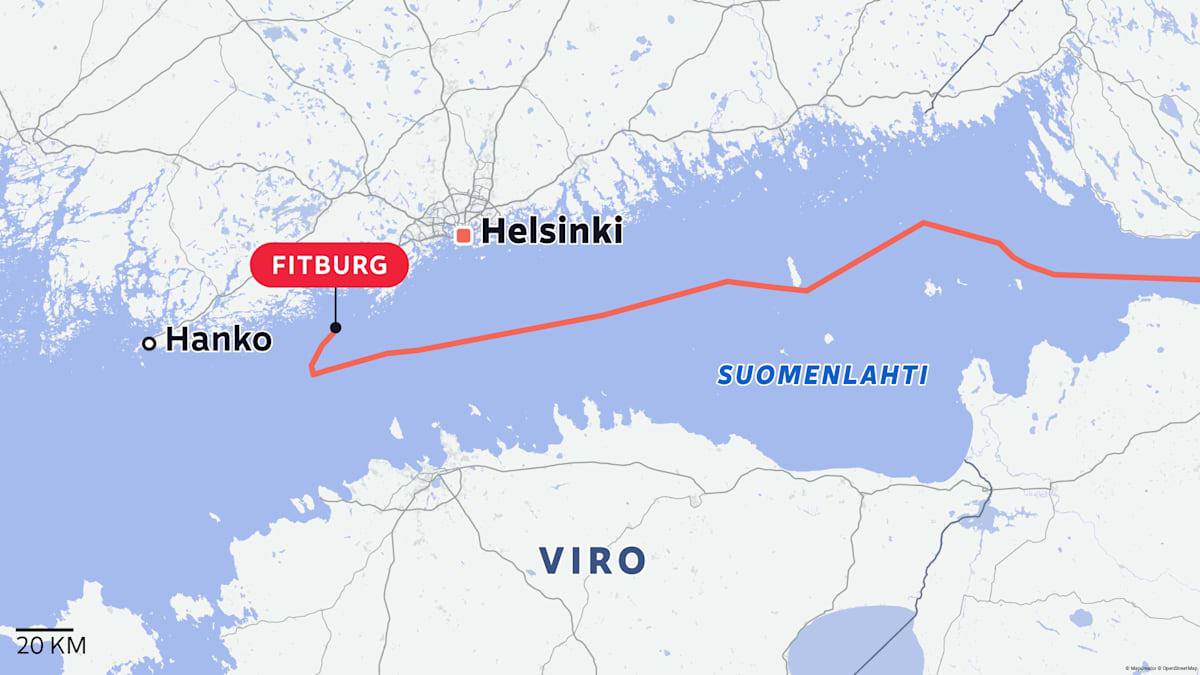
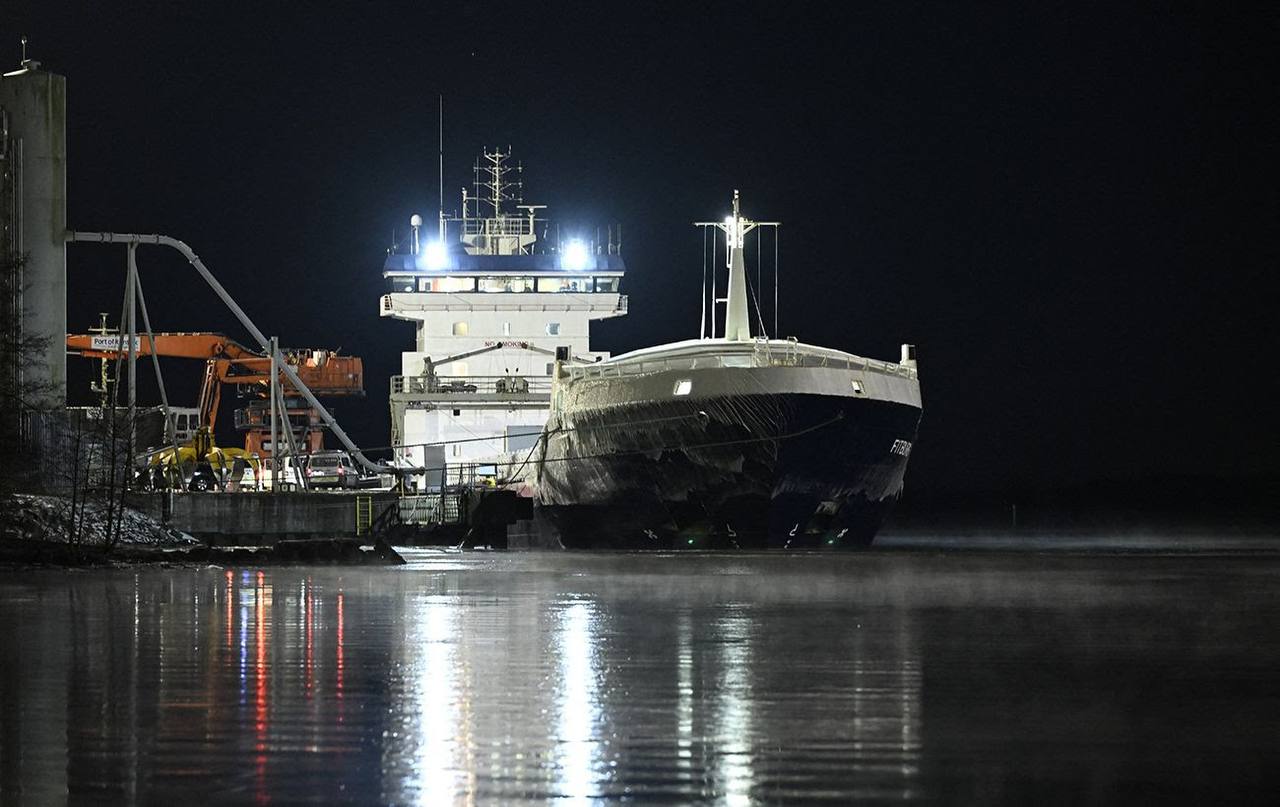
According to the Finnish police and the Border Guard, the vessel Fitburg was intercepted after it dropped anchor at sea and was subsequently directed into Finnish territorial waters. It was in this specific area that damage was recorded to a telecommunications cable between Finland and Estonia. The cable belongs to the Finnish telecommunications group Elisa, which provides connectivity between the two nations.
There were 14 crew members on board the Fitburg—citizens of Russia, Georgia, Azerbaijan, and Kazakhstan. All were interrogated by Finnish law enforcement authorities as part of the investigation. Currently, two crew members have been detained on suspicion of involvement in the cable damage, while two other sailors have been prohibited from leaving Finnish territory.
According to the shipping tracking website MarineTraffic, the Fitburg was en route from St. Petersburg to Haifa, Israel.
Finnish authorities are refraining from making final conclusions regarding the nature of the incident, emphasizing that the investigation must determine whether the damage resulted from a technical error or intentional actions. At the same time, the mere fact of detaining a vessel traveling from a Russian port has caused a resonance in the region, where the security of underwater infrastructure is increasingly becoming a subject of political and security debate.
Recurring Breaks and the Investigation
Risto Lohi, The head of the investigation at the National Bureau of Investigation, pointed to the systemic nature of such incidents in the Gulf of Finland. According to him, several cases of cable damage involving foreign vessels have occurred in this area over the past year alone. He stressed that while the current episode has its own specific circumstances, it fits into a broader context of investigations that Finnish authorities are conducting separately for each incident.
“This time, we are dealing with a cargo ship traveling from Russia and the fact that an anchor was dropped. In all such cases, there are both similarities and differences. Each case is investigated as an individual matter,” Lohi said.
In parallel with the Finnish investigation, information from Estonia has drawn further attention to the situation. According to the Estonian Ministry of Justice and Digital Affairs, four communication cables connecting the country to other nations have been damaged in recent days, as well as one cable between the island of Hiiumaa and the mainland. Specifically, the Elisa cable was damaged between Finland and Estonia in the Gulf of Finland, within Estonia’s economic zone.
This data completes the picture of the incident and strengthens arguments for the need for a thorough analysis of vessel movements and their activities in strategically important maritime areas.
Conclusion
The incident involving the vessel Fitburg has once again demonstrated the vulnerability of underwater telecommunications infrastructure in the Baltic Sea. Despite the lack of final findings, the investigation is already international in scope, involving multiple states and private companies. Finland is proceeding cautiously, focusing on legal procedures and evidence collection. Estonia, for its part, is recording large-scale cable damage, which heightens the general level of concern in the region. The further course of the investigation will reveal whether these are accidental incidents or a broader trend of threats to critical infrastructure. For Northern Europe, this case may serve as another argument in favor of strengthening the monitoring and protection of subsea networks.