

On November 24, 2024, Romania will hold presidential elections, and on December 1, Romanians will go to the polls to elect a new parliament. How could these elections affect support for Ukraine? The issue is especially acute in the context of the growing popularity of forces skeptical of Ukraine in some European countries. Among these countries, we note Slovakia, whose President constantly criticises Ukraine, and after the 2023 elections, the far-right Slovak National Party will join the ruling coalition, and Austria, where the Freedom Party of Austria, which advocates the lifting of sanctions against Russia and a policy of “normalisation”, showed high results; a negative trend is also in Germany, where in a number of federal states, two parties that advocate ending aid to Ukraine – Alternative for Germany (AfD) and Sahra Wagenknecht Alliance (BSW) – showed high results.
Political system of Romania, the power of the President and the Parliament
In Romania, the President plays an important role and is elected every five years. The President is elected by popular vote for a maximum of two five-year terms (four-year terms until 2004). He is the head of state (responsible for upholding the constitution, foreign affairs, and the proper functioning of state power), the supreme commander of the armed forces, and the president of the Supreme Council of National Defence. In December 2024, President Klaus Iohannis’ second term ended.
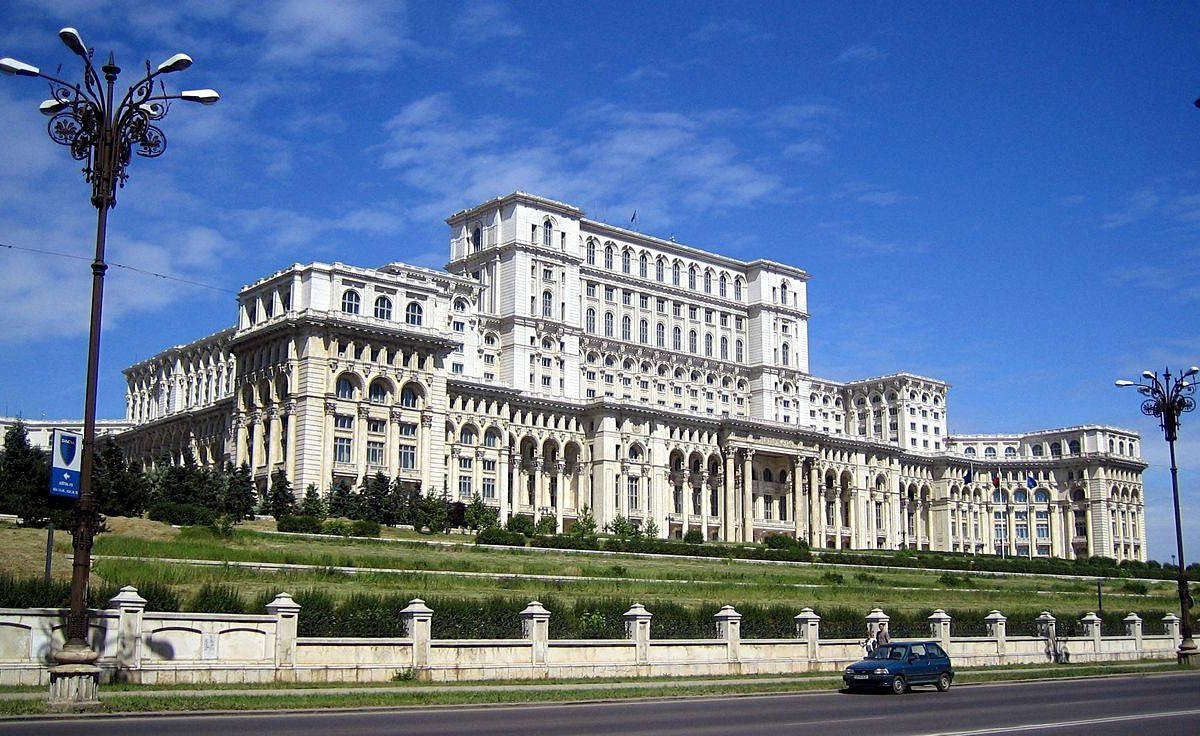
The parliament in Romania is bicameral – the Chamber of Deputies (330 members) and the Senate (136 members). Both houses of parliament are formed by voters in general elections, which are held every four years. The threshold is set at 5%. In the lower house of parliament, 18 seats are reserved for national minorities. The candidacy of the prime minister is nominated by the party that formed the majority and is approved by the President, who has the right to reject the candidacy of the prime minister. In the modern history of Romania, there have been cases of sharp confrontation between the President and the Prime Minister (in 2014-2015, the Prime Minister and presidential candidate from the Social Democratic Party, Victor Ponta, had a conflict with President Klaus Iohannis, as a result of which he resigned from the post of Prime Minister).
Romania and relations with Ukraine: problems and current state
Romania recognized the restoration of Ukraine’s state independence on January 8, 1992. In the 1990s-2000s There were various periods in the relations between the two countries, marked by disputes over issues such as Romania’s insistence on respecting the rights of the Romanian minority in Ukraine (the majority of ethnic Romanians living in Bukovina (Chernivtsi region) and Bessarabia (southern Odesa region), the division of the Black Sea continental shelf (the Snake’s Island issue), and Ukraine’s construction of the Bystroe Canal in the Danube mouth.
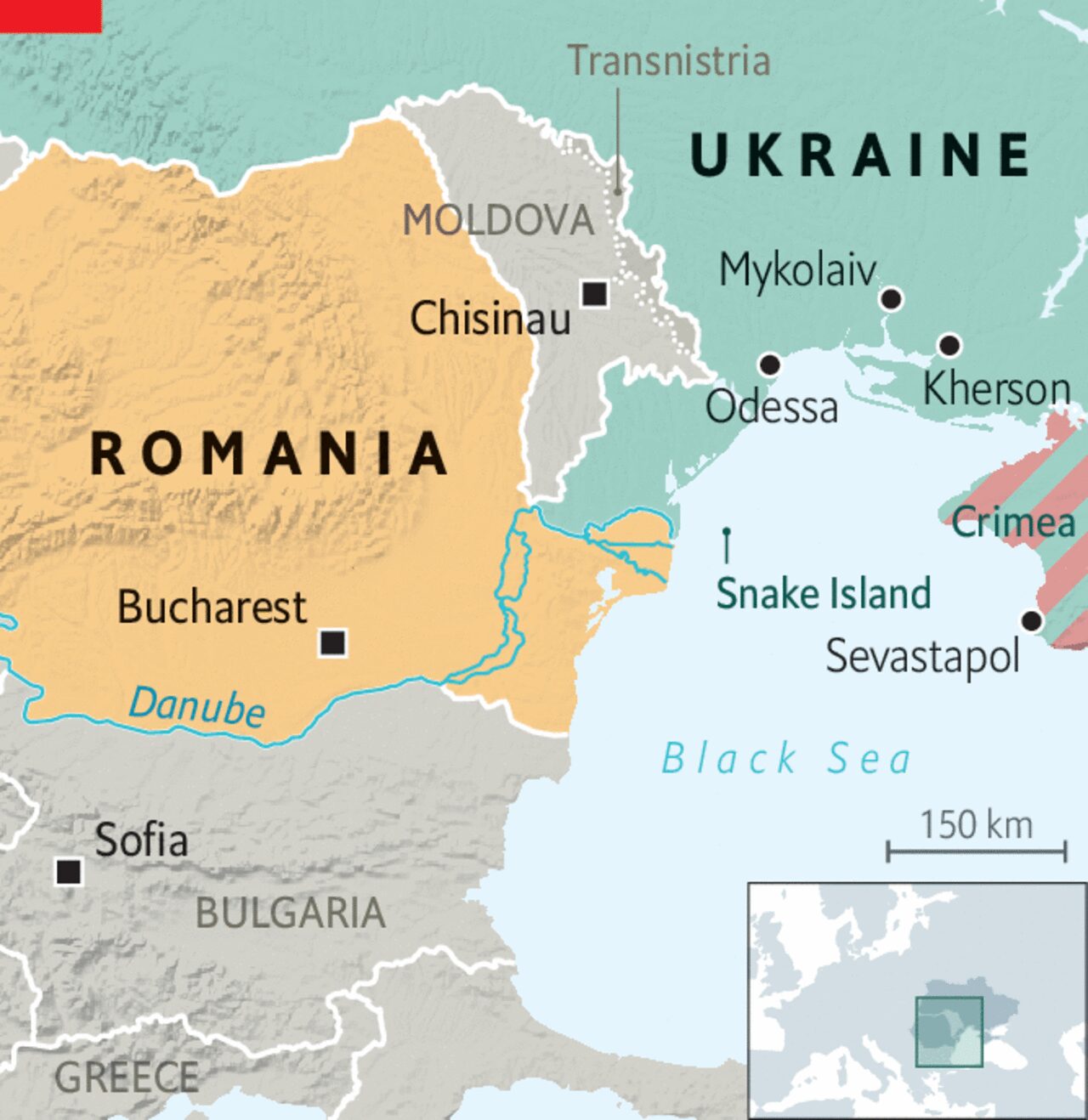
After the start of Russia’s full-scale invasion, Romanians showed solidarity with Ukraine. According to a 2022 poll, 52% of Romanians had a positive attitude towards Ukraine, 72% believed that Ukraine should become a member of NATO, and 77% believed that it should become a member of the EU. Romania has also consistently supported anti-war UN resolutions aimed at ending Russia’s armed aggression against Ukraine.
Romania and aid to Ukraine
Since the beginning of Russia’s full-scale aggression against Ukraine, Romania has provided significant assistance to Ukraine, both economically and militarily. As of October 2022 alone, more than 2.65 million Ukrainian refugees have passed through Romania, with more than 86,000 remaining in Romania. Romania has also consistently supported Ukraine at numerous international venues, exerting diplomatic influence on the aggressor country. Romania’s Black Sea ports and logistics chains must support Ukraine during the summer-autumn navigation for grain exports in 2022 and continue to play an important role in Ukrainian grain exports.
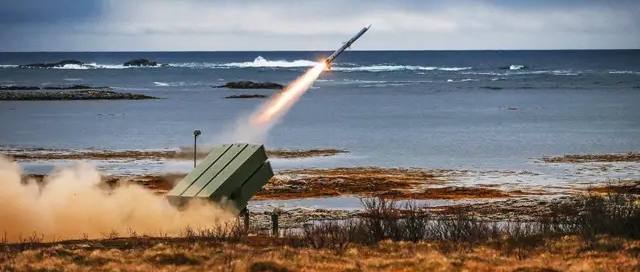
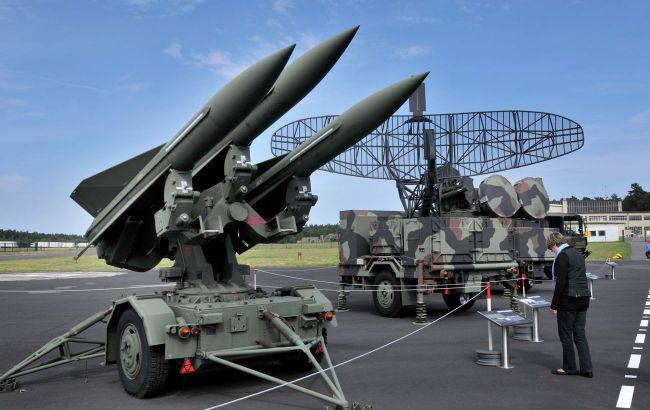
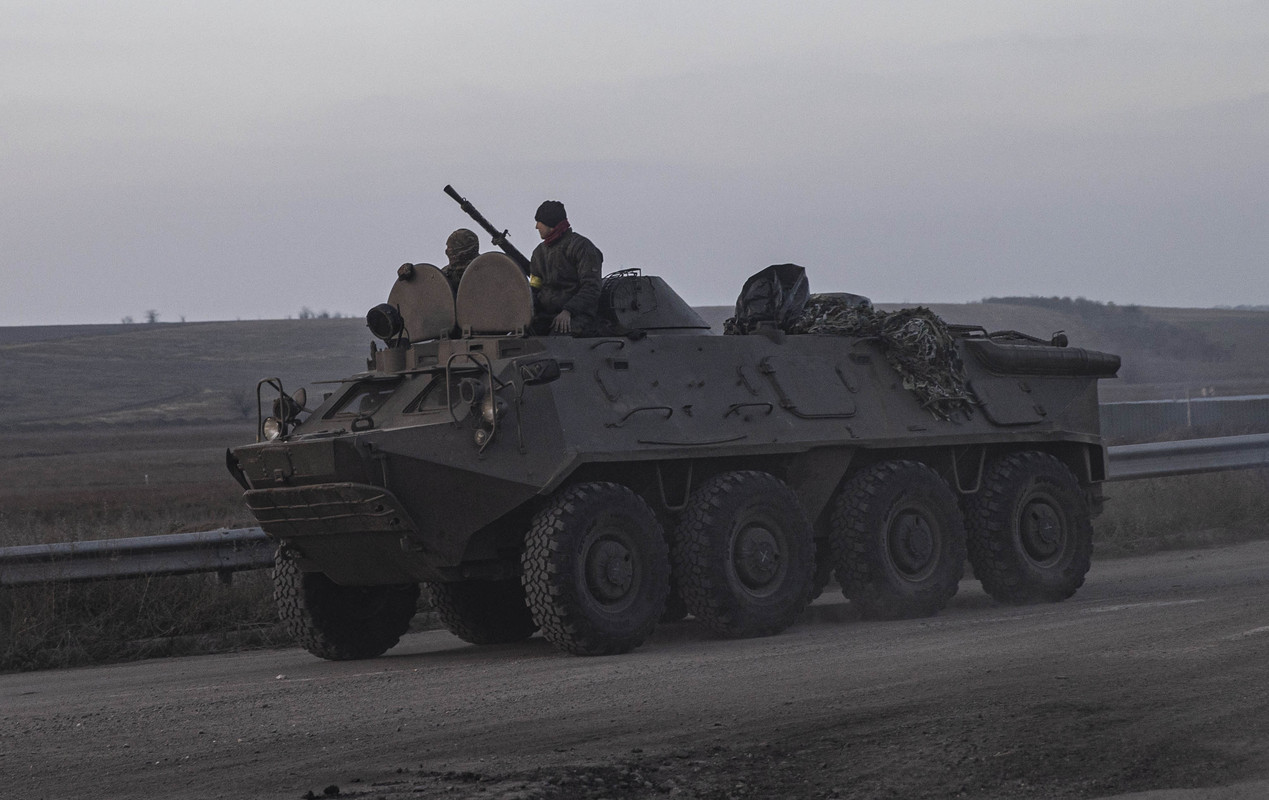
According to The Ukraine Support Tracker, Romania has assisted Ukraine in the amount of 127 million euros, which is the 31st indicator in the world, with military assistance equal to only 4 million euros (data for 2023). A more detailed tracker of aid to Ukraine shows that Romania has transferred an unknown number of Soviet-era armored personnel carriers (TAB-71Ms, a Romanian license-built version of the BTR-60PB), Soviet-era 152mm howitzers, and APR-40 MRL multiple launch rocket systems (a licensed Romanian copy of the soviet BM-21 Grad MRL). But in October 2024, Romania transferred a Patriot air defense system (one battery), an important step in the development of military cooperation between the two countries and a major boost in protecting Ukrainian airspace from Russian ballistic missiles. Other military aid mentioned includes “122mm and 152mm shells, grenade launchers, DShK machine guns, and much more.” But the Romanian side remains extremely tight-lipped about its military aid to Ukraine.
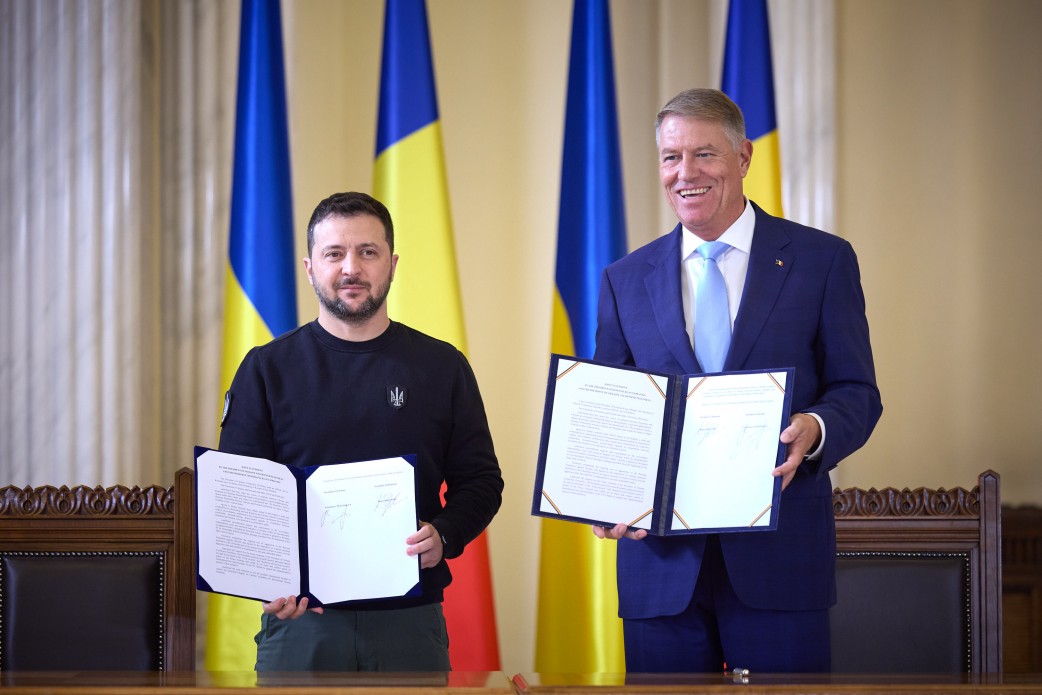
It is also important to note that on July 11, 2024, Ukraine and Romania signed a Security Cooperation Agreement. Paragraphs 6 and 7 deal with military cooperation, and among other things, it is written there that “Romania, together with partners, will actively provide the capabilities of the F-16 training center (FTC) hosted by the Romanian Armed Forces to train the Ukrainian pilots as its tangible input into the Air Force Capability Coalition”.
Political forces that are for or against aid to Ukraine
There are political forces in Romania that are against aid to Ukraine. Some even go so far as to openly make territorial claims against Ukraine. Example: the S.O.S. România party. According to the 2024 elections, it has two seats in the European Parliament and is currently represented in the Senate of Romania (one seat).
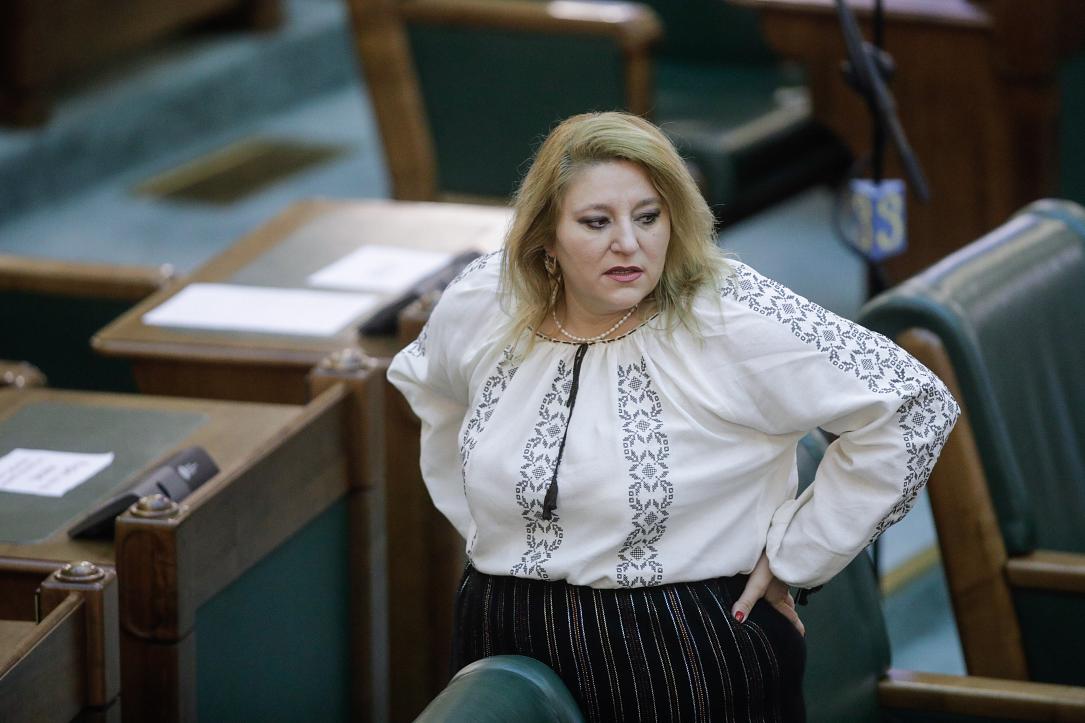
The most active face of the party is the Romanian politician Diana Iovanovici-Șoșoacă. We have already dedicated a publication to her. She managed to make several scandalous statements, was noticed communicating with Russian politicians and diplomats after the start of the great war, and even made statements regarding the ownership of some Ukrainian territories by Romania, for which the Ukrainian side put forward a proposal to impose sanctions on her. In general, the range of her views is unique – she has distinguished herself by her position against Romania’s membership in the EU (but was elected to the European Parliament), she is sharply against migration, but at the same time supports Palestine and takes an anti-Israeli position, during the Covid-19 pandemic she has distinguished herself by anti-vaccination rhetoric and her statements often lie in the realm of conspiracy theories and contradict common sense.
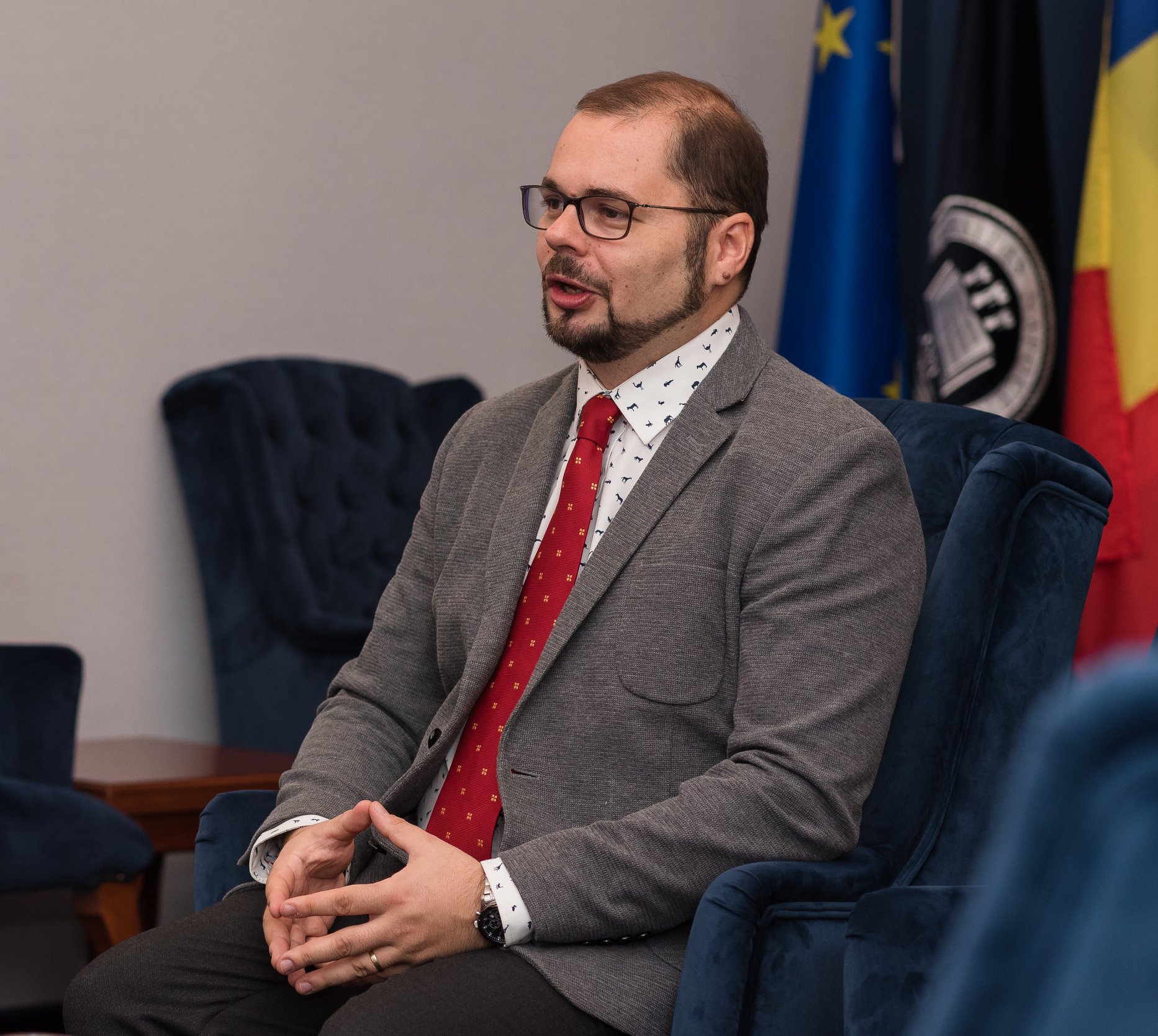
Our Romanian expert Professor of Political Science at the Faculty of European Studies Babes-Bolyai University in Cluj-Napoca Sergiu Mișcoiu notes that this party is still in the polls at around 5%. The problem of the S.O.S. Romania party is that the Constitutional Court invalidated the candidature of Diana Iovanovici-Șoșoacă to the presidential office because of her attitudes against the constitutional order as it was interpreted. This helped George Simion (president of the right-wing political party Alliance for the Union of Romanians), who grabbed the most consistent part of the electorate of Diana Ivanovich-Șoșoacă.
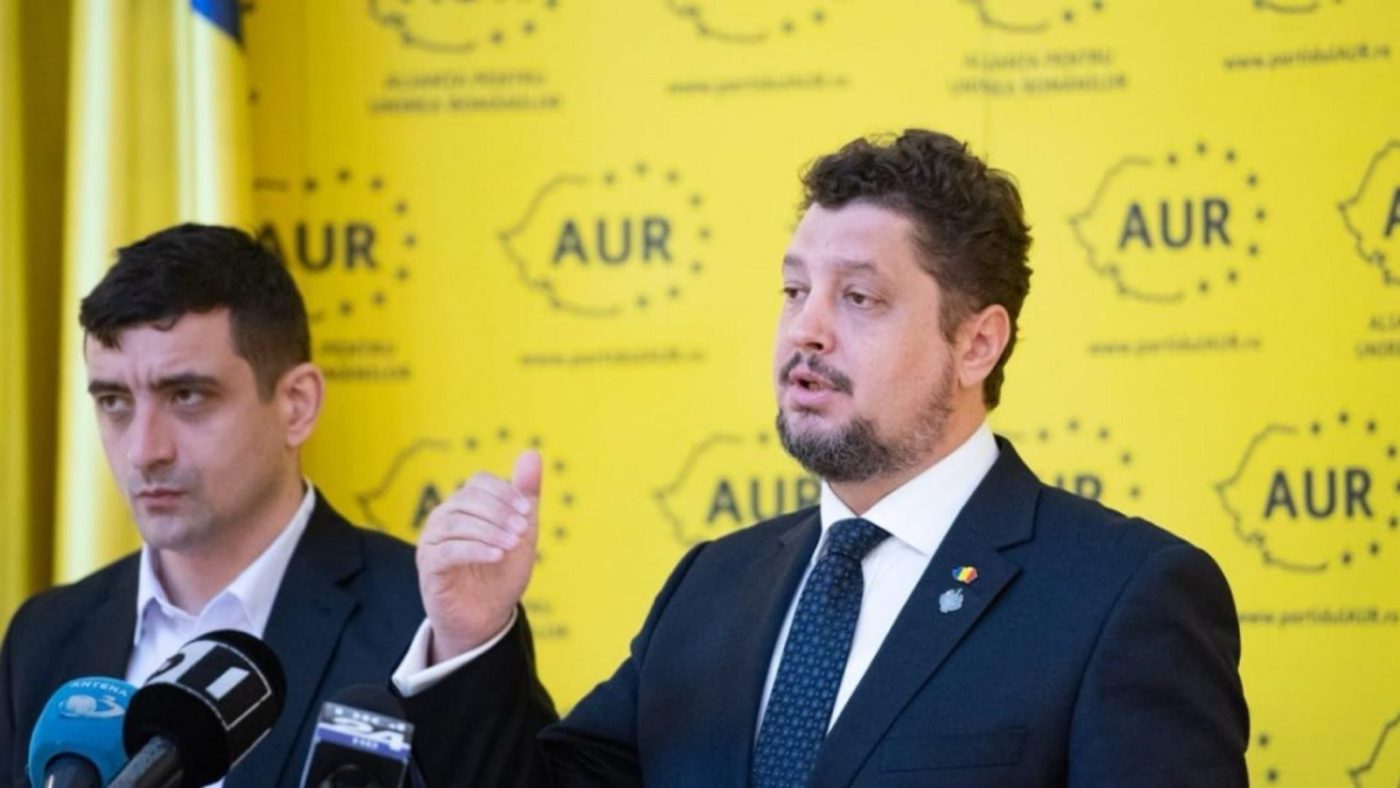
Another party, whose activists put forward territorial claims to Ukraine, is a much more influential political force – Alliance for the Union of Romanians. This political force has representation in both houses of the Romanian Parliament and in the European Parliament. In January 2024, speaking in Iasi, Claudiu Târziu (co-president of the Alliance for the Union of Romanians in 2019-2022) declared claims regarding Ukrainian Bukovina and Bessarabia, effectively confirming the commitment of his political force to the restoration of Romania within the 1940 borders. Similar statements with territorial claims to Ukraine were also made by Hungarian politicians.
Despite its anti-Western rhetoric, the AUR supports Romania’s membership in NATO, believing it to be an essential instrument for ensuring the country’s security, – emphasises Kamil Całus, Senior Fellow Department for Belarus, Ukraine and Moldova at The Center for Eastern Studies (Poland).
Forecasts for the 2024 Presidential and Parliamentary Elections
We asked a Romanian expert Sergiu Mișcoiu for a comment on the forecasts for the upcoming parliamentary and presidential elections in their correlation with Romanian-Ukrainian relations:
These parties [Alliance for the Union of Romanians (AUR), S.O.S. România party – ed.] all together could be at around 20%, even maybe more than 20% in the next parliament. So, even if they are isolated, they will weigh much more than they did before. And so the new coalition will need to be very strongly committed to defending its policies, including its attitude towards Ukraine, in order not to be disturbed by the higher score of the far right.
The expert does not predict a reduction in aid to Ukraine from Romania:
There is a majority in Romanian society supporting Ukraine and there is a majority in the parliament that is supporting the actual trend in Ukraine. Things shouldn’t change too much after the next elections. The far-right victory in these elections seems to be quite unlikely to happen. And that is because the main political parties, and especially the Social Democrats, the Liberal Party, The Save Romania Union, and The Democratic Union of Hungarians in Romania (RMDSZ), declared several times that the current line will be continued unless the far-right will be isolated.
As for presidential elections Sergiu Mișcoiu emphasises, that it is not clear who will be the next President:
One scenario is quite likely Prime Minister Ion-Marcel Ciolacu, the leader of the Social Democratic Party, will get into the second round. The problem is that we do not know with whom he will get into the second round. It’s either the leader of the Liberal Party, or the leader of The Save Romania Union, Elena Valerica Lasconi, or finally the former deputy Secretary General of NATO, Dan Mircea Geoană.
The expert doubts that George Nicolae Simion (right-wing politician, president of AUR) will win. So in any configuration, a new president will support the current line on Ukraine and will continue to help Ukraine.
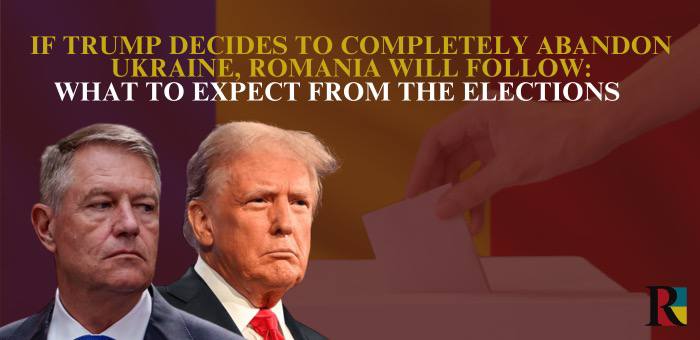
Of course, things could depend on the international situation. For instance, if Trump decides to completely abandon Ukraine or if the decision of the European Union will change, Romania will follow. But if we take only the causes that are intrinsic to Romanian politics, it’s very unlikely the line changes with no major change at the international level.
Summary
According to various sources, the far-right political forces in Romania could gain 21-25% in the upcoming elections. Although the overwhelming majority of votes will go to pro-European forces, the strengthening of the right in Romania will obviously also be a factor that will affect the quantity and quality of aid to Ukraine. Romania will most likely support Ukraine, both diplomatically and militarily. The peculiarity of Romania is the extreme non-publicity of military assistance.
The exploitation of anti-Ukrainian rhetoric is mainly aimed at the domestic consumer/voter, and it is extremely unlikely that it will reflect the political consensus of the Romanian elites after the parliamentary and presidential elections.
The material was prepared by
Stanislav Kinka
Yevgen Dzhumyha