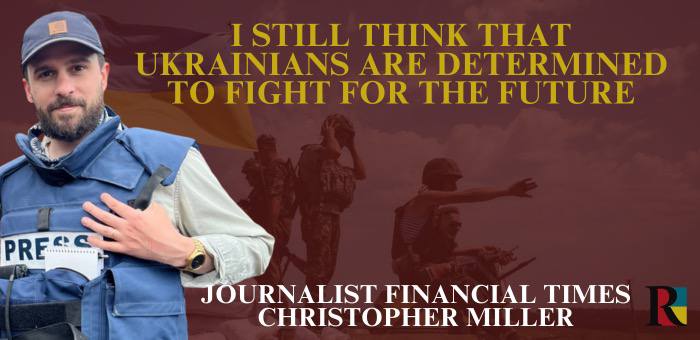


“So, part of my job as a journalist is not only to report the news but, I think, also to try to keep Ukraine as one of the main focuses of the United States and the European Union and policymakers in those places who can help Ukraine and have an impact on its progress going forward”.
An interview with Christopher Miller, a journalist for the Financial Times. He first arrived in Ukraine in 2010 and spent about two years volunteering in Bakhmut (then Artemivsk), Donetsk region. He was in Ukraine during the war and now reports from war-torn Ukraine.
Stanislav Kinka: Hello Christopher, tell us why did you decide to come to Ukraine in 2010? What was your motivation?
Christopher Miller: I never originally planned to come to Ukraine. I was a journalist in Oregon, where I was born and raised and worked for mass media there. I graduated that year [2010] at university and was looking to move into more serious journalism jobs. But there weren’t many to find. I decided to take a break and do some travelling. I found the United States Peace Corps program. I applied for this program, and they asked me where I would like to go in the world. And the world is a very big place. I told them I would be interested in going someplace in Africa, South America, or Eastern Europe, and you know, it was kind of like playing roulette, you know, um, lots of different possibilities, none of which you can be certain of winning right.
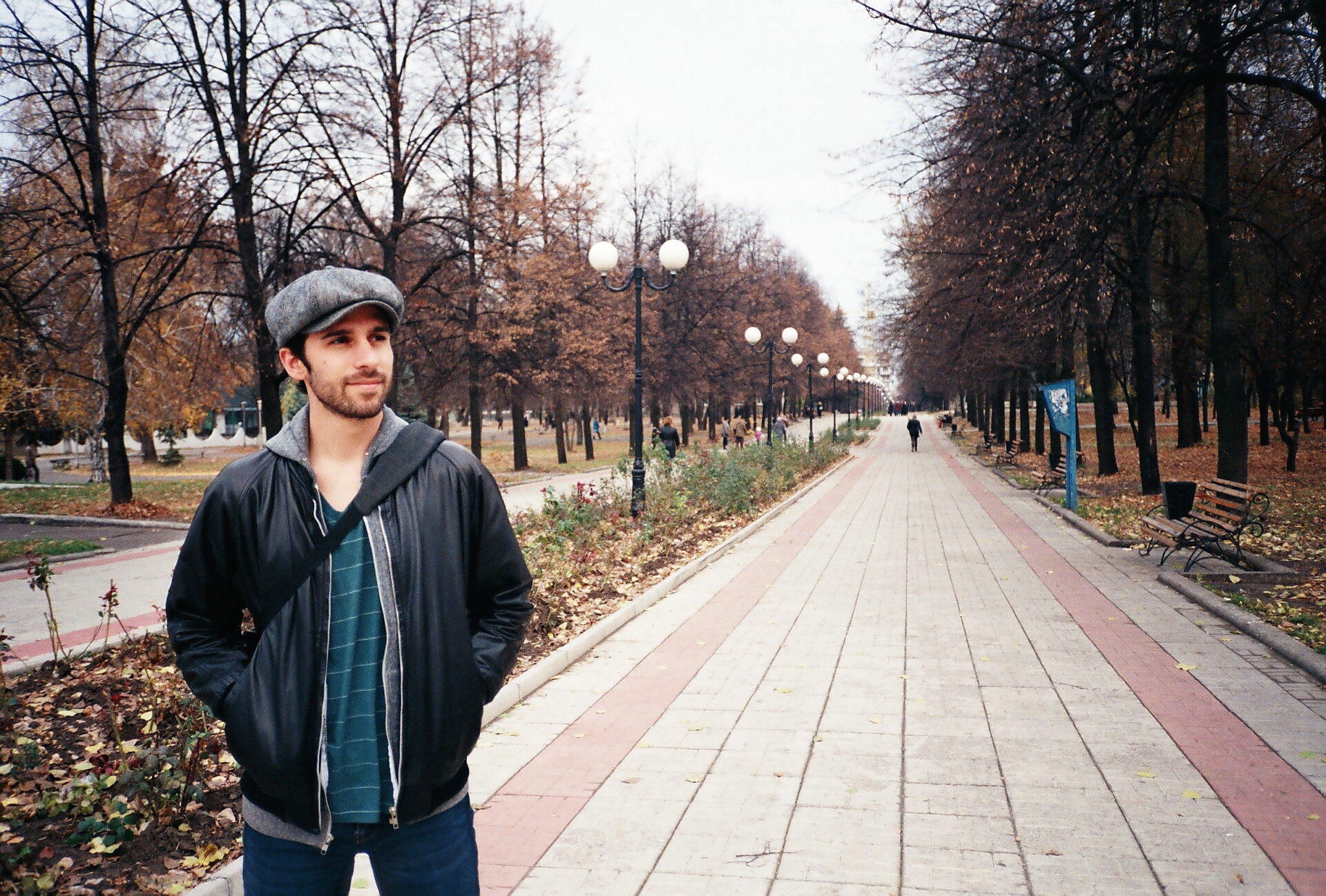
I got a letter in the mail one day that said congratulations, you will be a part of Peace Corps Ukraine. So, a few weeks later, I got on a plane to Washington and then to Ukraine. I arrived in Kyiv on April 1st, 2010, and, to me, it was all completely new. I don’t have family ties to Ukraine, I’m not ethnically Ukrainian, and so to me, this was a completely strange place, a new experience, and there was a very big learning curve because I didn’t speak Ukrainian or Russian. When I arrived, I first asked if I could go live and work in Western Ukraine because of what I had learned about Ukraine in the short period that I had to prepare before coming here. I liked the Carpathians region because I grew up in Oregon, where we have really beautiful nature, mountains, rivers, and it reminded me of Western Ukraine from what I had read about it.
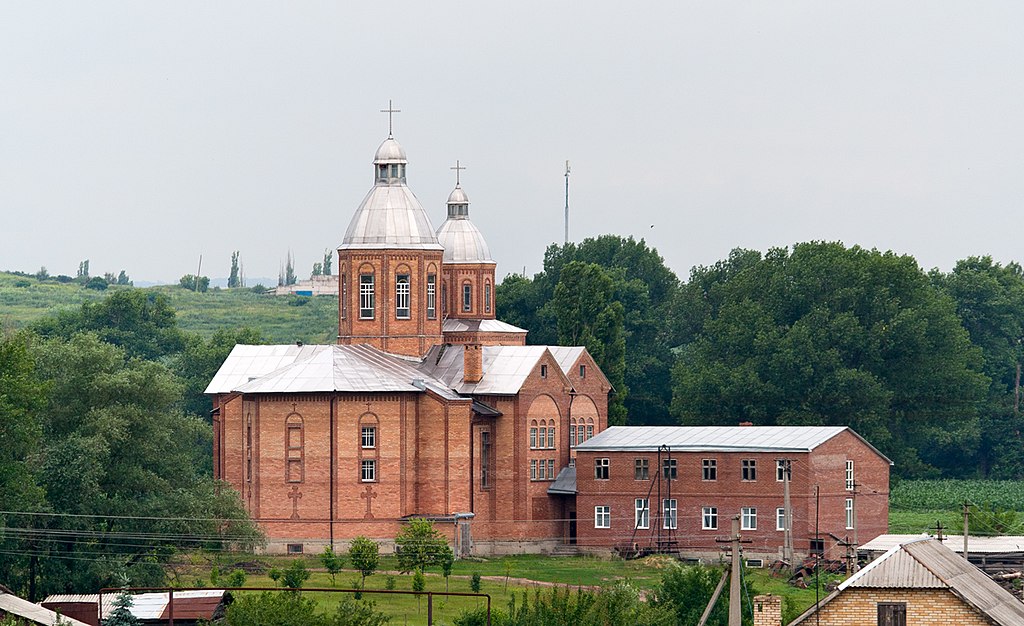
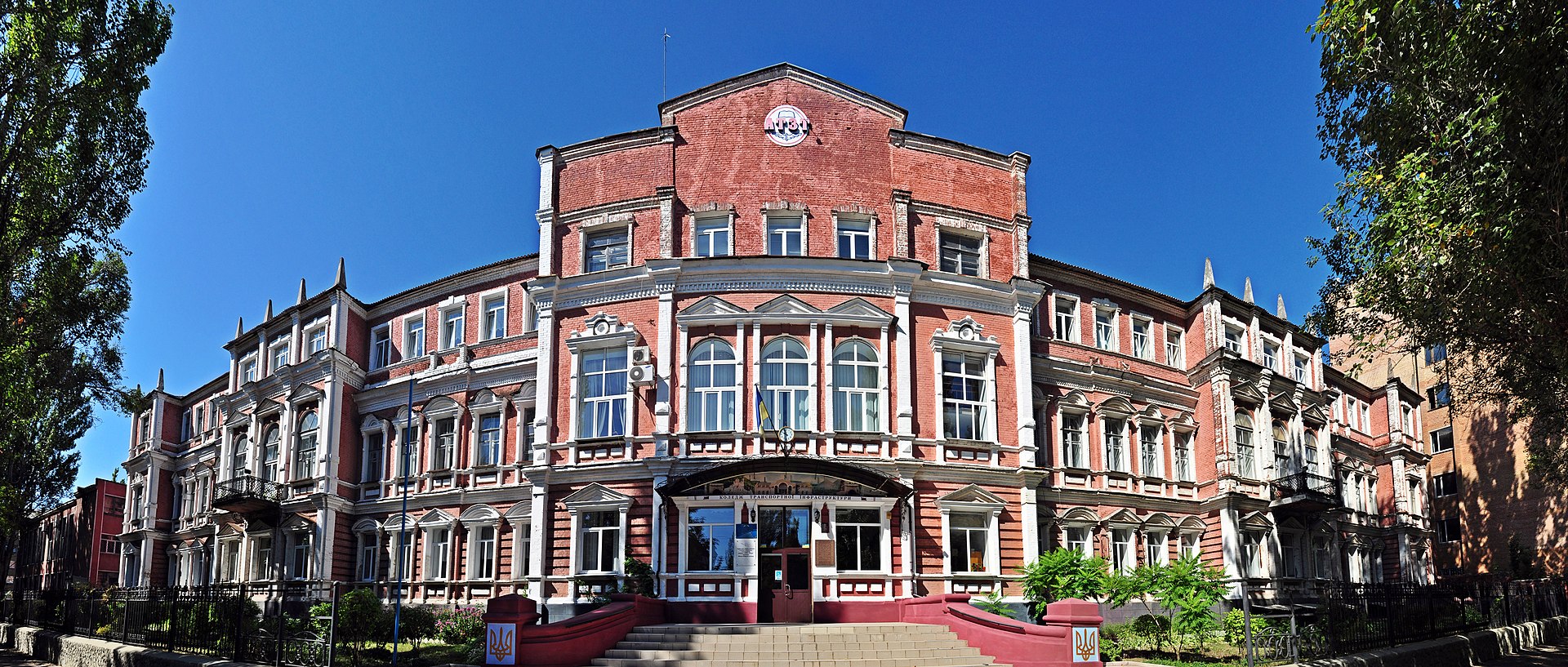
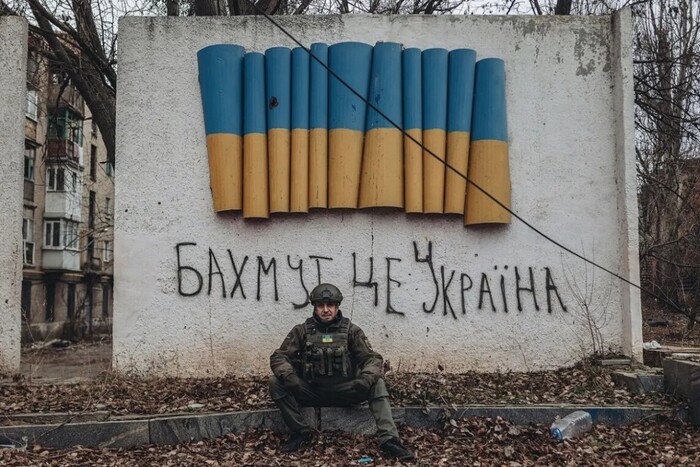
So, I asked to go to Western Ukraine and/or to Crimea because it was near the sea, and I grew up near the sea, and it had mountains on the southern coast. And, of course, with my luck, the Peace Corps program said no – we will send you to Eastern Ukraine, and you’ll go to a place called Donetsk oblast. Then I did some research and, you know, found out that it was not exactly what I had in mind about where I would live and work. Ukrainians, who I would work with for the next two years, took me to Bakhmut, which, of course, at the time was still called Artiomovsk. I lived and worked in Bakhmut and the nearby village of Ivanovskiy, which at the time was still called Krasnoye Selo, for the next two years.
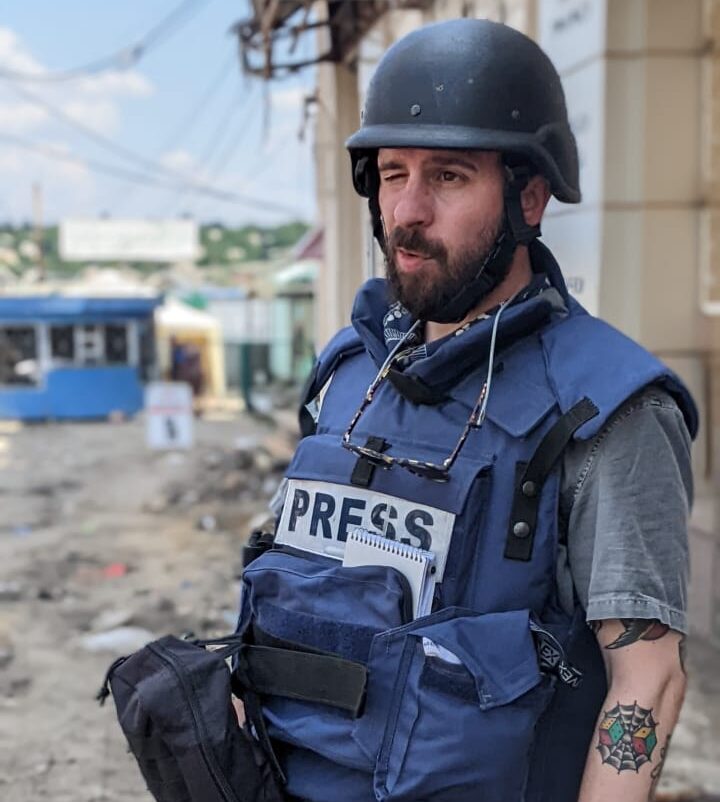
S.K.: What was your first impression of Bakhmut? This place became your native town for two years. Did you have your expectations of what you would see in this Eastern industrial region of Ukraine, or was it something very new that you had just learned from the ground?
C.M.: It was all very new, for sure. You know, I grew up in Portland, Oregon, which is technically a large city in the United States, but still, it’s not very big. I spent some of my youth in the suburbs of Portland, Oregon. Bakhmut, to me, felt sort of like suburban cities that I spent some of my youth in. It had beautiful parks. It was smaller than where I grew up, but I think it still had roughly 80,000 to 90,000; it felt like a living, breathing, working city with all of these sorts of amenities that I had in the United States, you know, theatres and great cafes and shops. But it was maybe a little less modern. So, you know, for example, the first year that I lived there, I didn’t have any internet in my apartment, which was certainly a change for me. You know, the pace of life was a lot slower, but I came into my experience with no preconceived ideas.
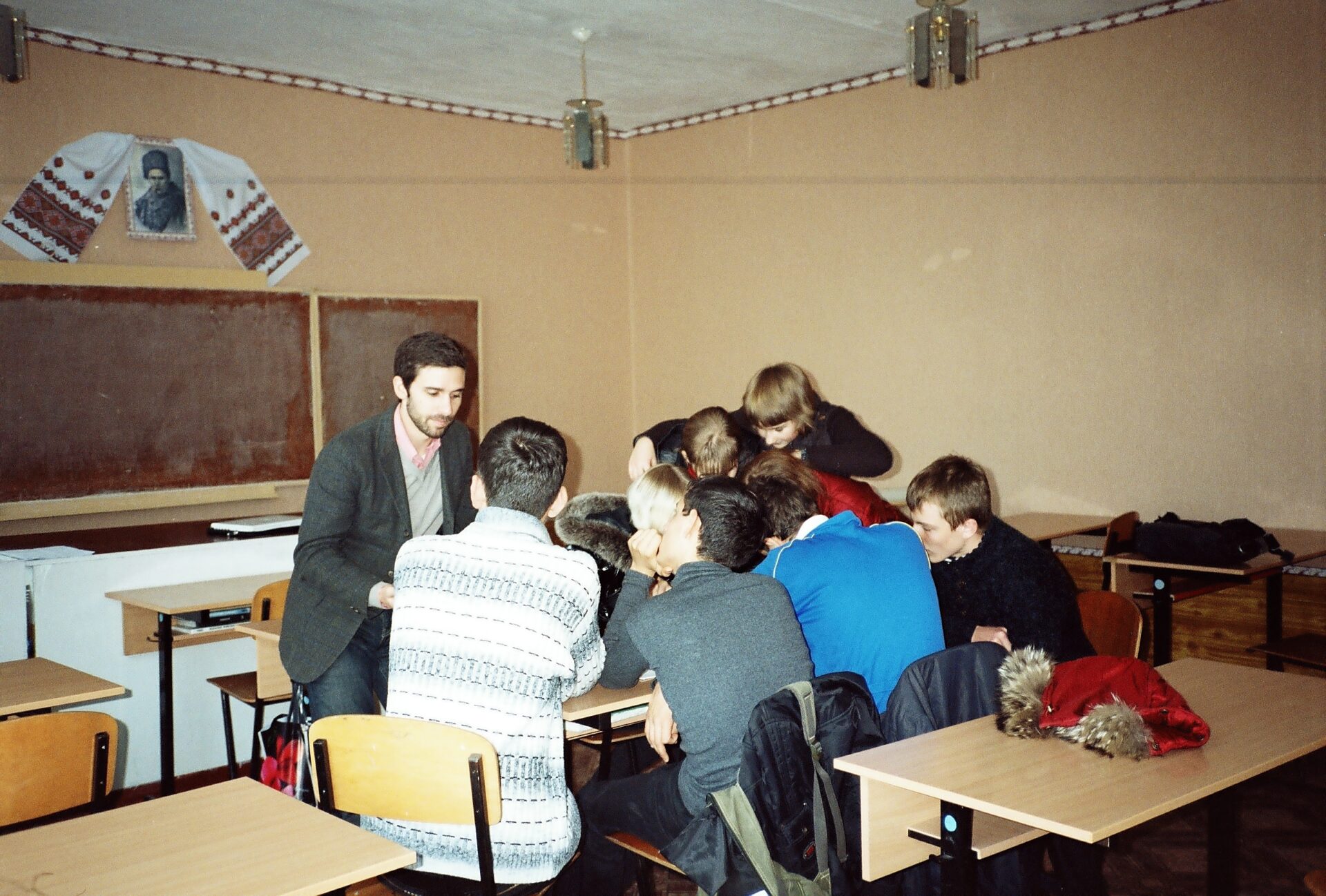
I wanted to come to Ukraine, especially to move to Bakhmut and work there with a completely open mind. I know some people who have done some travel abroad experiences and lived in new places and done the Peace Corps before. And their advice was always to not go into this experience thinking it’s going to be like something, you know, specific in your mind, right? I wanted to be completely open to new experiences. And so, as I write in my book, one of the ways how I remained open-minded and allowed myself to experience as much as possible to learn the language, learn the culture, get to know people and build relationships with people was to almost always with very few exceptions, say “yes” to every invitation, every request that I received. And so, saying “yes” to everything that was asked of me got me into birthday parties and weddings, government events, and sporting events. It got me into some tricky situations that I had to navigate as well, but it allowed me to become a part of the community very quickly, even as an outsider.
S.K.: What are the main differences between American and Ukrainian society, in your opinion? It’s frequently said that Ukrainians are different from Europeans and Americans; what difference did you feel at that time?
C.M: That’s a really good question. There are a few sorts of small things that I immediately picked up on. I’ll mention the first one of them, it was the view of personal space. The United States is a very big country. We have a lot of space, and you know we do not speak so close to each other. We give each other space when we meet, when we, you know, go out to cafes, when we greet each other or when we’re speaking face to face. Often, many Americans live in suburban homes with yards and garages. And, you know, I think the concept of space is very American, whereas in Europe, a lot of people live in apartments and condominiums, and there they are living more closely to each other. And that is true of Ukraine and when I moved into my apartment in Bakhmut and immediately started meeting people, everyone would speak very closely to me. Everybody felt as though it seemed that all space was sort of shared space.
There wasn’t the same concept of personal space that existed where I grew up, so that was the first thing that I noticed. It was very uncomfortable, and it took some time to become comfortable with it and to sort of shed my cultural normalities and live like Ukrainians live. But I think, more broadly speaking, Americans, I think that because we have a large functioning, although it is still not a perfect democracy, we plan for the future. Americans set money aside for their retirement, they plan their families, they plan their future travel. A lot of what we work for in America is thinking about our future, and what I found was that a lot of my Ukrainian friends did not think too far into the future at that time. They sort of lived for the day or tomorrow, and you know, thinking beyond the next week or month was not something that was very common, and I thought that was interesting to me. It seemed as though. It was sort of this holdover from Soviet times when ordinary people were sort of oppressed and kept down. [Only] 20 years after independence was still a very new concept, and I think at that time in 2010, Ukraine had not progressed as much as a new independent democratic country as it has now in the last 10 years.
I think that progress has taken off, and now when I speak with people, they feel, they seem and speak much less like I think Ukrainians did in 2010 because they’re more closely tied to the Western world and to European countries and many of the people I know have travelled to European countries, many have even travelled to the United States and even considering the war people are thinking about their families, people are thinking about a future free of Russia and the promise of what could be in Ukraine after the war. I say that understanding that there are moments like there have been in this week in which we’re speaking [6th of September] where there are so many Russian missile attacks and drone attacks, and it feels like the war will never end and the promise of tomorrow is not guaranteed. But I still think that Ukrainians, in the way that I’ve gotten to know them, are determined to fight for the future. Otherwise, there wouldn’t be the resistance that we’re seeing in Russia’s war of aggression against them.
S.K.: You have shifted into the topic of war, and my next question is, what was your first impression when you heard about the Russian full-scale invasion and did you were at that time in Ukraine? What do your friends or your family say about you staying in Ukraine?
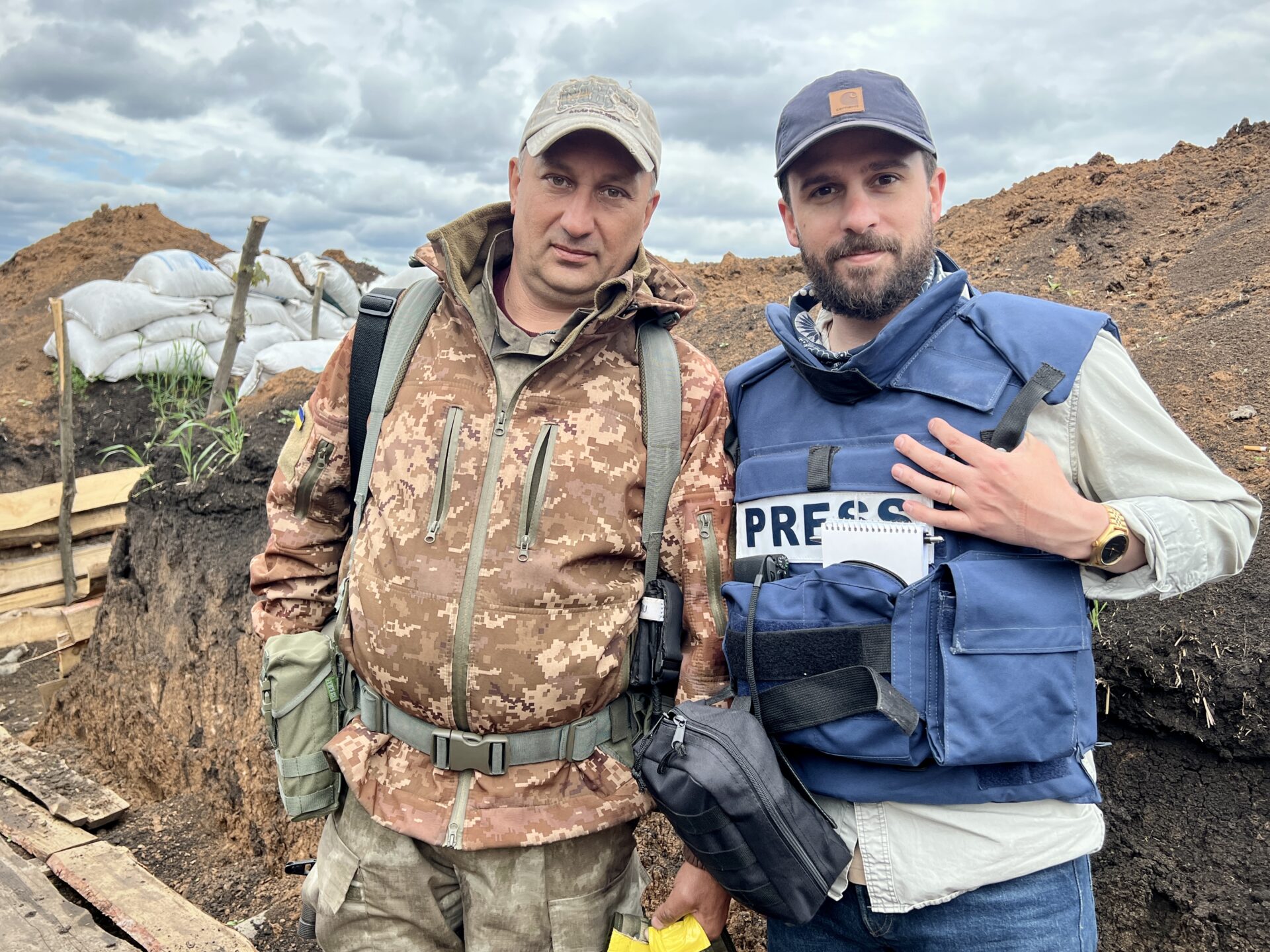
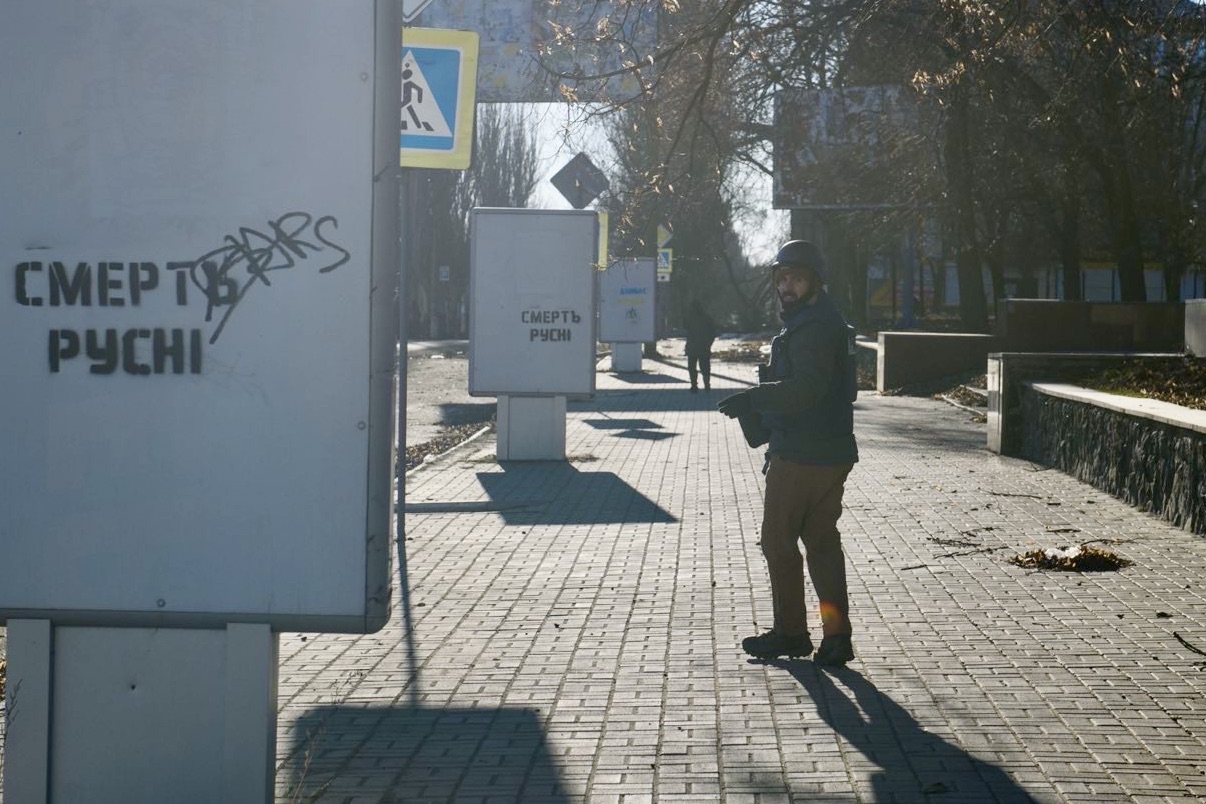
C.M.: Well, I have lived in Ukraine since 2010, and I have reported on the front lines since 2014, when Russia first invaded Crimea and then the Donbas. My family and friends know that my work here is very important to me. And that over the last many years, I have learned how to be a correspondent who is reporting on war. When the full-scale invasion began in 2022, I was prepared in the sense that I had all of the right equipment that I needed. I had the experience that I needed to know how to behave in a war environment, which I think I wasn’t prepared for. I don’t think anyone here in Ukraine or even outside of Ukraine was prepared for the scale of Russia’s invasion. I have my sources in the United States government and Western European countries who were warning that Russia could launch a full-scale invasion of Ukraine. But like many Ukrainians, I wasn’t sure it would be as big as it was.
I was sure that Russia would invade at least the Donbas again in a larger and bigger way, and that’s because, of course, the war had been there for so many years before 2022, but some days before February 24th [2022], calls from my sources who told me: “Christopher, look, you need to be careful: the Russians will invade, and we truly do believe that they will invade Kyiv”. I was convinced that something big would happen. I did not know necessarily still though if it would happen around Kyiv, so on February 24 [2022], I was actually in the city of Kramatorsk in Donetsk oblast at a hotel, and the missiles struck that morning and woke me up, and I jumped out of bed and got my team together. I had three other people with me, and we first got everybody safe into the bomb shelter of the hotel, then we notified our family and friends back home what was happening and let them know that we were safe, and then we decided between our team that we would drive very quickly back to Kyiv. We could see what was happening around the capital, believing that you know whatever was happening in Kyiv, in Kyiv oblast, could very well decide the outcome of the war.
S.K.: What moments in the past two and a half years in the war in Ukraine do you consider the most important? What was important for you personally and maybe in the scale of worldwide politics? What shocked you?
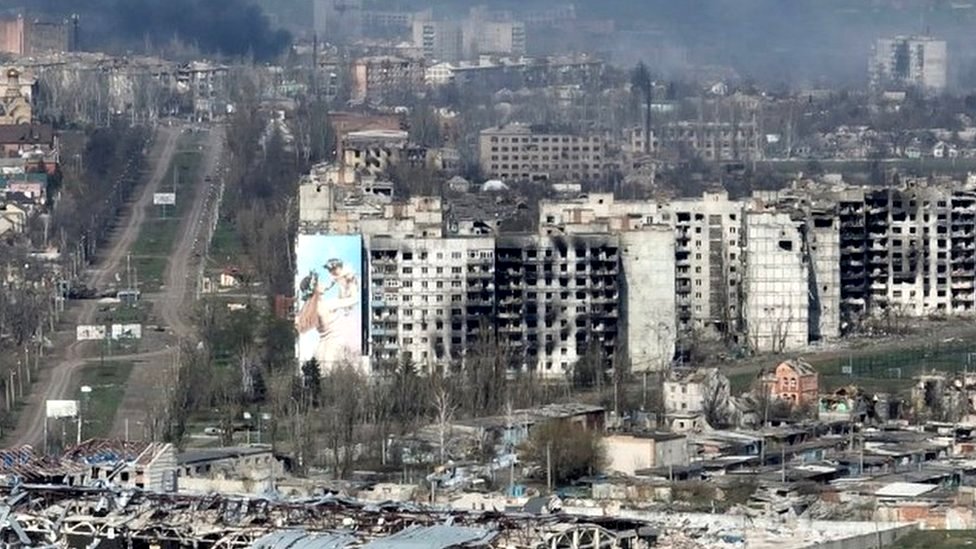
C.M.: There are a lot of different ways I can answer that. I guess, you know, first I will say I’m relieved that all of my good friends and acquaintances, who I knew from Bakhmut and in nearby cities in Donetsk oblast, were able to leave safely and they have now moved to other places in Ukraine or have gone abroad, and they’re safe. So, I was very relieved at that. But in terms of what shocked me, I mean, the scale of the invasion in the first weeks was shocking, of course.
I think the next great shock to me was what happened in Bucha and the massacre of Ukrainian civilians by Russian soldiers. I think that shocked me; it certainly shocked Ukrainians, and it shocked the world and Western leaders as well. And I think that marked a very significant point because for the first three weeks, a lot of Western governments, including my country’s government in the United States, didn’t know if Ukraine would survive the first several days or several weeks of Russia’s full-scale invasion. When Ukraine did survive that first month and managed to push Russian soldiers back out of the capital, that was remarkable. But what was found in the aftermath of that operation in Kyiv was horrific, and it galvanised Western support. It got the United States, the United Kingdom, Germany, all the other European nations, and NATO nations on the same page. And got them to decide collectively on this massive amount of military and financial support for Ukraine. Ukraine showed that it could resist one of the largest armies in the world. It also showed what atrocities Russia was capable of, and that was a huge turning point in getting Western support.
Surprises were, of course, the Kharkiv offensive by the Ukrainian military in 2022. I watched with great surprise and certainly cheered on the offensive as Ukrainian forces took back all of the territory that had been lost early in the war in the Kharkiv region. I think since then, it’s been a lot harder for Ukraine, and we’re at this critical moment right now where the support that I mentioned from my country and other Western countries needs to increase. Ukraine has shown that it can fight and that it is willing to fight even at great cost to its people. But it needs more support, and so I’m hoping that maybe the next big surprise will be Western governments and the American government, in particular, saying, okay, we are going to provide you with a lot more weaponry and more support because maybe now they will believe that is what can turn the tide of the war.
S.K.: What prompts you to continue covering the war in Ukraine for Western readers and viewers? What is the resource for you to keep doing it?
C.M.: As I said at the beginning of our conversation, I’m not Ukrainian, but I’ve lived here for a very long time, for 14 years. When I’m 40 years old, that’s a third of my life I’ve spent living here. I have a lot of Ukrainian friends, and I consider this to be my adopted second home. I care very deeply about what happens to Ukraine and what happens to my friends. So, I feel a responsibility to continue reporting about what is happening. Over the years the Western media and other Western governments oftentimes start looking away at other major global events, and they tend to sort of forget about Ukraine at moments when Ukraine needs support. So, part of my job as a journalist is not only to report the news but, I think, also to try to keep Ukraine as one of the main focuses of the United States and the European Union and policymakers in those places who can help Ukraine and have an impact on its progress going forward. So that’s why I stay here. It’s a job that I think is important. I think that because of my experience here, I’m well-positioned to do this work, and I feel like I have a personal stake in it because I have been here for such a long time and have those deep connections with people and places here.
S.K: Well, tell us about your book about Ukraine. I found out that this book was published in English in Ukraine in 2023. What was the main idea behind publishing this book, and who is the reader of this book? Is this book more interesting for the European-American reader or could this book be interesting even for the Ukrainians? Do you plan to translate this book from English to Ukrainian or other languages?
C.M.: The book is translated into Ukrainian and it is being published this month. I think it’s available now. So, if you go to the Fabula website [Fabula is a publisher from Kharkiv] – it’s now available online, and I think it’s starting to show up in some bookstores around Ukraine. Really, the book was written for a Western audience. It was written in a way for them to learn about Ukraine similarly as I did. So the book is not only about the full-scale invasion, and it’s not only a book of reporting or history.
It’s instead a book about my journey through Ukraine and how I learned about the country, how I learned about the people and my experiences and then woven in, of course, are all of the major events of the past decade: Russia’s invasion and annexation of Crimea, the war in the Donbas, the Maidan Revolution and the full-scale invasion, with stories of Ukrainians who I met along my journey through Ukraine and during my reporting time here. So that Western audiences can get to know the people who I know in Ukraine. So, it’s stories about politicians and Ukrainian officials, but even more, it’s about ordinary people, about life in Bakhmut, about life before the full-scale invasion, even before the Maidan. And then it takes my audience through all of these events so that they can understand them in the context of today and know how we got to the period that we’re in now – of Ukraine trying to fight back against Russia’s full-scale invasion. So, the audience is, of course, the Western reader, which is why it was written in English first.
But the Fabula publisher reached out and asked if they could translate it, and, I think, for a Ukrainian audience, there’s a lot in the book that, of course, is familiar to Ukrainians because it’s Ukrainians who experienced firsthand: the Maidan Revolution and Revolution of Dignity, and it’s Ukrainians who know firsthand the war, and they know the people who have been killed or injured in Russia’s war of aggression. But I think what they will learn is how we journalists are presenting the events here to our Western readers. I think it will provide a sort of international perspective and a broader perspective, but I do hope that there will be some stories of Ukrainians who have done extraordinary things for their country that maybe they haven’t read about.
Maybe they heard about it but didn’t know the whole story. I also have done some things in my time as a journalist here that other journalists have not, right? I’m the journalist who found the launch site for the Buk missile [system] that shot down MH17 in 2014. I discovered the first evidence of war crimes in 2014 by Igor [Strelkov[ Girkin in Sloviansk. I’ve done several things as a journalist that nobody else has, and they are written about in this book. I would also say, there is one more audience for this book that I think is important. It is young journalists who are thinking to themselves about wanting to cover war or wanting to be a correspondent or writing for international media.
I was a journalist back in the United States, before I came to Ukraine, like I told you earlier, but I never planned to be a foreign correspondent. And I never thought when I was younger that I would be a war correspondent. And so, this was all new to me. And I think in the book, I speak about how I went from being not totally naive but inexperienced as a correspondent to becoming a correspondent now working for one of the top newspapers in the world and covering one of the biggest stories in the world.
S.K.: So, it’s like the eyewitness point of view, and it’s a little bit of an outstanding point of view because if you live in Ukraine, all these things happen in Ukraine it’s very personal to you. It might be personal for you. But you have other optics to see it more clearly. And maybe my last question: you know that I represent the Ukrainian Review, it’s a media, it was an internet project, and now we publish the magazines, and our main goal is attracting more Europeans and Americans to read about Ukraine, to continue supporting Ukraine because, you know, the war, unfortunately, goes on. So, how do we convey to Western readers and viewers the importance of supporting Ukraine? What can you say to these people in the United States of America? Why do they need to support Ukraine? It would be great to hear your thoughts like an American, like a citizen of the United States of America and also like a journalist who has worked many years in Ukraine?
C.M.: That’s a really good question. A lot of people have asked me that. I think there are several things that Ukrainians can do and that Western allies or journalists or people who are familiar with Ukraine can do to help others become more familiar. So, since we’re talking also about books, I’ll mention one thing that I think is a very positive development, and that is while I’m an outsider still, even though I’ve been in Ukraine for many years. I’m an American citizen, I’m not Ukrainian. I published a book in Ukraine that I think is pretty good, and it provides a valuable perspective. But now, fortunately, there are many books being published in English by Ukrainian writers. And that was something that wasn’t really a trend before the full-scale invasion. But now, you have several books by Ukrainian authors that have been translated, published first in Ukraine, and then translated into English and published recently.
I do recommend to friends of mine in America and in Europe the Oleksandr Mykhed book “The Language of War”, which was a bestseller in Ukraine. Now, it is published in English and available in the UK and probably across Europe. Another is Yaroslav Hrytsak’s book. I think it’s a great historical account of Ukraine, it’s easy to read and easy to understand for outsiders. He has a great voice and writes very clearly about events and puts history in context. So I think that’s a positive thing. And beyond that, for journalists, I think it’s important that Western media not forget this story, they have put more resources into writing about Ukraine since the full-scale invasion. We now have several bureaus that have opened in Kyiv. So the New York Times has a permanent Bureau here, the Washington Post does, the Wall Street Journal does. I’m working for the Financial Times. We’re full-time here writing all the time. This is a positive development. I would hope that more media will invest in covering Ukraine and what that translates to is more people reading about Ukraine in their newspapers back in America or back in Germany or the UK. For Ukrainians, I think what has been done and what Ukrainians are very good at is this younger generation, Generation Zoomers and Millennial Ukrainians are very good at using social media, and also they have learned English and speak English at a level that is much higher than when I arrived in 2010. They’re able to communicate online with people you don’t have to know, you know, get on a plane to travel so far as Brussels or something to speak with people abroad.
I think they are doing a good job at conveying to the rest of the world what they’re experiencing here and what needs they have, what help is required here. In terms of practical advice, like what more can be done. I mean, I really do believe in conversation and conversing with people and talking to people and getting off the internet. So, you know, meeting with people in person if it’s possible, another thing could be trying to connect, trying to connect through online platforms like yours, right? You publish in multiple languages and you speak multiple languages. I think a good thing that has also happened that is helping reach other people is Ukrainian media are now publishing not typically not in Russian and Ukrainian like it was before, but in Ukrainian and English. And instead of going always to the Financial Times website or the New York Times website or the BBC, a lot of people who are now following Ukraine very closely have learned that they can go to the English language sites of Ukrainian Pravda or NV or the Kyiv Independent or The Ukrainian Review and get news in English from the people who are experiencing what is happening here firsthand. So, those are all positive things.
I think there are other things that have happened, that have really helped to educate the rest of the world or, you know, people outside of Ukraine. And I think it should be remembered that it’s not just news and writing about or talking about the latest Russian missile attacks that have killed dozens of people, but sharing information about Ukrainian culture is a really great way to get people on your side and to get people to learn the importance of supporting Ukraine. So, for example, there are some terrific Ukrainian bands and artists who I think are fantastic and they tour globally. Dakha Brakha is one of them. I love their band. I listen to their music all the time and they’re travelling around the world. Other music artists are, too. There are some great Ukrainian contemporary artists who have exhibits now in London or in New York, and so those are really positive developments and things that are going to help Ukraine share its culture abroad. And, by doing so, hopefully, find the sympathetic eyes and ears of people abroad who will understand why it’s important to support Ukraine in its fight against Russia.
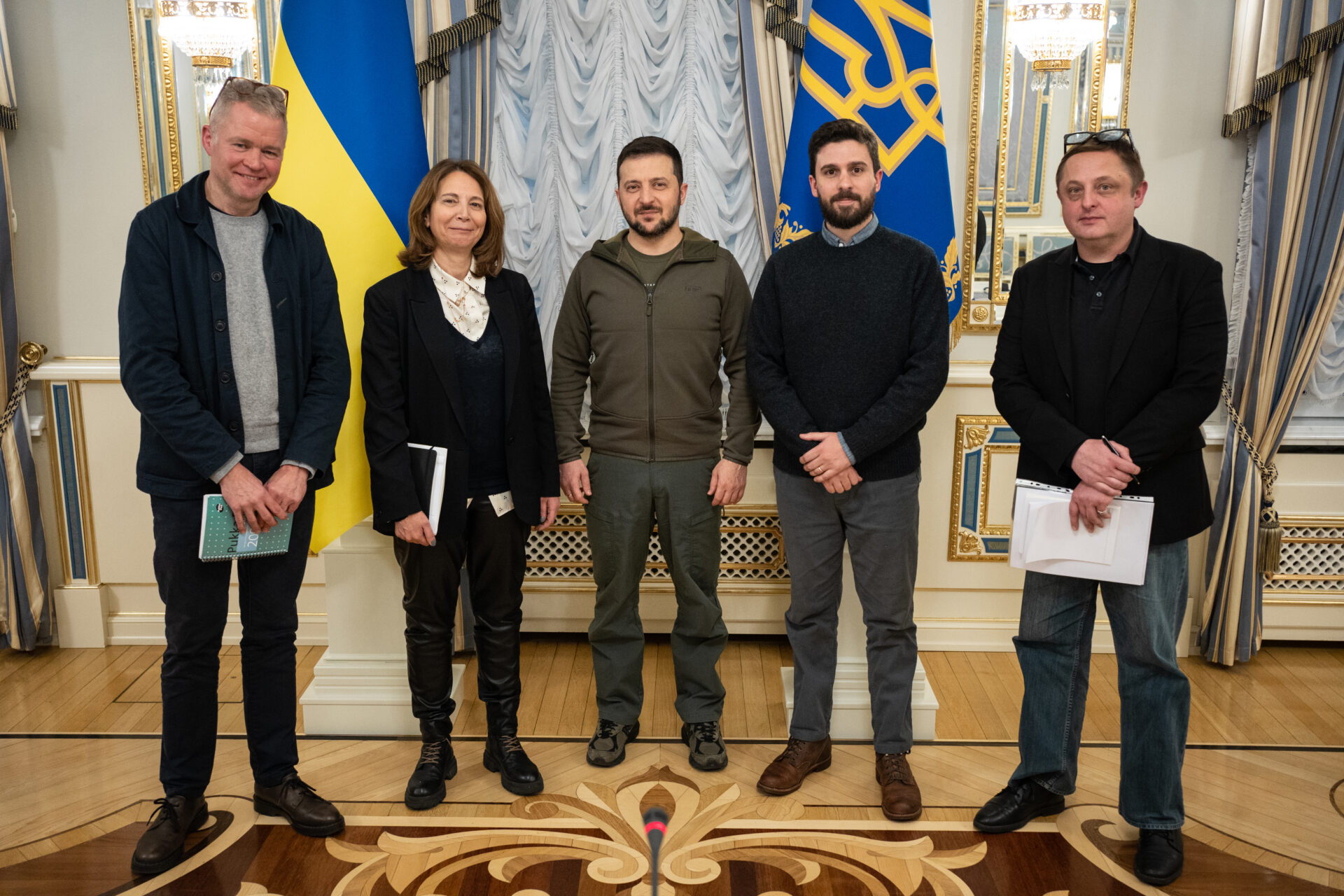
S.K.: I thank you very much for your time and for your explanation. Because it’s very important for us to hear this feedback and to understand that we are not alone in this fight. After the end of the war, there will be a path to restore Ukraine. And, of course, Ukraine will already be part of Western European society. And perhaps even the European Union. And in this case, English-language Ukrainian media will be in great demand.
C.M.: Of course, I think you made one good point. I would add that, the war obviously is terrible, people have lost their lives, and it’s doing horrific things, but if there’s any good that has come from it, it’s that more of the world now knows about Ukraine and Ukrainians and culture than they did many years ago. You mentioned 2010, and we talked a lot about the kind of time when I arrived here. I think a lot of Western coverage then was still about stereotypes, and it didn’t really understand who Ukrainians were, and it really didn’t paint the best picture of what the country wanted to become. But now, a lot more of the world knows where Ukraine wants to go, what Ukraine thinks and feels, and where they see themselves in the context of the world. And so, I think, that’s a positive thing. So when you said the reconstruction of Ukraine will begin after the victory, I think when the war is over, that really is like the beginning of the story, right? That’s when Ukraine now is going to be on this, on this path of reconstruction and looking toward the future and building the country that they’ve fought so hard for. So it’ll be even more interesting, I think, at that point to write about Ukraine.
Interviewed by Stanislav Kinka
Edited by Iryna Kovalenko