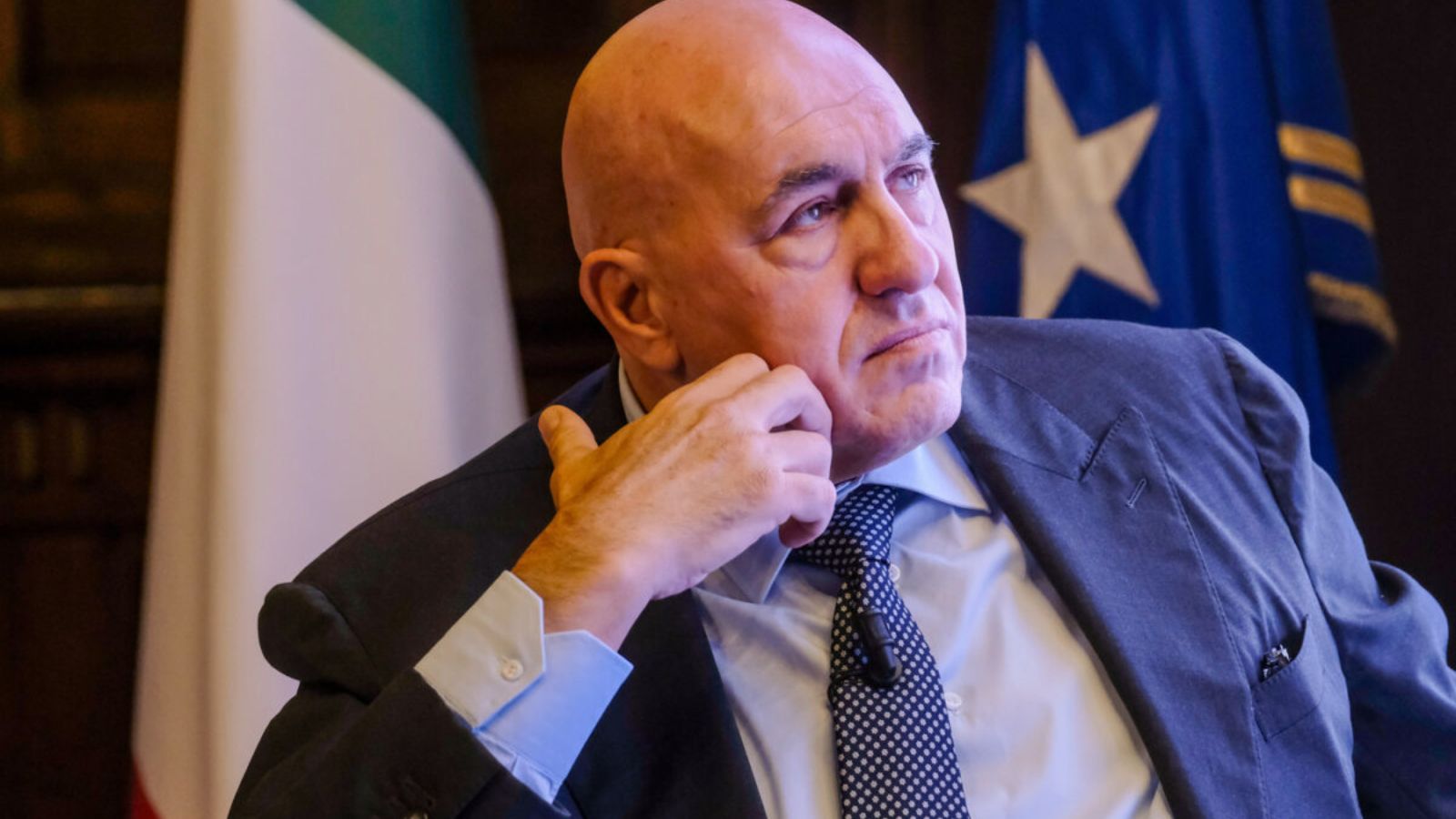


Italian Defense Minister Guido Crosetto dismissed the possibility of early elections following the government’s defeat in a referendum on justice reform. He emphasized that responsibility toward international crises, specifically the war in Iran, demands executive stability. Crosetto urged political factions to support Prime Minister Giorgia Meloni during this volatile period.

The Minister reported these views in an interview with La Repubblica. He stressed that calling for the government’s resignation is irresponsible while the world faces a potential global conflict. According to him, the Italian Constitution mandates a five-year term, and now is not the time for domestic political maneuvering. He also rejected claims that the referendum results stemmed from Meloni’s alignment with Donald Trump.
Diplomacy and the resistance of the weak
Crosetto addressed demands for the government to distance itself further from the Trump administration’s military actions.
“We did not agree with this war, and no one asked for our opinion. The duration of wars depends not on the strength of the strongest, as we see with the example of Ukraine, but on the resistance of the weakest,” the Minister stated.
He noted that Iran is larger than Ukraine, with a vast population, requiring Italy to play a role in a diplomatic solution. Crosetto ironically remarked that some portray Iran as “Luxembourg with less rain,” oversimplifying the geopolitical reality.
The Minister also commented on recent government resignations, including Daniela Santanchè. He described these moves as a sign that the government heard the voters’ message, yet he defended the principle of the presumption of innocence. In his view, the opposition remains fragmented and capable only of “No” votes, offering no viable alternative to the current administration.
Previously, The Ukrainian Review reported that Donald Trump stated his intention to seize Iran’s oil assets, specifically mentioning Kharg Island. This statement caused significant alarm among European allies regarding future energy security and regional stability.