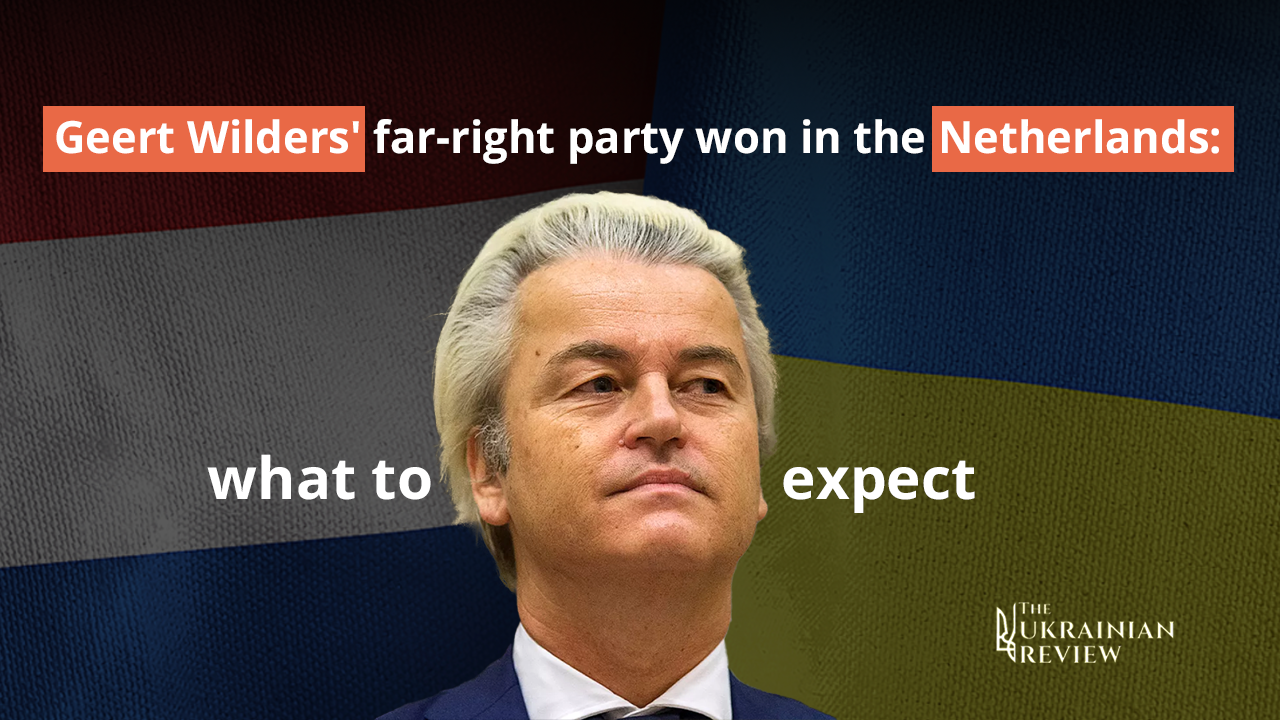


In November 2023, the PVV party [Party for Freedom – ed.], led by the far-right politician Geert Wilders, won the parliamentary elections in the Netherlands and received 37 seats out of 150 in the parliament. Four years after Russia annexed the Crimean peninsula, he traveled to Moscow and met senior Russian officials. Now he speaks against aid to Ukraine. He is also called the “Dutch Trump” due to his visual resemblance, fiery rhetoric, and active use of social media.
Geert Wilders: political views and statements
Gert Wilders is against Ukraine’s accession to NATO and providing further military assistance. It is worth noting that, according to the data from the Kiel Institute for the World Economy, the Netherlands ranks 8th in terms of the amount of military aid provided to Ukraine between January 24, 2022, and July 31, 2023.
The politician openly opposes the EU and seeks to block the accession of new members. In Brussels on December 14, 2023, a decision was made to initiate negotiations with Ukraine regarding its accession to the European Union. However, it remains to be seen whether Ukraine will face challenges in the subsequent stages of EU integration due to the position of the Dutch Prime Minister.
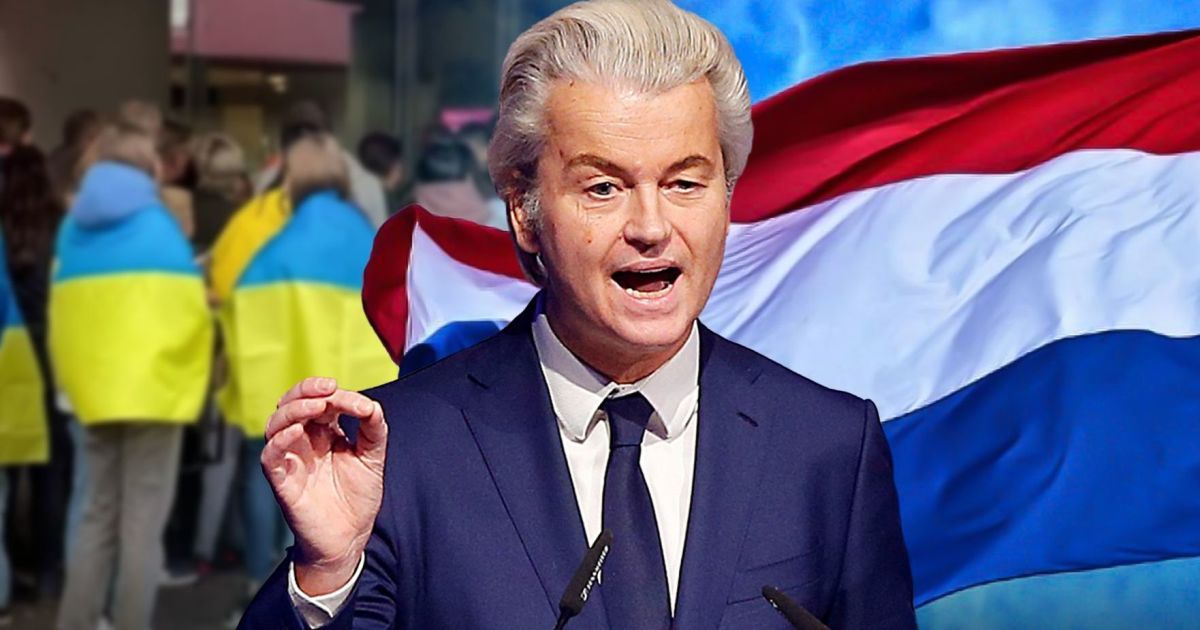
Gert Wilders also advocates for ending the provision of asylum for refugees and the free movement of labor within the EU. Should Ukrainian refugees in the Netherlands be concerned about this?
Gert Wilders has criticized sanctions against Russia, stating that Dutch people can “learn patriotism” from Russia. He argued that Moscow didn`t pose a threat to the Netherlands and expressed opposition to russophobia.
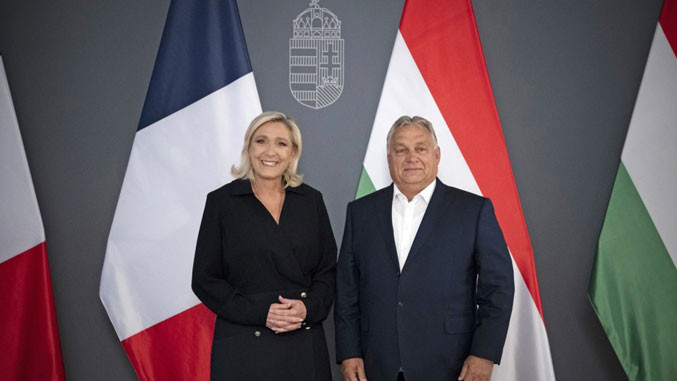
It is noteworthy that Gert Wilders was first congratulated on his victory by the Hungarian Prime Minister Viktor Orban and the leader of the French far-right party Marine Le Pen. All of them sympathize with Vladimir Putin.
According to reports from Politico, Gert Wilders currently has the best position to become the next Prime Minister of the Netherlands.
Can Gert Wilders lead the new government of the Netherlands, and will it then reduce the country’s assistance to Ukraine?
To form a government, Wilders needs a coalition with 75 deputies. Therefore, he has to unite with opponents.
“If before the parliamentary elections other parties ruled out such a possibility, now the liberal VVD and the centrist “New Social Contract” may take this step,” – write journalists from Babel.
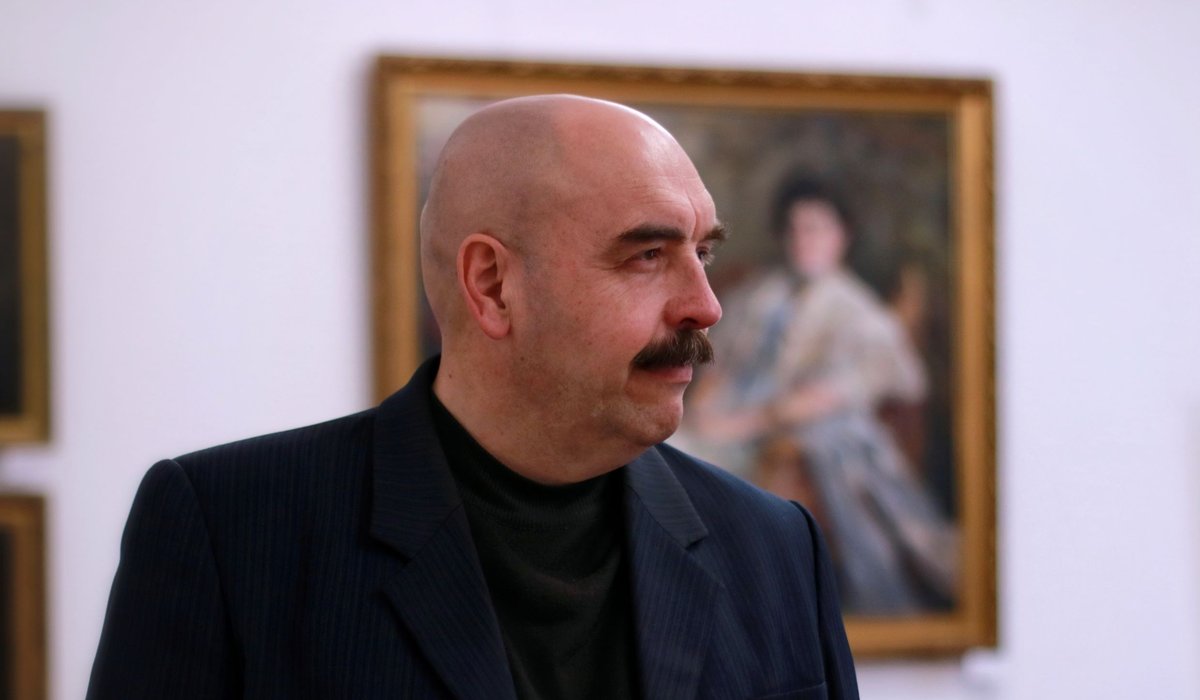
Political expert Yevhen Savisko shared insights on Wilders’ chances of leading a new government and the potential consequences:
“Gert Wilders has a significant chance of heading a new government. However, it will all depend on the results of political negotiations between the winning parties. Another factor influencing the appointment of the prime minister will be the situation within the EU.
If Mr. Wilders leads the government, it will pose a new danger for Ukraine, similar to the situation with Hungarian Prime Minister Viktor Orbán.
However, when assessing potential risks, it’s important to understand that in the Netherlands, they haven’t forgotten the victims of the plane shot down by a Russian missile. That’s why the current government provides significant assistance to Ukraine.
Regardless of who leads the government, they will be compelled to take into account the sentiments of the population.
In addition to emotional factors, there are pragmatic considerations. The Netherlands has already invested so much in aiding Ukraine that halting assistance would mean squandering those efforts. In civilized countries, such a step is unlikely to be taken.”
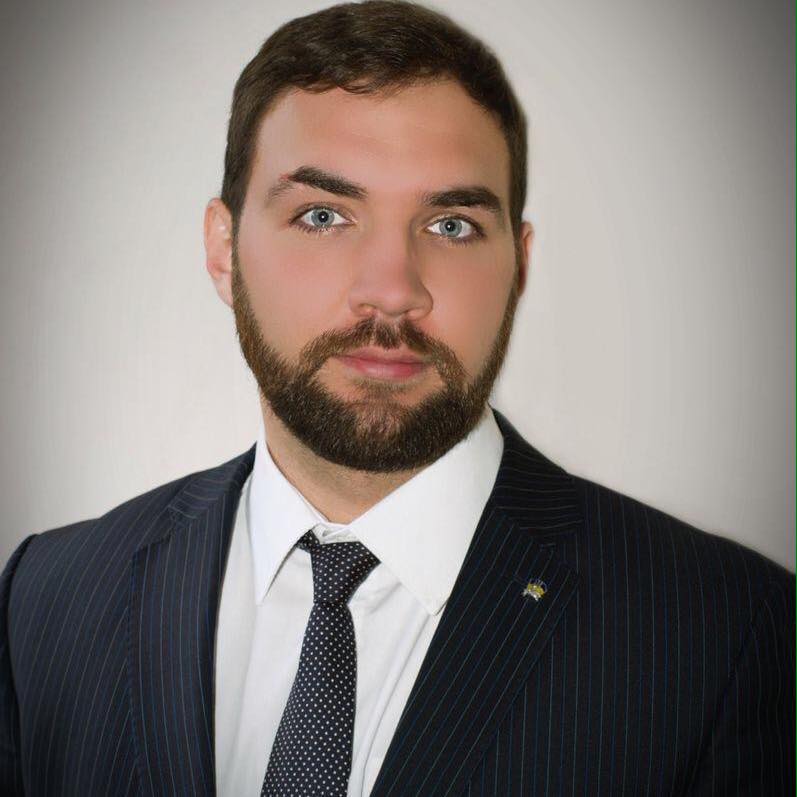
“The victory of Geert Wilders in the parliamentary elections in the Netherlands poses a serious threat to Ukraine. Wilders is an open supporter of Russian President Vladimir Putin and opposes providing assistance to Ukraine.
If Wilders becomes the Prime Minister of the Netherlands, it may lead to the following consequences:
- Reduction of pressure on Russia: The Netherlands is a member of the European Union and NATO, supporting sanctions against Russia and other measures aimed at pressuring Russia. If Wilders becomes the Prime Minister, he may contribute to weakening the pressure on Russia, allowing it to continue the war in Ukraine.
- Strengthening Russia’s position in Europe: Wilders’ victory may be perceived as a victory for Russia in the Netherlands. This could strengthen Russia’s position in Europe and make it more aggressive.
However, not all experts believe that Wilders will be able to fully implement his plans. Perhaps he will be forced to compromise with other parties to form a government. Additionally, the Netherlands is a member of NATO, and other alliance members may not allow Wilders to undermine their efforts to assist Ukraine”, – adds Dmytro Franchuk, a political analyst.
Risks for Ukraine’s EU Accession
“Statements by Geert Wilders, the leader of the pro-russian “Party for Freedom,” are primarily aimed at the domestic audience and as a form of pressure on the leaders of the European Union. However, they should be approached calmly and without panic, for several reasons.
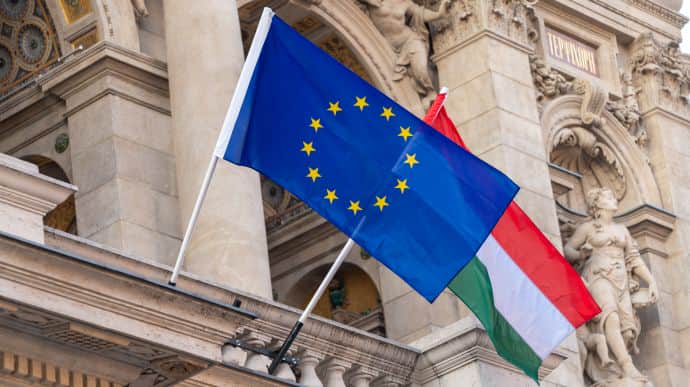
Firstly, the EU has already begun preparations to amend its founding documents, allowing important decisions, such as admitting a new member state to the European Union, to be made by a majority vote. This means preventing the right of veto by one or a few countries. Ongoing disruptions and blackmail by Hungary have become tiresome for everyone and have led to decisions being made to counter such actions.
Secondly, the process of Ukraine’s accession to the European Union could take years, if not decades. At that time, the views, and positions of Geert Wilders will be unknown. Perhaps he will transform into an active advocate for EU enlargement and an ally of Ukraine,” – believes Yevhen Savisko.
“Wilders consistently maintains a negative position regarding Ukraine’s European integration. He was one of the initiators of the infamous 2014 referendum opposing the ratification by the Dutch Parliament of the Association Agreement between Ukraine and the EU and the Free Trade Agreement. However, inevitable issues on the path of European integration need to be addressed as they arise. Wilders has not formed the Dutch government yet, and it remains uncertain whether he will do so at all. However, internal political crises in any EU country weaken the community as a whole and push discussions on EU expansion off the agenda.
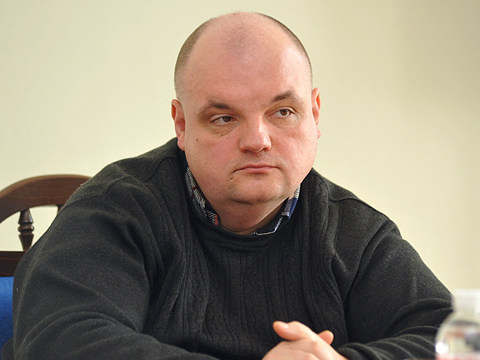
Therefore, with the current composition of the European Commission and the European Parliament, a Road Map for negotiations and their priorities should be determined,” – adds Andriy Martynov, a leading researcher at the Institute of History of Ukraine, National Academy of Sciences of Ukraine.
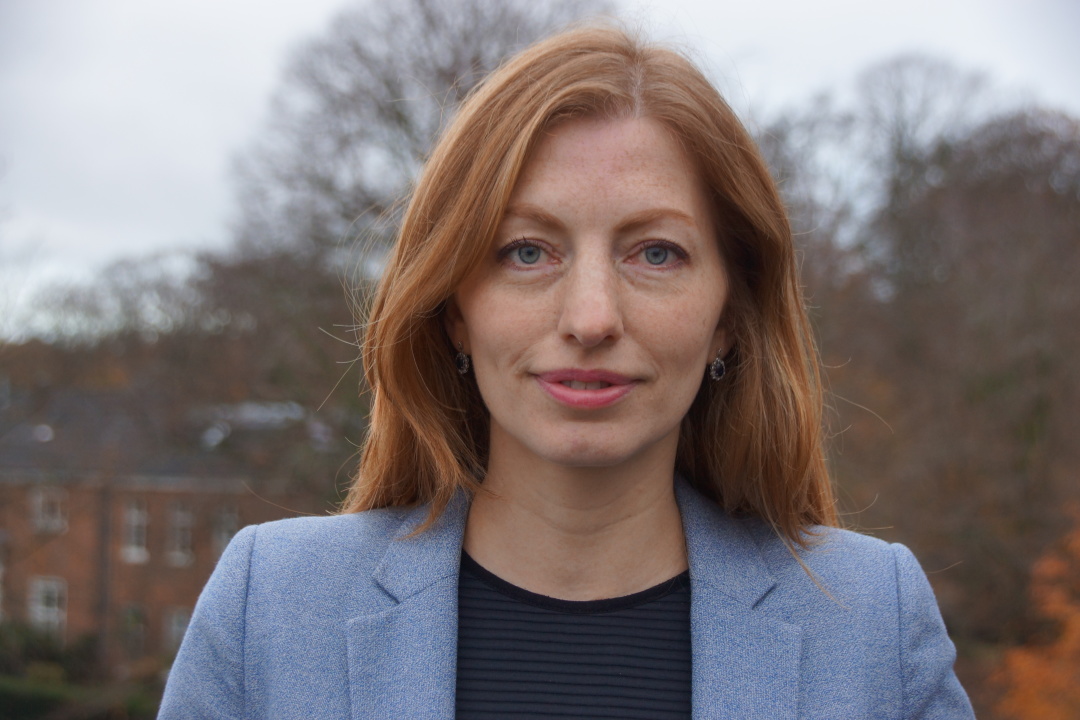
Regarding Geert Wilders’ victory and the current situation in the Dutch parliament, we spoke with Julia Soldatiuk, an expert from the Clingendael Institute of International Relations in the Netherlands.
How did Geert Wilders manage to win?
The victory of the Party for Freedom (PVV) in the Netherlands is the result of the disappointment of a segment of the Dutch population with parties such as the VVD (formerly Rutte) and D66 (formerly Kaag). This is a portion of the population that does not feel that their interests are represented in politics and is inclined to vote for populist parties and parties opposing the establishment.
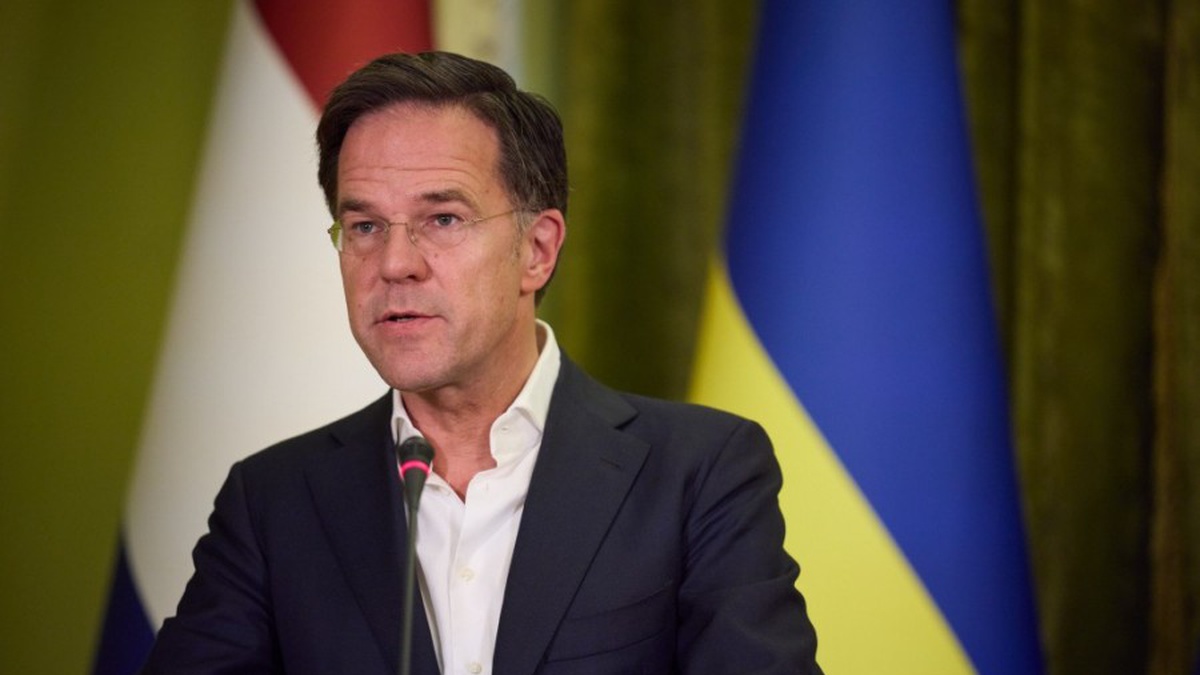
What changes can be expected in Dutch politics regarding Ukraine?
While the coalition-forming process is underway (currently in the second phase, where agreements on key domestic and foreign policy issues are being made), the outgoing government continues its work. Rutte’s position on supporting Ukraine is quite clear, as he explicitly stated to the new parliament. We also see this in how the Netherlands voted in the Council of Europe regarding the start of negotiations with Ukraine on integration into the EU. With the existing caretaker government, significant changes in policy towards Ukraine are not expected.
What about military support?
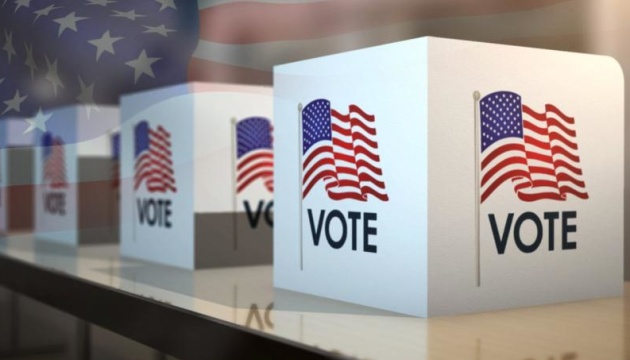
Continuation of military support: Agreements made by the Netherlands at the international level will be honored. New decisions regarding military assistance will depend, to a large extent, on the results of the U.S. elections and U.S. policy in this regard. Another aspect is that the EU currently produces insufficient weapons to meet Ukraine’s needs. There is currently a trend where it is easier to reach agreements on military support than on budgetary and reconstruction matters at the EU level.
What is the attitude of the Dutch population towards the Russo-Ukrainian war?
The coverage of news about Russian aggression against Ukraine has entered a phase where it is no longer the headline of the day from the perspective of media coverage in the Netherlands. There is still broad support for Ukraine among the population, but the dissemination of narratives such as a decrease in support for Ukraine in the West and a lack of understanding of why Ukraine continues to defend itself despite significant losses have an impact on public opinion. On the other hand, there are enough journalists and experts in the Netherlands making efforts for objective coverage of events.
***
Geert Wilders has anti-Ukrainian sentiments and opposes halting the supply of weapons to Ukraine. In the event of his election as prime minister, the situation may indeed become more challenging for Ukrainians. However, the formation of a government led by Geert Wilders is currently ongoing, and the final outcome is still unknown.
Anya Ostymchuk