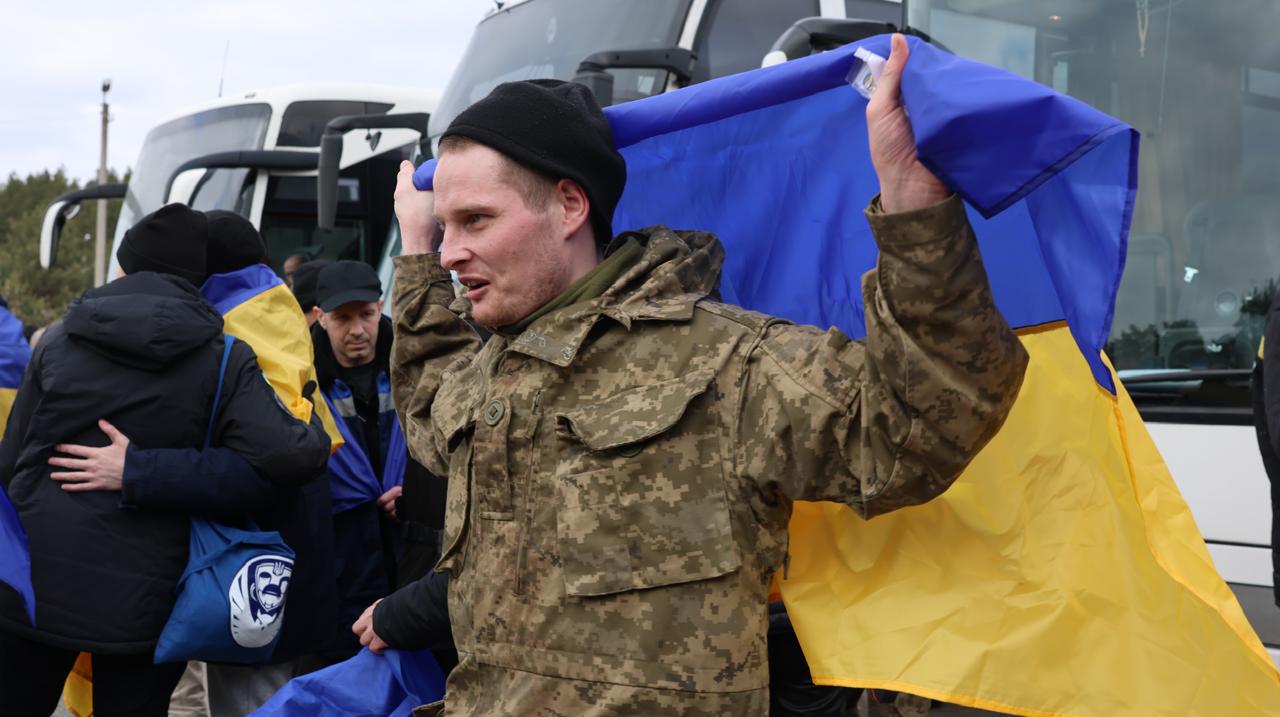
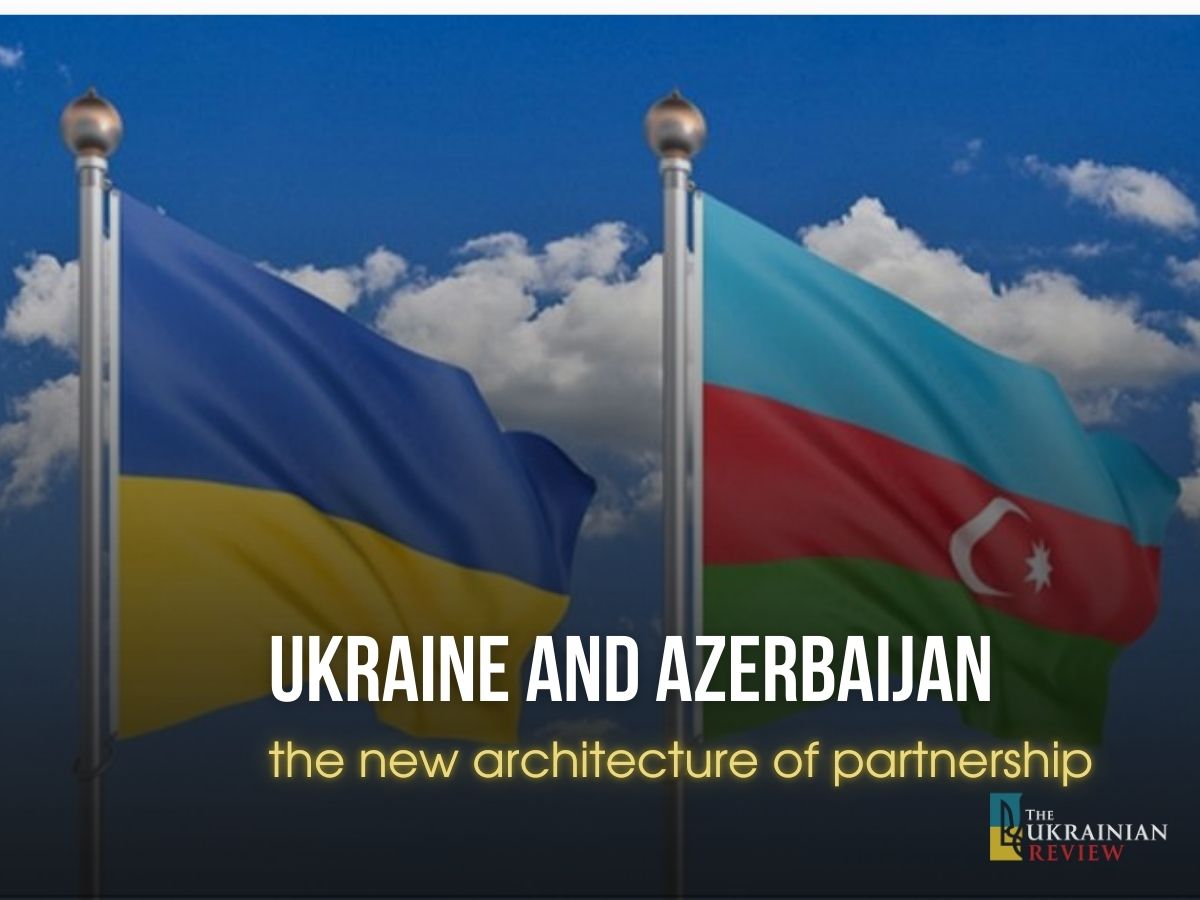


Ukraine and Azerbaijan are states with similar historical experiences of fighting for sovereignty and territorial integrity. The Kyiv-Baku axis is becoming one of the most important elements of the new architecture of relations in the space from the Caspian to the Black Sea. On 14 February 2026, a meeting between Presidents Volodymyr Zelenskyy and Ilham Aliyev took place in Munich. Now is the right time to analyse the results of these negotiations and the interaction between the two states.
The parties have no intention of stopping and are actively implementing new initiatives. Azerbaijani President Ilham Aliyev and Ukrainian President Volodymyr Zelenskyy are strategically defining this path of long-term partnership. Their role is key in this process.
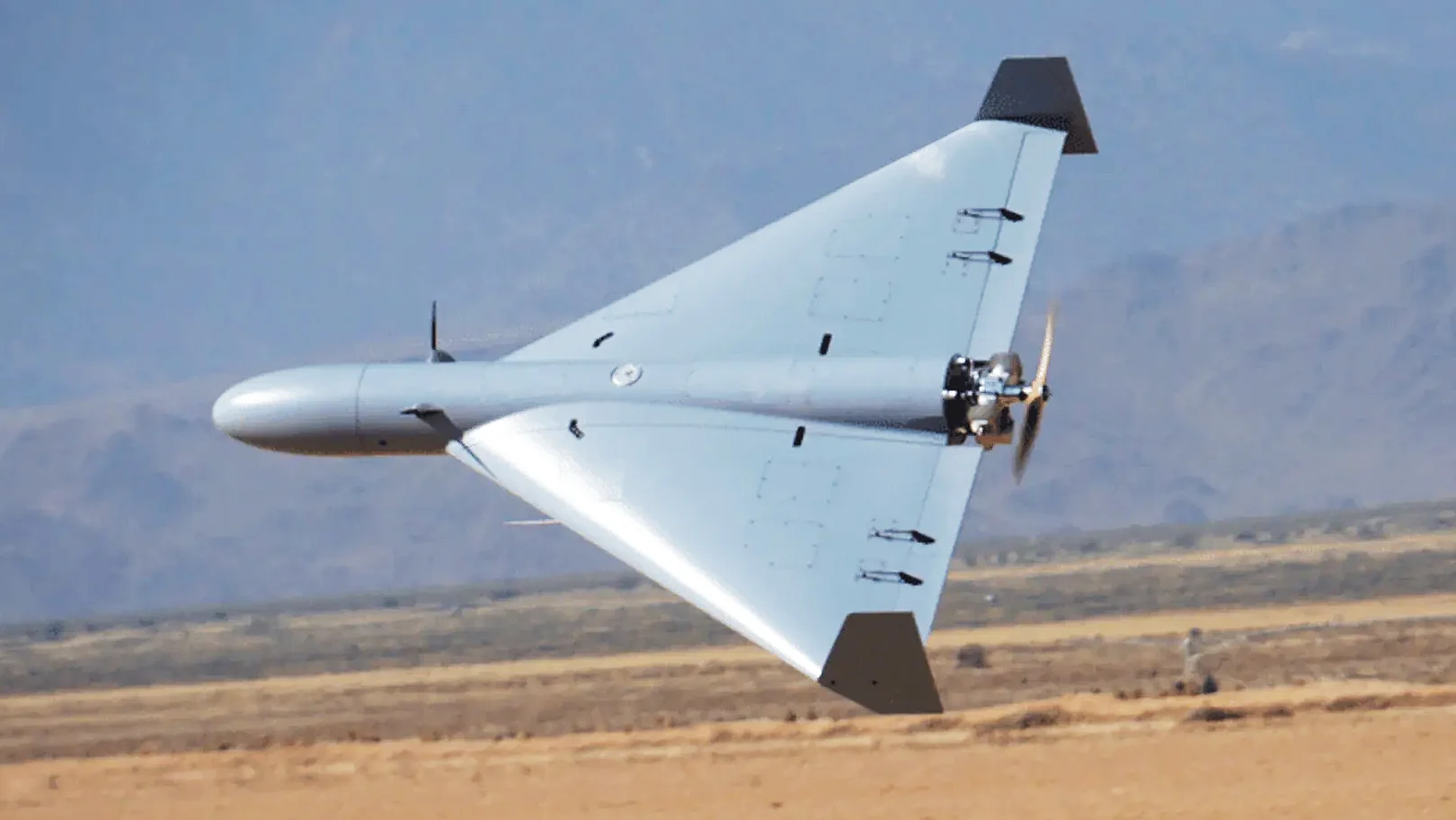
On March 5 2026, a serious incident was recorded with the entry of Iranian drones into the territory of Azerbaijan. It occurred against the backdrop of a large-scale escalation in the Middle East, where a military operation by the United States and Israel against Iran has been ongoing since the end of February.
Azerbaijan has already put its border guards and air defense forces on high alert along its entire 700-kilometer border with Iran. Although President Aliyev previously expressed sympathy for Iran, the escalation of the war now directly affects the country’s security. Given that Ukraine has the best experience in countering enemy drones, including those manufactured in Iran, the issue of military-political cooperation between Ukraine and Azerbaijan is now becoming even more important.
The two countries have a long history of cooperation. Azerbaijan consistently votes in support of Ukraine’s sovereignty and territorial integrity at the UN and other international organisations. Ukraine, in turn, has always supported Baku’s sovereignty over all its internationally recognised territory. More than 143 documents regulating relations between the two countries have been signed. Cooperation is coordinated not only at the bilateral level, but also within the framework of GUAM (Georgia, Ukraine, Azerbaijan, Moldova). The Organisation for Democracy and Economic Development — GUAM (Georgia, Ukraine, Azerbaijan, Moldova) has historically and strategically occupied an important place in Ukraine’s foreign policy. One of the main goals of GUAM today is to create an energy transport corridor bypassing Russia. Also, within the framework of international organisations (UN, OSCE), the GUAM countries often make joint statements supporting each other’s sovereignty and borders.
Azerbaijani Humanitarian Aid to Ukraine
Azerbaijan confirmed its role in Ukraine’s recovery, in particular by participating in the Ukraine Recovery Conference (URC2025) in Rome in July 2025. Assistance in humanitarian demining was also announced there. In 2026, Azerbaijan provided a humanitarian aid package worth over $1 million. It included 11 generators of various capacities, 5 large transformers, 12 low-voltage panels, and 27,000 metres of cables and wires.
The total amount of humanitarian support from Azerbaijan since the start of the full-scale invasion has exceeded $45 million.
Meeting of the two presidents: what to expect for Ukrainian-Azerbaijani relations
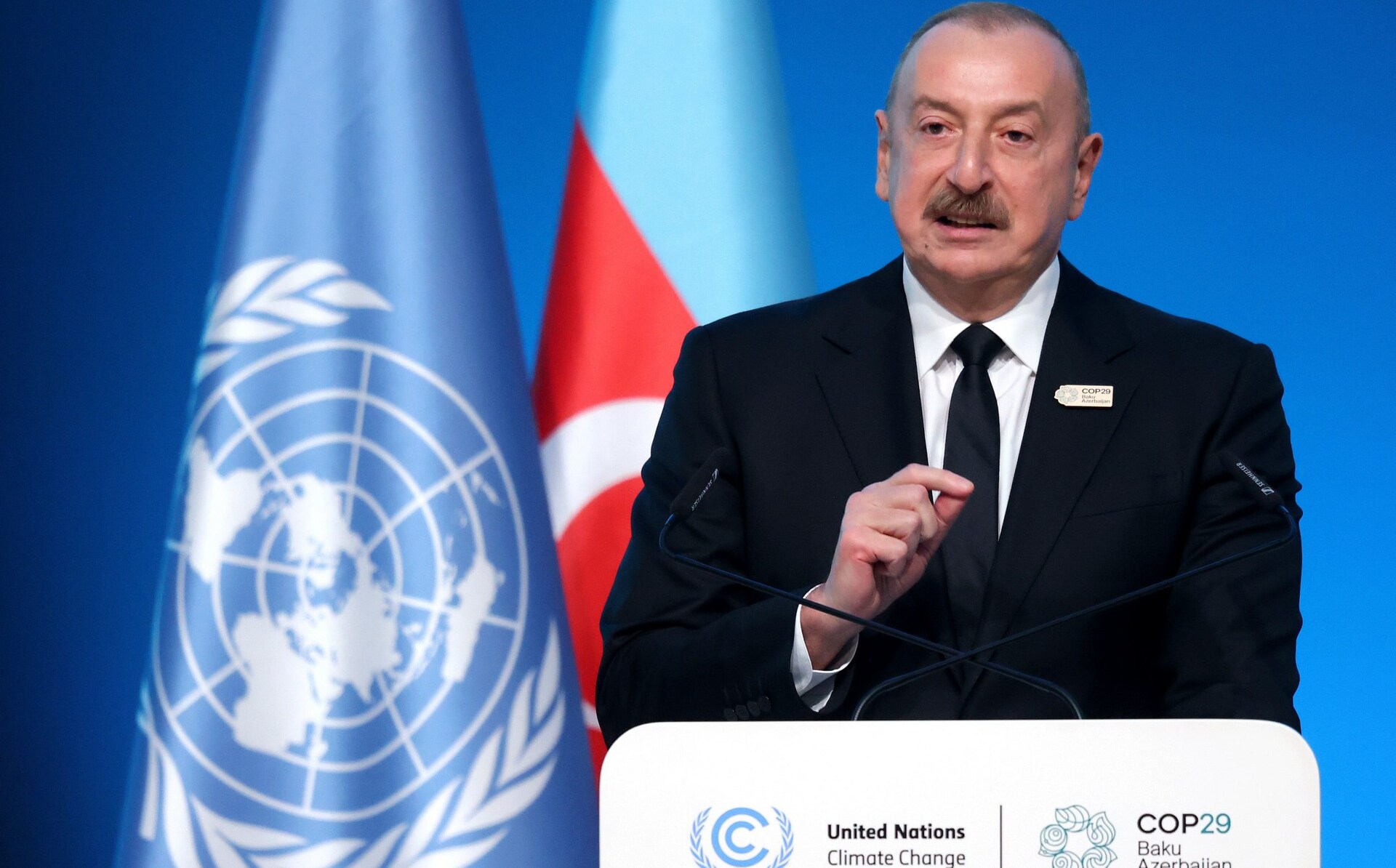
An important milestone was the meeting between Volodymyr Zelenskyy and Ilham Aliyev at the 2026 Munich Security Conference. The main focus was on regional security in the Black Sea-Caspian region. Both countries emphasise their commitment to the principles of territorial integrity, which is the foundation of their alliance.
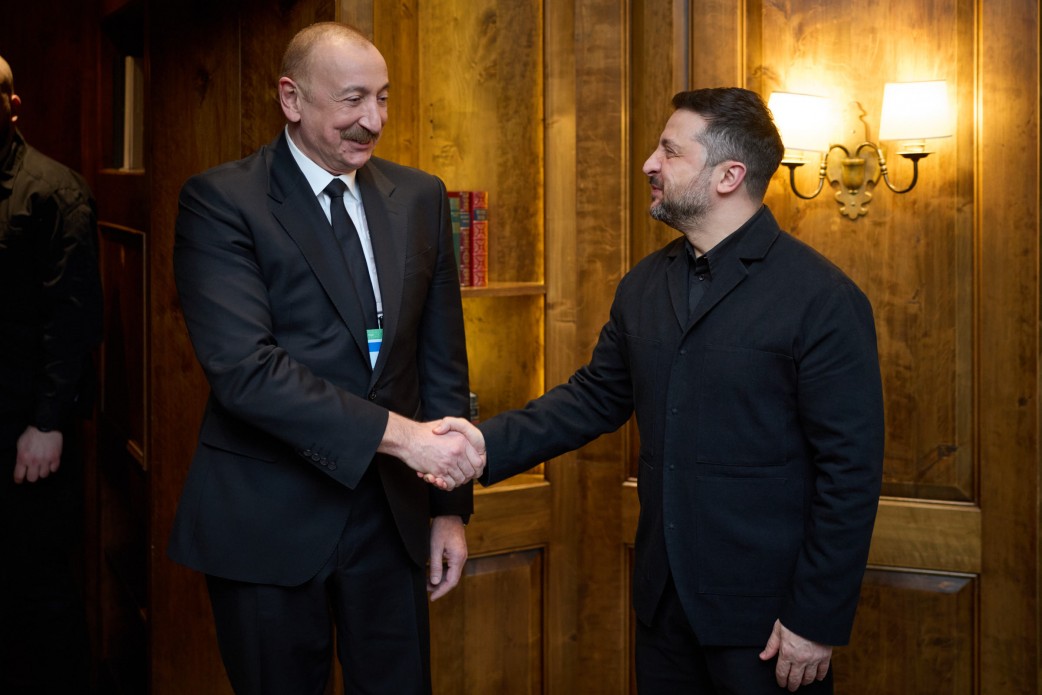
The leaders confirmed the strategic nature of relations and agreed to jointly develop new energy and infrastructure projects. The long-term option of such cooperation significantly increases Ukraine’s energy capabilities amid large-scale shelling of the capital and key cities. Azerbaijan is currently actively involved in the restoration of Ukraine’s energy facilities damaged by shelling. The Azerbaijani side has provided energy packages, including generators and transformers.
Ukraine and Azerbaijan: expert opinions
Experts from the Republic of Azerbaijan highly appreciate the level of cooperation with Ukraine. The new model of strategic cooperation covers the Caucasus-Black Sea-Eastern Europe region. This model is multi-level. It covers the economic sphere, politics, military-technological exchange, the application of experience in demining territories, etc.
Elman Telman oglu Jafarov, lecturer at the Department of Business Management at Azerbaijan State Economic University, public figureconsiders the cooperation between Ukraine and Azerbaijan to be productive and multi-level.
The political component here reinforces a comprehensive strategic model in the interaction between the two states.
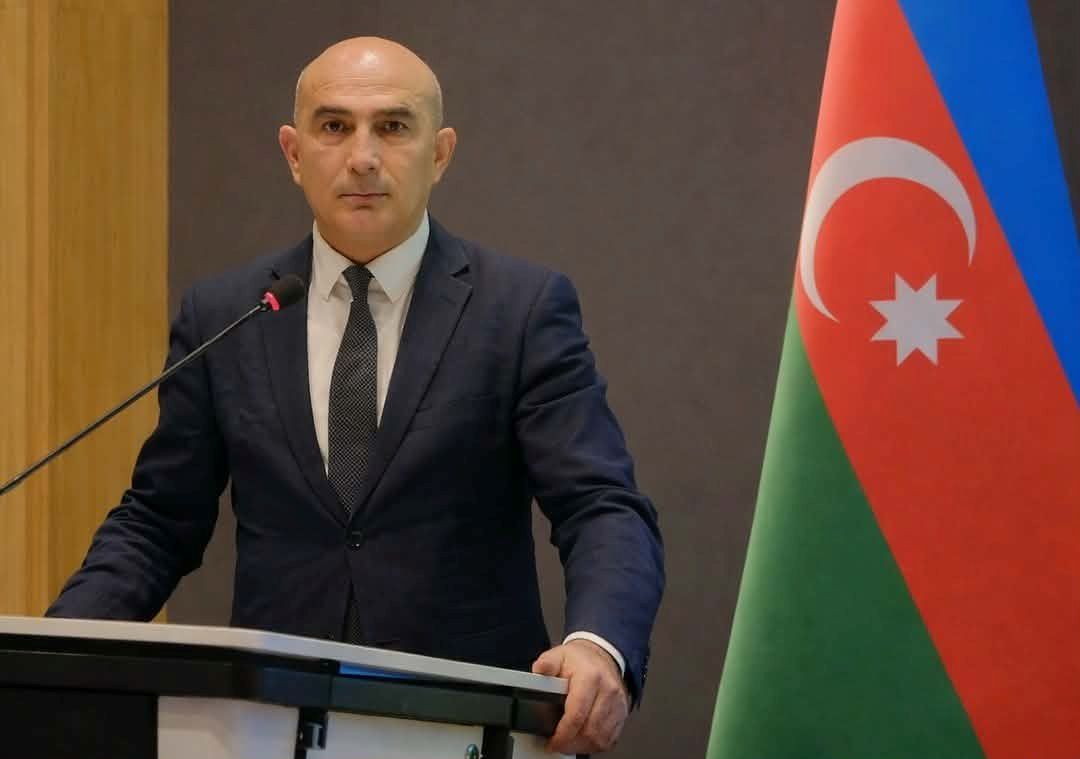
Both states have similar experiences in matters of sovereignty and territorial integrity. After the collapse of the Russian Empire in 1918, both countries declared independence. Both republics did not last long (about two years) and were forcibly absorbed by the Bolsheviks, becoming part of the USSR. During the period of ‘perestroika,’ powerful popular movements emerged in both republics. In Azerbaijan, it was the Popular Front, and in Ukraine, it was the ‘Rukh’ (People’s Movement of Ukraine). Both countries faced the problem of separatism, supported from outside, immediately after or in the process of gaining independence. Azerbaijan fought for decades to regain control over Karabakh. Since 2014, Ukraine has been fighting to regain parts of the Donetsk and Luhansk regions, and since 2022, it has been fighting a full-scale war for the very existence of the state.‘Rukh’ (People’s Movement of Ukraine).
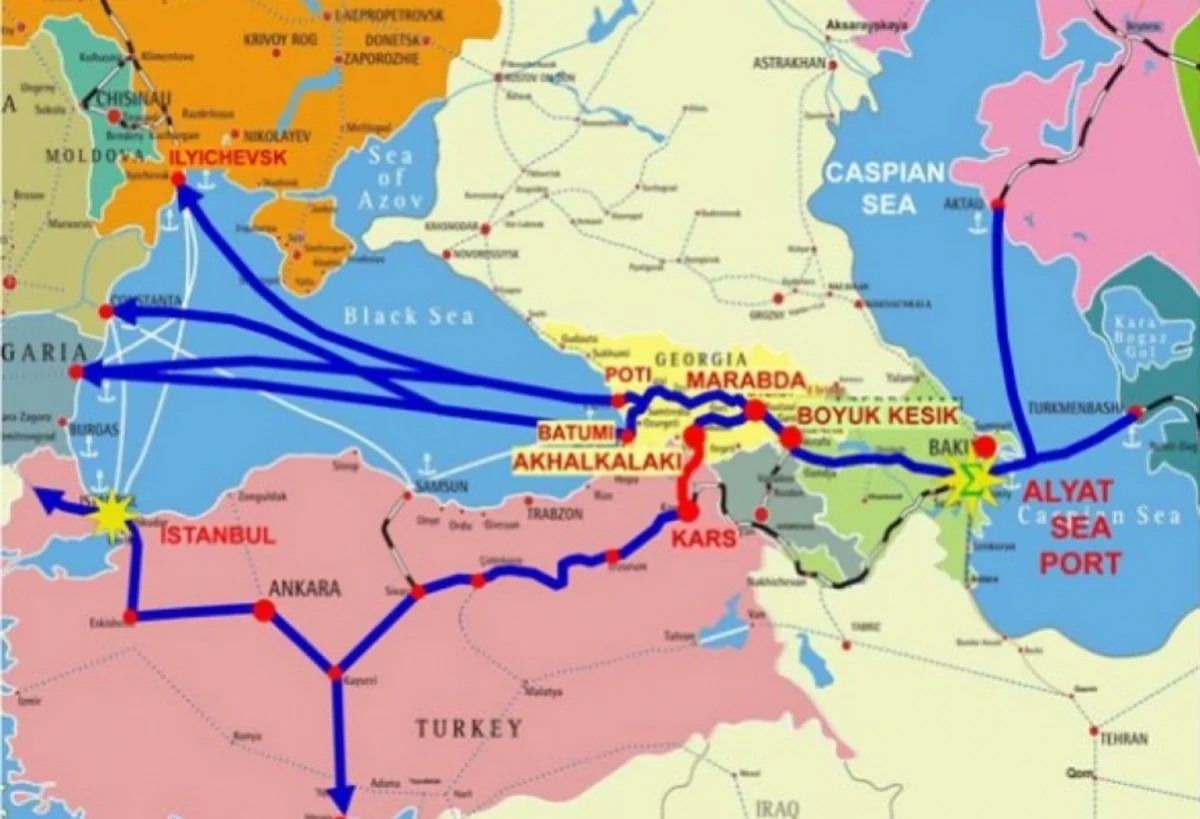
«The central corridor and the Black Sea–Caspian connection open up alternative routes for Ukraine, while for Azerbaijan, they mean an increase in its geopolitical weight. This elevates relations from simple friendship to strategic partnership. If regional stability and international balance create the right conditions for this, cooperation between Ukraine and Azerbaijan could become one of the key pillars of the new geopolitical configuration. Azerbaijani President Ilham Aliyev’s call to the Ukrainian people ‘not to put up with the occupation’ is also based on the principles of the supremacy of international law and respect for state sovereignty. This position is not confrontational rhetoric, but rather a message that a just and lasting peace is only possible within the framework of international law».
Kavkaz Omarov, editor-in-chief of the Armiya.az information and analytical portal, which specialises in military topics and covers international political issues, emphasises the importance of Azerbaijan’s experience in the military-technical sphere.
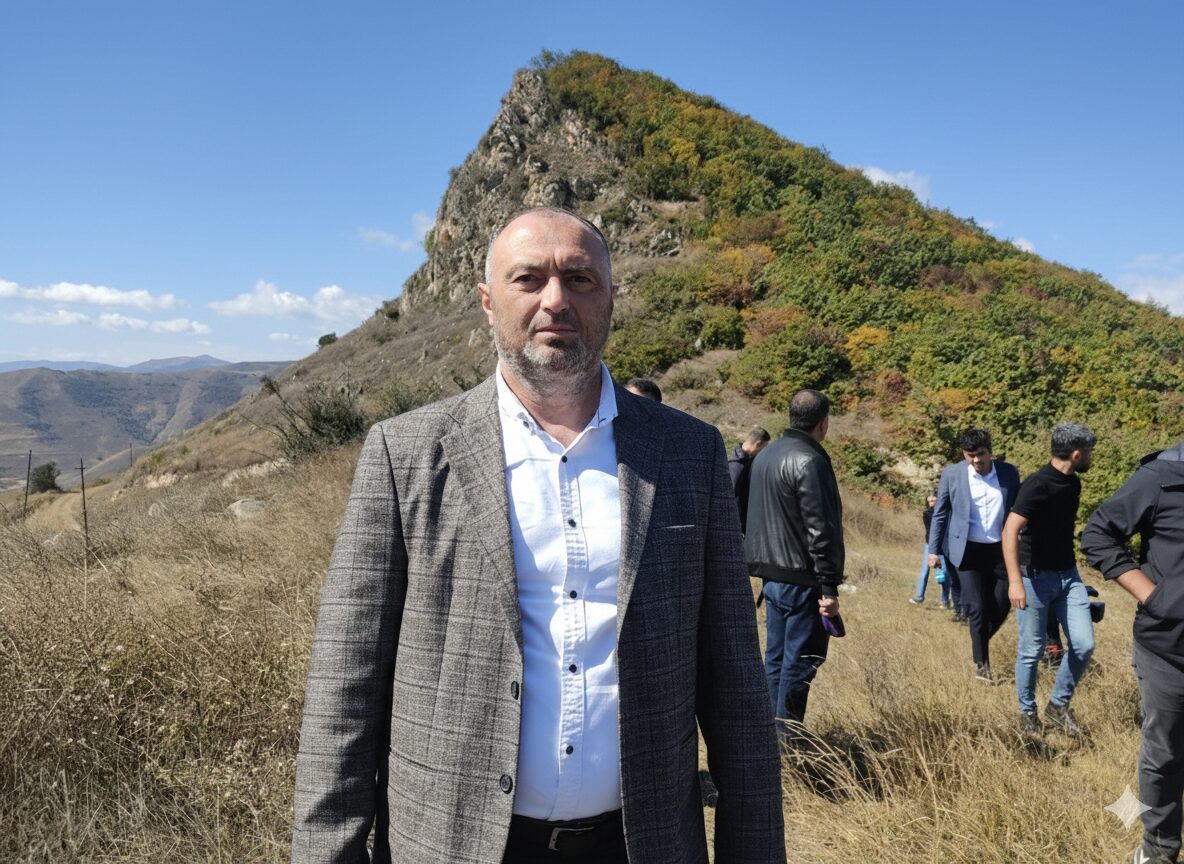
He has participated in online conferences organised by various Ukrainian think tanks. The expert notes that in all these closed conferences, which were mainly attended by military experts, particular emphasis was placed on the experience of Azerbaijan and its armed forces, which in 2020 liberated a fairly large territory from occupation in a very short time.
«The area of the occupied territories of Azerbaijan was approximately 18-20 thousand sq. km. The mountainous terrain and the Armenian army fortified here for almost 30 years. The number of soldiers of their army corps was from 20 to 30 thousand soldiers. A multi-layered bridgehead was built around the occupied territories — three echelons of defense. Anti-tank fortifications, anti-personnel obstacles, and the entire strip of the zone of contact of the troops was mined The whole world witnessed how the Azerbaijani Armed Forces integrated UAV systems into the overall system of warfare, coordination with aviation and artillery units».
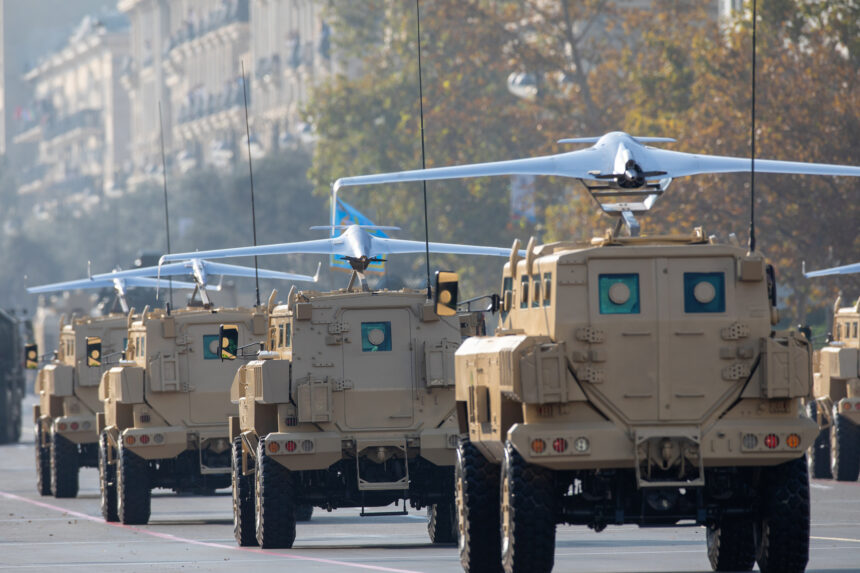
Kavkaz Omarov is confident that Azerbaijan’s war and its results have changed the military structure in all armies, with the doctrines of all leading countries being revised. Tanks and armoured vehicles, which in 2020 became easy prey for UAVs, have taken a back seat.
«Also, existing air defence systems, which simply became incapable of fighting UAVs, fell prey to these drones».
Kavkaz Omarov notes that there are prospects for military cooperation, but we should not forget that weapons are supplied to Ukraine by Western countries, and loans for the purchase of defense goods are allocated by them. Given Azerbaijan’s experience in waging a unique war and the continuation of the war in Ukraine, I think that there are many positions for cooperation. But military cooperation is primarily politics, and then economics and business.
Azerbaijan has already gone from a long-running territorial conflict to fully restoring its sovereignty. There are political and legal mechanisms that Baku used in Karabakh. These could be adapted for Ukraine in the future.
«The mechanisms… are, of course, the result of many years of work. From diplomacy to strengthening the economy, plus the creation of an army and its arming with the most modern types of weapons. Four UN Security Council resolutions served as political and legal mechanisms for Azerbaijan, openly emphasising the importance of withdrawing the occupying forces from the legal territory of Azerbaijan and the need to restore the country’s territorial integrity. Despite these resolutions, this process was hampered by external forces, which, having created the OSCE Minsk Group, kept the situation and the negotiation process under their monopoly», notes the expert.
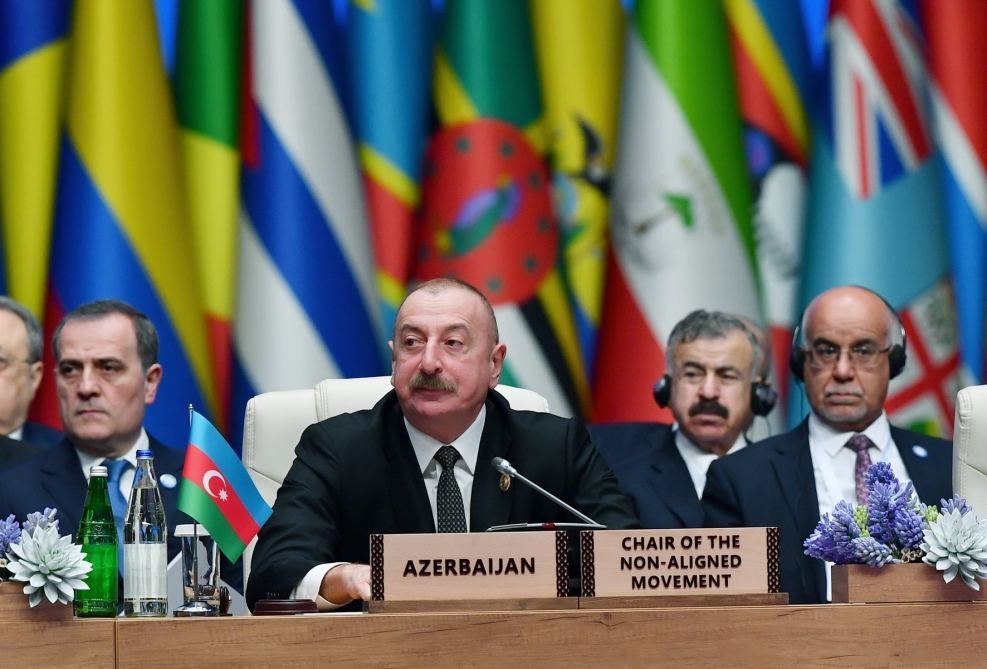
«It was precisely because of the destructive position of external forces that the Karabakh conflict was frozen for almost 30 years, but we never lost heart and never gave up part of our territory. An important aspect of this is the information field, which, unfortunately, our Ukrainian friends sometimes forget».
Conclusion
Political cooperation between Ukraine and Azerbaijan in 2025–2026 is characterised by a transition to a ‘natural alliance’ model. It is based on mutual recognition of territorial integrity and pragmatic economic partnership in conditions of global instability. This architecture makes relations less dependent on external geopolitical fluctuations. They are now underpinned by critical infrastructure and shared economic benefits. There are opportunities for further scaling up cooperation.
Azerbaijan is a strong and progressive state whose experience is useful for Ukraine. Although Azerbaijan officially maintains neutrality in the supply of lethal weapons, cooperation is taking place in the field of high technology and services. In particular, this concerns technological developments in the field of UAV applications. In 2026, cooperation shifted from simple procurement to the exchange of combat experience and technological partnership. Azerbaijan is an important partner for Ukraine in logistics, demining and infrastructure restoration.
Today, the Azerbaijani army is fully transitioning to NATO standards and deepening bilateral relations with Turkey. Azerbaijan is demonstrating a practical path to modernising management, structural reorganisation and logistics, which is relevant for the Armed Forces of Ukraine, which are striving for full integration into NATO. Azerbaijan, working closely with Turkey, is strengthening stability in the wider Black Sea-Caspian region. This is important for Ukraine in the context of security and efforts to counter Russia.