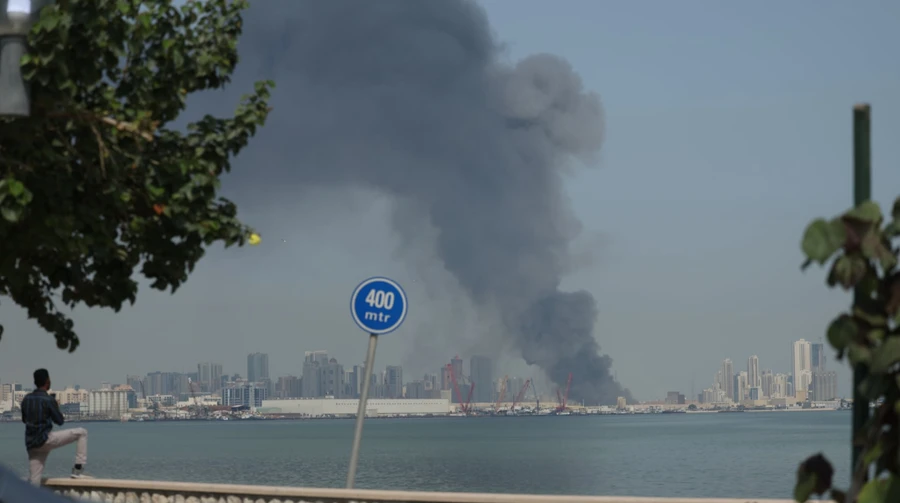


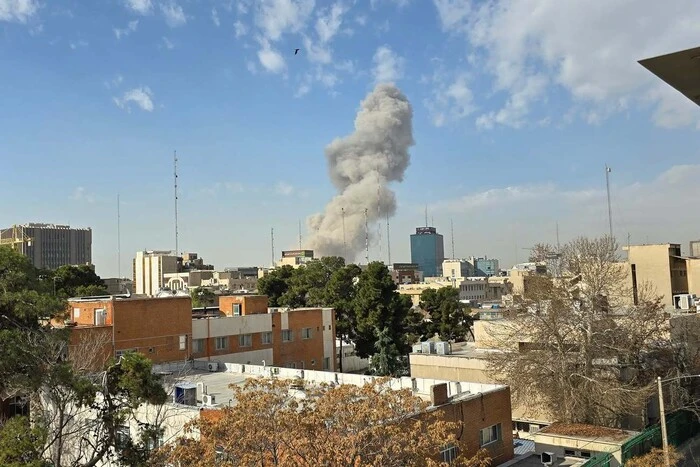
The escalation in the Middle East is once again reshaping the global political agenda and directly influencing major international negotiations, including those related to Ukraine. Today, the United States and Israel launched an active military operation against Iran, striking military and state infrastructure targets. Events are unfolding rapidly and are already being viewed by analysts as the beginning of a new phase of regional conflict that could extend far beyond the Middle East. Iran has declared its readiness to respond, increasing the risk of large-scale escalation and the involvement of additional global actors.
Russia`s position
Russia reacted swiftly to the developments. Moscow condemned the attacks, while Foreign Minister Sergey Lavrov adopted a diplomatic stance that effectively defended Russia’s partners, describing the actions as aggression. At the same time, Russian rhetoric remains cautious: the Kremlin seeks to demonstrate political support while avoiding direct involvement in another military crisis, understanding that the opening of an additional front in global confrontation could alter the balance of power, including around Ukraine.
Roots of the Escalation
At the core of the confrontation lies the issue of resources. Iran possesses some of the world’s largest oil and gas reserves and occupies a strategic position near the Strait of Hormuz — one of the most critical arteries of global energy supply. If the United States and Israel achieve their strategic objectives and significantly weaken Iran’s influence or establish control over key elements of its energy infrastructure, this could trigger a major redistribution of power in global energy markets. Increased Western influence over energy resources would likely reduce the geopolitical leverage of states that rely on resource exports as a political instrument.
Such changes would inevitably affect the war in Ukraine. Escalation in the Middle East will require Washington to redistribute military, diplomatic, and financial resources, objectively lowering Ukraine’s priority within the global agenda. At the same time, a shift in the energy balance could increase economic pressure on Russia and narrow the space for a rigid negotiating position from Moscow.
China’s role is equally important. Beijing has a strong interest in stable energy supplies and traditionally avoids large geopolitical shocks. If Western influence over Middle Eastern oil strengthens, China may adopt a more pragmatic approach and reduce support for maximalist Russian demands, prioritizing global market stability.
Conclusion
As a result, a scenario emerges in which one war may reshape the conditions for ending another. The weakening of energy leverage and a changing global balance of power could push the parties toward more flexible negotiations on Ukraine, where previously uncompromising positions may become subjects of compromise. The world is increasingly entering an era of interconnected conflicts, where events in one region directly influence outcomes in another. For this reason, what is happening today in Tehran may become one of the decisive factors shaping future decisions surrounding Donbas.
By Artem Kasparian