

On May 14, 2024, in the third, final reading, the Parliament of Georgia approved the law “On transparency of foreign influence”, which is also called the law on “foreign agents”.
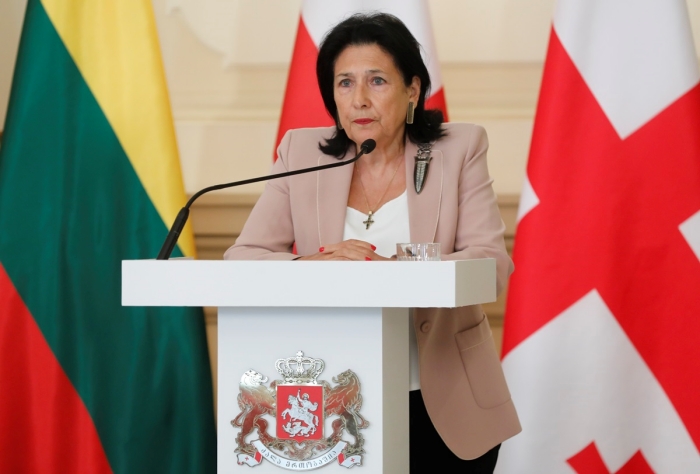
On May 18, 2024, the President of Georgia, Salome Zurabishvili, vetoed the law on “foreign agents”. However, on May 28, the Parliament of Georgia overcame the president’s veto and finally approved “On Transparency of Foreign Influence.”
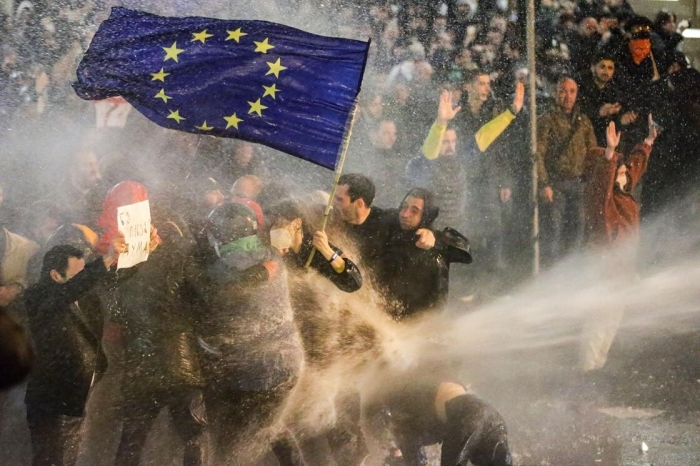
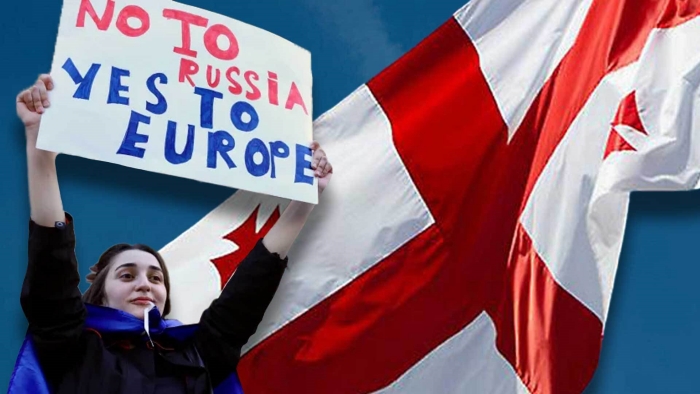
It should be noted that the parliament’s discussion took place against the backdrop of mass protests in the centre of the capital, Tbilisi, which often ended in confrontations between protesters and the police, and led to arrests. According to the opposition, the draft law repeats the Russian legislation on “foreign agents.” The slogan “Yes to Europe. No to Russian law” became the main theme of the actions.
Also, the draft law “On transparency of foreign influence” was submitted to the parliament for the second time. In March 2023, the ruling party withdrew the document after large-scale protests.
About this law
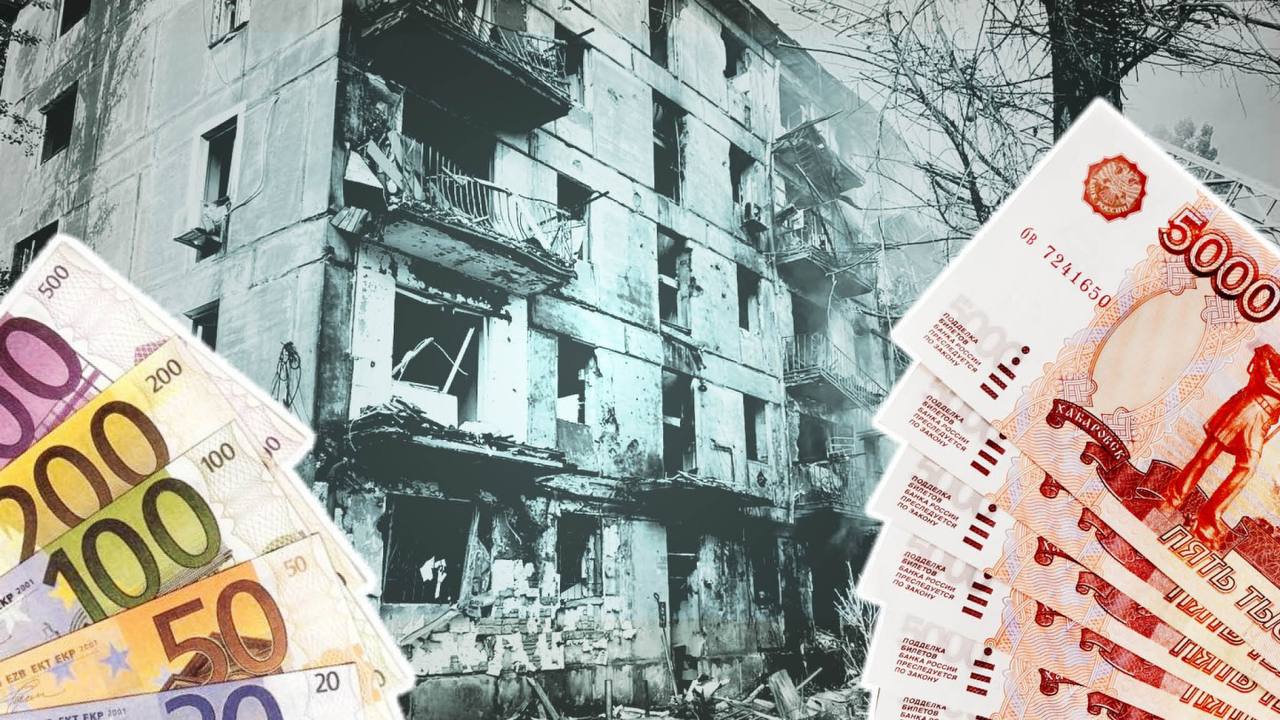
The law on “foreign agents” is actually an analogue of the law adopted in Russia. According to the document, mass media and public organizations that support funding from abroad by more than 20% are given the status of “agents of foreign influence”.
The prosecutor’s office, not the state registry service, is responsible for registering foreign agents. Violation of the law is punishable by imprisonment for up to five years for natural persons, and a fine for legal entities.
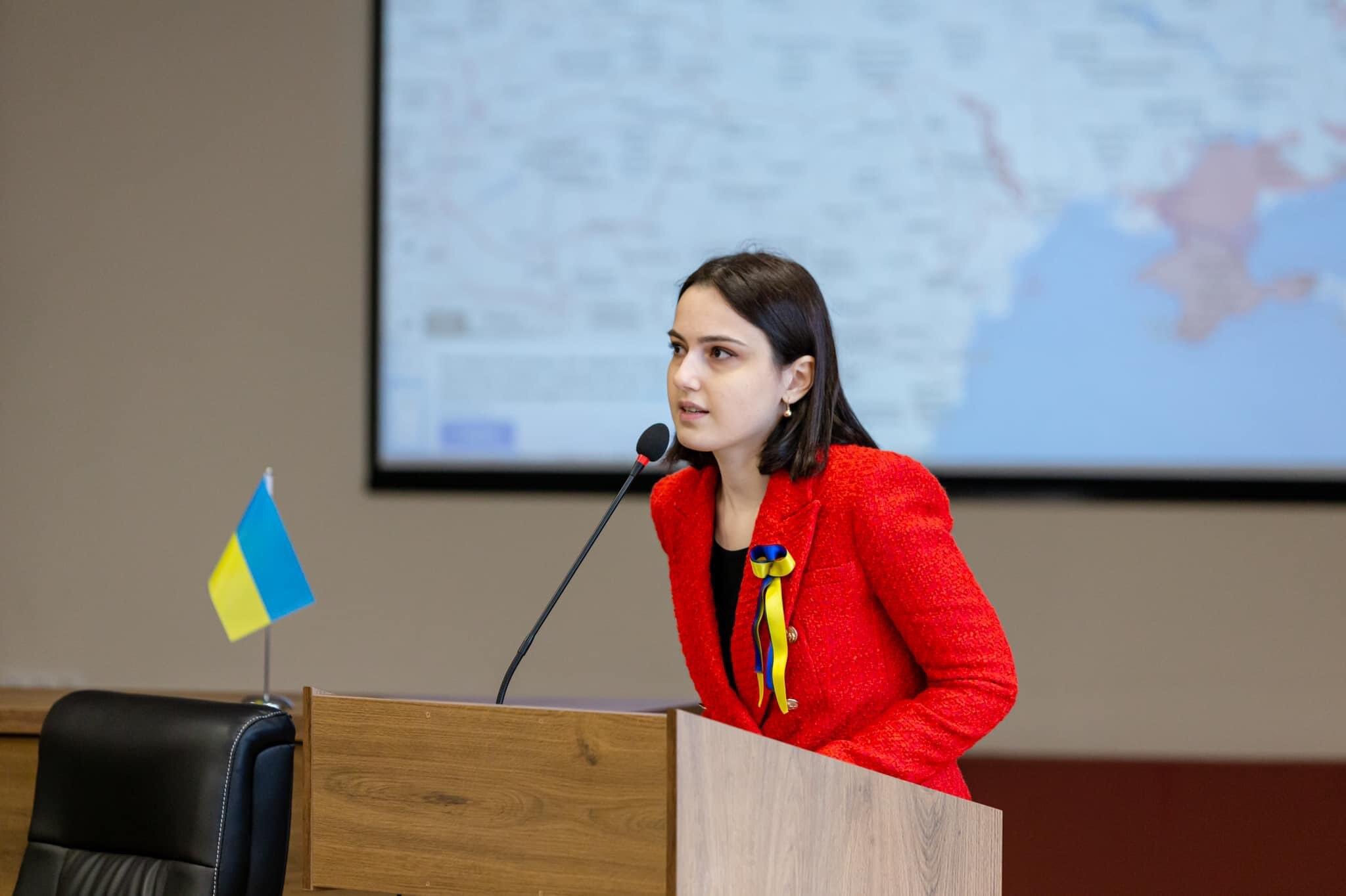
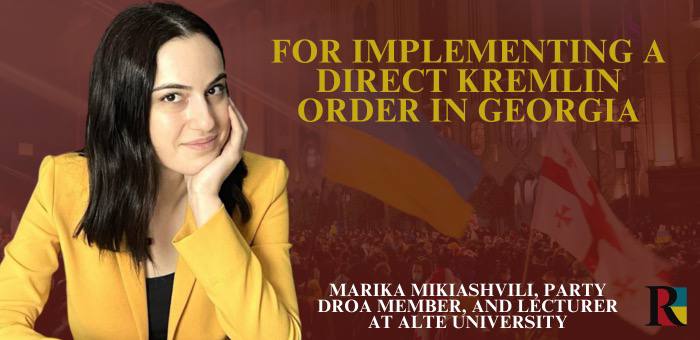
We spoke with Marika Mikiashvili, Party Droa member, and lecturer at Alte University, to learn more about the draft law and the situation in Georgia in general.
First, could you tell me what the current situation in Georgia is? What is the public opinion?
As soon as the veto was overridden, people shifted their focus to the upcoming elections (the next parliamentary elections in Georgia will be held on October 26, 2024 – editor), hoping for a bloodless outcome. We don’t have illusions that the elections will be free and fair, but we still hope that maybe we can avert heavier clashes by cracking the system just enough to disorientate them before the elections. And in that, sanctions and travel bans should help a lot since most Georgian Dream enablers are situational allies of the regime and not unconditional supporters.
Now, there’s an expectation that the opposition will come up with a viable electoral configuration before the elections. People feel like they have done a lot, and now it’s the turn of the democratic political class to step up. It’s quite problematic, but I hope it can be done.
Why did the parliament decide to reintroduce the “Law on Transparency of Foreign Influence” despite the mass protests in 2023?
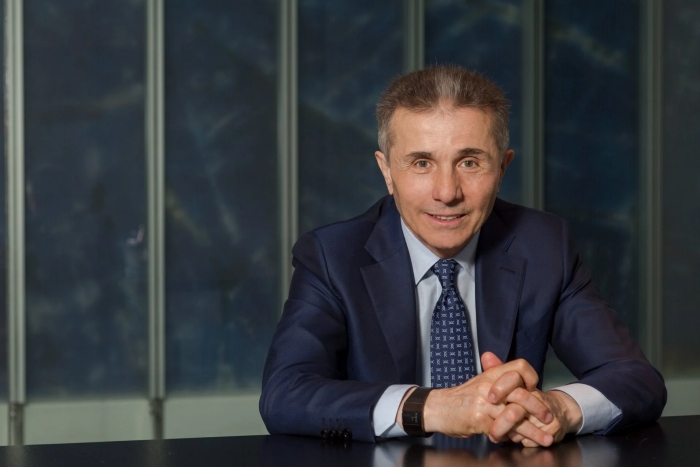
The Russian-made oligarch who holds the real power in Georgia, Bidzina Ivanishvili, publicly stated that he reintroduced the law so that the energy that the NGOs and the opposition would have for the October elections would be wasted before the elections, and that they would get tired.
It is hard to say exactly why this happened. But it’s no coincidence that several countries, such as Kyrgyzstan, Hungary, and Republika Srpska in Bosnia and Herzegovina are introducing it at the same time alongside Georgia. I believe the Kremlin does two things at a time: marks its territory and reinforces its influence in these countries with this law.
Also, are there any differences between the “Law on Transparency of Foreign Influence” that was attempted to be passed in 2023 and the one that has been passed now?
When it was reintroduced, only the name was different. Before, it was “foreign agents;” now, it’s “carriers of foreign influence.” They secretly added amendments before the third hearing, which extended the law to some individuals and required them to provide personal information as well.
Why were the protesters able to withdraw the law in 2023, but now the parliament has even overcome the veto of President Salome Zurabishvili?
The government was more persistent this year. Last year, they were caught by surprise by the public resistance. This year, maybe Ivanishvili truly believes that he is exhausting us so that he is all calm and ready for the elections. Maybe Moscow is more pressing this year, too. It’s hard to say.
What are the dangers of the “Law on Transparency of Foreign Influence”?
There are four criteria in the law which ensure that it will be abused to suppress all undesirable organisations:
- Excessive element
- Broad definition of “foreign state”
- Lots of opportunities for arbitrariness
- Fines.
The law applies not only to large NGOs, such as Transparency International – Georgia and the Open Society Foundation, but also to animal shelters, shelters for certain materials, organisations that work with children with disabilities, etc. Funding from individual foreign nationals and unknown sources outside the country also qualifies you as a foreign agent.
In Georgia, everyone understands that the law against organisations is only the first step – and individuals have already been added to its scope from the first hearing to the third vote because that was the case in Russia.
In 2012 in Russia, for the first time, they called the organisation “foreign agents”. During the next 12 years:
- Violation of strict assembly and demonstration laws became a criminal liability;
- cooperation with international funds, which were recognised as “undesirable organisations”, became a criminal liability;
- the law covered the mass media and also began calling them foreign agents, requiring them to display the term on every piece they produced;
- then it spread to everyone, even bloggers who hold any amount of money from foreigners;
In 2024, individuals named as foreign agents were barred from standing as candidates.
It is evident that the law is analogous to the Russian law. Why did the Georgian authorities take this step?
Either suffocating the civil society with a well-tried method, implementing a direct Kremlin order, or both.
What can be expected next? Will the Georgians be able to overcome Russian influence? What will happen if they don’t?
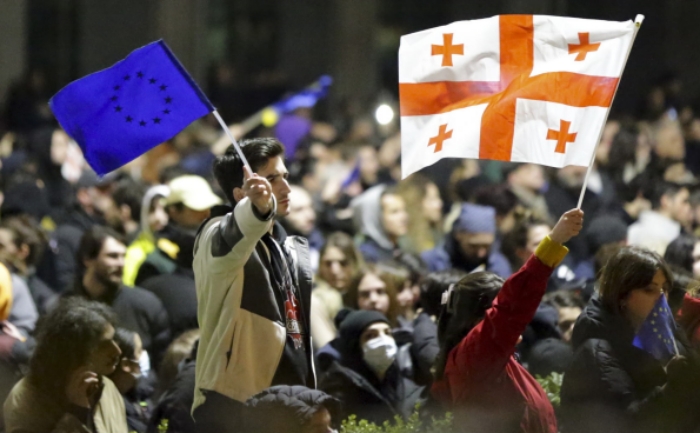
Hopefully, we will prevail. If not, Georgia will be fully cut off from the West and alone, relying on the famous Russian mercy, which is a disaster. We feel that we are completely losing our Independence as a state
How do you assess the international community’s reaction to the adoption of this law?
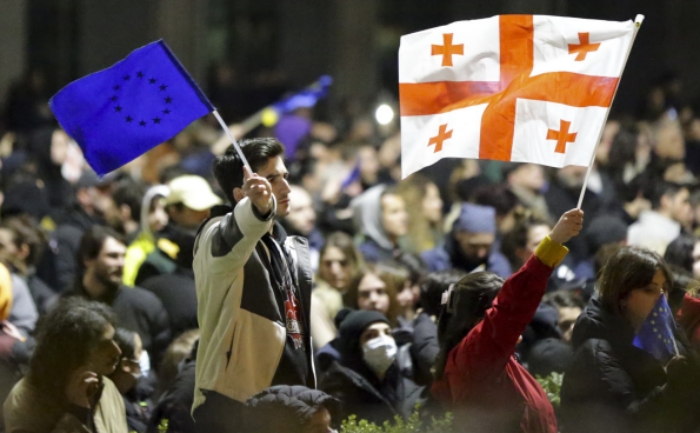
It’s good that the US imposed travel bans on many GD (Georgian Dream) representatives, but we need more, especially from the European Union. If Georgia is defeated now despite unprecedented protests and external support, all emergent illiberal rulers in Europe and beyond and certainly in the EU enlargement area, will feel emboldened, and the local civil societies will be able to counter it with only a revolution. In Srpska, Dodik withdrew the same law until further notice a day after the veto was overridden in Georgia, indicating he is waiting for the political cost the GD will pay. For that reason, it is crucial, not just for Georgia, that the EU takes concrete steps.
Rigorous pre-election observation missions are important, and if (or when) the elections are rigged, they should not be acknowledged as legitimate.
Anya Ostymchuk