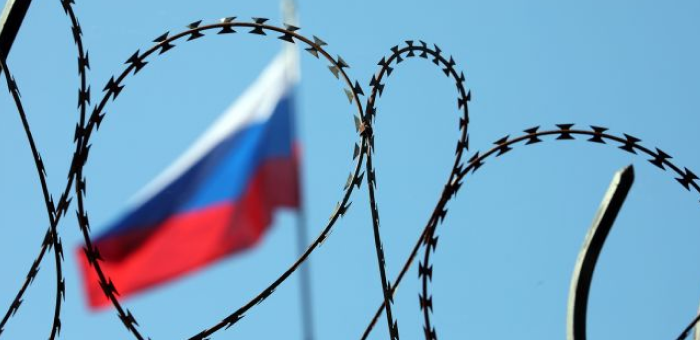


The Financial Action Task Force on Money Laundering (FATF) is to decide next week whether to include Russia in its “blacklist”, as Ukraine insists, Suspilne reports.
Politico writes about this, citing a confidential document that the publication’s journalists have seen.
It is noted that this intergovernmental organization based in Paris regularly evaluates countries according to their commitment to combating money laundering, terrorist financing, and financing the proliferation of nuclear, chemical, or biological weapons.
Being blacklisted or gray listed by the FATF can seriously damage a country’s financial reputation and is considered “economically devastating” for most countries.
In February 2023, the FATF suspended Russia’s membership in the organization. It did so because of its invasion of Ukraine, but has so far refrained from blacklisting it. Now Ukraine has stepped up its campaign to change that.
The FATF has publicly stated that it considers Russia’s aggression unacceptable and contrary to its “core principles”. In practice, however, downgrading Russia requires consensus from its multilateral members.
As you know, the intergovernmental body currently unites about 40 countries, including China, India, Brazil, South Africa, and Saudi Arabia. It meets three times a year to assess which countries should be included in the gray and black lists or removed from them.
Also according to the document, Ukraine first requested that Russia be included in the high-risk jurisdictions in April 2022 and has since then been constantly – albeit in vain – providing new evidence to downgrade Moscow’s status.
To succeed in the latest round of meetings, Ukraine will have to convince the internal FATF body tasked with reviewing the nominations and supporting evidence, which will meet on October 22, to recommend the proposal for formal consideration, – the article says.
The publication notes that if Ukraine’s “latest initiative” is successful, Russia will join Iran, North Korea and Myanmar on the FATF’s list of countries with the highest risk.
The dossier submitted to the organization’s members emphasizes the close financial and military cooperation between Russia and high-risk countries such as North Korea and Iran. It also emphasizes Russia’s funding of private military companies such as Wagner and their related illegal activities.
In addition, the document mentions the role of Telegram channels and cryptocurrencies in helping Russia finance terrorism and launder “money obtained from the sale of goods stolen during the invasion of Ukraine”, including grain and minerals.