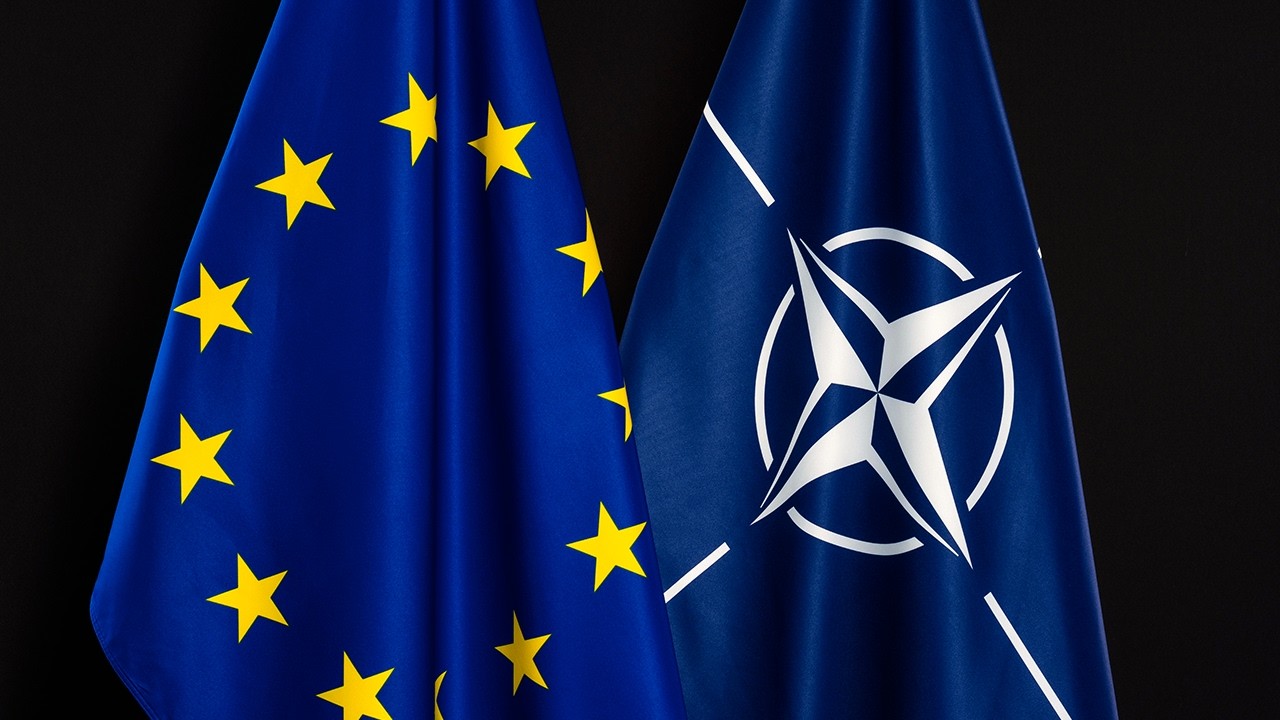


European countries have stepped up discussions on a backup plan within NATO in case the United States reduces its role or withdraws from the Alliance. Comments by US President Donald Trump have raised doubts about the reliability of American security guarantees.
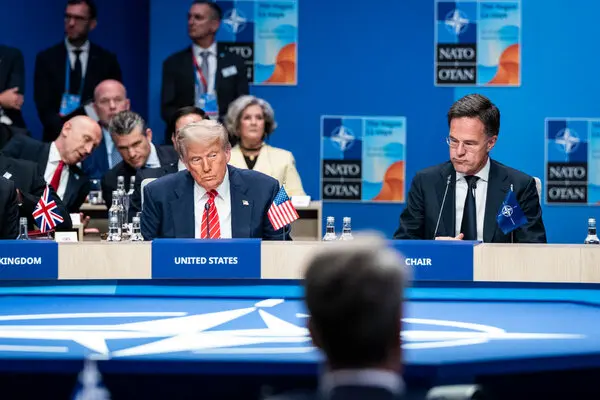
The Wall Street Journal reports this, citing allied sources.
Europe discusses a “European NATO”
According to the report, officials hold informal talks during closed-door meetings among partner countries. They are not planning a new alliance but rather adapting the current system to a scenario in which Europe takes on far greater defense responsibilities.
These discussions intensified after a series of Trump’s statements, including remarks about reconsidering the US role in NATO and disputes with allies.
Germany’s key role: a historic shift
Germany’s policy shift has become a decisive factor. Chancellor Friedrich Merz has moved away from the traditional line that relied on the United States as Europe’s main security guarantor.
Berlin had previously taken a cautious approach to stronger European defense autonomy. Now, uncertainty in Washington’s policy is pushing Germany to reconsider. At the same time, Germany does not seek to question the Alliance publicly and instead supports a redistribution of responsibilities within NATO.
Defense Minister Boris Pistorius said:
“NATO must become more European in order to remain transatlantic.”
“Coalition of the willing” and practical steps
After Berlin changed its stance, the United Kingdom, France, Poland, Nordic countries, and Canada became more active in the discussions. They are working toward a so-called “coalition of the willing” within NATO.
Finnish President Alexander Stubb explained the logic:
“The most important thing is to recognize that this process is happening and to manage it in a controlled way, rather than allow a sudden US exit”.
Officials are already discussing practical steps, including:
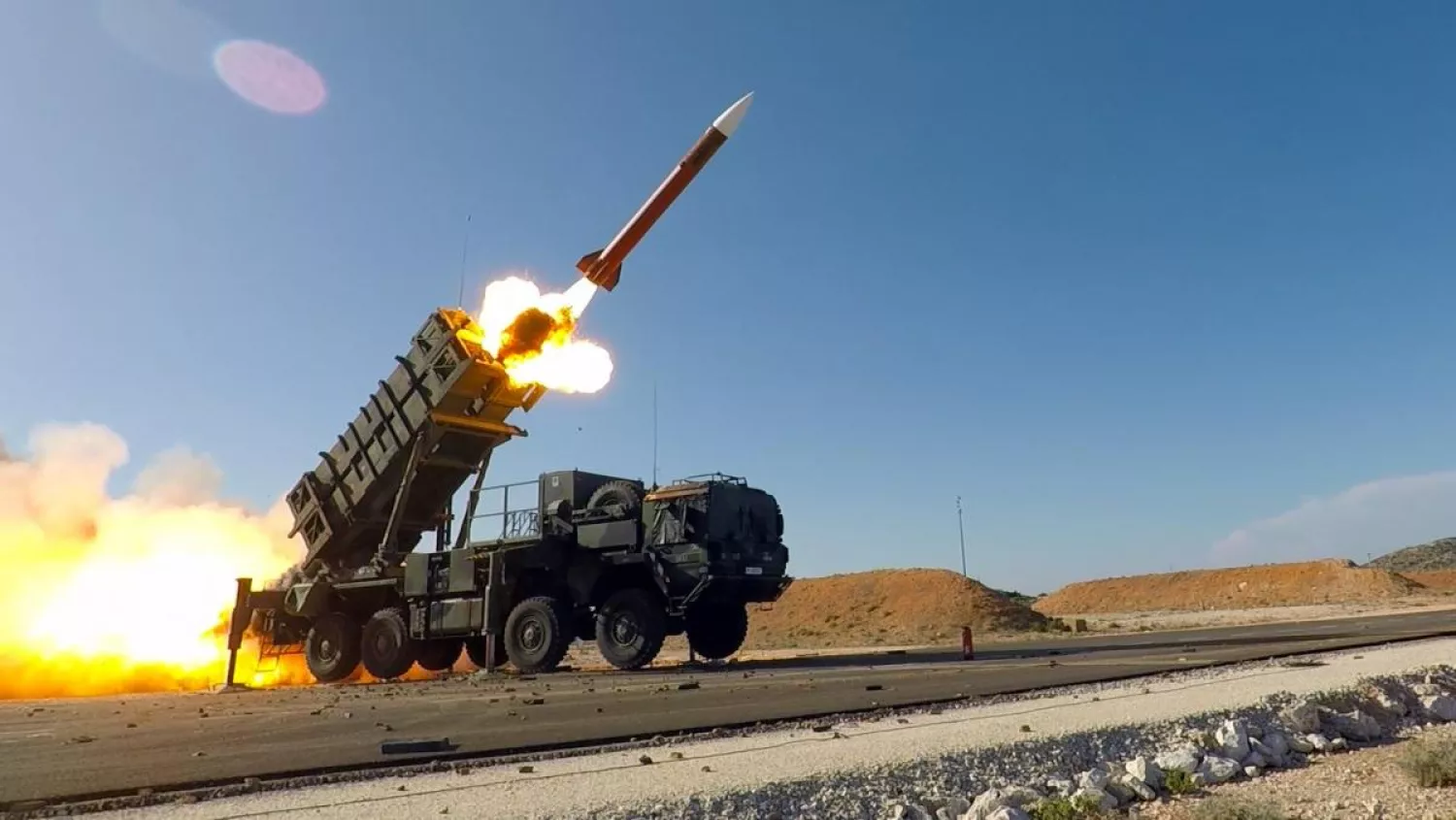
- command of air defense systems;
- logistics and reinforcement routes to the eastern flank;
- large-scale military exercises;
- increased weapons and technology production.
Some countries are also considering restoring mandatory military service.
Nuclear factor and Europe’s limits
Despite active discussions, implementation remains difficult. European countries still rely heavily on the United States for intelligence, logistics, and nuclear deterrence.
Officials are also discussing the “nuclear umbrella”. Germany and France have started consultations on potentially extending France’s nuclear protection to other European countries with the involvement of President Emmanuel Macron.
For now, no European country can fully replace the US military role in the Alliance.
Context
Trump’s sharp criticism of allies for refusing to join the war against Iran has pushed European countries to coordinate more closely. Diplomats and ministers are now looking for ways to strengthen security beyond the traditional Alliance framework.
Earlier, The Ukrainian Review reported that French President Emmanuel Macron criticized Donald Trump’s strategy during his visit to Seoul.