

The European Union has tightened financial and energy restrictions on Russia as part of its new 20th sanctions package. However, the bloc has postponed a decision on a full ban on maritime transport of Russian oil and petroleum products until it secures coordination with G7 partners.
Euractiv reports this, citing officials from the European Commission and the Council of the EU.
EU sanctions package
The 20th sanctions package focuses on cutting Russia’s revenue from energy exports, closing loopholes used to bypass restrictions, and increasing pressure on the financial sector and ammonia exports.
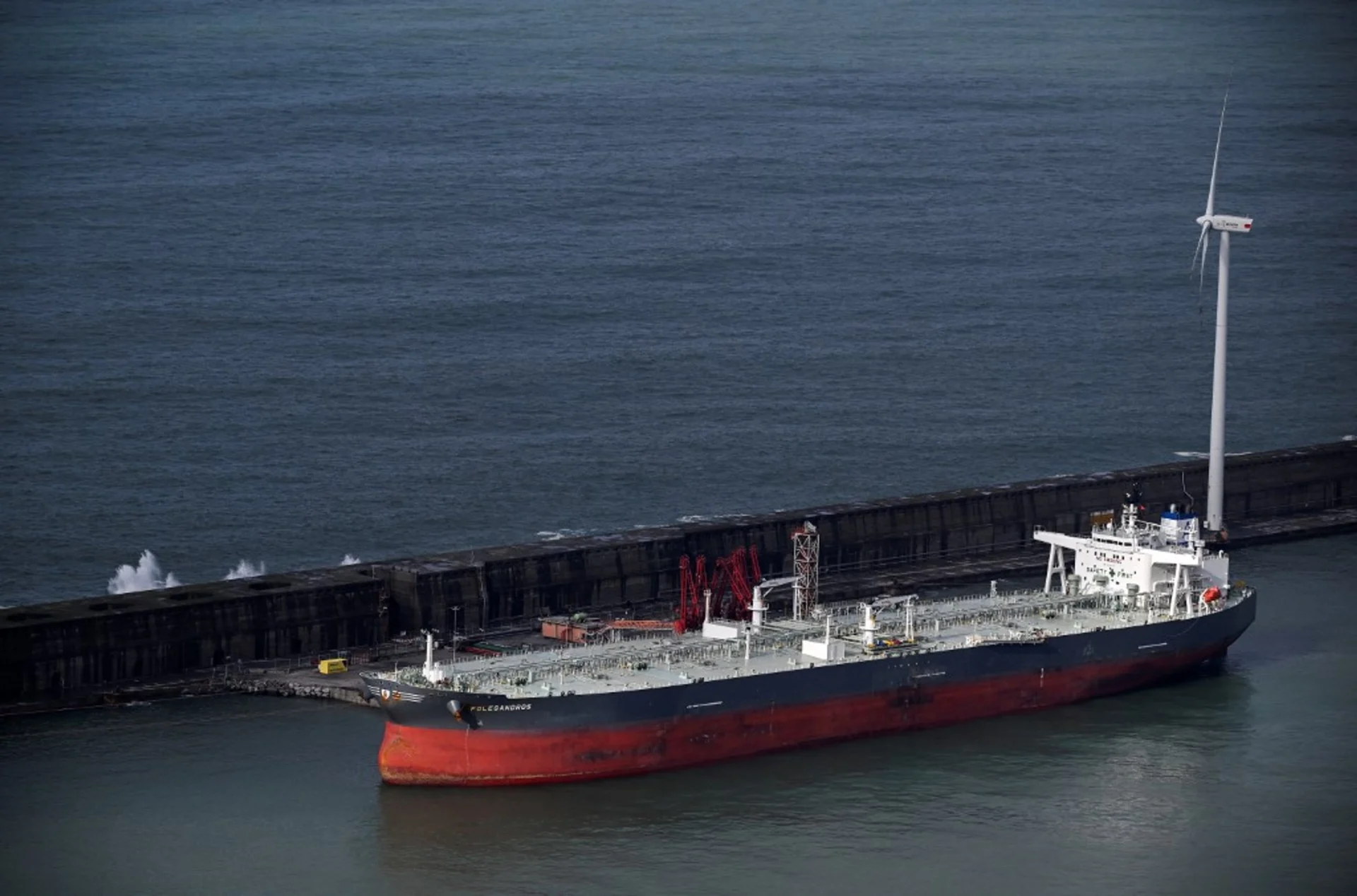
At the same time, EU member states have not yet agreed on a key measure – a full ban on maritime transport of Russian oil and petroleum products. Officials present this step as a foundation for broader restrictions in the future, but they continue discussions with G7 partners before making a final decision.
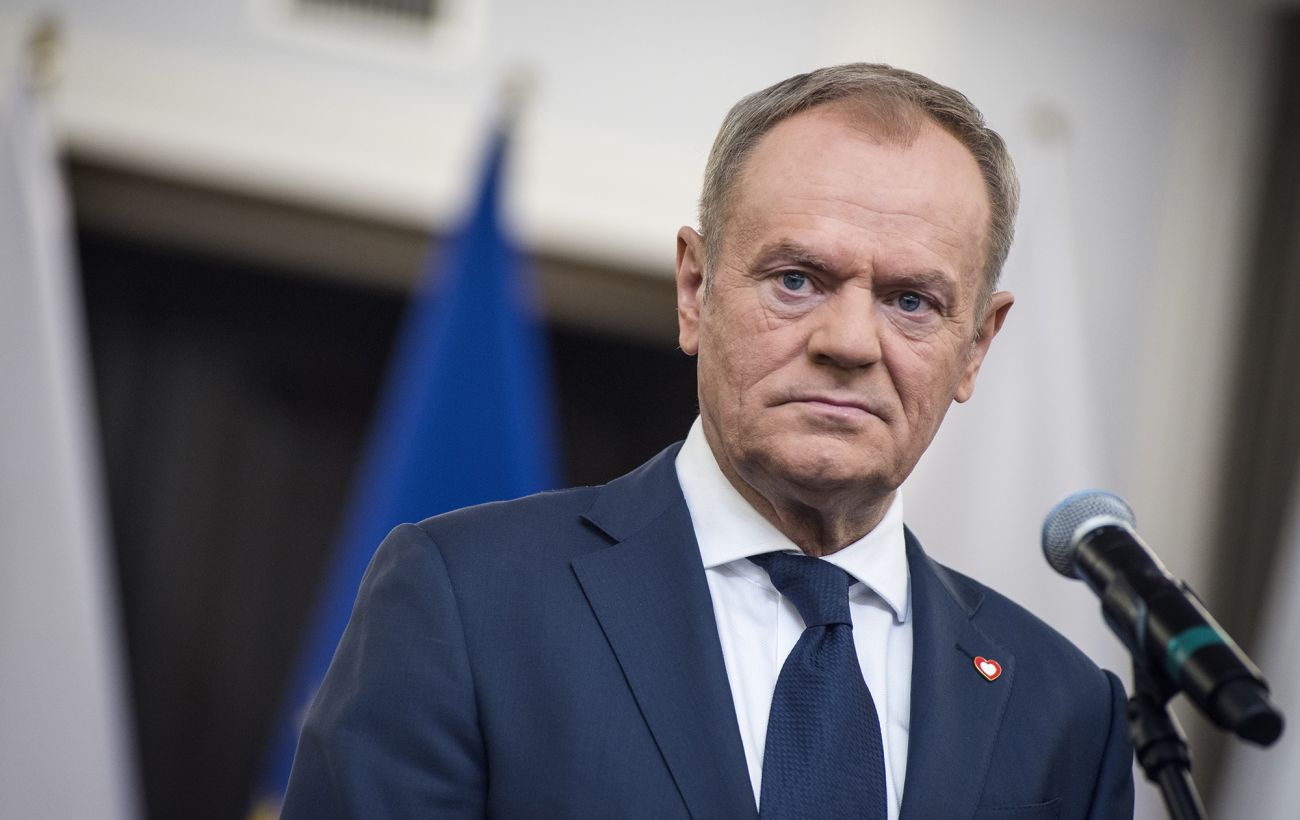
The EU says it remains ready to act independently if it fails to reach consensus. EU Economy Commissioner Valdis Dombrovskis stressed that Brussels does not rule out adopting measures at the EU level without full international agreement.
Context
The previous 19 sanctions packages already weakened the Russian economy, according to EU officials, who point to reduced access to technology, finance, and energy markets.
EU policymakers also debate replacing the current Russian oil price cap system with a complete ban on maritime transport, a move that would significantly reshape Western sanctions policy.
Earlier The Ukrainian Review noted that the United States temporarily allowed the purchase of Russian oil already in transit at sea.