

The European Union has found a legal workaround to avoid Hungary’s veto on the purchase of weapons for Ukraine with money received from Russia’s frozen assets in Europe.
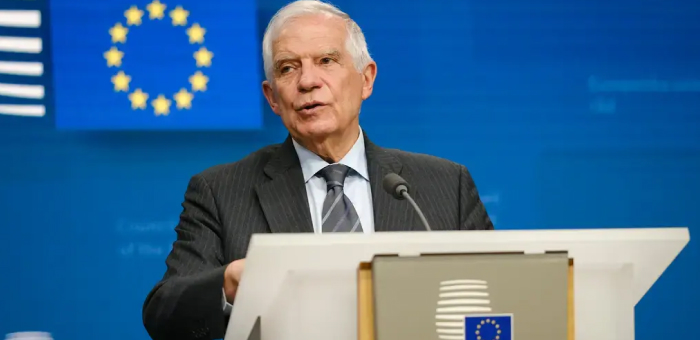
This was stated by the High Representative of the European Union for Foreign Affairs and Security Policy Josep Borrell in a commentary to the Financial Times, Hromadske reports.
In May, EU ambassadors agreed to use approximately €3 billion in profits from frozen Russian state assets stored in the Belgian depository Euroclear for the joint purchase of weapons for Ukraine.
The decision was approved after a lengthy debate. However, according to media reports, the Hungarian ambassador refused to give unanimous EU support for each payment to Ukraine.
To secure Hungary’s green light for the decision, Budapest was offered that its share of the funds would not be used to purchase weapons for Ukraine.
This solution convinced Hungary not to veto the scheme in its entirety, but the country delayed the implementation of its conditions by not supporting the necessary legislation for “automatic” payments.
Josep Borrell said that since Hungary abstained from the agreement, it “should not be part of the decision on the use of this money.”
He said that Hungary was offered a deal similar to the one that NATO made with Prime Minister Viktor Orban. In other words, Budapest refuses to participate in supporting Ukraine, but in exchange does not veto the decisions of other countries. But Hungary rejected this proposal.
Representatives of EU countries are to discuss a workaround today, June 24. Borrell noted that it was “complicated, like any legal solution,” but it should work.