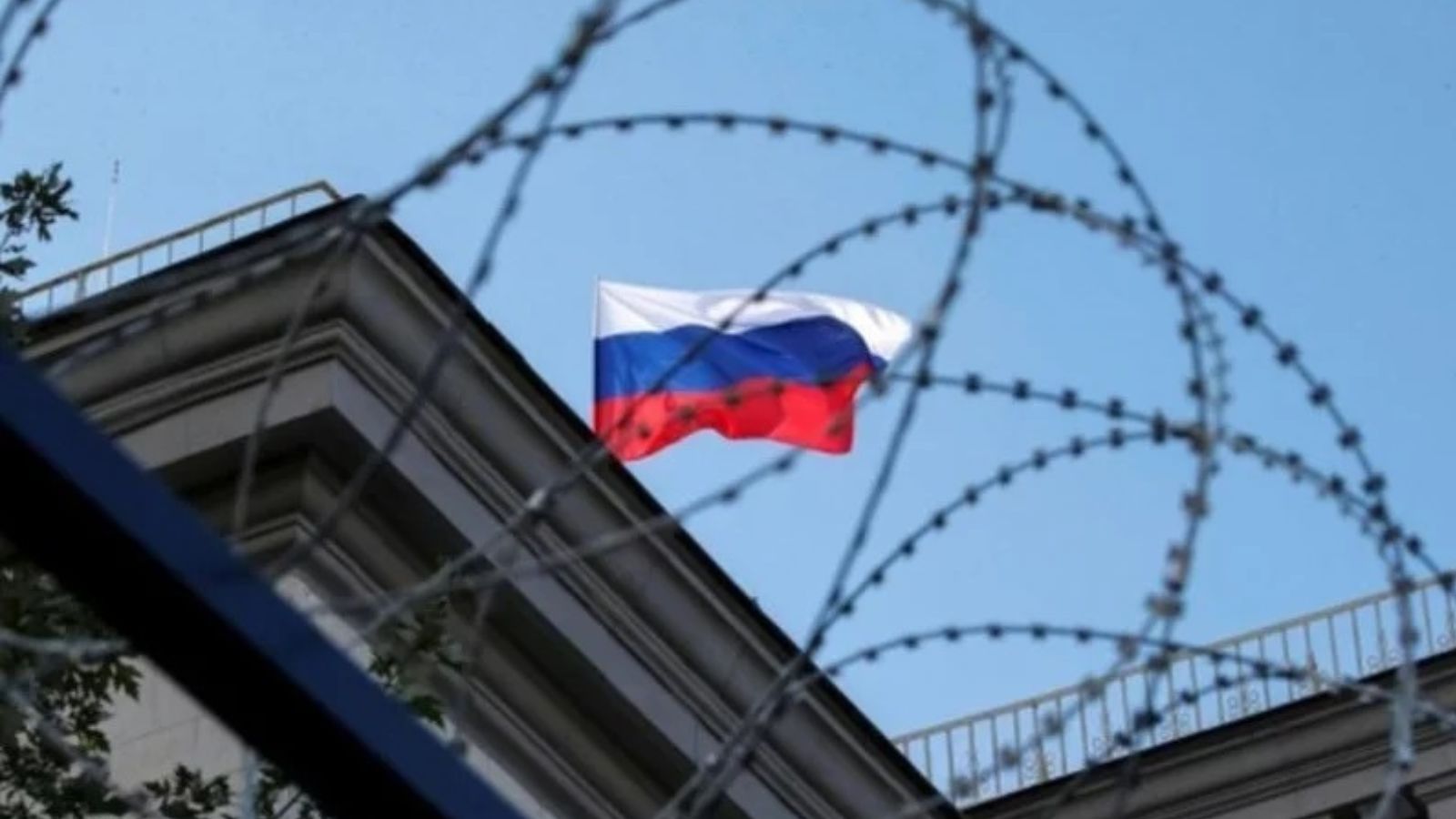


The European Union has started working on its 21st sanctions package, focusing on the “shadow fleet,” while the United Kingdom has expanded its list by adding 85 individuals and entities. Both actions aim to increase pressure on the Kremlin due to its ongoing aggression and war crimes, including the forced militarization of Ukrainian children.
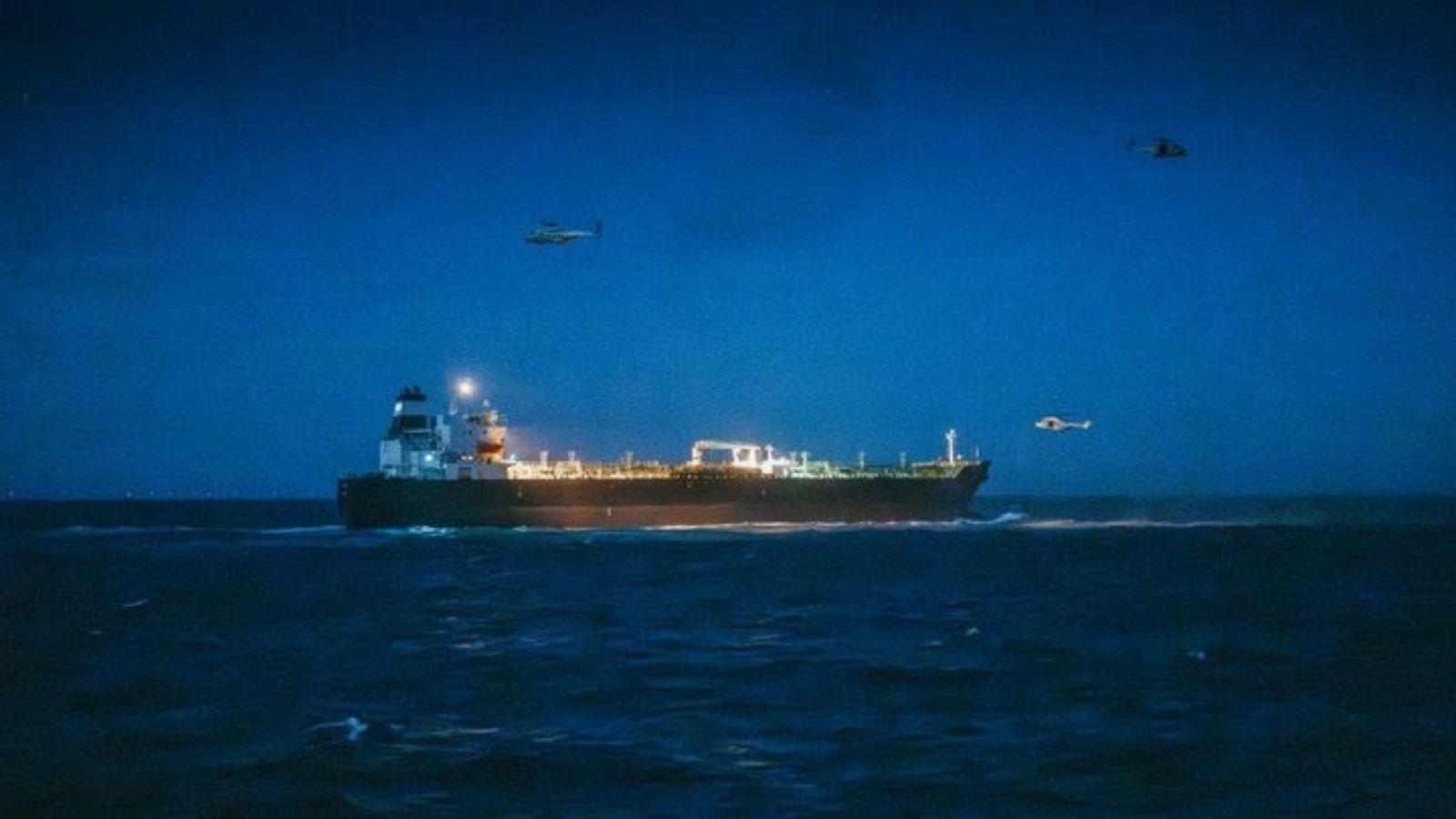
Politico reported that European diplomats are currently finalizing the details of the upcoming restrictions.
The main goal is to block revenue streams from oil exports facilitated by tankers with opaque ownership. The package is expected to be approved by late June or early July 2026. Beyond shipping, the sanctions will likely target Russian banks, military industries, and firms selling stolen Ukrainian grain.
Economic Pressure and the Internal State of Russia
European officials emphasize that now is the right time to double down on restrictions. The Russian economy is reportedly in its weakest state since the start of the full-scale invasion, providing an opportunity to strengthen Ukraine’s position.
“Russia’s economy is in its worst internal state since the start of the war. Now is truly the time to push for more because things are not going well for Moscow,” stated a high-ranking EU official.
As part of the 21st package, the European Commission plans to revisit personal sanctions against the leadership of the Russian Orthodox Church, specifically Patriarch Kirill. These measures were previously blocked by Viktor Orbán’s government, but EU leaders now see a “new momentum” for decisive action.
UK Sanctions Over Crimes Against Children
In a separate move, the United Kingdom expanded its sanctions regime on May 11. According to the UK government, 85 individuals and entities were added to the list. London is focusing on exposing the systematic deportation of Ukrainian children and recent attempts to interfere in foreign elections.
The list includes top managers of the “Dialog” organization, the head of “Rosmolodezh” Grigory Gurov, and proxy officials from the occupied Donetsk and Luhansk regions. Several “internet development institutes” and propaganda media outlets were also sanctioned. All assets belonging to these individuals in the UK are frozen, and they are banned from entering the country.
Previously, The Ukrainian Review reported that the EU to impose new sanctions on Russia over deportation of Ukrainian children.