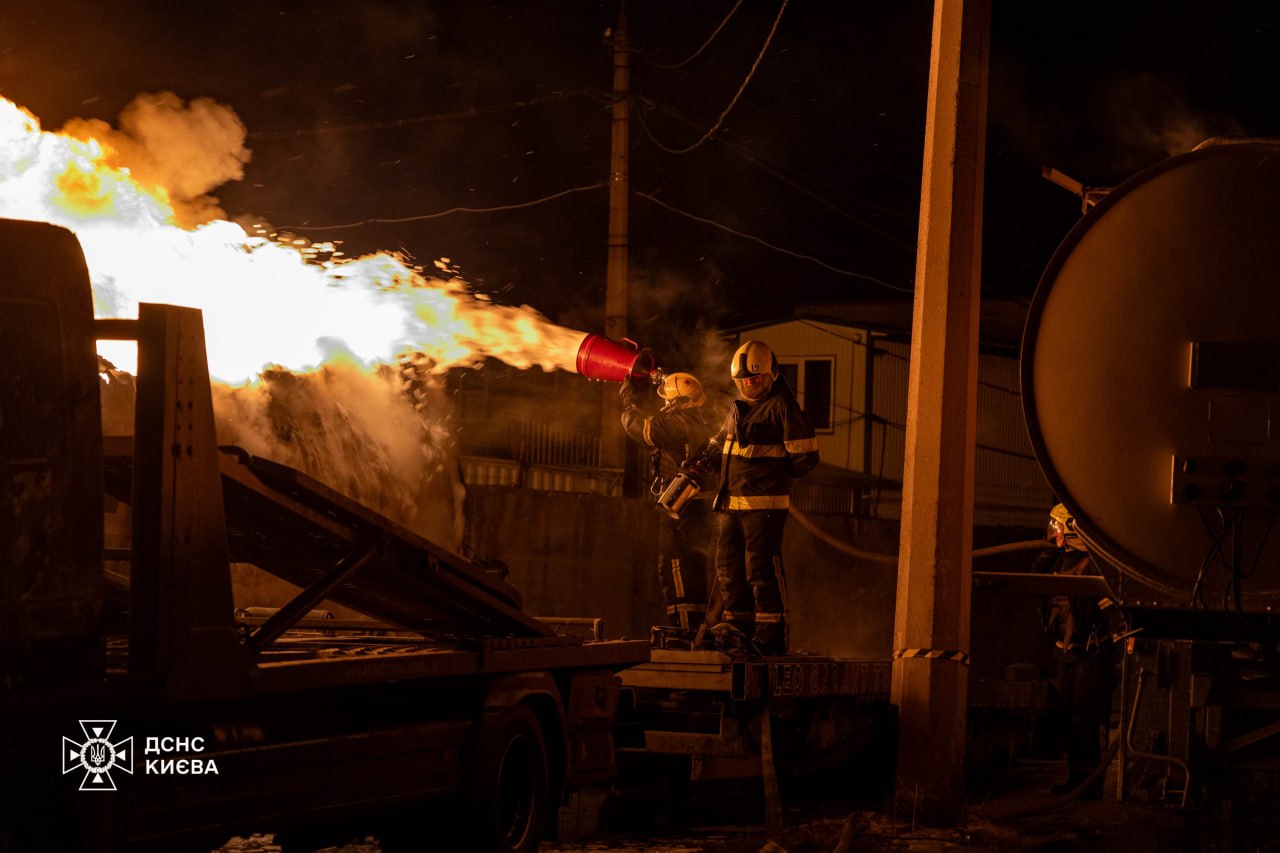
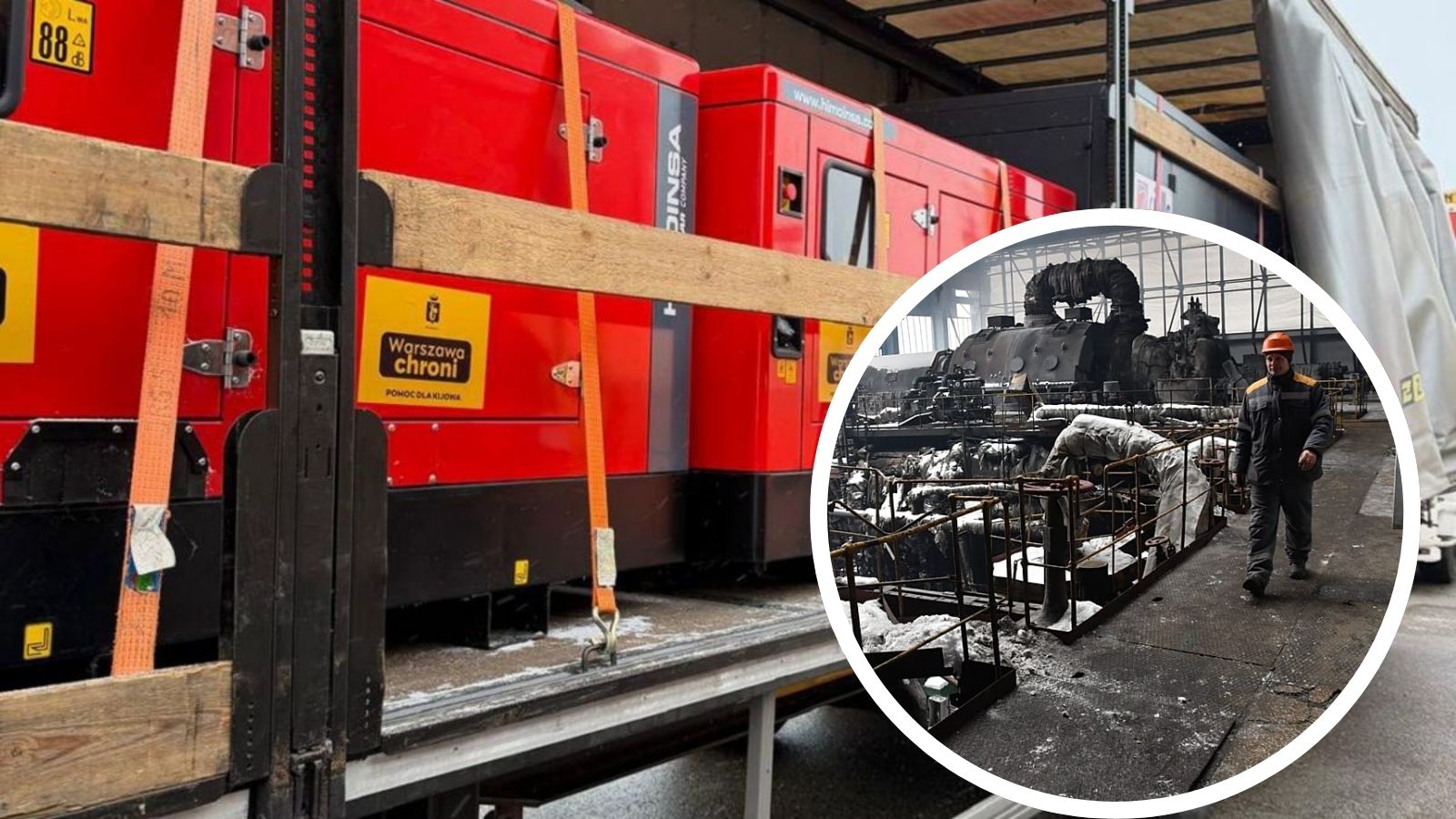


The European Union is urgently sending 447 power generators to Ukraine to mitigate a critical energy crisis. This information is contained in a statement by the European Commission, released on Friday, January 23. Recent Russian attacks have targeted the national grid during a period of extreme cold, leaving over one million people without electricity and heating. President Volodymyr Zelenskyy has officially declared an energy emergency as temperatures remain near -20°C.
Strategic Reserves Mobilized for Critical Facilities
The European Commission is utilizing its rescEU strategic reserves, currently hosted in Poland, to provide immediate relief. This assistance package, valued at approximately 3.7 million euros, aims to restore power to hospitals, shelters, and other vital infrastructure. European officials emphasized that this support is essential for maintaining basic services for the civilian population during the harshest winter months.
International coordination is also expanding through diplomatic channels. France is organizing a high-level call with G7 partners and Baltic states to further stabilize the Ukrainian energy sector. This initiative includes the delivery of 100 additional generators and 13 megawatts of extra electricity capacity. Simultaneously, regional partners like Poland and the city of Warsaw are contributing several hundred more units to assist the most affected communities.
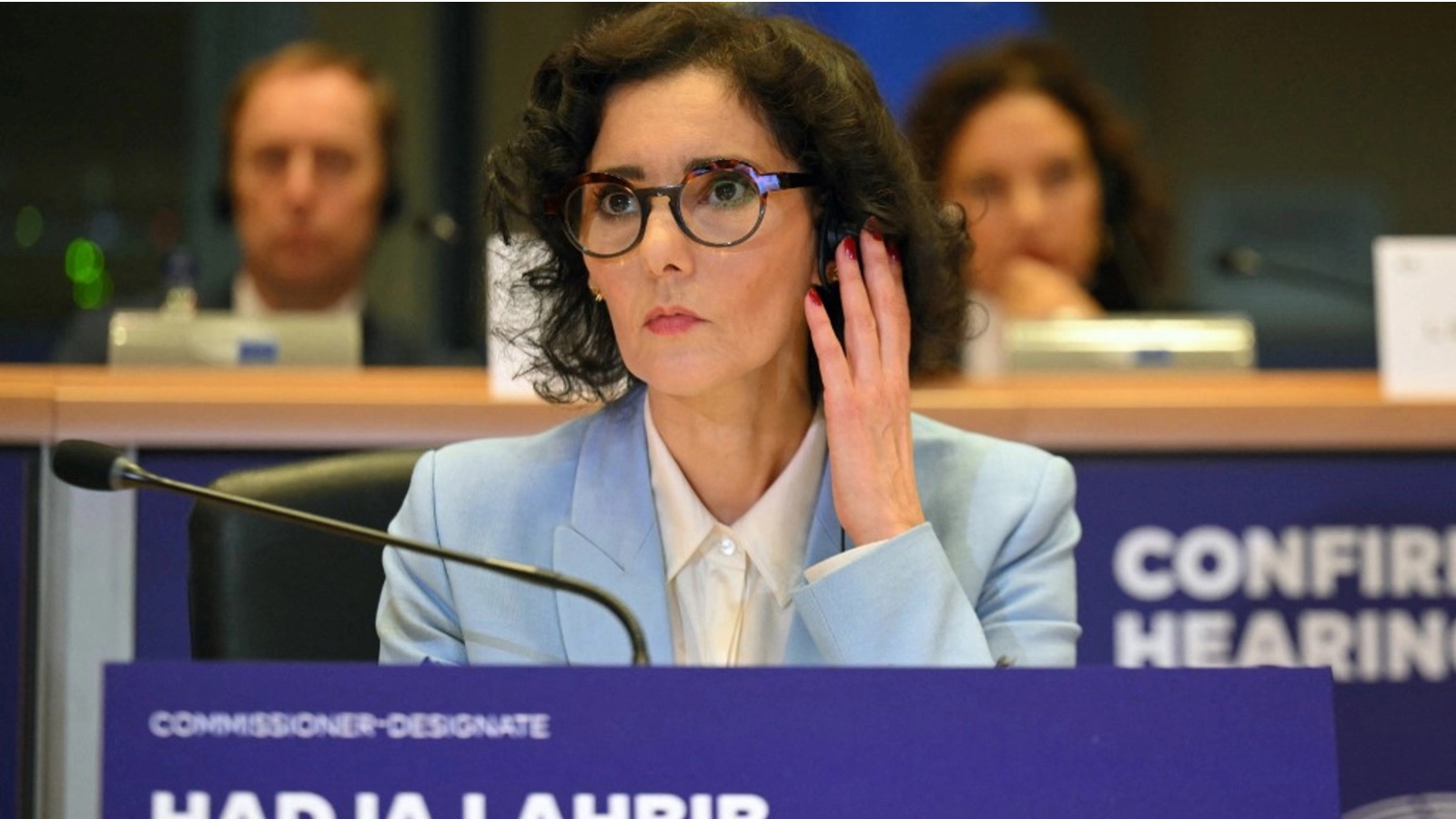
“Russia’s continued attacks on Ukraine’s energy infrastructure are deliberately depriving civilians of heat, light and basic services in the middle of harsh winter,” said European Union crisis management commissioner Hadja Lahbib.
Long-term Resilience and Humanitarian Assistance
The current deployment is part of a much larger logistics operation led by the EU Civil Protection Mechanism. Since the start of the full-scale invasion, the European Union has delivered nearly 10,000 generators to Ukraine. Furthermore, the Commission recently completed the relocation of a complete thermal power plant from Lithuania. This massive project significantly restores the long-term capacity of the Ukrainian energy system.
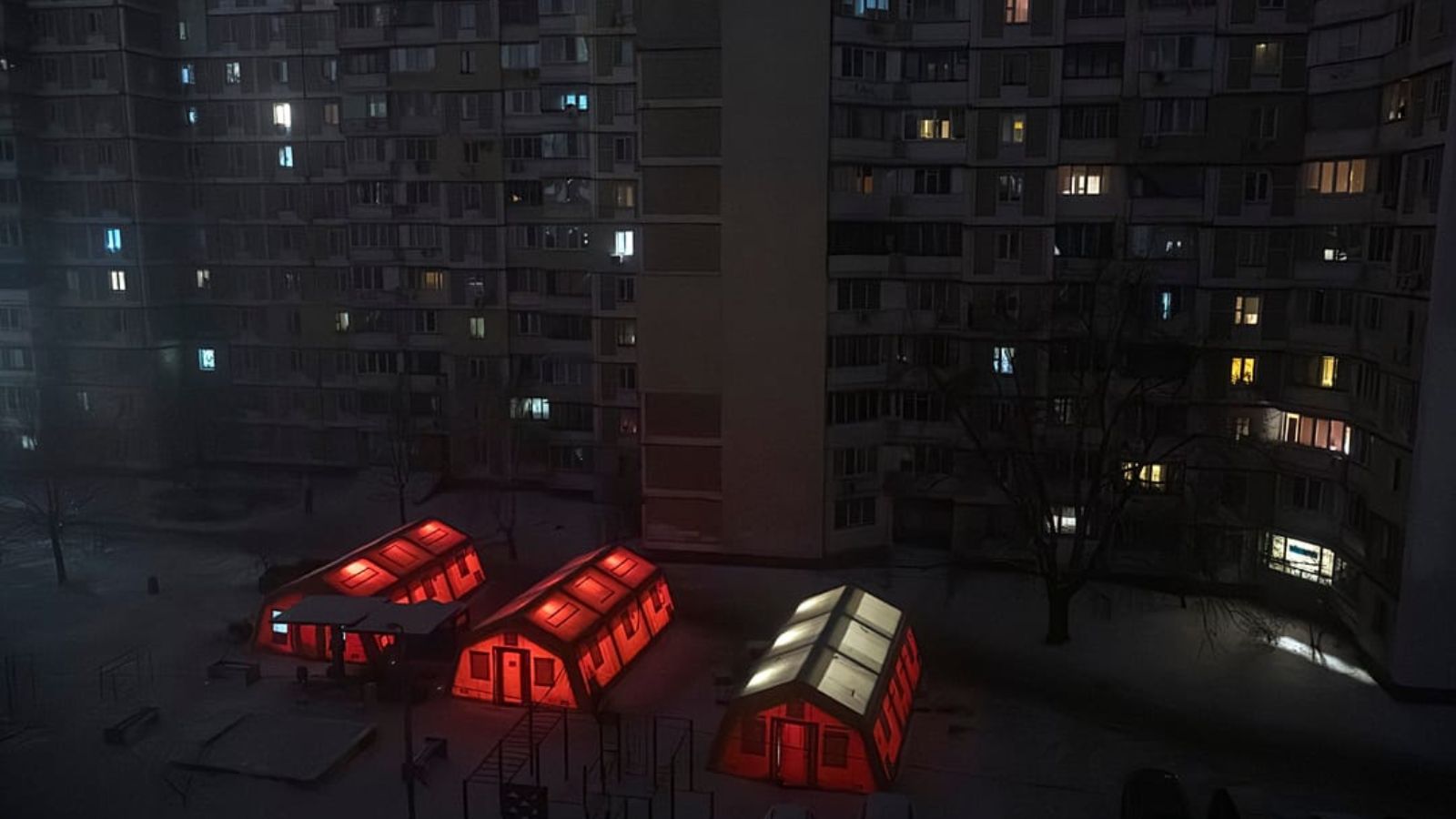
The domestic situation remains extremely difficult, particularly in Kyiv and five other regions. Energy Minister Denys Shmyhal described recent days as the most challenging for the grid since the 2022 blackouts. Ukrainian engineers continue to work in hazardous conditions to repair destroyed high-voltage lines. Meanwhile, the Ministry of Internal Affairs has advised citizens to stock up on food and water due to the high risk of prolonged outages.
Conclusion
The rapid mobilization of generators by the European Union demonstrates a unified international effort to prevent a humanitarian catastrophe. By combining immediate technical aid with long-term infrastructure projects like the Lithuanian power plant transfer, the EU provides a vital lifeline for the Ukrainian grid. These resources ensure that critical services remain operational despite the systematic targeting of energy facilities by Vladimir Putin’s forces. Ultimately, the continued support from Brussels and regional allies like Poland remains the primary defense against the weaponization of winter.