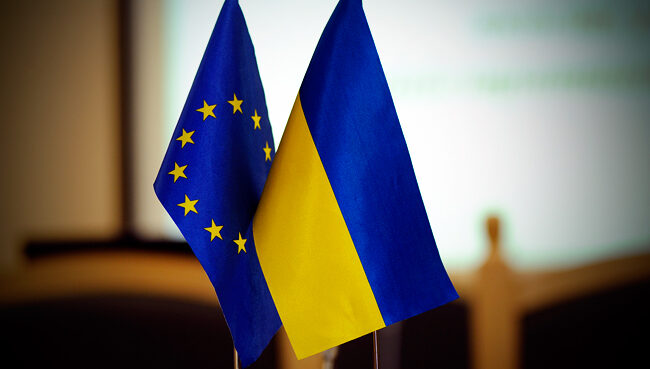


Some EU countries do not support fast-tracking new members, including Ukraine. Among those opposing the idea are France, Germany, the Netherlands, and Italy.
Details
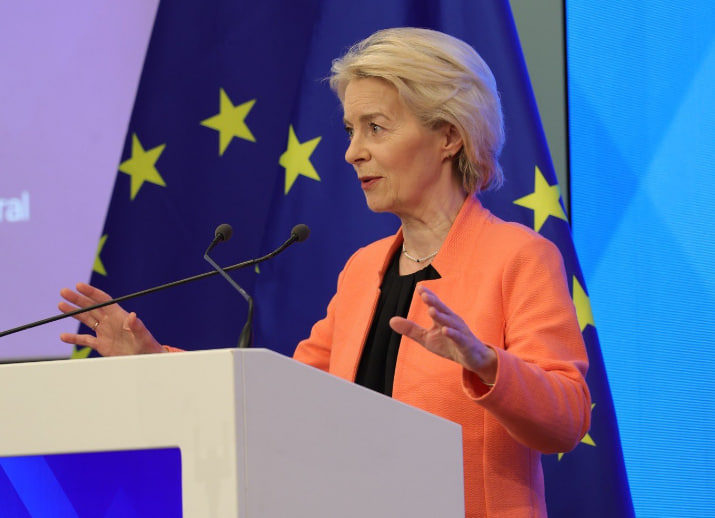
On April 14, Politico reported that many EU member states do not share the expansion vision that Ursula von der Leyen promotes. According to nine EU diplomats and officials, the main concern is political. The governments fear empowering populists. At the same time, many countries would need to hold national referendums for each new member.
Another factor is previous experience. Some officials still recall difficulties in communication with Hungary after it joined the EU in 2004.
Notably, the EU has not accepted new members since 2013, when Croatia joined. Meanwhile, “EU enlargement” remains a key initiative of von der Leyen. It was expected to appear on the agenda of the upcoming EU summit in Cyprus later this month. However, due to resistance from several leaders, it is now unclear whether the issue will even be discussed.
“Enlargement must remain demanding and merit-based to ensure its success and credibility,” said Benjamin Haddad.
Additional concerns
European capitals also worry about domestic political backlash. Leaders fear that admitting new members could trigger heated national debates.
For example, before Poland joined the EU in 2004, the so-called “Polish plumber” debate spread across Europe. Some politicians warned that cheaper Polish labor would replace higher-paid Western jobs. As a result, public concern grew in several countries.
“The same semi-populist, semi-xenophobic arguments we heard about the Poles, we are likely to hear with the Ukrainians and any other candidate,” a diplomat said.
He added that people often question who new members are and what role they will play in the EU, while also fearing job competition.
In addition, EU officials worry that new members could increase the number of vetoes. Therefore, the European Commission may consider temporarily limiting veto rights for new members during their first years in the bloc.
Countries for and against
In France, the law requires a referendum on admitting new members. A vote on Ukraine could boost the campaign of Jordan Bardella, leader of the National Rally. Polls show he is ahead of his center-right rival Édouard Philippe in the first round of the 2027 presidential election.
Germany, the Netherlands, and Italy acknowledge that Ukraine and Moldova are under pressure and may need faster accession. However, they insist the process must follow standard rules without exceptions.
Meanwhile, Hungary may shift politically after Péter Magyar won the April 12 elections. Still, he shares the same position as Viktor Orbán regarding Ukraine’s fast-track accession — he opposes it.
On the other hand, Sweden and Denmark support granting Ukraine membership. They advocate completing negotiations by the end of 2027. However, the process cannot begin without unanimous approval from all EU members.
Earlier, The Ukrainian Review reported that Péter Magyar held his first major press conference in Budapest after his election victory, where he presented a plan for sweeping reforms.