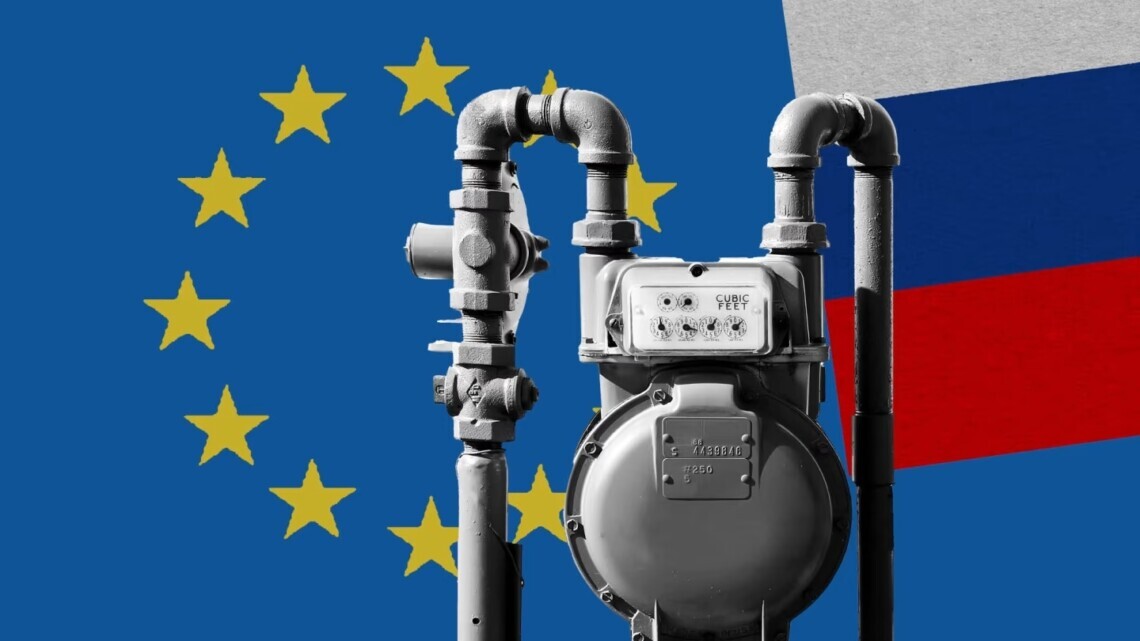


The European Union has preliminarily reached a political agreement on a gradual but complete ban on Russian gas imports. The EU Council announced this on December 3. Here’s why it matters and what it means for Europe, Ukraine, and Russia.
Phased Exit: Key Dates and Conditions
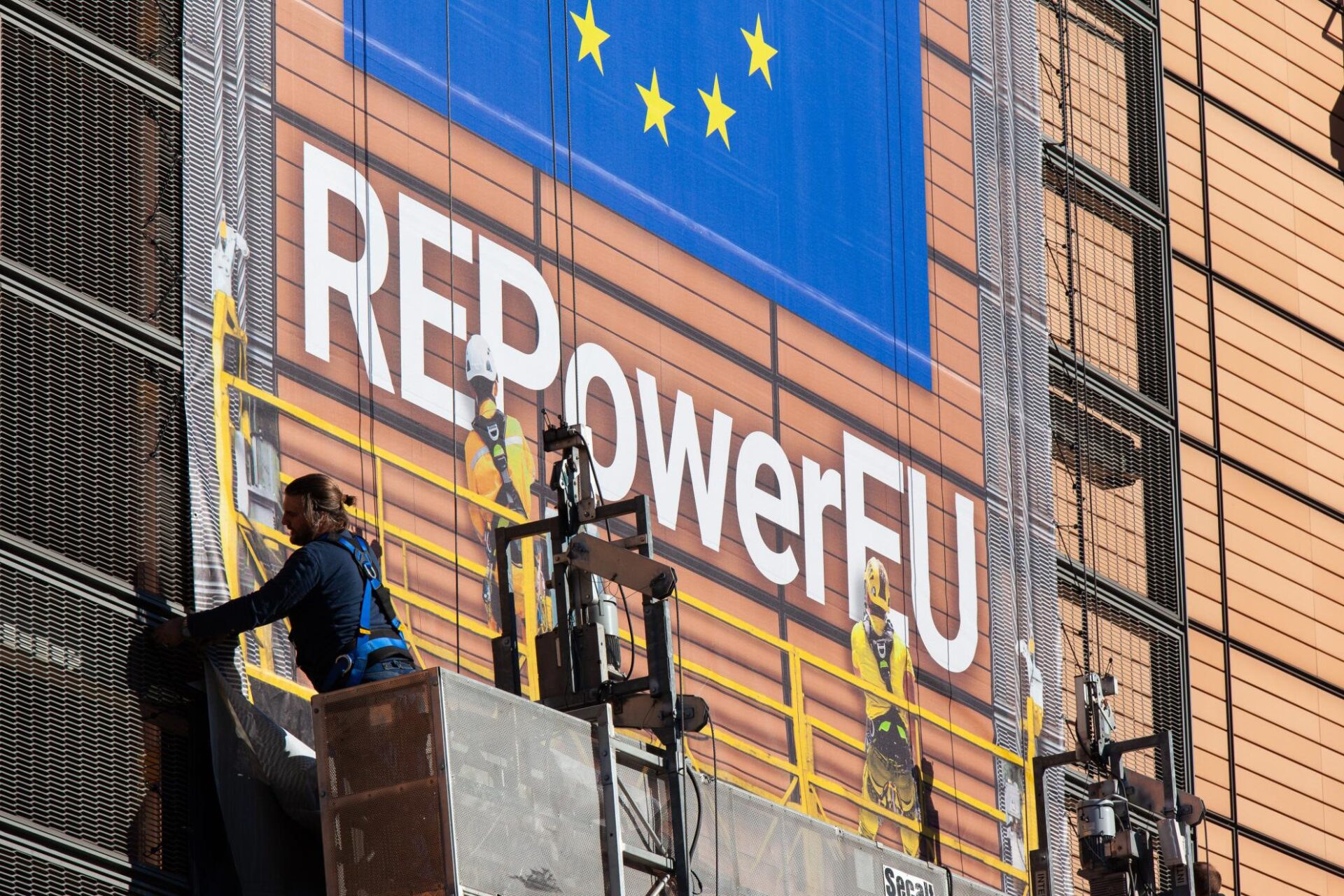
The EU Council and the European Parliament agreed on a regulation that legally obliges countries to stop importing Russian gas, both liquefied (LNG) and pipeline gas. This is part of the REPowerEU plan, aimed at ending Europe’s dependence on Russian energy, especially after Russia started using gas as a tool for political pressure.
The EU will implement the ban in stages. Six weeks after the regulation takes effect, it will halt all new gas supplies from Russia. The EU will gradually phase out short-term contracts signed before June 17, 2025: it will ban LNG imports from April 25, 2026, and pipeline gas from June 17, 2026. It will also end long-term contracts: LNG imports from January 1, 2027, and pipeline gas from September 30, 2027, provided storage targets are met, with the EU stopping all supplies no later than November 1, 2027. It will allow changes to existing contracts only for technical reasons and will not let them increase gas volumes.
How Imports Will Be Controlled
To ensure the ban is effective, the EU is introducing a system of prior authorization for gas imports. This will help track the origin of gas and prevent circumvention through third countries. Some supplier countries that do not have access to Russian gas or the technical capacity to import it may be exempt from this procedure. The European Commission will regularly update the list of these countries.
National Diversification Plans and EC Oversight
All EU countries must submit their national diversification plans and inform the European Commission of existing gas contracts with Russia or their own national bans within one month after the regulation comes into force. Similar requirements will apply to Russian oil: countries that still import it must gradually stop by the end of 2027.
The regulation also provides for penalties for violations and allows for a temporary suspension of the ban if the energy security of a particular country is at risk. The European Commission will assess the regulation’s effectiveness two years after it comes into effect.
Why It Matters for Europe
Since the start of the full-scale war, imports of Russian gas have decreased significantly, but in 2025 they still account for around 13% of EU supply—roughly €15 billion per year that continues to flow into the Russian budget. A full, albeit phased, ban means that Moscow will lose a stable and profitable market that has provided a significant share of its revenue for decades.
The ban aims to increase EU energy security, reduce the risks of coercion, accelerate the development of alternative energy, and make the energy market more resilient and predictable.
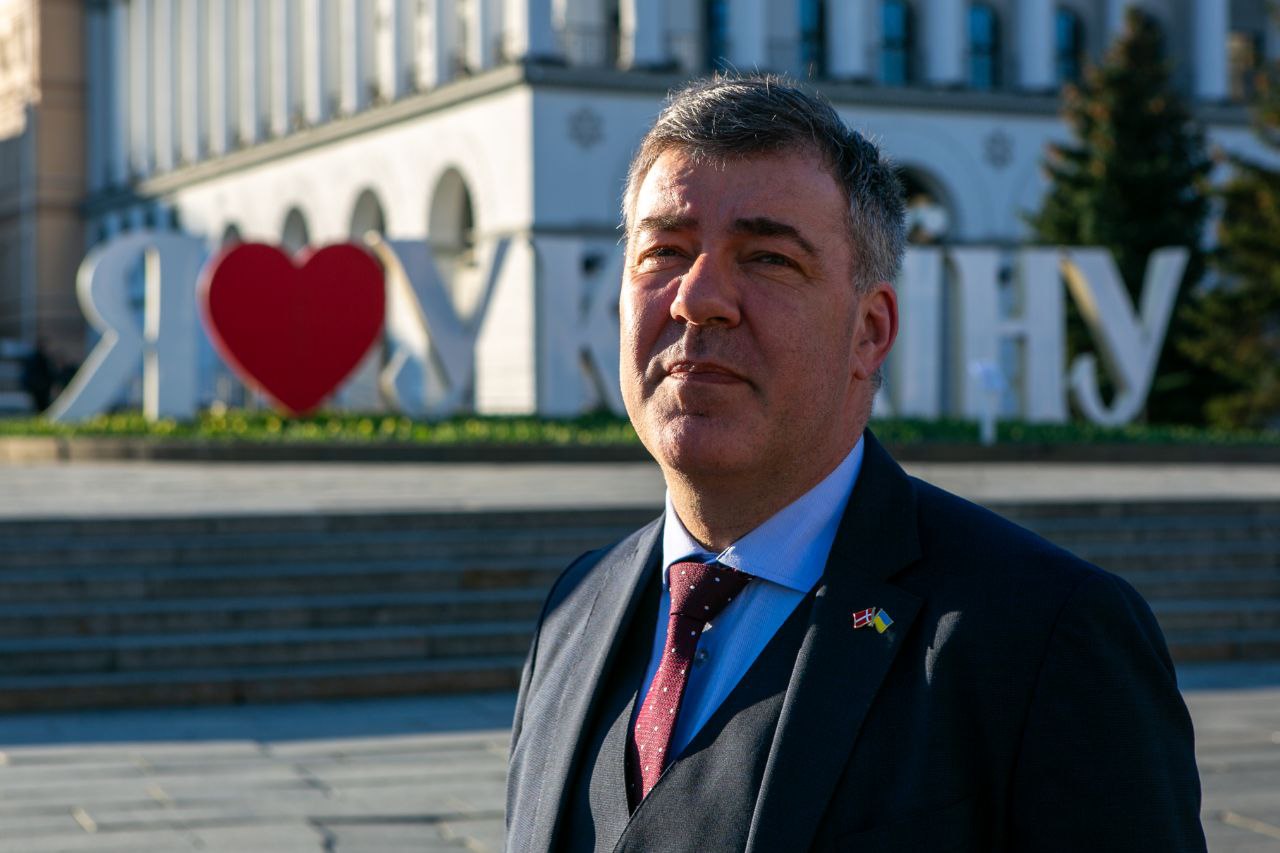
This is a big win for us and for all of Europe. We have to put an end to EU’s dependence on Russian gas, and banning it in the EU permanently is a major step in the right direction, Lars Aagaard, Denmark’s minister for climate, energy and utilities stated.
What It Means for Ukraine
For Ukraine, this decision has political, economic, and security significance. First, the EU demonstrates its readiness to fully cut off one of Russia’s main sources of revenue. Second, the reduction in Russian gas flows lowers the risks of transit manipulation and pressure on Ukraine’s gas transmission system. Third, a stronger European energy market opens opportunities for cooperation, system synchronization, and deeper integration of Ukraine with the EU.
Losses for Russia
Russia is losing its largest and most profitable gas market, which its infrastructure was designed to serve. Most pipelines and terminals were built specifically for European supplies, so it cannot quickly redirect volumes to other markets. This will lead to significant financial losses, reduced budget revenues, and increased domestic economic pressure. Finding new partners in Asia or other regions will take years and require major investments. As a result, the long-term consequences for Russia’s economy will be severe and painful, both financially and strategically.
Conclusions
The EU is taking a historic step toward energy independence. It is demonstrating its readiness to cut off a major source of Russian leverage. For Ukraine, this decision strengthens security, enhances grid stability, and confirms Europe’s long-term commitment to reducing Russian influence. For Moscow, it is a serious and irreversible blow to revenues that have funded its economy and military ambitions for decades. Losing the European market forces Russia to seek new export routes, which takes time, investments, and creates significant economic risks. Ultimately, this decision weakens Russia not only economically but also strategically, while strengthening the positions of Ukraine and Europe.