

The European Union has agreed to freeze Russian assets indefinitely, effectively removing Hungary’s ability to block the planned “reparations loan” to Ukraine. According to Reuters, EU ambassadors supported keeping the assets frozen “until the end of Russian aggression,” instead of renewing them every six months with unanimous approval from all member states.
How Freeze Mechanism Changes
Previously, decisions required the consent of all 27 EU countries. Now, the €210 billion of frozen Russian assets will remain frozen “as long as necessary” to protect the EU economy. This eliminates the risk that Hungary or Slovakia could block an extension, forcing the assets to be returned to Russia. The measure is based on Article 122 of the Treaty on the Functioning of the EU, which allows exceptional measures in case a member state is “in difficulties or seriously threatened.”
Reaction from Hungary and Russia
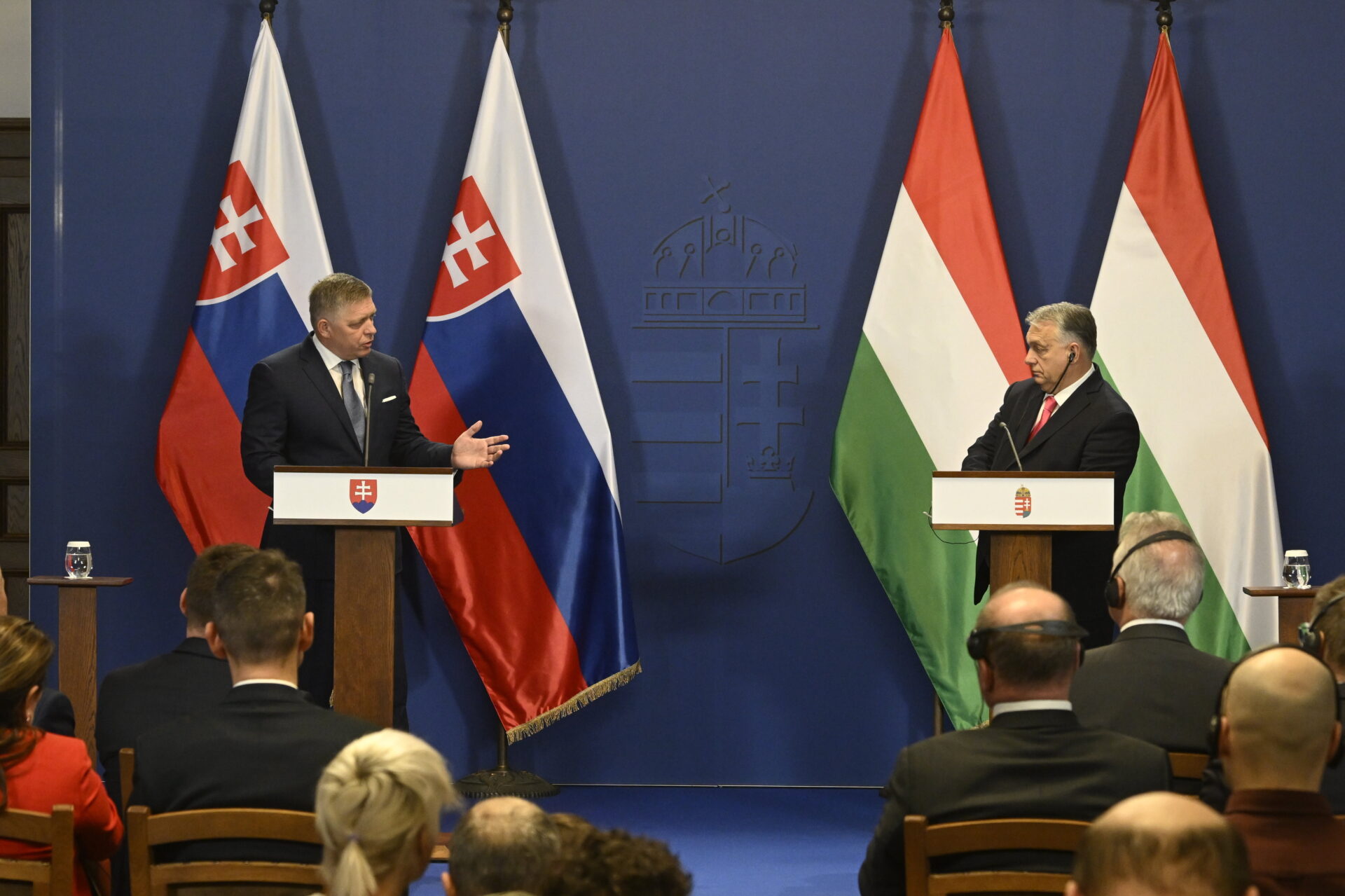
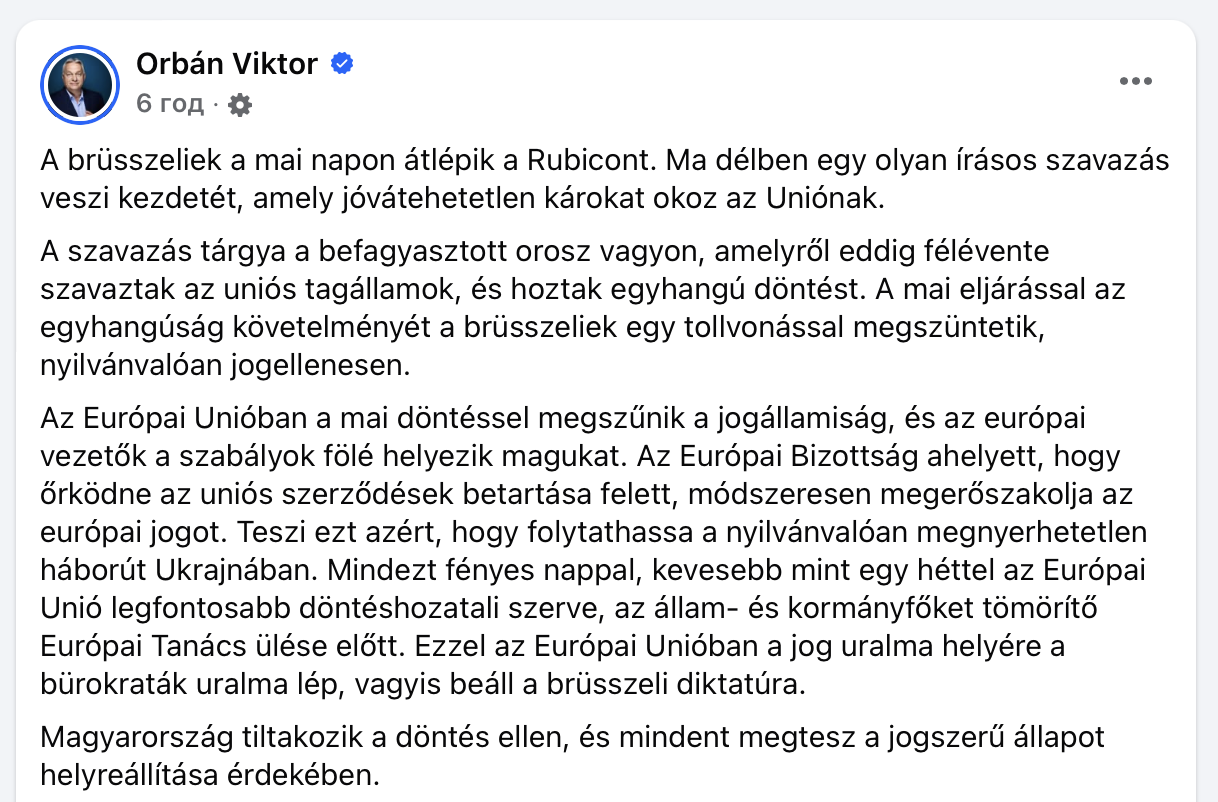
Hungary strongly opposed the decision. As the country’s permanent representatives in Brussels stated, it is an “unjust decision taken to bypass unanimity.” Prime Minister Viktor Orbán stressed that the step would “cause irreparable damage to the Union” and promised to “do everything to restore legality.”
Today, Brussels leaders cross the Rubicon. At noon, a written vote will begin that will cause irreparable harm to the Union. The vote concerns the frozen Russian assets, which until now EU member states voted on every six months and adopted by unanimous decision. With today’s procedure, the Brussels leadership is abolishing the requirement for unanimity with a single stroke of the pen — clearly illegally, Orbán wrote on Facebook.
Meanwhile, Russia’s central bank said the use of its assets is illegal and filed a lawsuit against Euroclear.
What Changes for Loan to Ukraine
According to Reuters, the indefinite freeze is intended to reassure Belgium, which is most concerned about legal risks. The Belgian position had stalled the €165 billion plan for Ukraine for several months.
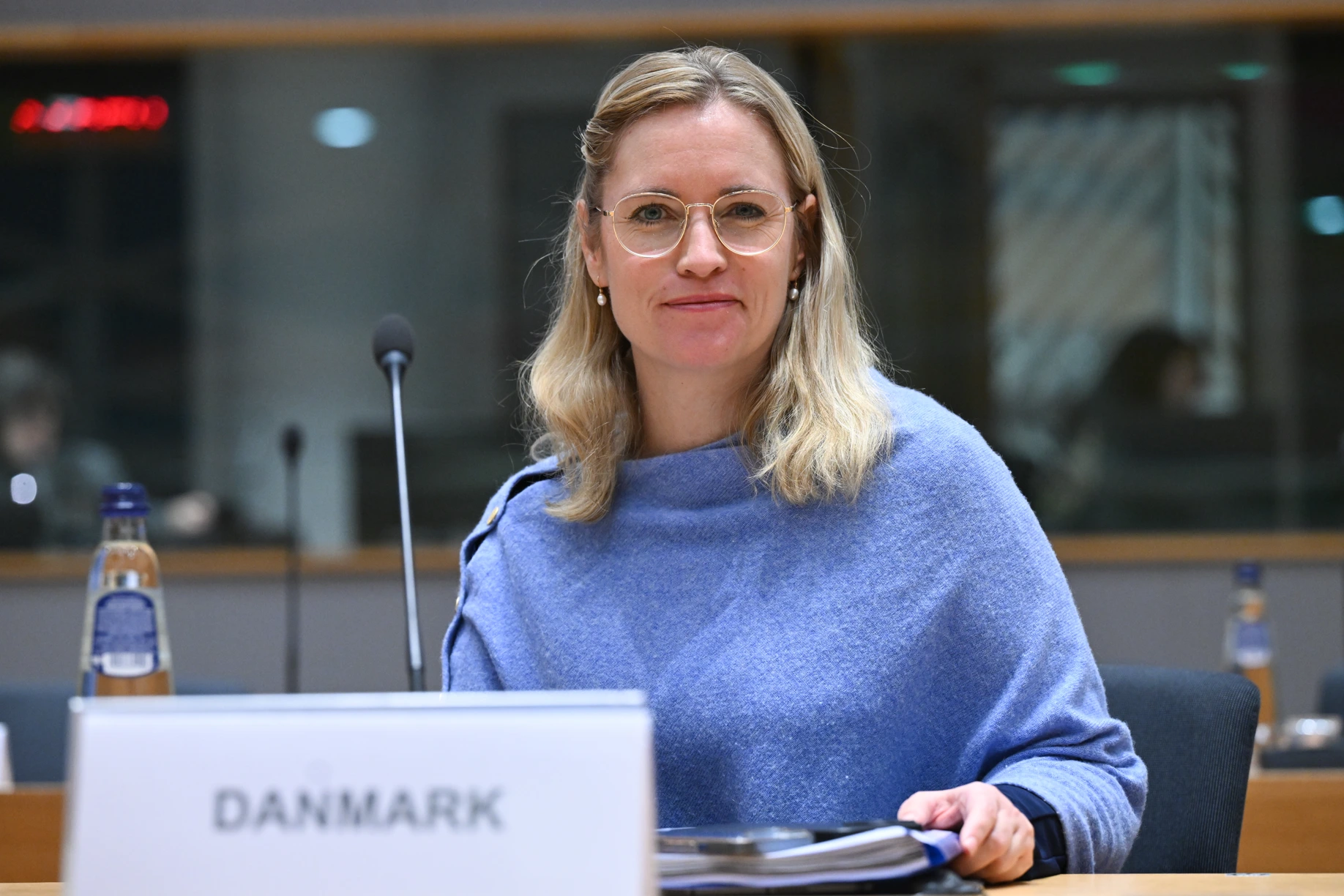
As Danish Finance Minister Stephanie Lose explained:
We think that the reparations proposal is by far the best option also because it doesn’t stress countries, public finances, public debt levels.
The essence of the loan is that Ukraine will only repay it after receiving reparations from Russia, making it effectively an advance on future payments.
Slovakia’s Objection
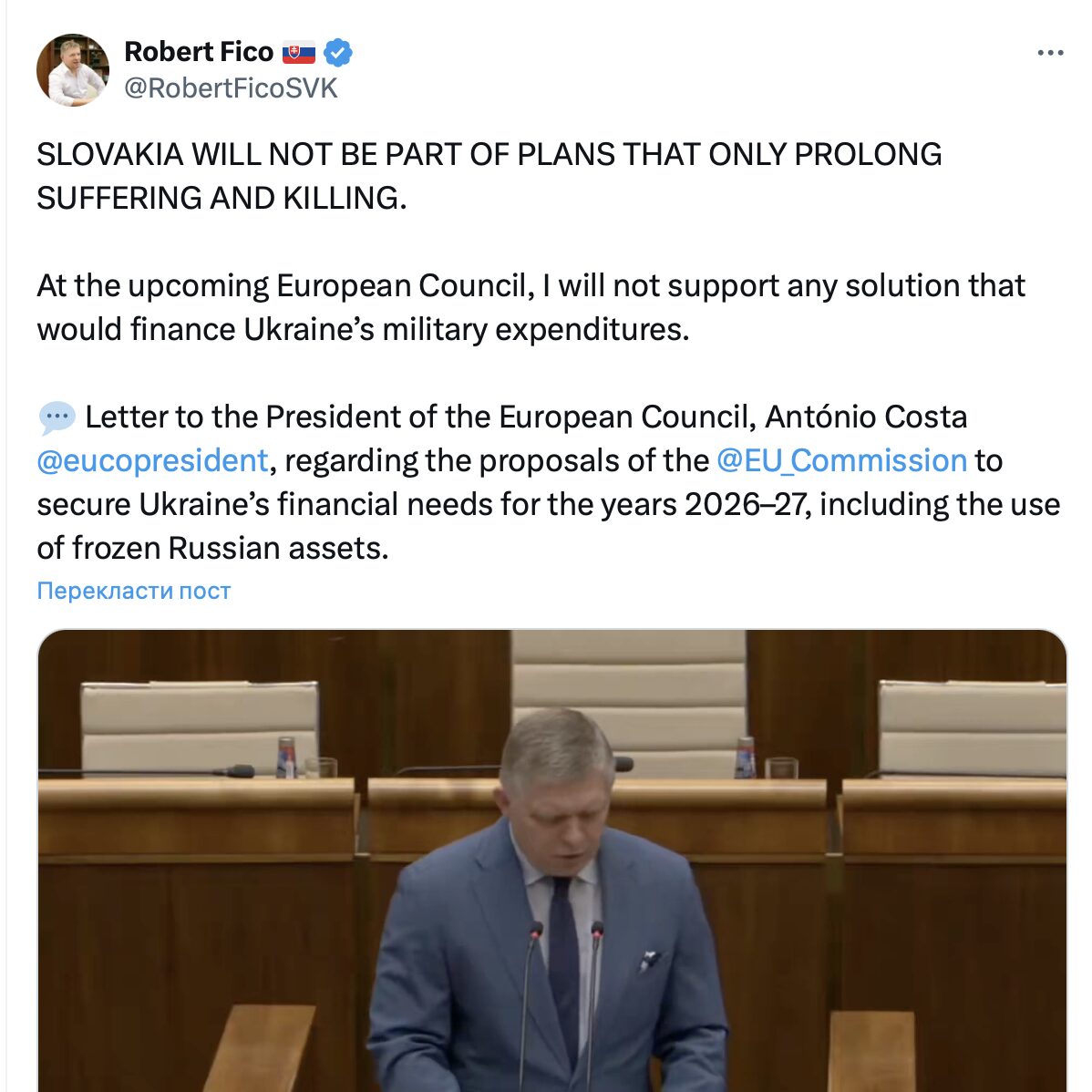
Slovak Prime Minister Robert Fico also stated that he would “under no circumstances” support using frozen assets for Ukraine’s military needs. He described the continuation of the war as “senseless killing” and expressed support for what he called Donald Trump’s “peace initiatives.”
I have long and unequivocally expressed my position on the military conflict in Ukraine. This conflict has no military solution. The EU’s strategy is wrong and ineffective, and continuing the war is only senseless killing without strengthening Ukraine’s position in potential peace negotiations, Fico said.
He also criticized Kyiv over alleged “corruption scandals” and the suspension of gas transit, which he claimed caused losses to Slovakia.
Conclusions
The EU has taken a step that could unblock a key financial instrument for Ukraine. At the same time, discussions within the Union remain contentious. The new mechanism reduces the influence of individual states on the continuation of asset freezes, but legal and political risks — particularly from Hungary, Slovakia, and Russia — remain high.