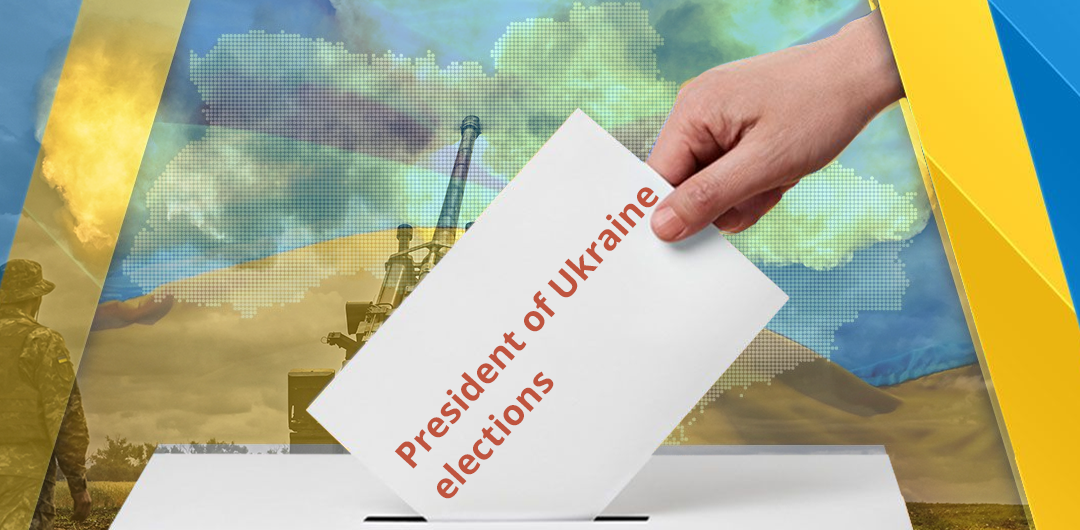


The eighth presidential election of Ukraine is scheduled for 2024.
However, Ukrainian legislation prohibits holding elections during martial law (introduced by the President of Ukraine Volodymyr Zelenskyy on February 24, 2022, and extended from August 18, 2023, for another 90 days in connection with the ongoing armed aggression of the Russian Federation).
It is currently unknown when the war will end. Only the Constitutional Court of Ukraine can make a final decision on the possibility of holding elections under martial law.
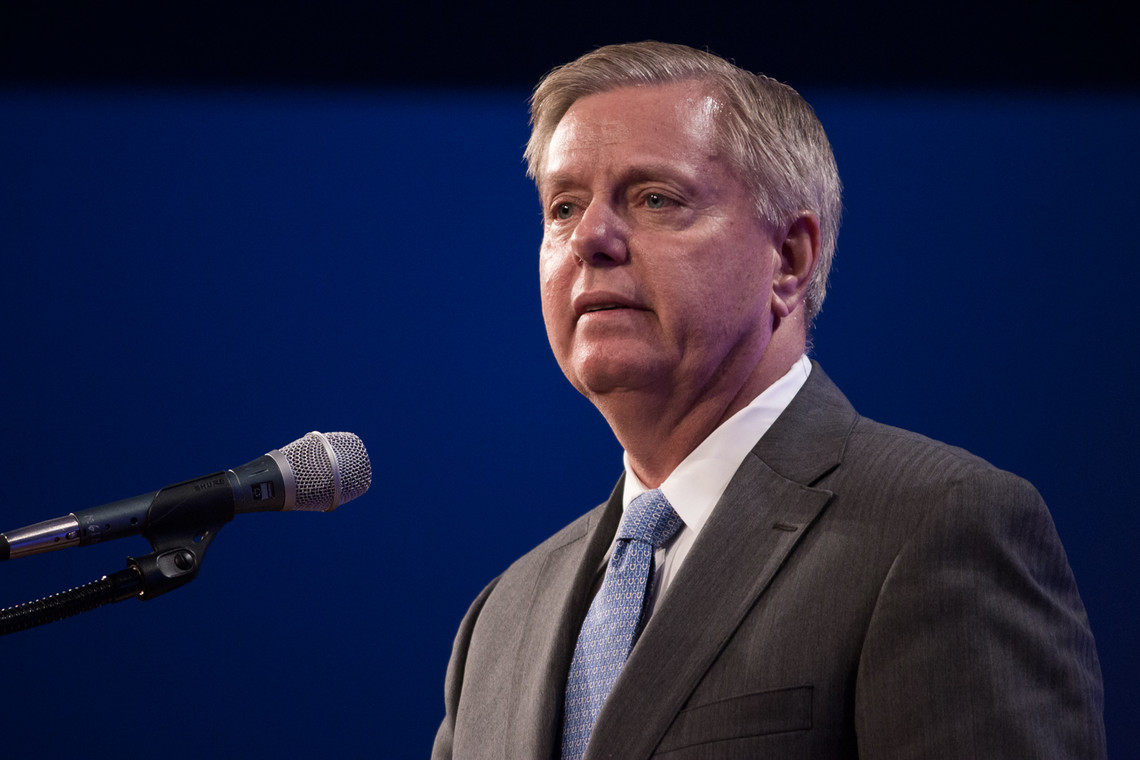
US Republican Senator Lindsey Graham said that the presidential elections of Ukraine should be held next year despite the Russian invasion:
“I want free and fair elections to be held in this country, even when it is under attack. The American people should know that Ukraine has changed. In the past, it was a very corrupt country.”
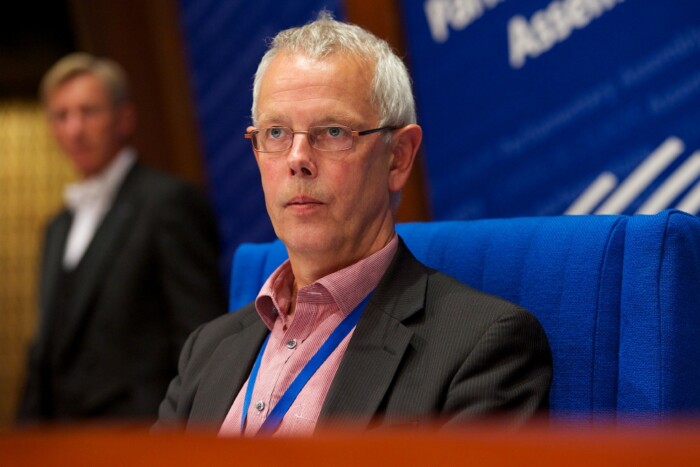
The President of the Parliamentary Assembly of the Council of Europe Tiny Kox also insists on the need to hold parliamentary and presidential elections in Ukraine even under martial law.
One of the reasons for insisting on elections is to preserve democracy in the country.
Are elections the only sign of democracy?
Democracy is a system of government in which the laws, policies, leadership, and basic measures of a state or other governmental organization are directly or indirectly determined by the people.
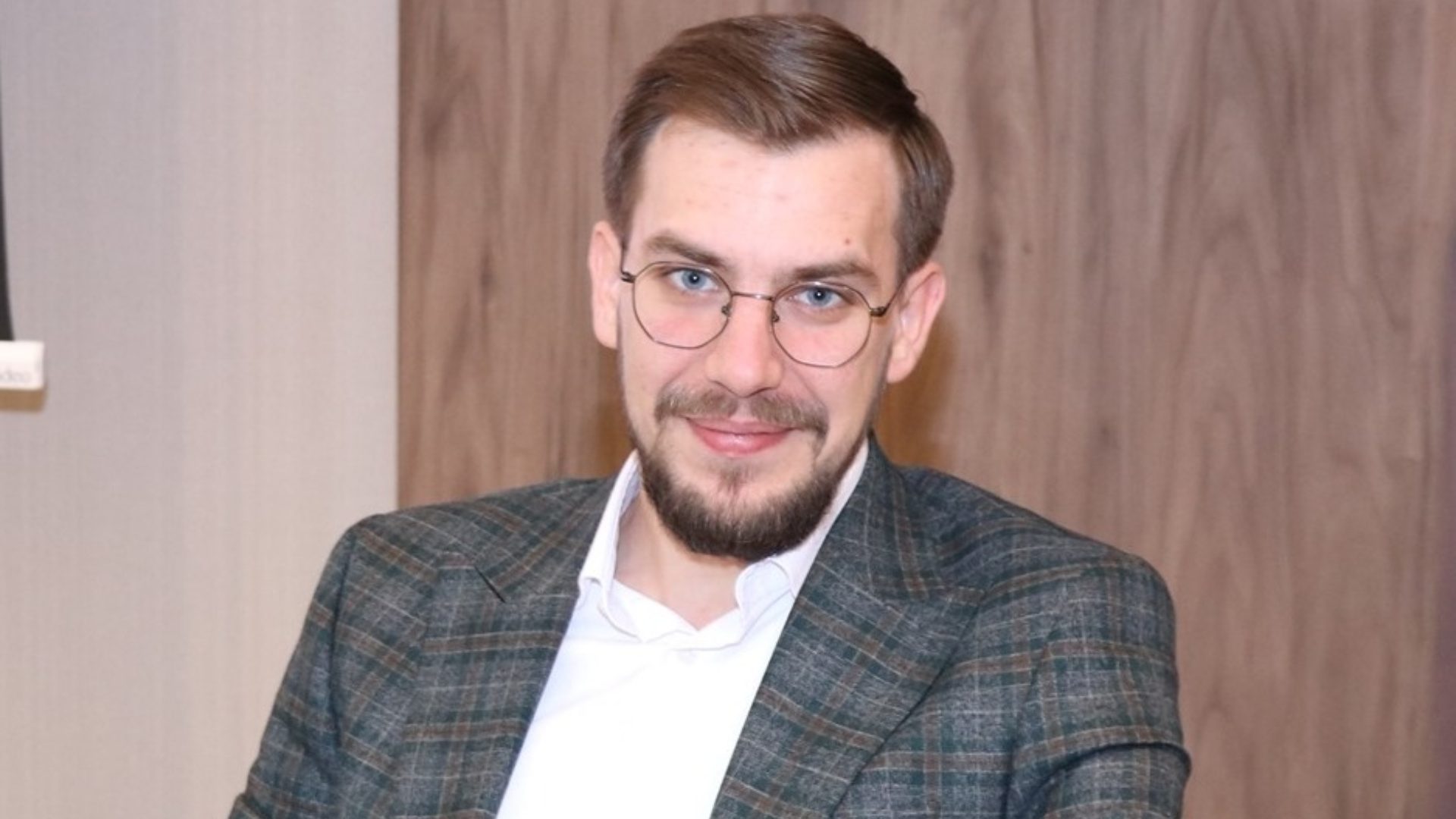
Serhii Bykov, a political consultant, told The Ukrainian Review whether elections are the main sign of democracy:
“Elections are an indicator of democracy, but not the sole manifestation.
The law expressly prohibits holding elections during martial law. This also forbids common sense, because it is impossible to hold free elections when polling stations can become targets for strikes by the occupiers.
But even in spite of the limitations brought by the legal regime of martial law, there is a large number of indicators that allow us to claim that democracy is preserved in Ukraine.
Among the elements of democracy defined by the Council of Europe, Ukraine preserves freedom of speech, independence of the judiciary (yes, the judicial reform is not completed, but there is significant progress), real public organizations are active, they hold events, participate in public discussions, and make proposals to the authorities, etc. Citizens retain economic freedom (they themselves determine where to earn and what to spend on), Ukraine continues to live according to the law, and the rules of life are determined by laws, not by whims, etc.”
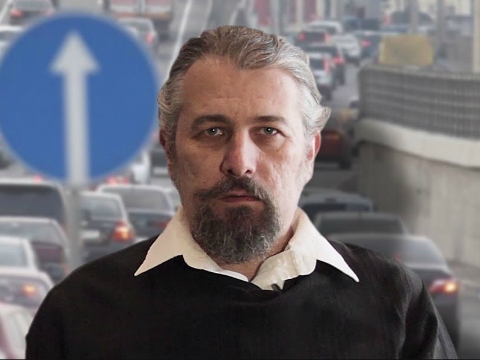
“Elections are one of the important features of a democratic society is the rule of law, in all its manifestations. This also applies to the quality of the legislation itself, in particular, from the point of view of the principle of legal certainty. This applies, in particular, to the standards for the observance of human rights in various fields (non-discrimination, observance of the right to defense and standards of proof in criminal cases, and many other aspects). This is about freedom of speech, with all the trouble of finding a balance under martial law. And many other aspects of both legal and social nature. Therefore, it is certainly not possible to say that elections are the only sign of a democratic society”, — adds Vadym Volodarsky, a lawyer.
An interesting fact is that according to the International Institute for Democracy and Electoral Assistance (International IDEA), more than 50 countries of the world have postponed elections and referenda due to the COVID-19 pandemic. In other words, democratic countries managed to postpone elections for the sake of public safety.
What are the predictions for the presidential election in 2024?
President Volodymyr Zelenskyy stated that in the event the war does not end, changes to legislation and additional funding will be necessary for the 2024 election.
“Then we need changes to the legislation, to the Electoral Code. Do it quickly. Time. If, as I said to him (Lindsey Graham — ed.), you’re willing to give me ₴5 billion, because I’m not a brick-and-mortar person, and I can’t just take ₴5 billion out of the budget, and I think that’s the amount that’s needed for conducting elections at the normal time. During the war, I don’t know what kind of amount it is. That’s why I told him, if the USA, together with Europe, will give us financial support… I’m sorry, I’m not asking for anything, I won’t hold elections on credit, and I won’t take money from weapons and give it to the elections either,” Zelenskyy said.
The President of Ukraine also emphasized that in this case the responsibility for the elections should also be shared by the Western countries, which insist on holding them.
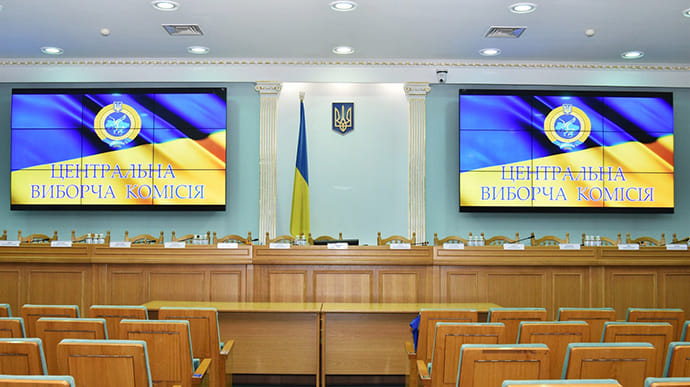
Note that the Ministry of Finance of Ukraine appealed to the Central Election Commission (hereinafter – CEC, ed.) with a request to provide calculations of the cost of elections. According to the results of the CEC, the presidential election of Ukraine will amount to ₴5,418.3 million.
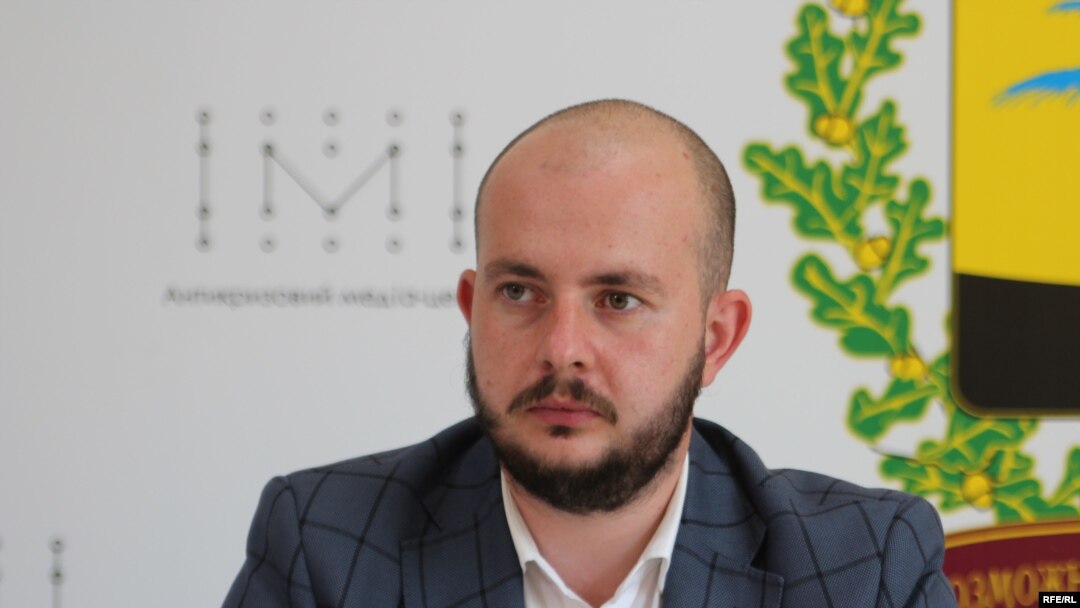
According to the forecasts of the elections in 2024, The Ukrainian Review turned to Roman Kyslenko, political scientist, and candidate of political sciences:
“To put it briefly, it is impossible to hold elections during a war. First, it is very difficult to comply with the constitutional norms of free, fair, equal, and general elections. These norms also reflect international democratic standards. Secondly, the most important aspect is security. How can you ensure the safety of all citizens at the same time, given that the Russian Federation quite often carries out missile attacks or uses UAVs to destroy civilian objects? In addition, the voting process itself must be continuous, and in the event of an air alert, it will have to be stopped, which may result in distrust of the election results.
Also, the number of mined territories in Ukraine is equal to the area of the whole of Greece or Bulgaria, and this is also a security component of elections. And it should be added that the infrastructure for conducting elections is extremely destroyed in the regions where active hostilities took place, here, first of all, we are talking about the premises of the polling stations.
The next problem is updating the information of the State Register of Voters, which is temporarily closed for security reasons. This requires at least three months from the moment of the end of martial law, since a certain number of territories were or are currently under occupation and it is not clear what data has been preserved. The military also, as of now, will not be able to provide accurate information.
Related to the previous problem is internal and external migration, which is the most massive in the history of Europe after the Second World War. The number of Ukrainians living abroad alone is equal to the number of the entire population of Switzerland or Austria, and twice as much as the population of Moldova, Albania or Ireland. Currently, the existing mechanism of voting abroad will not allow such a number of voters to vote, which is actually a third of the total number of voters, which may cast doubt on the election results. Internal displacement may necessitate the creation of new polling stations.
Election observation, especially international observation missions, is an important aspect. And here there are big doubts that during the active hostilities, a sufficient number of such missions will visit Ukraine, which actually lend legitimacy to the elections in the international arena.
The main issue is the participation in the elections of military personnel. It is almost impossible to provide an opportunity to vote for them on the front line. In addition, in the case of a desire to run for office, a military serviceman cannot fully and competitively conduct an election campaign.
Therefore, the main issue remains the issue of security and participation in the elections of military personnel.
As for electronic voting, it is periodically discussed. However, this requires resources and first conducting experiments, and only then implementing it. Here, the issue of protection is no less important, because Russia will make maximum efforts (cyber-attacks) in order to undermine confidence in such elections and destabilize the situation in Ukraine. Russia interferes in elections all over the world. And most importantly, it is a question of compliance with all standards during electronic voting and the legitimacy of the results, which depends on internal stability in Ukraine. Therefore, I think, there will be no electronic voting yet”
“Although the Constitution of Ukraine allows the President to perform his duties until a new President is elected, and the Verkhovna Rada to continue to perform his duties if the elections cannot be held due to martial law, the legitimacy of the authorities holding their positions beyond the established term raises doubts. In particular, the Constitution defines the term of office of the President and the Verkhovna Rada at 5 years. Unfortunately, some articles of the Constitution and Laws of Ukraine contradict others. The authors of the Constitution and Laws did not foresee a situation when the martial law would last for years, and the elections would have to be postponed not for a couple of months, but for a longer time. The people elect the government for a clearly defined term, and after the end of this term, the government must resign its powers. The source of power is the people, and the President and the Verkhovna Rada only receive the right to rule the country from the people. It is obvious that the people did not authorize the authorities to carry out their powers beyond the prescribed period. From this point of view, holding elections is necessary to ensure the legitimacy of the government. Western partners also demand elections, as they provide us with assistance and must deal with legitimate authorities. If the government is not legitimate, then the agreements signed by it are invalid. Failure to hold elections jeopardizes our international cooperation and assistance. In the end, a legitimate person must also sign a peace agreement with Russia, otherwise such an agreement will not be implemented. But on the other hand, it is impossible to hold democratic elections in conditions of war. Part of the territory of Ukraine is occupied, citizens living in these territories will not be able to participate in the elections. Millions of Ukrainians went abroad. The Ministry of Foreign Affairs has already stated that it will not be able to organize the voting of millions of voters abroad.
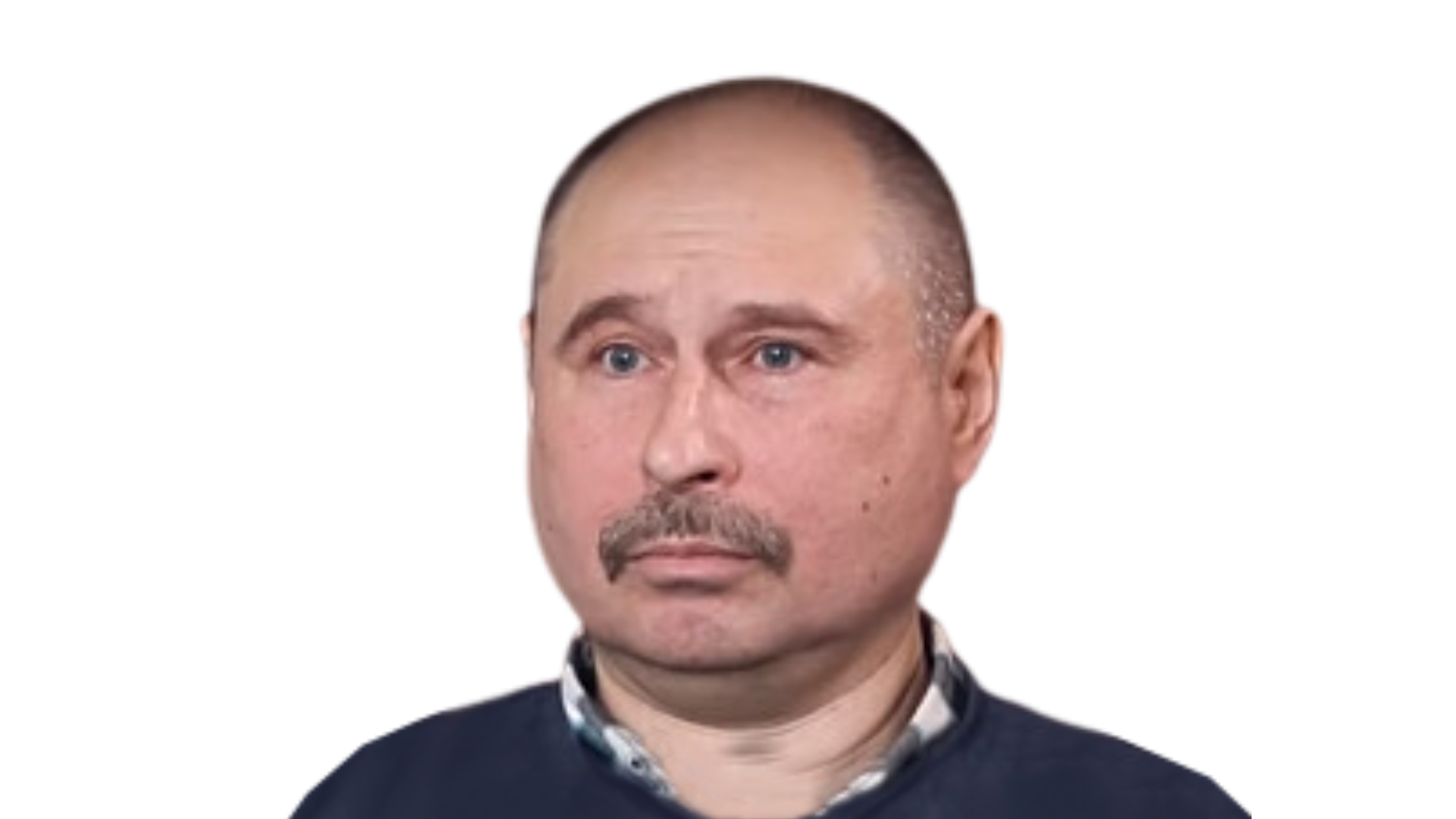
Holding elections in the war zone is also problematic. Here, no one will be able to guarantee the safety of voters, members of election commissions, or observers. A significant part of the military, who are on the front line, will also not be able to participate in the elections. Therefore, the legitimacy of elections held during the war will also raise doubts. Frankly speaking, a significant part of society does not recognize them, perhaps even international observers do not recognize them. The authorities found themselves in a very difficult situation, where no good solution exists. And not holding elections is bad, and holding elections is bad. In order to simplify voting and increase the number of voters who participated in voting, the authorities may introduce electronic voting. However, a large part of voters’ object to this, fearing falsifications. Therefore, in the case of electronic voting, trust in its results will be low, and opposition in society will intensify. A difficult year awaits us in 2024, when, despite the war, the struggle for power between different political groups will unfold in Ukraine. It is difficult to predict what it will lead to. But the probability that Ukraine will come out of this confrontation weakened and our ability to deter enemy aggression is very high”,— believes Oleksandr Khmelevsky, Candidate of Economic Sciences, independent expert.
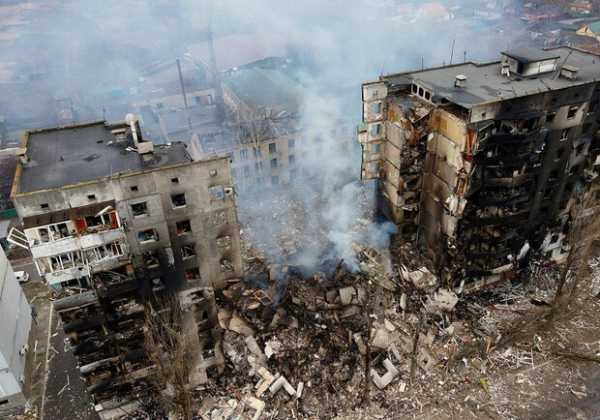
“Regarding holding elections in conditions of war, my personal point of view is that it is impossible. From the point of view of the organization of the election process itself (any mass actions, as well as the polling stations themselves, where many people gather, can be targets for enemy shelling; from this point of view, the example of the USA, which held elections during the Second World War, is not relevant to us, since no hostilities were conducted on the continental US), from the point of view of restricting freedom of speech during martial law and, on the other hand, knowing the practice of domestic election campaigns, false accusations may be made against the authorities that do not contribute to the strength of the state’s defense. From the point of view of observing the electoral rights of both mobilized military personnel and refugees and many other aspects”, — Vadym Volodarsky, a lawyer shares hid opinion.
The issue of presidential elections in Ukraine is extremely difficult, since the war is ongoing in the country (it is not known whether it will end before 2024) and the security of citizens is particularly at risk. The organizational aspect remains a serious problem: many migrants, internally displaced persons, and destroyed infrastructure.
Anya Ostymchuk