

The destruction of the Kakhovka Hydroelectric Power Plant dam in the Kherson region has become one of Europe’s largest man-made and environmental disasters in recent decades. On June 6, 2023, Russian troops, while retreating from the right bank of the Kherson region, blew up the hydroelectric power plant dam.
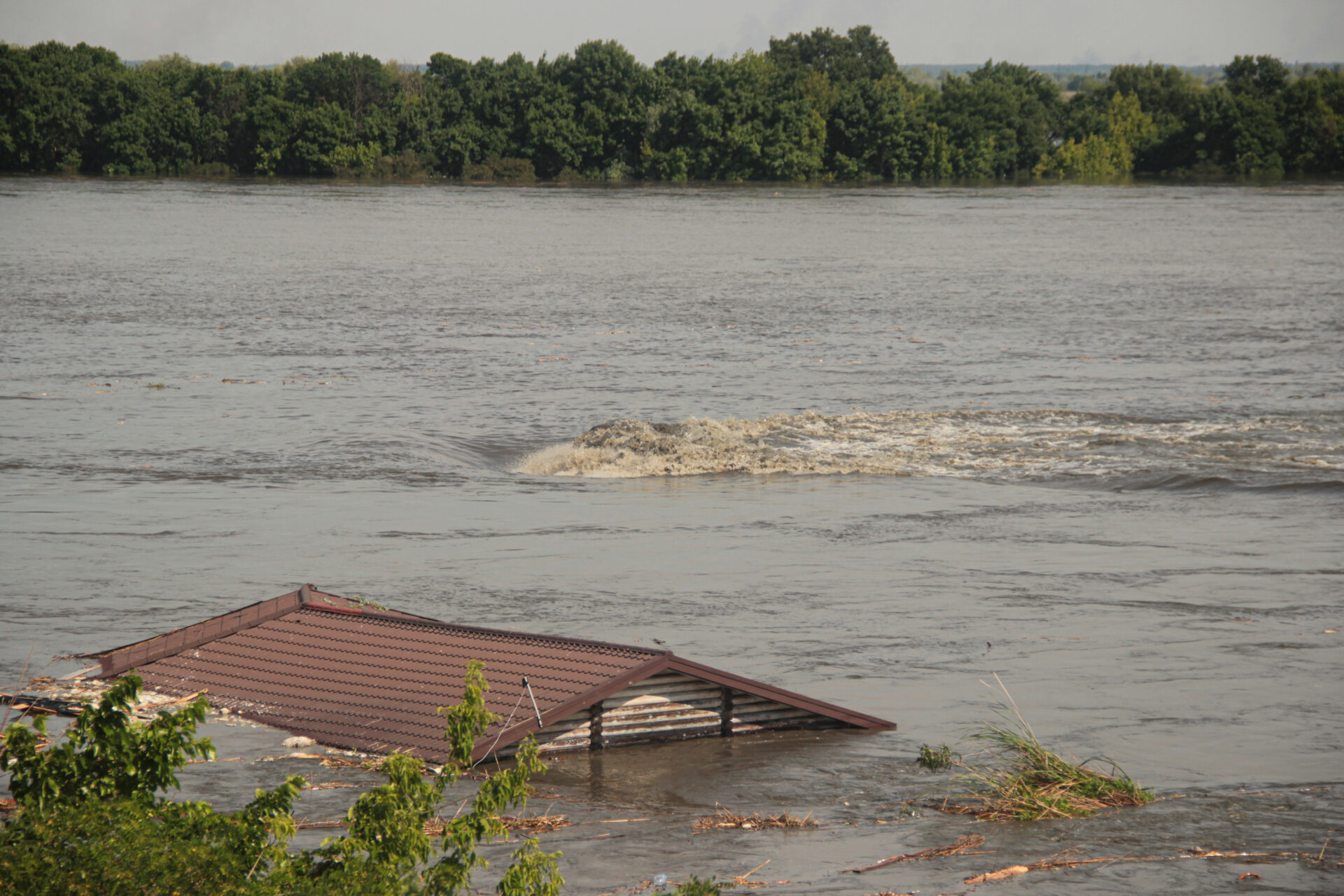
It was Ukraine’s fifth-largest hydroelectric power plant and the largest shallow water area. The explosion flooded approximately 80 settlements in the region, most of which remain submerged.
According to ecological organisations, the estimated environmental damage caused by this catastrophe amounts to 146.4 billion hryvnias.
To commemorate the anniversary of the Kakhovka Hydroelectric Power Plant disaster, we are discussing its impact on Ukraine’s ecology and energy sector. We are also explaining why experts equate the explosion of the hydroelectric power plant with terrorist actions.
What is known about the dam explosion?
On the night of June 6, around 2:30 a.m., seismic sensors in Ukraine and Romania registered indications of powerful explosions. Infrared sensors on American reconnaissance satellites also detected thermal signals indicating a significant explosion in the Kakhovka dam area. That morning, the Operational Command “South” of the Armed Forces of Ukraine reported a man-made disaster at the Kakhovka Hydroelectric Power Plant.
The outflow of water from the reservoir indicated that the Russian occupiers had blown up the dam’s base. In the morning, President Volodymyr Zelenskyy released video evidence of the destruction of the power plant.
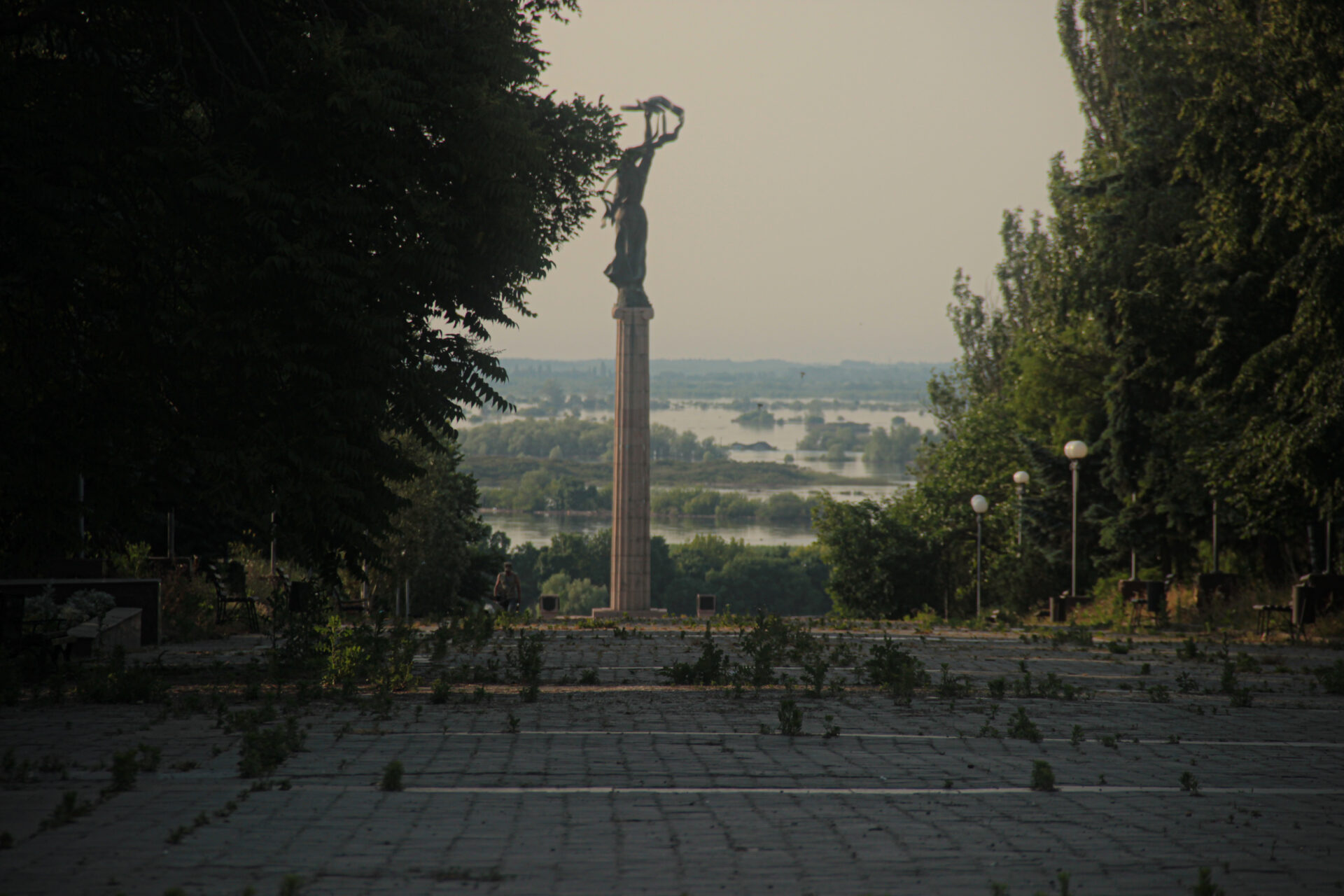
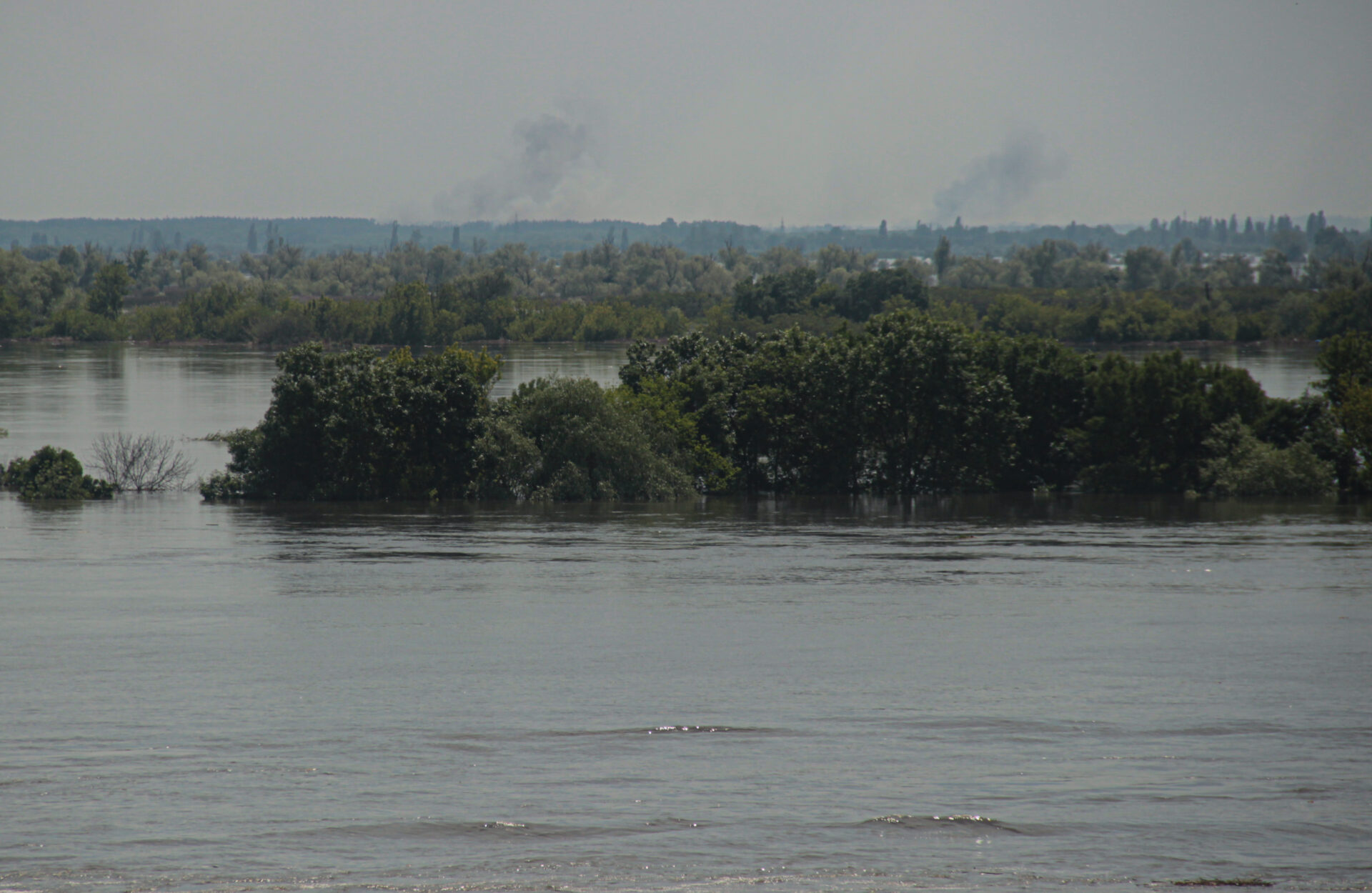
The Kakhovka dam contained 18 billion cubic meters of fresh water. Based on satellite data, contaminated river waters reached the Danube River within the initial week following the tragedy, spreading over 7,300 square kilometres of the northwestern Black Sea shelf. Consequently, despite the decrease in the Dnipro River water level, 600 square kilometres were submerged.
The explosion of the Kakhovka Hydroelectric Power Plant dam resulted in the loss of 33 lives, with 28 individuals sustaining injuries and over 40 individuals still unaccounted for. An independent international UN commission has verified these casualties and is examining the event’s aftermath.
According to a report from the Associated Press, the destruction of the Kakhovka Hydroelectric Power Plant dam and the subsequent flooding caused the deaths of numerous individuals, surpassing the figures provided by the occupying authorities. The occupiers’ reports of casualties within their region (59 individuals) conflict with the information from the Ukrainian military, who claim that only in Oleshky, where approximately 16,000 individuals resided during the flood, the death toll could be in the hundreds.
The Impact of the Kakhovka HPP Explosion on Energy Infrastructure
The explosion at the Kakhovka Hydroelectric Power Plant has led to substantial capacity losses in Ukraine’s hydroelectric sector. Initially, an estimated 355 megawatts were lost out of a total capacity of 7,530 megawatts, roughly five percent of the total capacity. However, due to multiple attacks on various energy facilities by Russian forces, including thermal power plants, Ukraine has now lost a total of 9 gigawatts of power generation capacity.
We spoke with Pavlo Pavlyshyn, a respected Ukrainian engineer, former director of the Rivne Nuclear Power Plant, and ex-head of the Energoatom company, regarding the impact of the HPP explosion on Ukraine’s energy sector.
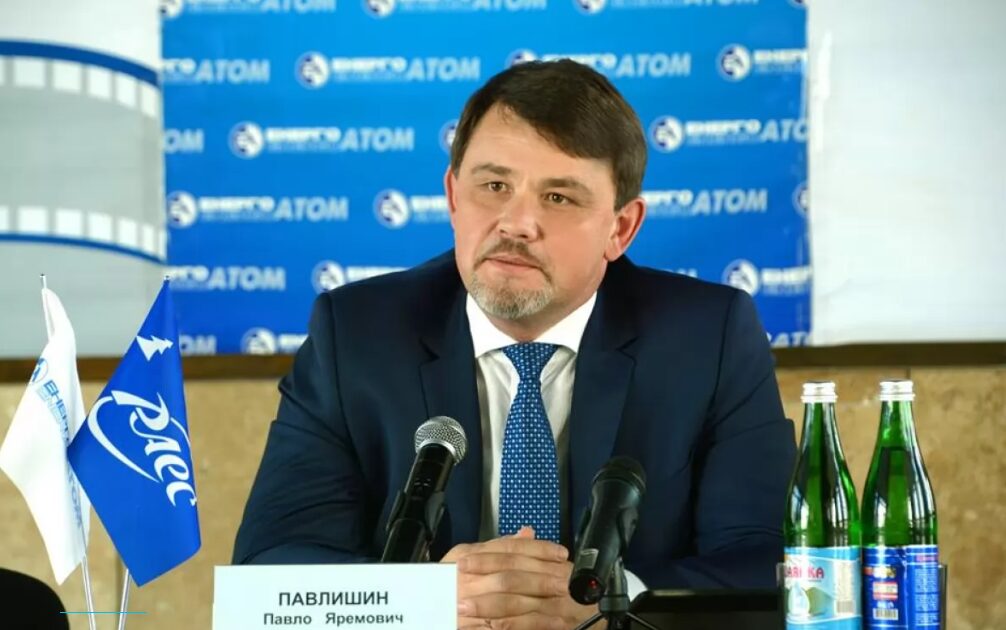
Apart from the significant damage to the population and the environment, the dam’s destruction has notably affected the energy sector, particularly by causing Ukraine to lose its manoeuvrable capacity.
“This is crucial for our country and the energy sector today. With all our remaining substations targeted just a month ago, we are left with almost no manoeuvrable capacity”, — Pavlyshyn points out.
One of the key challenges post-Kakhovka HPP explosion has been ensuring the security of the Zaporizhzhia NPP. Currently, water is essential for cooling the blocks, whether they are operational or not. The now-destroyed reservoir was the primary source for cooling the blocks.
“Operational reactors require a significant amount of water for cooling, while even non-operational ones still need water, albeit in smaller quantities. Our information indicates that several wells are now utilized to cool the reactor installations, enabling the reactors to remain cold. Restarting operations without significant decisions or investments is simply not feasible. We have lost flexibility, are confronting a severe environmental crisis, and are dealing with security issues at the Zaporizhzhia NPP”, — the expert explains.
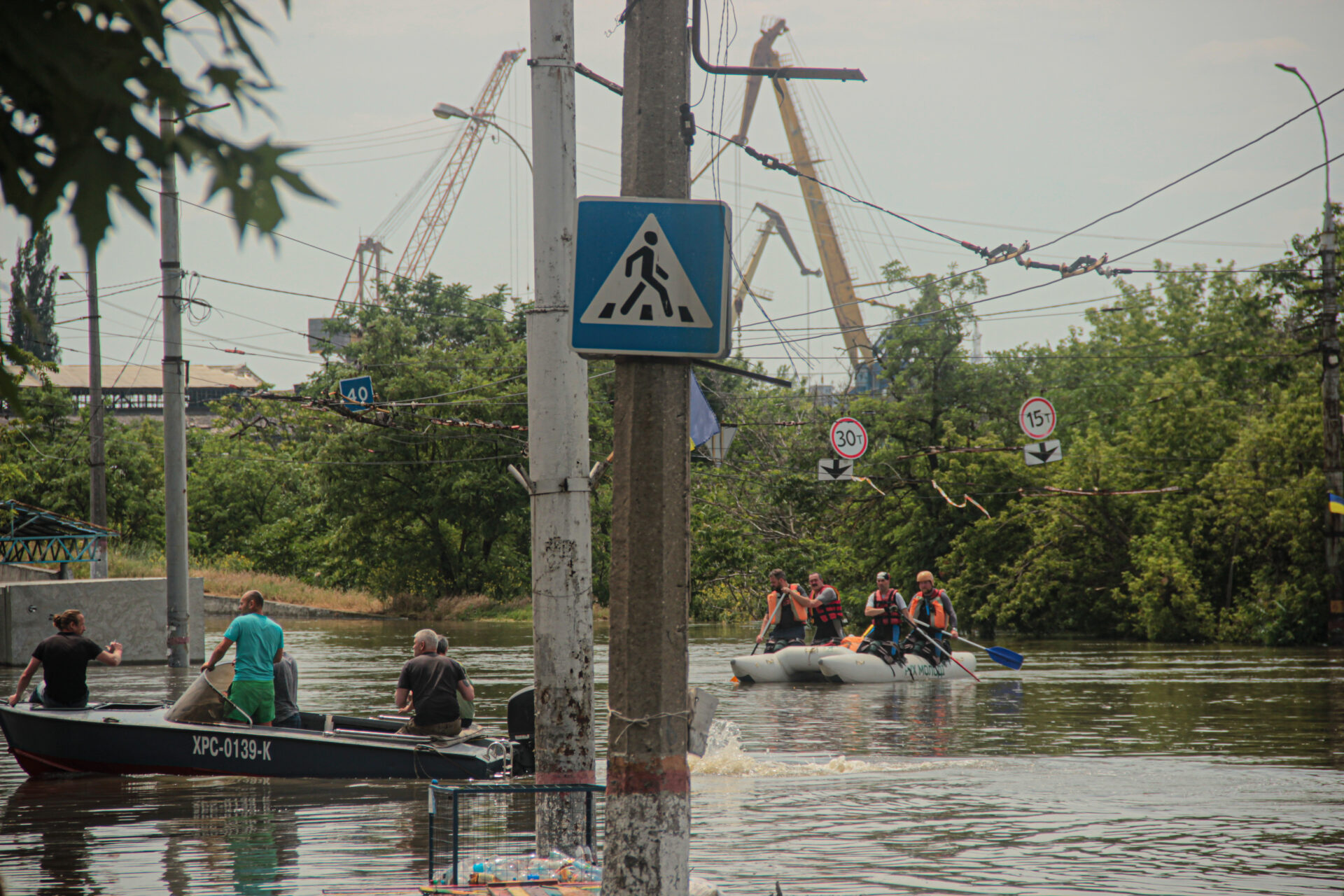
Addressing the aftermath will require considerable time and resources. Reviving the plant demands substantial capital investments and significant technical solutions. Estimates for the cost of the HPP restoration project are already available.
According to “Ukrhydroenergo”, constructing a new hydroelectric power plant will require between 800 million and 1 billion US dollars. Apart from the plant itself, a bridge and railway crossing will be necessary. Initial assessments indicate that the construction process could span up to five years.
This option is not currently under consideration due to the considerable associated costs. Moreover, the current focus is on identifying alternative energy sources necessary for supplying residential heating during the winter season.
“We require initiatives to provide support or procure steam-gas installations or other large-capacity mobile units and subsequently install them in various united territorial communities or cities to ensure energy supply primarily to critical infrastructure facilities and other equally vital needs”, — Pavlyshyn adds.
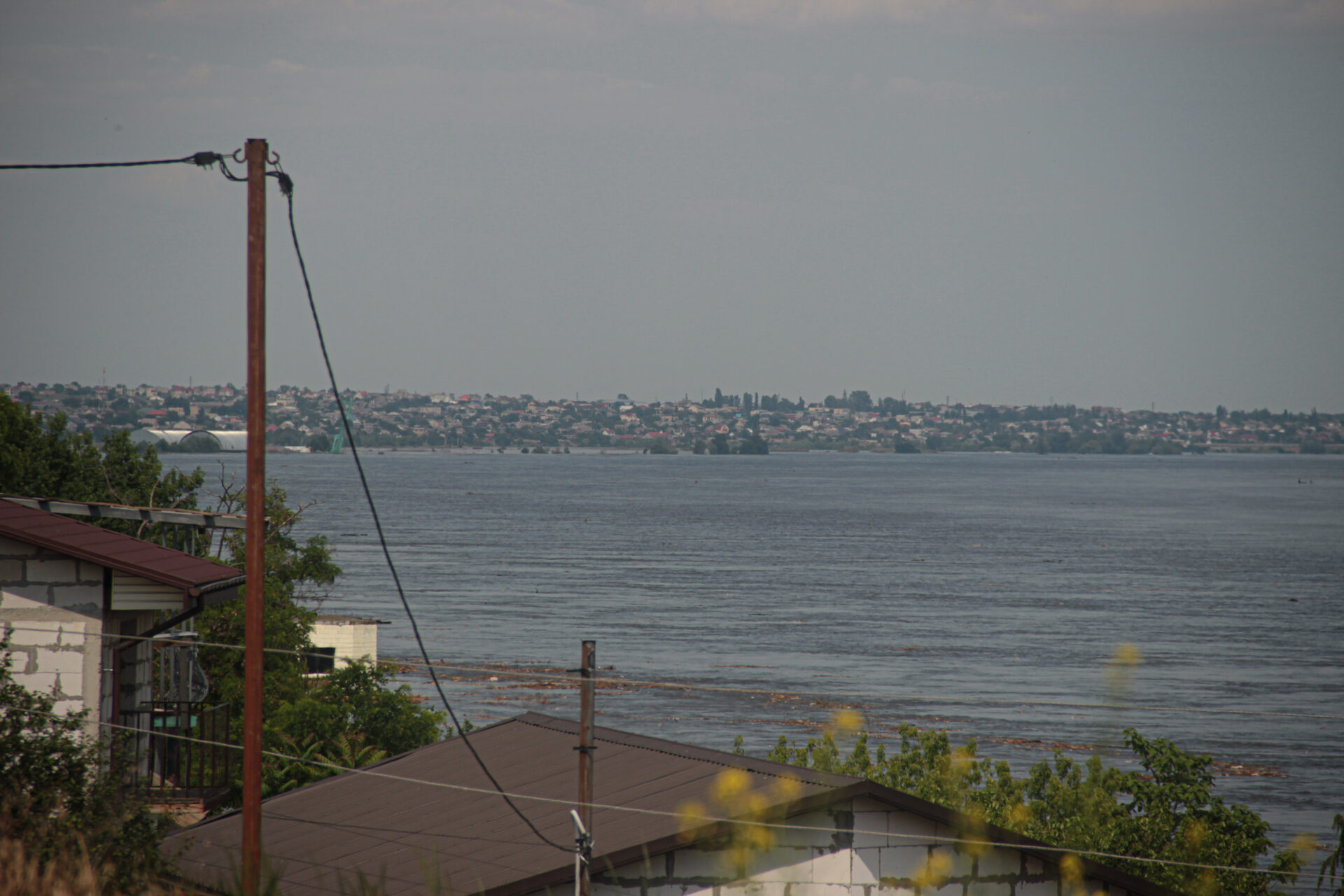
Changing Ecosystems and Threats to Human Health: The Environmental Impact of Dam Destruction
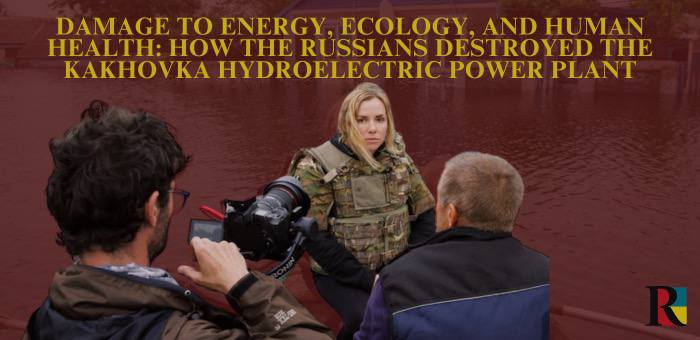
Yulia Markhel, an ecoactivist, researcher, and leader of Ukraine’s largest eco-movement, “Let’s Do It Ukraine”, discussed the environmental harm caused by the reservoir explosion in Ukraine.
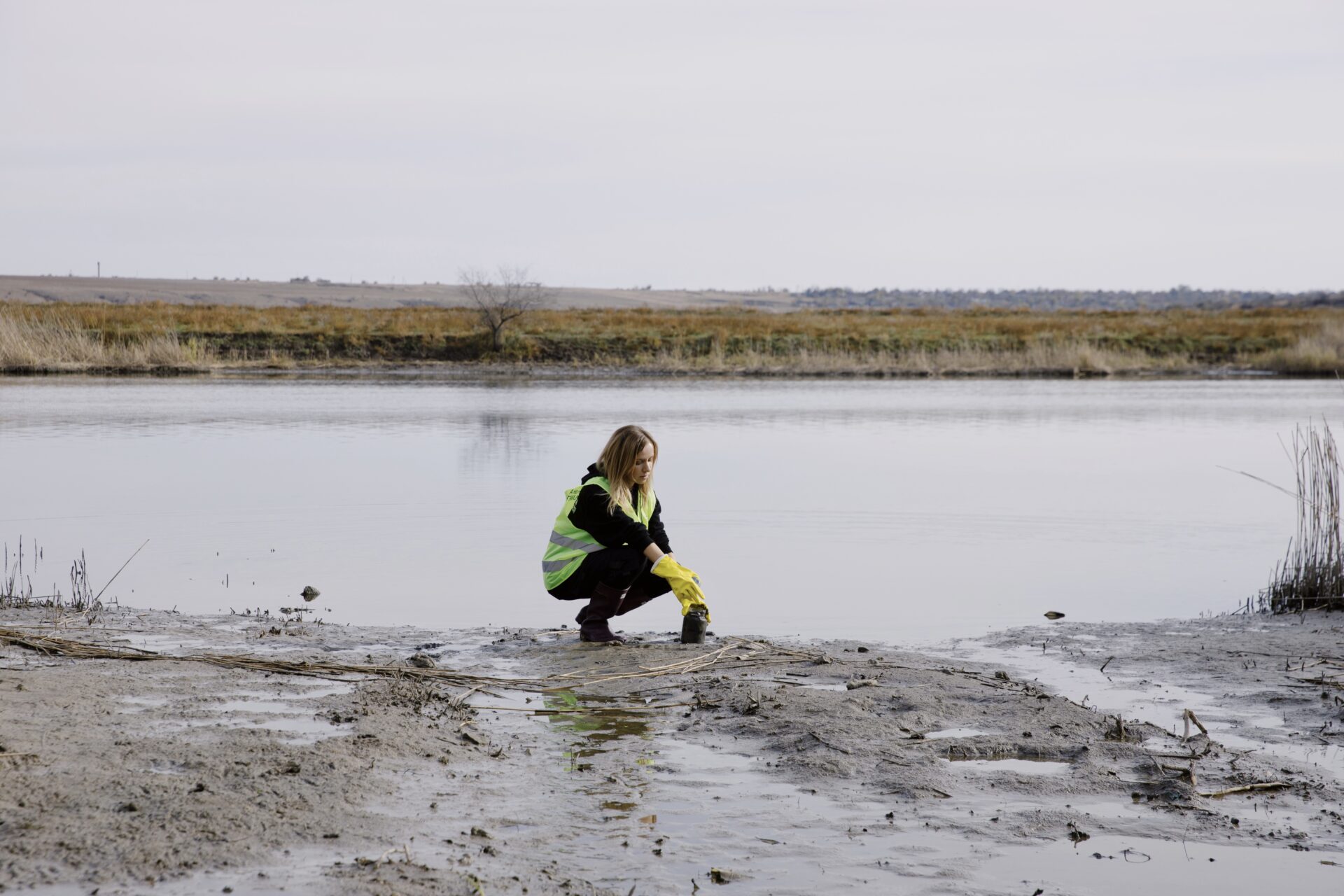
Specialists from the eco-movement conducted multiple research expeditions to the flooded area. Despite extensive studies, evaluating the extent of the damage remains premature. This is primarily because some of the flooded areas were located in the occupied part of the Kherson region, restricting access for both Ukrainian and international research teams.

The occupiers tried to conceal the disaster’s true extent, even providing misleading information about the affected population.
According to eco-activists, one of the few methods to approximate the consequences is by analysing the impurities that flowed into the Black Sea through the Dnipro-Bug Estuary.
“We gather water and sediment samples from the Bug Estuary and send them to the Black Sea. Despite the dangers we face in open areas near Russian positions, we persist in monitoring the situation. Four expeditions have been completed, during which we obtained samples from 13 locations. All samples collected are sent to a laboratory affiliated with the Ministry of Environmental Protection. The findings are made public and shared with the prosecutor’s office, environmental inspection agencies, and the Ministry of Environmental Protection and Natural Resources of Ukraine”, — Yulia Markhel elaborates.
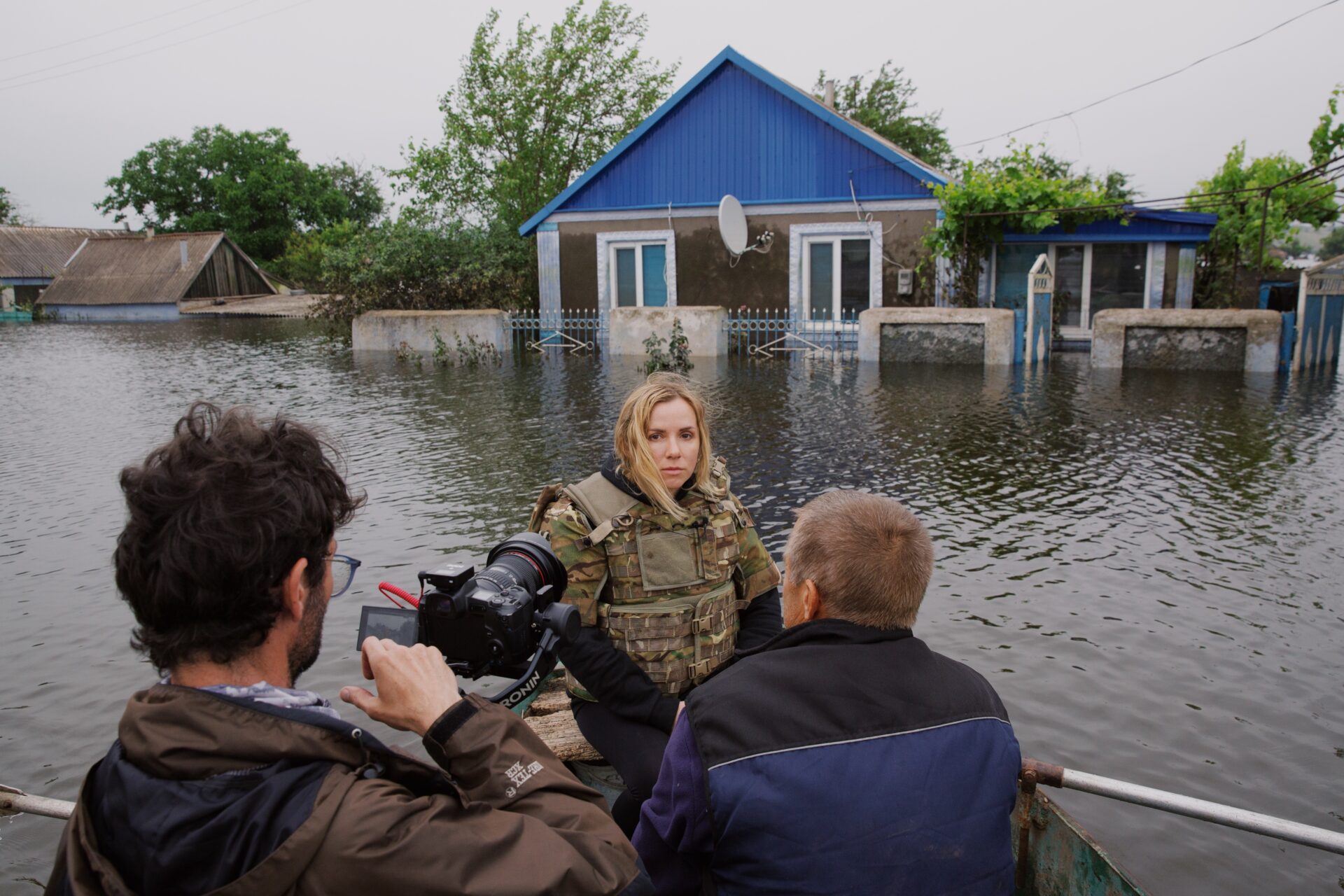
In 2023, the expeditions discovered elevated levels of toxic metals and organic compounds in the water, which could result in cancer and other health issues.
Concentrations of toxic metals like zinc, cadmium, and arsenic surpassed the permissible limits the previous year, posing a significant threat to ecosystems and human health. In 2024, the levels of these metals decreased to safe levels. However, these substances remain in the water and can harm human health.
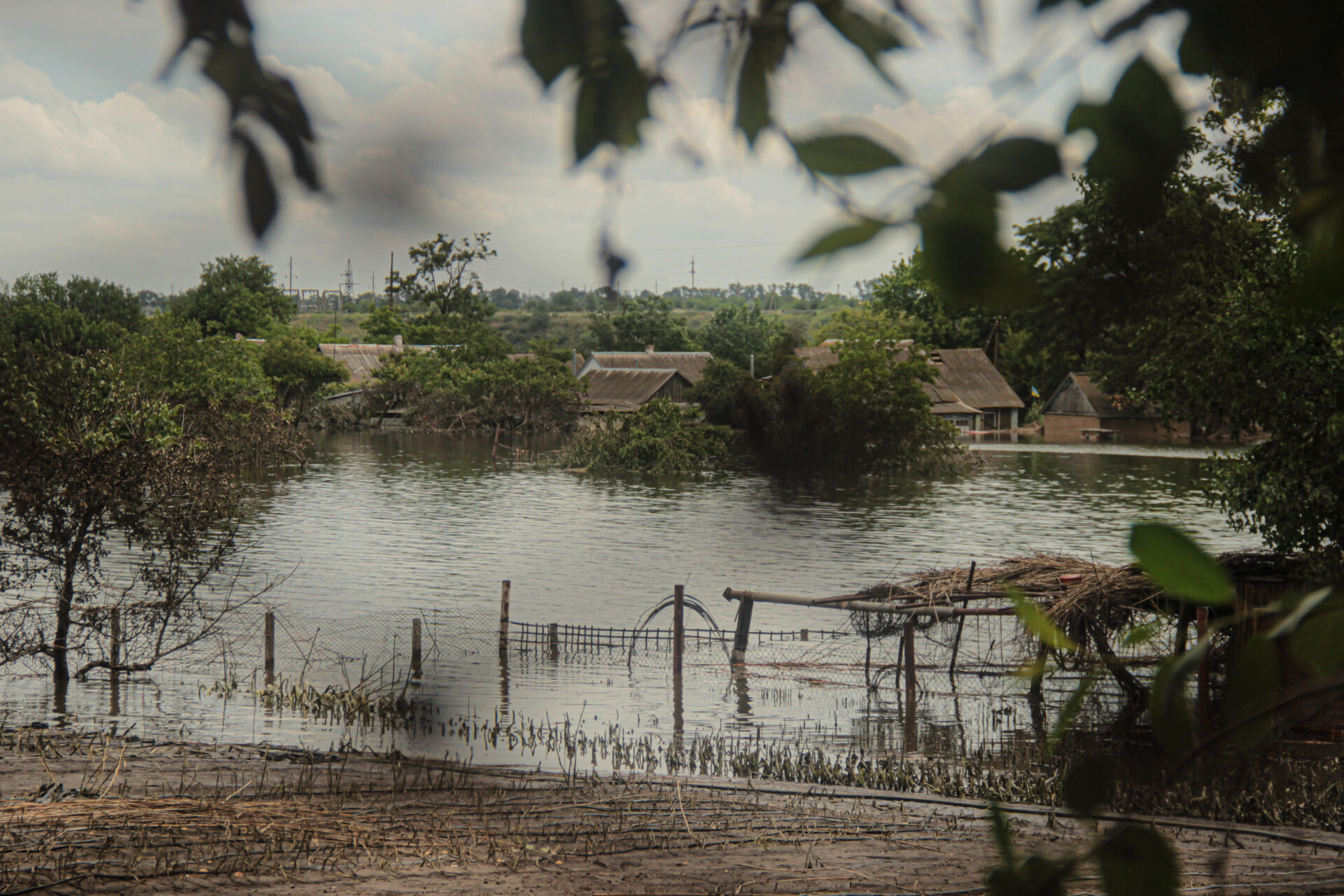
Additionally, the aftermath of the disaster affected agriculture, destroying over 30 irrigation systems and causing a loss of water access for growing vegetables and fruits, particularly in the south. The Dnipropetrovsk region was significantly impacted, leaving many settlements without drinking water and creating a crisis for the local population.
Following the destructive wave from the Kakhovka reservoir, everything in its path was swept away, including landfills, sewage systems, cemeteries, animal carcasses, hazardous chemicals, and more. Polluted water lingered in homes for several days, and upon receding, residents returned but faced discomfort due to inadequate drying and disinfection of the houses.
“We conduct systematic monitoring of rivers, wells, and boreholes. It has become apparent that the soil does not effectively filter the water, leading to households receiving water contaminated with toxic substances and metals. This poses health risks as these pollutants can accumulate in the body through the food chain, particularly via fish”, — Yulia Markhel adds.
This issue has impacted Ukraine and neighbouring countries near the Black Sea. Following the disaster, a wave over 5.6 meters high moved towards the Black Sea, carrying pollutants. Four to eight hours later, our neighbours began to observe pollution, including chemicals. The water washed away cemeteries, livestock burial sites, and septic tanks. As a result, all toxic substances flowed into the Black Sea.
In terms of other ecosystems, over 25,000 hectares of forest were submerged in other ecosystems. While some of nature has regenerated naturally, the ecosystem has suffered, resulting in the disappearance of some animal species and the contamination of reservoir fish, which has killed them. Scientists have detected water containing zinc and other chemicals.

Long and Costly, Yet Achievable: Managing the Aftermath
Pavlo Pavlyshyn questions the efficacy of protective structures at energy facilities and doubts the practicality of significant investments in their construction and upkeep, suggesting that the benefits do not justify the expenses.
He argues that missile defence could be a more efficient and cost-effective solution for safeguarding energy facilities. Modern missile defence emerges as a superior choice for securing any facility, particularly critical infrastructure or energy production sites. He highlights the success of this approach, citing Israel’s substantial investment in protecting its oil and gas facilities.
Yulia Markhel emphasises that completely restoring ecosystems from pollution could take decades. Thus, the current emphasis is not solely on mitigating the aftermath of disasters but also on safeguarding public health.
“The global community must recognise that environmental impacts transcend borders. Events occurring in Europe’s largest nation affect other countries through air, water, and food. While addressing our challenges, we must acknowledge the effects on coastal regions and flood-affected settlements,” – asserts the environmentalist.
She stresses that laboratories must operate daily and disseminate information to the public to assess the situation accurately.
This is crucial for all residents in the impacted regions. Accurate information must reach local authorities and the general populace, directly affecting their well-being and safety.
Overall, the extent of the damage caused by the explosion at the Kakhovka HPP can only be accurately assessed once southern Ukraine is no longer under occupation. The casualties, environmental risks, devastation, and severe disruption of the energy supply in the country all serve as clear evidence of Russia’s terrorist activities in Ukraine.
By Dariia Podvyshenna