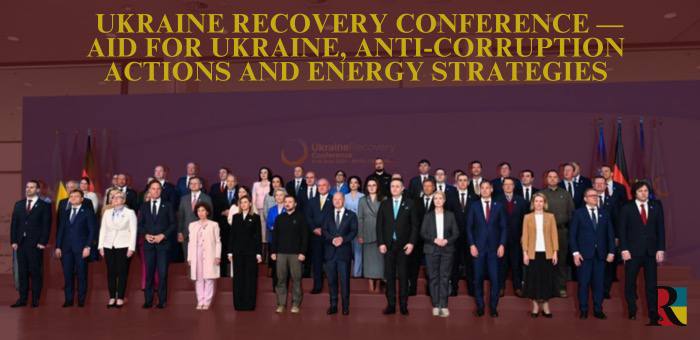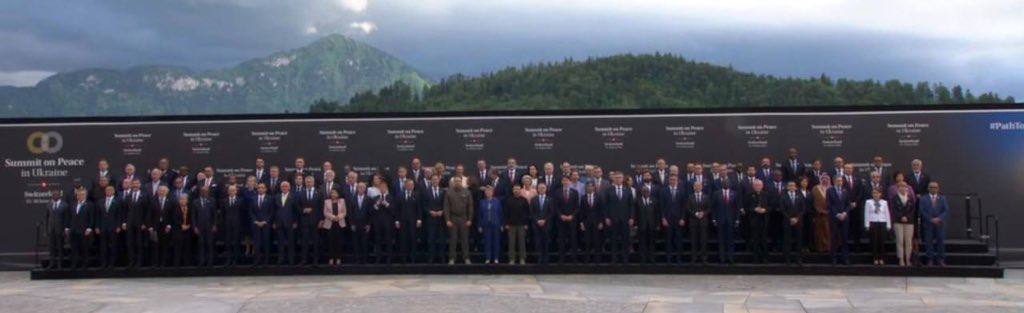
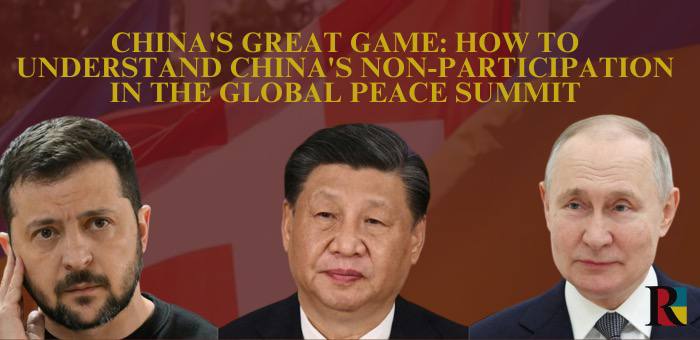


On June 15-16, 2024, a major global forum, the Global Peace Summit, will be held at the initiative of the President of Ukraine Volodymyr Zelenskyy and with the support of the Swiss government. The agenda includes issues of energy and nuclear security, shipping, world trade, the humanitarian case, and the actual formula for achieving peace. The small resort of Burgenstock near Lucerne is expected to bring together about 100 participants – leaders and authorised representatives of countries from all continents, international officials, and influential global organisations. The summit should be another step toward ending the war in Ukraine. For obvious reasons, the aggressor country was not invited to Switzerland. This was the formal reason for China’s refusal to participate in the summit, which is actively promoting its own formula for peace. What kind of game is China playing, and what geopolitical benefits does Beijing plan to gain from the war in Ukraine? We analyse this in the article.
Ukraine’s Peace Formula and China’s Peace Plan: key differences
To understand the context of the situation, it is worth recalling what Ukraine and China are proposing and the differences between the two peace plans. Volodymyr Zelenskyy’s Peace Formula was presented at the G-20 summit back in November 2022. Ukraine insists on returning to the 1991 borders (based on the UN Charter), a complete cessation of hostilities by the aggressor country, the withdrawal of all Russian armed forces from the territory of Ukraine, compensation for all damages caused by the Russian Federation, etc.
This initiative was further discussed in separate international forums – in Copenhagen, Jeddah, Malta, and Kyiv (Russia was not invited to participate in any of them).
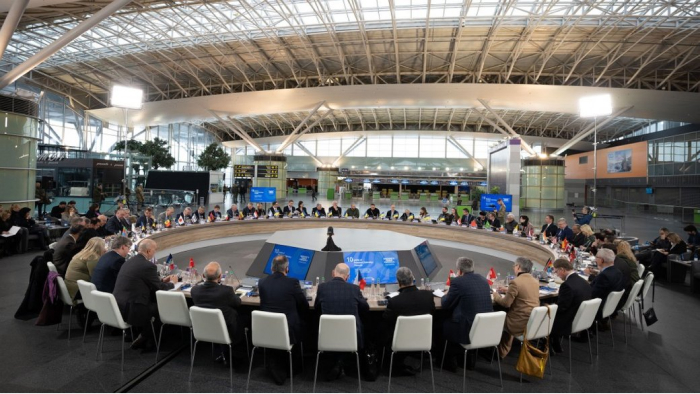
On October 28-29, 2023, during a meeting in Malta, the idea of holding a Global Peace Forum, during which the leaders of the participating states will approve the Ukrainian peace plan, was proposed. We should expect this to happen on June 15-16 in Switzerland.
The Chinese peace plan, published on February 24, 2023, by the Ministry of Foreign Affairs of the People’s Republic of China, contains a number of correct and obvious things (they are present in similar wording in the Ukrainian Peace Formula), such as the pursuit of nuclear safety, prevention of environmental and humanitarian disasters, continued trade, and other general provisions that can be briefly described as “for peace and prosperity in the world.”
There are 2 key points worth noting in this document:
- Resumption of peace talks: “Dialogue and negotiations are the only viable solution to the Ukrainian crisis… The international community must remain committed to the right approach to facilitating peace talks, helping the parties of the conflict to open the door to a political settlement as soon as possible and creating the conditions and platforms for the resumption of negotiations…”
- Ending unilateral sanctions: “Unilateral sanctions and maximum pressure cannot solve issues; they only create new problems. China opposes unilateral sanctions not authorised by the UN.”
China calls Russia’s military aggression against Ukraine a “crisis” and equates the aggressor country and the victim of the attack with “parties of the conflict.” It logically follows that in order to resolve the “Ukrainian crisis,” the “parties of the conflict” must be brought to the negotiating table. Of course, on equal terms and with the international community’s assistance. Sanctions, on the other hand, do not hinder the development of modern Russian weapons to be used against Ukraine but harm the establishment of peace. At the same time, the first point of China’s peace plan is “Respect for the sovereignty of all countries.” Chinese diplomacy is multifaceted and super sensitive.
As for sanctions, China de facto does not comply with them (to be fair, this is not just a question for China). Otherwise, how can we explain that modern Russian weapons contain elements produced by countries that allegedly comply with the sanctions? Beijing is at the forefront of this process, particularly through the so-called “interrupted transit.” Goods that are supposedly being transported to one country are “lost” along the way (or remain only on paper) and, in fact, end up in the Russian Federation through third countries. Perhaps the civilised world should reconsider its approach to sanctions policy. In other words, to avoid being sanctioned, countries should not just refuse to trade with the aggressor but should control the movement of their own goods and bear full responsibility for this to the international community.
Who will participate and at what level
In order to understand the scale of the summit and China’s position, it is first necessary to outline who will attend the peace forum and at what level. Ukraine and Switzerland have invited more than 160 delegations to the summit. Approximately 100 of them are expected to arrive.
The leaders of continental Europe, France and Germany, have confirmed their participation at the level of the first heads of state. Emmanuel Macron and Olaf Scholz not only announced their mandatory presence at the event but also promised to help attract other countries.
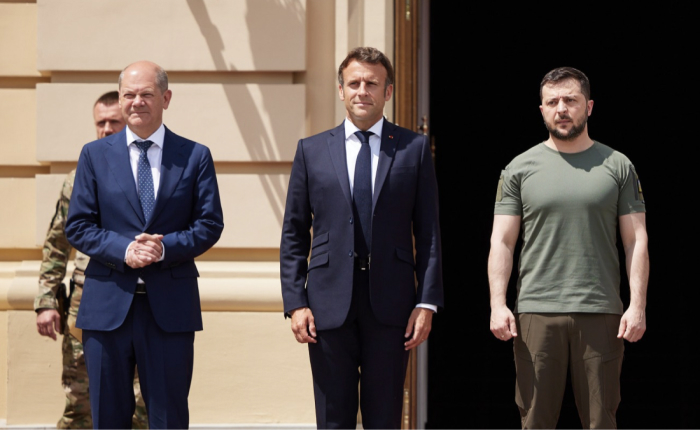
The leaders of a united Europe will also attend the forum – European Commission President Ursula von der Leyen and President of the European Council Charles Michel. It is also worth noting the participation of Dutch Prime Minister Mark Rutte. But Italian leader Giorgia Meloni will skip the summit. Foreign Minister Antonio Tajani will represent the country. Hungary has also confirmed its participation in the summit, but there are many questions about its motives. Given that Prime Minister Viktor Orban has a strongly pro-Russian stance, there is a high probability that the Hungarian delegation is going to the summit to block Ukrainian initiatives and influence the final text of the document following the forum.
The Prime Minister of Canada, home to the second-largest Ukrainian diaspora and the first in the civilised world, announced his personal participation in the summit back in May. Justin Trudeau himself announced this on his page on the social network X. Vice President Kamala Harris and National Security Advisor Jake Sullivan will head the US delegation. The Head of the White House himself is likely to skip the meeting, but according to world media, there are still some chances of his participation.
Turkish President Recep Erdogan will not personally attend the summit; Foreign Minister Hakan Fidan will head the delegation. Australia will also not be present at the highest level: the head of the delegation is Bill Shorten, Minister of Public Services and Insurance. Among the African countries, it is worth noting the absence of South African leader Cyril Ramaphosa, who cites the need to address internal problems after the country’s elections.
The two most prominent South American countries had different attitudes to the summit. While Argentine leader Javier Milei initially refused, citing an overloaded schedule, at the last minute, he adjusted his plans and confirmed his participation. Brazilian President Lula da Silva will fundamentally ignore the summit due to the Russian side’s absence. The Brazilian delegation will be present, but at an extremely low level – the ambassador to Switzerland.
Among the Asian countries, it is worth noting the guaranteed visit of Japanese Prime Minister Fumio Kashida, with whom a new package of assistance to Ukraine, including interest in the frozen assets of the Russian Federation, will be discussed. Relatively low-level diplomats and officials will represent India. And finally, the country that is the protagonist of this article, China, decided not to participate in the summit. Not only at the level of Xi Jinping or ministers or even diplomatic missions but at any level at all. China’s position likely influenced the choice of Saudi Arabia, which also refused to participate in the summit.
China’s “special” position
Insider sources have long reported that China would not participate in the Global Peace Summit, and on May 31, this information became official. In particular, Chinese Foreign Ministry spokesperson Mao Ning said in a statement:
“China has always insisted that the international peace conference be recognised by both Russia and Ukraine, with equal participation of all parties, and that all peace proposals be discussed fairly and equally. Otherwise, it will be difficult for it to play a significant role in restoring peace.”
In other words, that the proposal to leave the annexed and occupied territories with the aggressor be discussed on an equal footing with the proposal to restore Ukraine’s universally recognised borders in accordance with the UN Charter, to which China refers in its peace plan. It is not for nothing that China’s peace plan is so popular with Russia’s representatives.
In response to China’s latest attempts to bring the aggressor country to the negotiating table, Ukrainian President Volodymyr Zelenskyy said on May 2 that the country was trying to disrupt the summit and play along with Russia diplomatically. The Chinese Foreign Ministry, represented by Mao Ning, responded to these words. The official statement denied President Zelensky’s words and, in the best traditions of Chinese diplomacy, noted that China attaches great importance to relations with Ukraine and remains its largest trading partner. This was the end of the exchange of diplomatic pleasantries, and everyone remained in their own opinions.
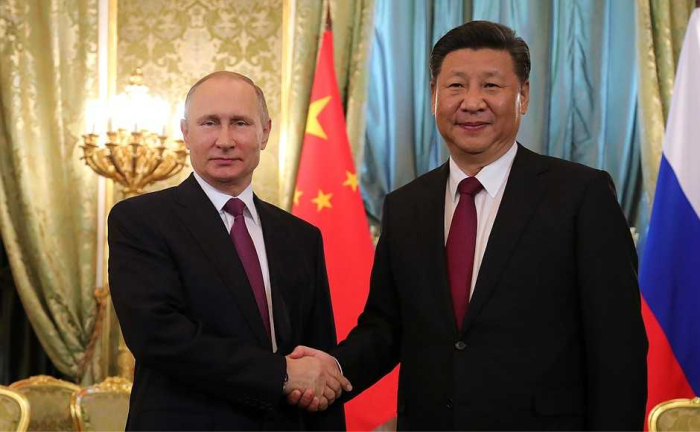
Why China needs self-isolation: expert opinion
It is evident that China is playing its own game and has a certain strategy, but will it be effective in terms of results? And what kind of result does China expect? The views of the international policy experts we spoke to differed on this issue. Nevertheless, we have collected the entire range of opinions to examine the situation comprehensively.
Denys Kuzmin, an expert at the Center for International Studies at I.I. Mechnikov Odesa National University:
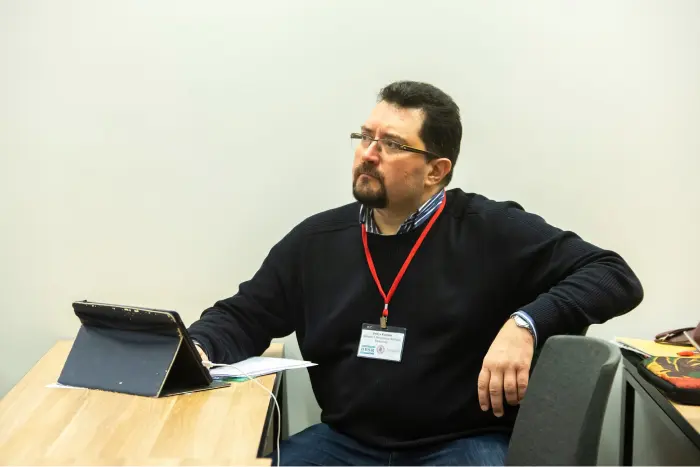
“China is a country that can afford to look after its own interests exclusively and build its own lines of foreign policy development. I believe they do not take a pro-Russian or anti-American position, they are not interested in that. They only care about their own interests. Only two countries in the world that can afford it now: the United States and China. I think China is interested in stabilising the situation in Eastern Europe. Their primary interest is international trade. For China, it is a big problem to establish trade chains in the world because this situation hinders the export of goods worldwide, especially to the EU.
China is not interested in whether Ukraine will exist, within what borders, whether Russia will be here, or anything else. They look at all these processes through the prism of their own interests. They want the situation to stabilise. And Ukraine should use this in a pragmatic sense. China will not support Russia too zealously in order not to spoil its relations with the United States and Europe.
Why did China decide to ignore the Global Peace Summit? We don’t know all the insights. I can assume that China had previous talks with the US and Russia and did not achieve what it wanted. That’s why China is not planning to go. It can’t just support Ukraine’s peace plan, and others probably didn’t agree with China’s initiatives, so this is China demonstrating to the world that nothing will happen without China”.
Valentyn Gladkykh, PhD. in Philosophy, an expert at the United Ukraine Analytical Center:
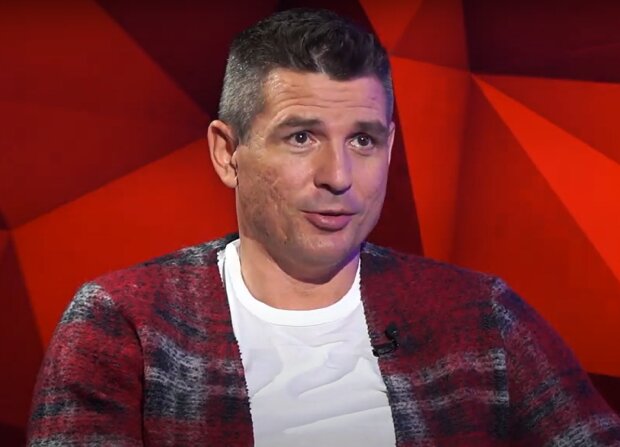
“I find it a bit strange that a country that claims to be a global leader is withdrawing itself from the most significant events in the international arena. But this will not actually affect the peace forum in any way. I have the only explanation: China is interested in further destabilising the situation, so Russia continues to exist as an international marginal.
The so-called “China Peace Plan” is a communiqué, not a plan. It is not institutionalised at all. It does not contain any algorithms for implementing the theses voiced. China stands for nuclear safety, against war, and for everything good against everything bad. The Ukrainian Peace Formula has the same principles. The only difference is the definition of Russia as a “party of the conflict.” Their commitment to UN principles is denied in the same document. These unresolvable contradictions are created on purpose so that there are no real mechanisms for ending the war in Ukraine.
China is taking full advantage of the situation in which Russia finds itself. I doubt that China wants to give up the preferences it currently enjoys in its relations with Russia. Relations with Russia are also a trump card in dealing with the United States and Europe, an element of blackmail. Of course, no one will say this directly, but they are looking for some formal explanation for not contributing to the war’s end. If China wanted to represent Russia’s interests, they should have participated in this summit and acted as its lawyer”.
However, a well-known Georgian diplomat with many years of experience does not believe that Russia’s absence at the summit is a purely formal reason for China’s non-participation. But it is not the only one. Mamuka Gamkrelidze, former Georgian Ambassador to China, Mongolia, and Vietnam:
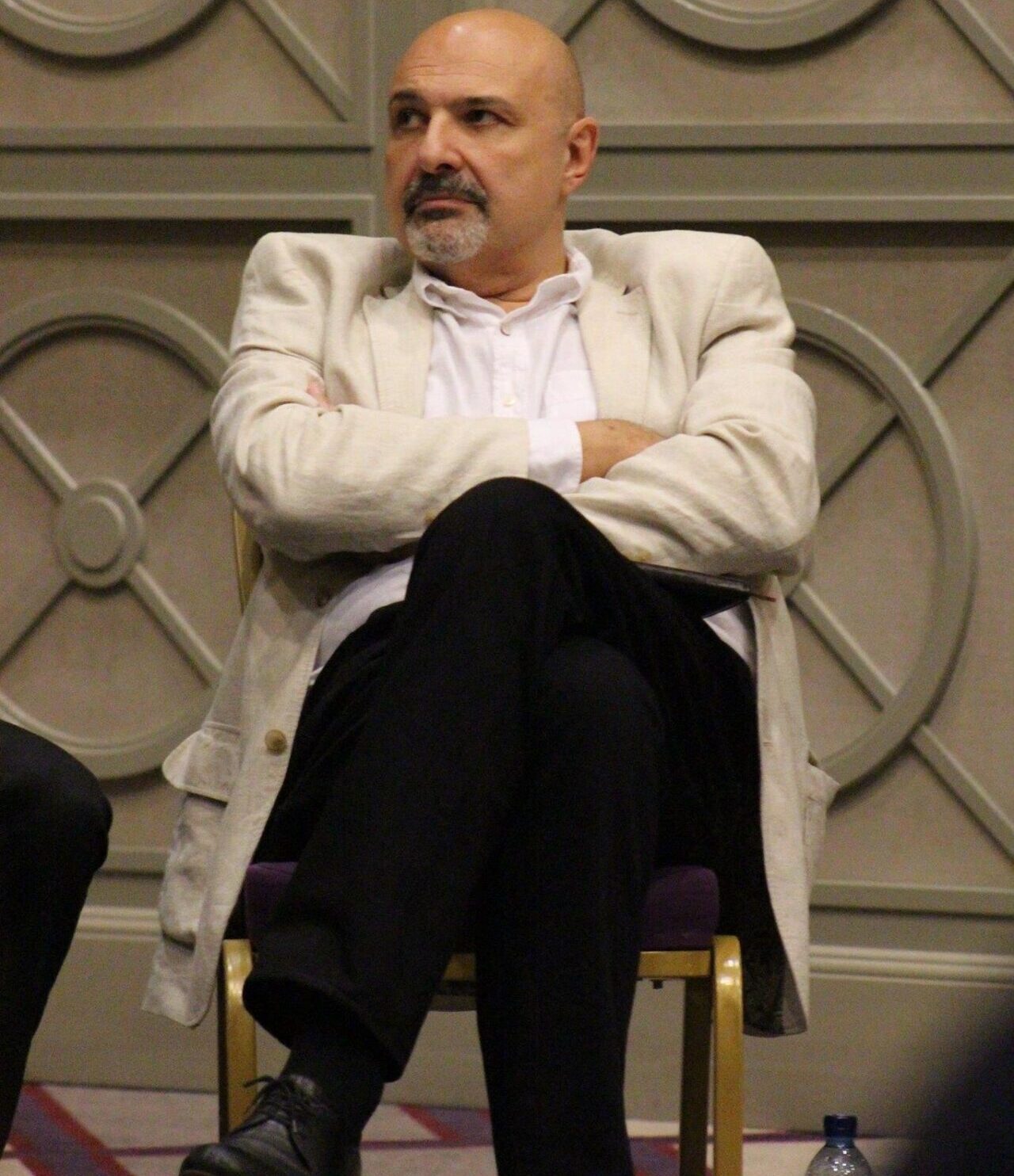
“The decisions following the summit will largely depend on who will participate in it. We know for sure that China will not attend the forum. This is one of the main obstacles to the successful completion of the summit. China’s refusal was due to the absence of Russia. But not only that.
China is playing its own game, trying to play the role of a global peacemaker. Beijing effectively acts as a link between the West and the Global South. China’s absence affected the number of participants from the Global South and the level of their representation. China plays the role of a leader in this geopolitical space.
China’s absence has definitely affected the summit agenda, which will focus on humanitarian issues. This forum is becoming a platform for confrontation between the West and the Global South, so I think the meeting in Switzerland will not be the last in this format.”
Conclusions
China is playing its own geopolitical game, the contours of which are still quite blurred. The position of neutrality regarding the war in Ukraine looks like playing along with the Russian Federation, but it is difficult to say for sure what current goals China is pursuing. It is likely that at this stage, Beijing remains an outside observer in order to have a wider field of manoeuvre at a crucial moment. However, such a strategy always carries risks. The countries participating in the Global Peace Summit will develop a common negotiating position that will be the basis for further communication with Russia. Therefore, if China does not join this process in time, it risks outplaying itself and being isolated from global peace negotiations.
Kostyantyn Grechany