

Ukraine is facing a deepening demographic crisis after nearly four years of Russia’s full-scale invasion. Combat losses, displacement abroad, and occupation have sharply reduced the population and pushed the birth rate to a historic low.
Demographic Crisis Deepens
The situation was highlighted in a CNN report. Ukrainian demographer Ella Libanova described the current trends as catastrophic.
“No country can exist without people. Even before the war, Ukraine’s population density was low and very unevenly spread,” Libanova said.
According to her estimates, Ukraine has lost around 10 million people since the start of the war due to deaths, displacement, and Russian occupation. While declining birth rates have been a long-term trend across Europe, Ukraine’s rate has now fallen to its lowest level ever. It is below one child per woman, compared to 1.4 in Europe and 1.6 in the United States.
War, Stress, and Infertility
The war has forced many couples to postpone having children. For some, the delay may become permanent.
CNN recounts the story of Olena Bilozerska, who joined the front line with her husband after Russia’s initial invasion in 2014. When she returned from combat at 41, doctors told her she had no more than a 5% chance of conceiving naturally. She began infertility treatment. Bilozerska urges servicewomen who want children to consider medical examinations and freezing their eggs.
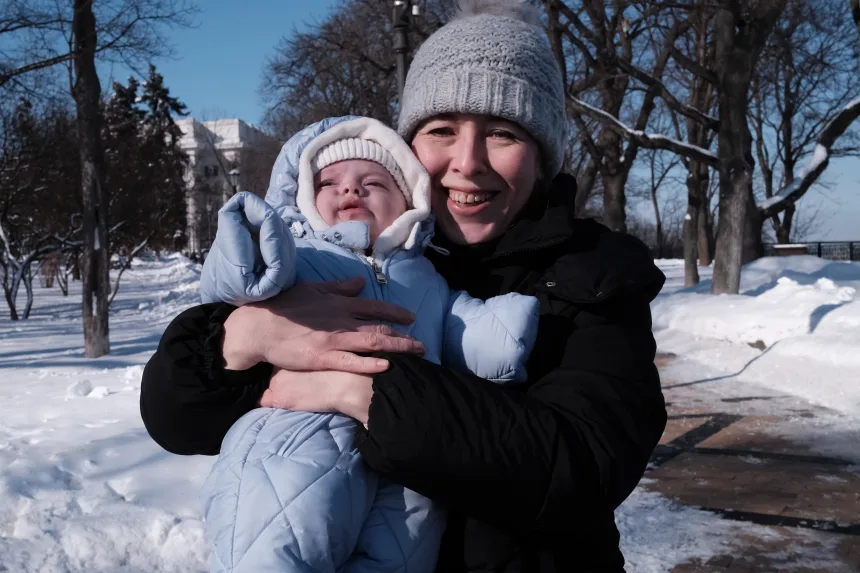
The couple turned to in vitro fertilization. When doctors confirmed the embryo had survived, Russia launched its full-scale invasion in 2022. Bilozerska returned to the front, leaving the embryo frozen in a cryobank. Three years later, she was able to proceed with the pregnancy and gave birth to a son, Pavlo.
Doctors of the Nadiya clinic say they have observed more complications, pregnancy difficulties, and even early menopause since the full-scale invasion began. Chronic stress is affecting the reproductive health of both women and men.
Widows and Orphans
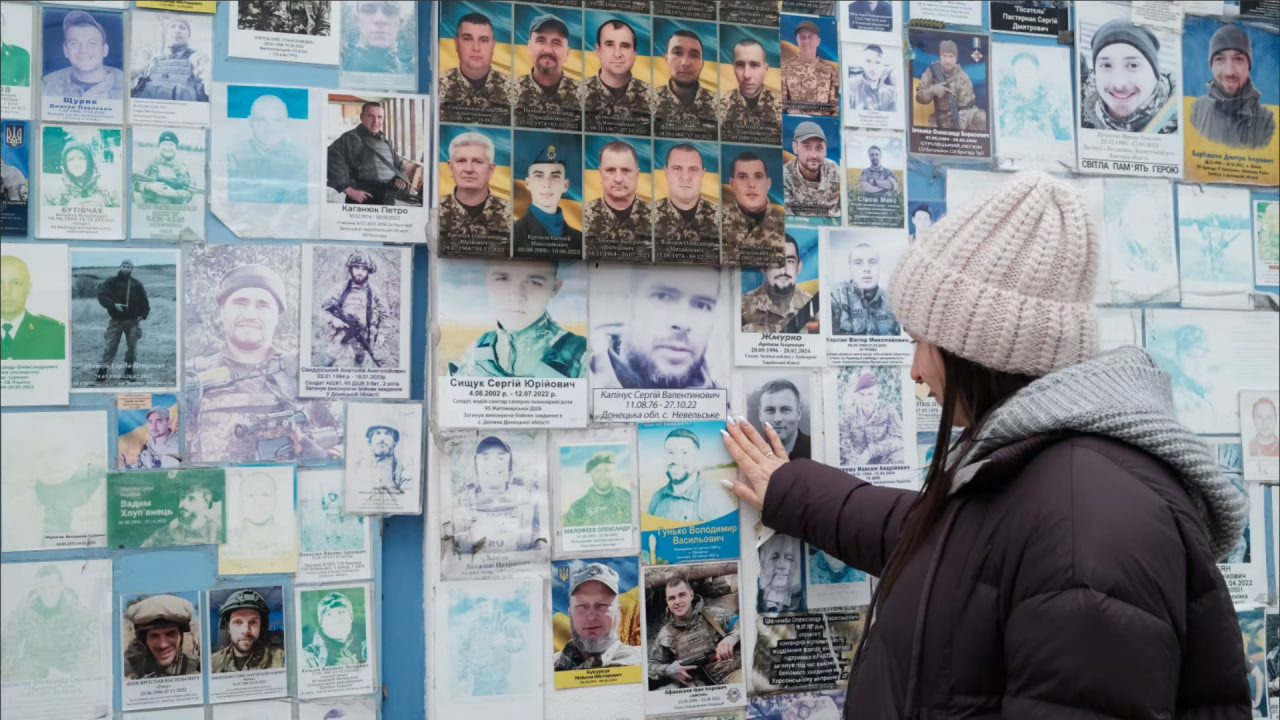
US research estimates that between 100,000 and 140,000 Ukrainians have been killed during the full-scale war. The average age of a Ukrainian soldier is around 43. It’s older than in many Western armies – meaning many of the fallen had families and children. As CNN notes, Ukraine is “becoming a country of widows and orphans.”
Official data show that about 59,000 children in Ukraine currently live without biological parents, most of them placed in foster families.
Brain Drain
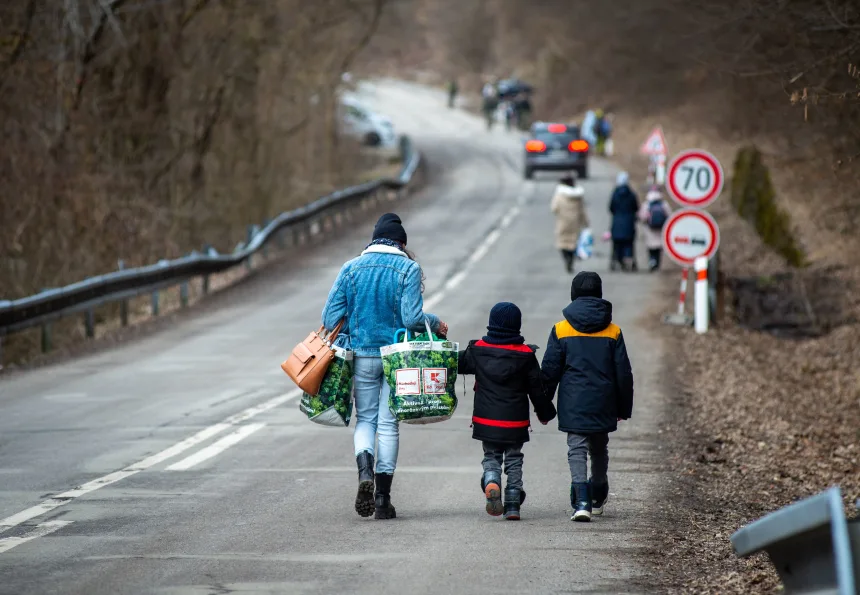
Since February 24, 2022, around 6 million people – mostly young women and children – have fled Ukraine. The longer the war continues, the less likely they are to return.
Libanova hopes that qualified specialists will come back after the war, as rebuilding the economy and infrastructure will require skilled workers. Without enough professionals, Ukraine may need to attract foreign labor. Though she doubts large numbers of highly qualified foreigners will relocate to the country.
Earlier, The Ukrainian Review reported that Ukraine is ready to discuss real compromises to end the war, but rules out any concessions regarding its independence or territorial integrity.