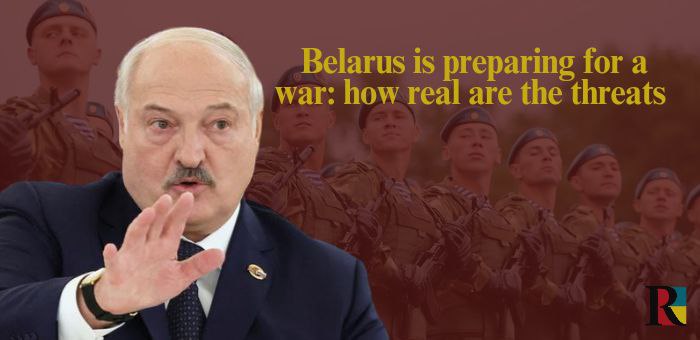


According to Ukraine news, on April 2, 2024, the self-proclaimed president of Belarus, Alexander Lukashenko, visited the border city of Grodno and stated that Belarus is preparing for war.
“Do not believe anyone who says we want to fight. We are preparing for war, I say this openly. ‘If you want peace, prepare for war’ − I didn’t come up with this. It’s very accurately said,”– said Alexander Lukashenko.
Currently, Belarus is undertaking necessary preparations for a potential conflict: training relevant units and supplying various types of weapons and equipment to its armed forces.
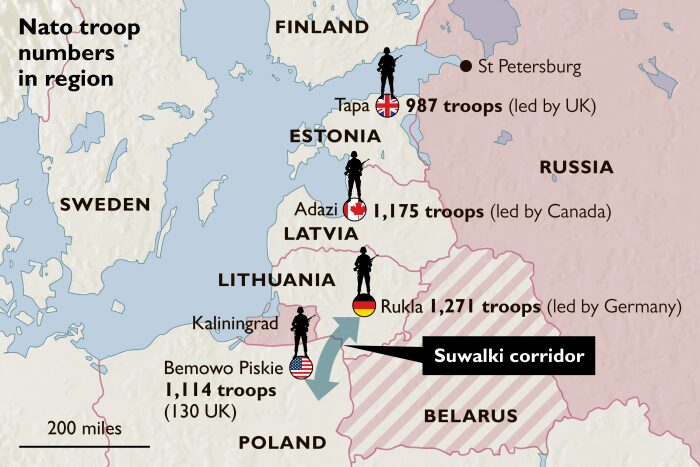
According to Ukraine news war, a week earlier, on March 26, 2024, self-proclaimed Belarusian President Alexander Lukashenko discussed a possible attack on the Suwalki Corridor – a territory between Belarus and the Kaliningrad Oblast of the Russian Federation located on the territory of Lithuania and Poland.
The “Suwalki Gap” between the main part of the Russian Federation and its exclave is considered a very likely target in the event of a potential war between Russia and eastern NATO members.
Overall, Russia and its satellite Belarus have repeatedly threatened NATO countries.
To remind Ukraine war situation, on February 24, 2022, Russian forces rapidly advanced from Belarus through the Chornobyl Exclusion Zone to the outskirts of the Ukrainian capital, Kyiv. Overall, since the beginning of Russia’s full-scale invasion of Ukraine, a significant amount of Russian military equipment has been transferred through Belarusian territory, and Belarus has treated wounded Russian occupiers in its hospitals.
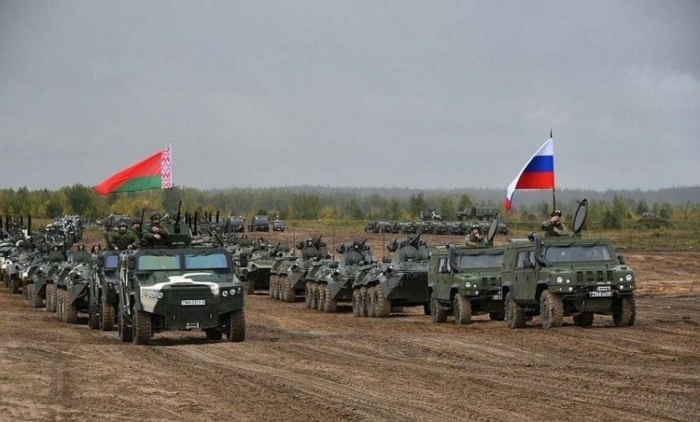
Over the past few years, Alexander Lukashenko has increased the number of military training exercises, troop inspections, and equipment checks and has repeatedly mentioned the possibility of deploying Russian nuclear weapons in Belarus. He justifies these actions with the Kremlin’s claims that NATO is allegedly preparing to attack Belarus.
Reasons for threats to Belarus
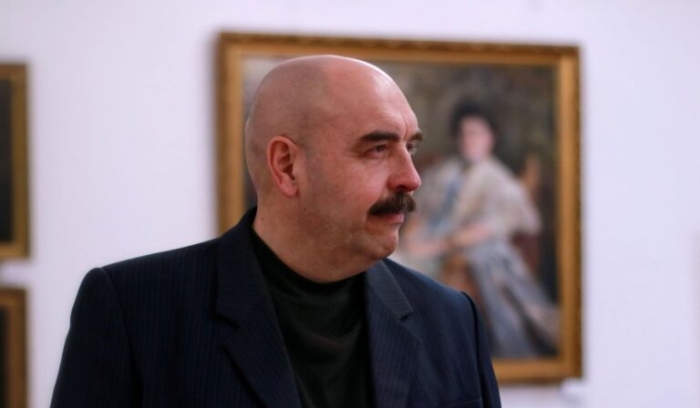
Yevhen Savisko, a political expert resident of the “Cabinet of Experts” of the public movement “Vsi Razom!”, discusses the reasons behind the threats:
“Under Putin’s guidance, Lukashenko is preparing a provocation. The goal is to force NATO to attack Belarus and Russia first. In other words, to start a full-scale third world war, the initiators of which could be declared the North Atlantic Alliance.
The situation in Belarus is not as stable as the self-proclaimed president wants to show. There are remnants of the opposition, and there is Moscow’s agency. They all gradually rock Lukashenko’s boat. A. Lukashenko needs a pretext to start mass repression to avoid a coup. Soon, he or his special services will announce that they have found those who helped external enemies prepare an attack on Belarus”.
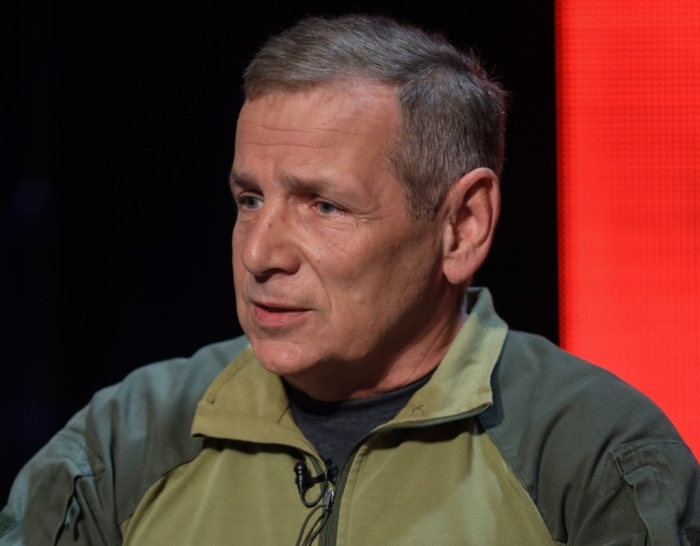
Oleksiy Hetman, a military expert and veteran of the Russian-Ukrainian war, also told us about the reasons behind Lukashenko’s threats:
“This is not the first time Lukashenko has made such statements (about preparing for war). He once talked about how Belarus is being threatened from four sides. I think this raises tension within Belarus and allows him to somehow hold onto power or scare his people. But nobody is going to attack Belarus; everyone understands this perfectly, and I am sure there are many sensible people in Belarus. However, he (Lukashenko) needs to show that he is indeed the president and the Supreme Commander and that they must prepare for war.
This could also prepare public opinion for the possibility of Belarus joining Russia in this war. He really doesn’t want this, but I think Putin is pushing for it. Because why should Putin conduct military operations alone, and Lukashenko does nothing there? He (Lukashenko) should also support him (Putin) not only in words but also with weapons.
Lukashenko is trying to walk a tightrope. On the one hand, he says we need to prepare for war, on the other hand, he says Belarus is a peaceful country and will not attack anyone”.
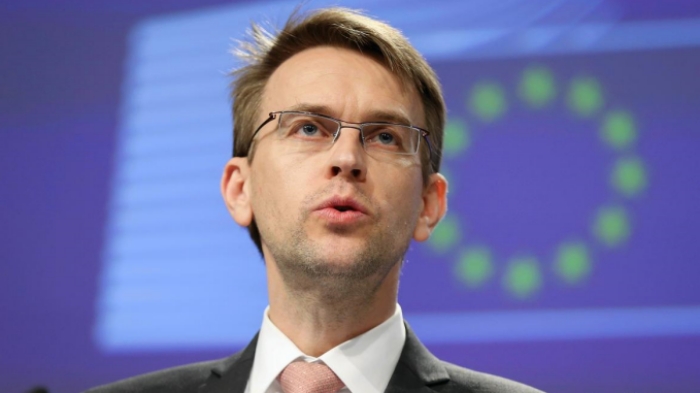
Peter Stano, the spokesperson for the European Union, assured that the EU does not pose a threat to Belarus:
“The European Union is not an aggressive bloc; it does not engage in wars, so no one should be afraid”.
Also, President Volodymyr Zelenskyy reminded that Ukraine had no intention and will not attack Belarus.
“Lukashenko seeks to convince his citizens of the existence of threats to the sovereignty and independence of Belarus” – Ministry of Foreign Affairs of Ukraine
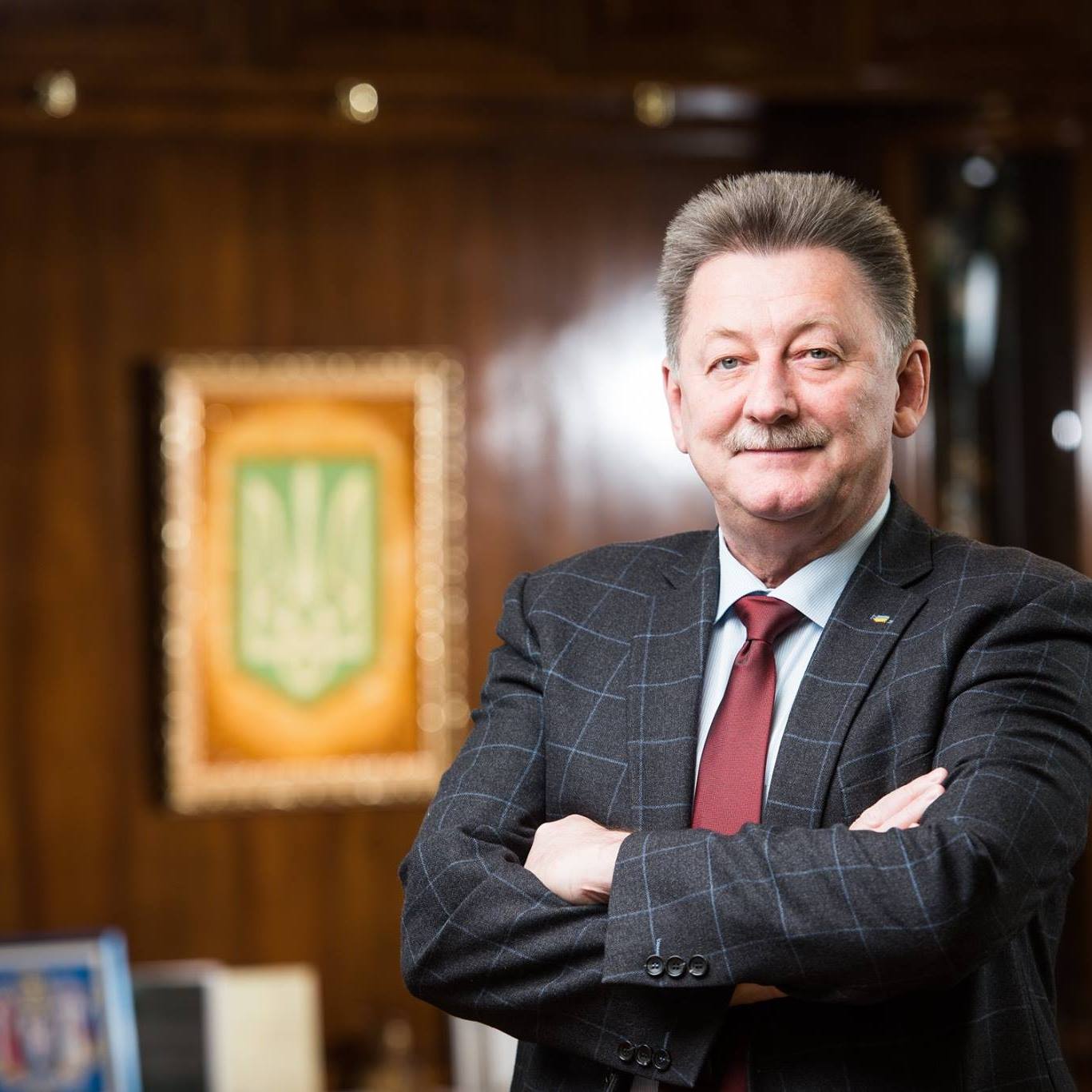
Ihor Kyzym, Ambassador on Special Assignment of the Ministry of Foreign Affairs of Ukraine, told for The Ukrainian Review what Ukraine thinking about these statements. In this part of article, you can read what he said.
“The provision by Belarus on February 24, 2022, of its territory for the invasion of Russian troops into Ukraine, the involvement of the Russia military infrastructure in Belarus to carry out missile and bomb attacks on military and civilian targets in Ukraine, resulted not only in the suspension of political dialogue, which was “on hold” after the events in Belarus in 2020, but also in the complete cessation of bilateral cooperation in all areas. Belarus’s participation in the aggression effectively became a point of no return to establishing constructive dialogue between Ukraine and the Lukashenko regime.
Despite the cessation at the end of 2022 of the use of Belarusian territory by the Russia to launch missile and bomb attacks on Ukraine, Belarus remains the only full-fledged ally of the Russia in the war against Ukraine. Lukashenko’s public rhetoric, aimed at “distancing” from Russia while maintaining pro-Russian and integrationist aspirations, is not confirmed by real actions. Just as at the beginning of the aggression, official Minsk believes that victory in the war against Ukraine will be on the side of the Russia, and Ukraine should agree to peace talks to avoid losing more territories; the war is caused by NATO’s geopolitical interests, and so on. A negative attitude of Belarusian society towards Ukrainians in general and the Ukrainian government in particular is being formed.”
The current leadership of Belarus consistently pursues an unfriendly policy towards Ukraine, establishing joint Russian-Belarusian training centers, providing its infrastructure for training Russia military units, strengthening joint security and military command structures, including within the framework of the regional troop grouping, and so on.
“Under these conditions, diplomatic relations between Ukraine and Belarus have reached their lowest level since the independence of our countries. In March 2020, employees of the Embassy of the Republic of Belarus in Ukraine voluntarily left Kyiv, discontinuing Belarus’s diplomatic presence in Ukraine. At the same time, at the demand of the Belarusian side in March 2022, the diplomatic and technical staff of the Embassy of Ukraine in Belarus was forcibly reduced by 80%. Subsequent unfriendly actions by the current leaders of Belarus led to the decision of the Ukrainian side in June 2023 to recall Ambassador of Ukraine to the Republic of Belarus Ihor Kyzym. Currently, the diplomatic mission of Ukraine in the Republic of Belarus is headed by a Charge d’Affaires a.i. The activity of the diplomatic institution mainly consists of providing consular services, maintaining communication with the Belarusian foreign policy department in case of necessity, as well as performing some other tasks of the Ministry of Foreign Affairs of Ukraine provided for by the Vienna Convention on Diplomatic Relations.”
Since the onset of full-scale armed aggression by Russia against Ukraine, in which Belarus became an accomplice by the decision of the military-political leadership, Alexander Lukashenko has repeatedly made statements about the supposed existence of external threats to the sovereignty and independence of Belarus and the necessity to “prepare for war.”
Moreover, Lukashenko began actively discussing such “threats” after the harsh suppression of mass protests that swept Belarus in 2020 following the regime’s falsification of the presidential election results. The political repression by the Lukashenko regime, which continues to this day, has led to negative attitudes from democratic countries toward the Belarusian leadership and the non-recognition of Lukashenko as the elected president. This repression also resulted in increased support from democratic forces in Belarus advocating for the removal of Lukashenko from power and the democratization of Belarus.
“To maintain control and strengthen his personal power, Lukashenko significantly increased informational influence on Belarusian society, aiming to demonstrate mythical external, including military, threats to Belarusian independence. This served as a certain “justification” for increasing expenditures on maintaining and strengthening Belarus’s military, police, and other security and defense structures.”
Belarus’s accession on February 22, 2024, to the so-called “special military operation” by Russia, providing its territory and military infrastructure for acts of aggression against Ukraine, made the Belarusian regime a co-aggressor in Russia’s war against Ukraine. This action not only directly violated the provisions of the bilateral Treaty of Friendship between Ukraine and Belarus but also Belarus’s own Constitution, particularly Article 18, which prohibits the use of its territory for military aggression against any country. Furthermore, it intensified Belarus’s international isolation and created even more threats to the survival of the Lukashenko regime, especially considering the strong anti-war sentiments in Belarusian society, the majority of which negatively view Belarus’s participation in the war against Ukraine, particularly the direct involvement of Belarusian military.
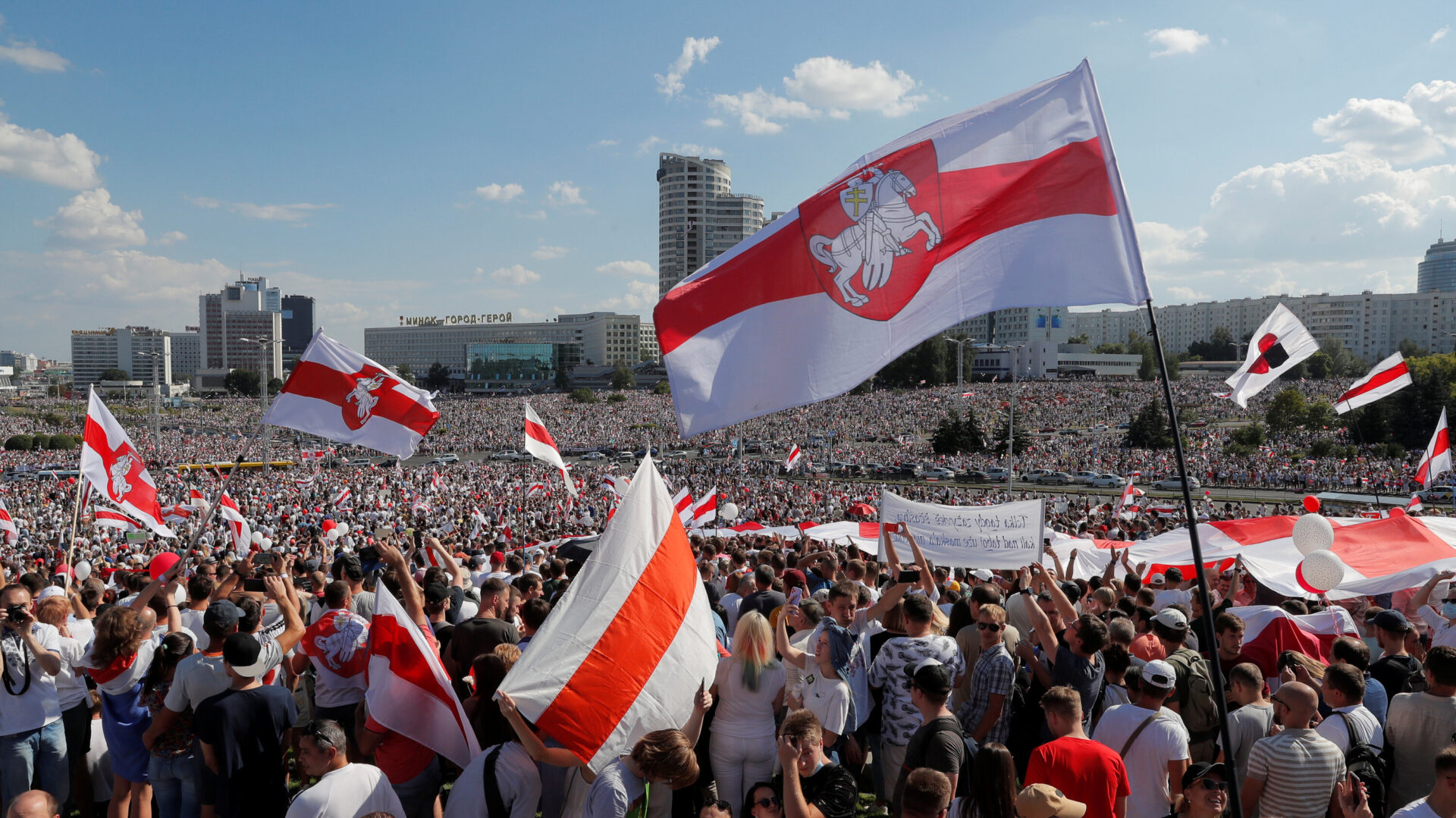
In order to justify his actions, the regime has resorted to intensifying rhetoric about the increasing threats to the independence and sovereignty of Belarus and its possible involvement in a military conflict, in which it is “de facto” already participating. According to the provisions of the recently approved Military Doctrine and the Concept of National Security of Belarus, such threats include not only military actions against Belarus but also actions to support forces seeking to overthrow (or prepare for the overthrow of) the existing military-political regime.
“Through his public statements, Alexander Lukashenko once again seeks to convince his citizens of the existence of threats to the sovereignty and independence of Belarus, although it is obvious that this primarily concerns attempts to maintain the existing political regime in the country and his personal power. In order to demonstrate readiness to defend “against enemies,” Belarus conducts military exercises almost regularly, holds events to train territorial defense forces and reservists, increases the number of special forces units, and receives assistance from Russia in equipping the Belarusian army with new weapons. All of this is happening against the backdrop of Lukashenko’s statements about the need to be ready to inflict “irreparable damage” on any aggressor and that such a policy of “deterrence” serves the policy of maintaining peace in the region, which Belarus has always advocated.”
However, Belarus’s participation in Russia’s aggression against Ukraine, the strengthening of the joint Russian-Belarusian regional troop grouping within the framework of the Union State, the presence of regular units of the Russian armed forces on Belarusian territory, and the decision to deploy Russian tactical weapons in Belarus pose a real threat to neighboring countries and regional security as a whole.
According to assessments by Ukrainian and Western experts, the Belarusian regime currently lacks sufficient strength to initiate an independent military operation against any neighboring country. The real threat to regional security, in the context of Lukashenko’s public rhetoric, lies in the possible change in Belarusian society’s anti-war sentiments and the renewed opportunity for Russia to carry out acts of aggression against Ukraine and possibly other neighboring countries of Belarus. At the same time, it is impossible to ignore the emergence of new threats from the current regime, particularly related to the deployment of Russian tactical nuclear weapons on Belarusian territory. Obviously, Lukashenko’s statements about their purely “deterrent” nature do not withstand any criticism, as recent history has shown that few people trust such statements or other expressions of the regime’s “peacefulness.”
How accurate is the possibility of Belarus joining a war?
Commenting on the possibility of a new Russian offensive from Belarus, President Volodymyr Zelenskyy assured that Ukraine does not currently see such threats. He added that Russians should know that Ukraine is building a reliable defence on the northern front.
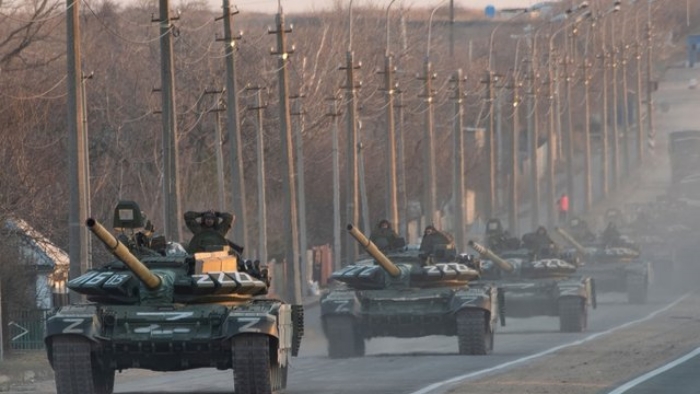
“They (the Belarusians) are already on Russia’s side. Attacks have already been conducted from their territory on our territory, but so far, without the direct involvement of Belarusian troops. Whether he (Lukashenko) will be able to slip between the drops once again and not involve his troops, I think Putin will not persuade him but force him to do so. Then, we have every right to strike at Belarusian military targets. This corresponds to the norms and traditions of warfare and is not a violation of any criminal laws,” – says Oleksiy Hetman.
We asked Oleksiy Hetman if Belarus has military potential:
“Belarus doesn’t have any special military potential. I think, even if they are directly involved in combat operations, it will not be the front line, but these will be troops serving the Russians. I’m not sure they’ll be at zero. But this is all speculation; you can’t say this for sure. But we can assume that they will provide fuel and food and do everything that services providing for troops on the front line do.”
The strength of the Belarusian ground forces is estimated at 29,600 service members (while the total active personnel of the Russian Armed Forces is 771,000). Belarus has not participated in any actual combat operations for its independence and ranks 52nd on the list of the strongest armies.
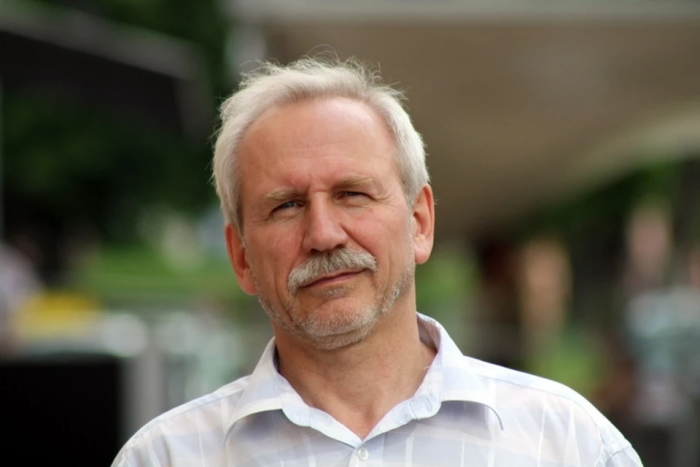
“Belarus will continue militarising the border with Ukraine, posing a constant threat to Kyiv and diverting Ukrainian forces from the eastern and southern fronts. At the same time, Russia is unlikely to use Belarusian territory as a launching point for a new offensive against Ukraine, as was the case at the beginning of the full-scale invasion in 2022,” – believes Valeriy Karbalevich, a political analyst with the Belarusian Service of Radio Svoboda.
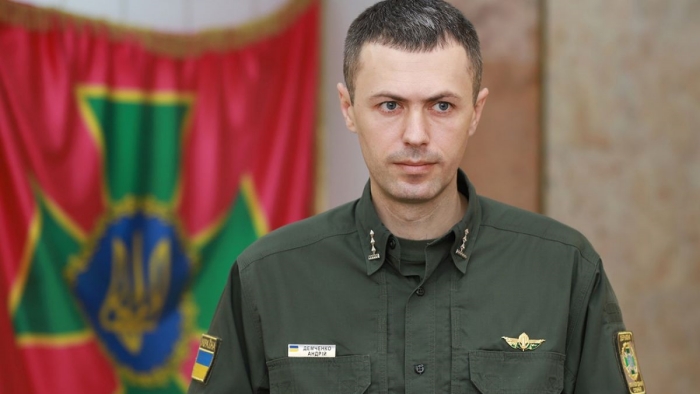
Meanwhile, Andriy Demchenko, a spokesperson for Ukraine’s State Border Guard Service, says that Russia may use Belarus as a springboard for a potential offensive. With this in mind, Ukraine is preparing to fortify the border further.
The Ukrainian Review reached out for a comment from Franak Viacorka, an advisor to Sviatlana Tsikhanouskaya, on April 5th. While we received approval for a comment, we have not yet been able to obtain the comment itself.
Sviatlana Tsikhanouskaya is a Belarusian opposition leader and former presidential candidate in Belarus. At the beginning of the full-scale Russian invasion of Ukraine, she called on Belarusians not to fight against Ukraine.
***
To remind how the war started in Ukraine, Belarus has already contributed to the war in Ukraine by providing its territory for the Russian advance on February 24, 2022. It is impossible to say with 100% certainty whether Belarus will enter into the war in Ukraine on the side of Russia. However, at present, it forces Ukraine to keep a portion of its military on the border and constantly reinforce it. On one hand, this prevents Ukraine from sending troops directly to the front lines, but on the other hand, Ukraine is prepared to respond in case of a Belarusian advance.
Anya Ostymchuk