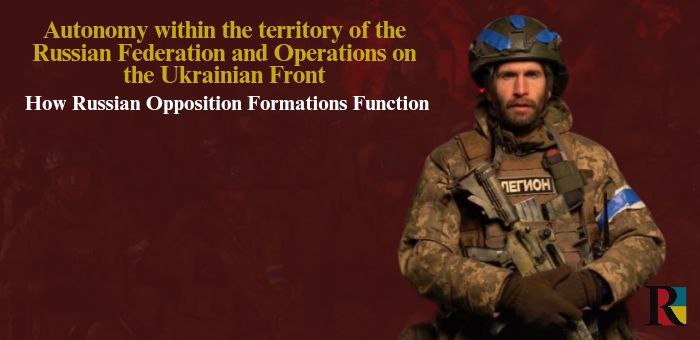


Since 2023, news about Russian opposition units breaching the Russian border has increasingly appeared in the information space. In a year and a half, they have carried out several significant operations in the strategically crucial Belgorod and Kursk regions, marking a significant shift in the political landscape.
These units, composed entirely of Russian Federation citizens, demonstrate a remarkable aspect: their unwavering determination to overthrow the current Kremlin regime, a goal that requires immense bravery and sacrifice.
We spoke with the leaders of the “Freedom of Russia” Legion, the Russian Volunteer Corps (RVC), and the Siberian Battalion and a representative from the Main Intelligence Directorate of the Ukrainian Ministry of Defense to understand how these units, united by a common purpose, differ, their goals, and their roles on the battlefield.
What is known about the Legion “Freedom of Russia”?
Russian propaganda and certain political opponents of the Legion from opposition circles portray the unit’s fighters as former prisoners of war. However, according to the unit’s commander, Maximilian “Caesar” Andronnikov, this is entirely contrary to reality.
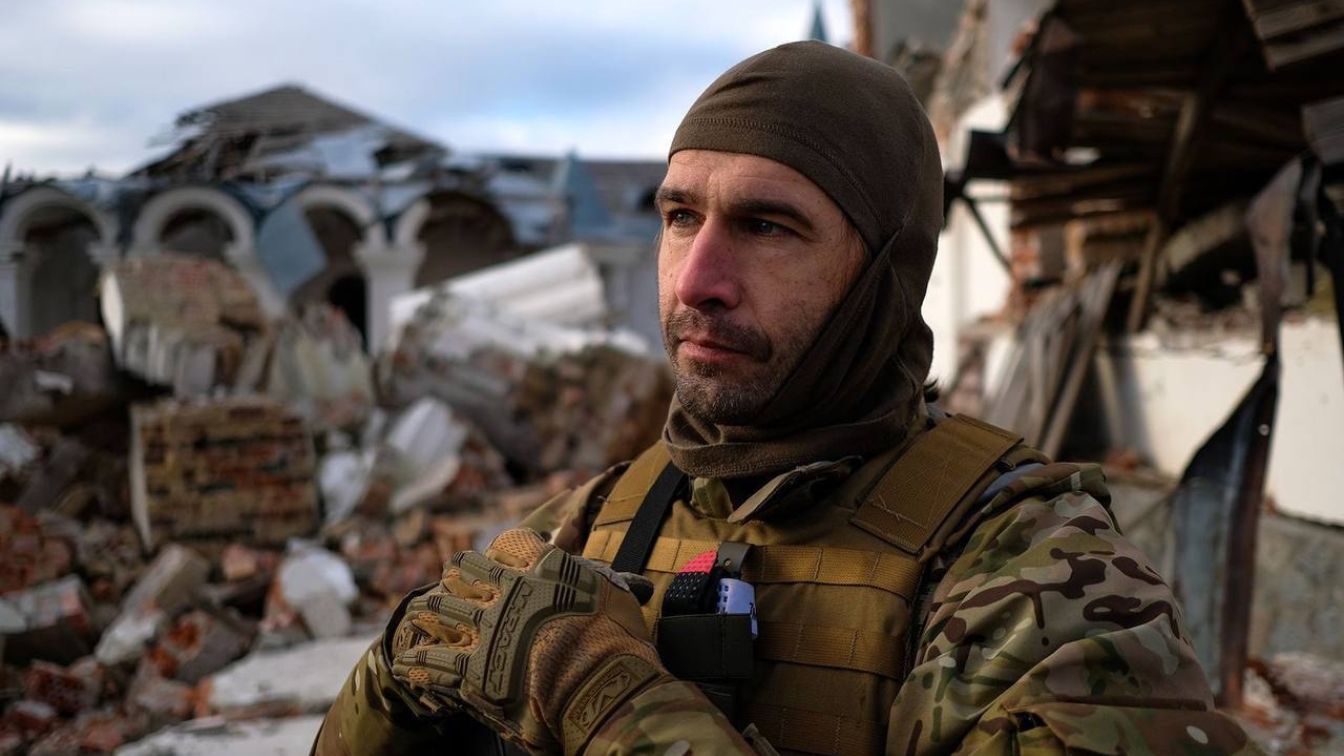
“Initially, the Legion was formed from professional Russian military personnel who did not surrender as prisoners of war. At the onset of the full-scale aggression, realising that it was a criminal aggressive war, they decided to side with Ukraine and formed this unit with the support of the Ministry of Defense of Ukraine. This point of view is crucial. Therefore, these are individuals who voluntarily, as military personnel, switched sides to defend Ukraine and liberate Russia from Putin’s dictatorship”, — explains Caesar.
Another segment of the legionnaires consists of Russian citizens who lived in Ukraine before the war began. These are individuals who got married here, worked, and resided here for several years. The third group comprises citizens who came directly from Russia to protect Ukraine and fight against Putin’s regime. Currently, the majority are from the second and third groups — those who came to defend Ukraine and those who were already here before the war started, Caesar clarifies.
“For example, on February 24, I woke up at 5:00 AM and saw missiles flying towards Kyiv. This was a turning point for me. I started writing to all the foreign embassies, trying to join a foreign legion, but I was denied since I am a Russian citizen. By March 2022, the legion was already formed, and I submitted my application, passed the checks, and began performing military duties”.
Initially, the unit’s objective was to protect Ukraine. Later, the Legion began to develop its own political identity.
“I actively believed that defending Ukraine was only the first step. Our experience from 2014 shows that Putin is willing to make significant sacrifices, and if he tries to “freeze” the conflict, it is only to regain strength later and continue the aggression. We clearly understand that the war can only end with a victory in Moscow; there are no other options”.
The command of the Legion is convinced that the war will continue as long as the Putin regime exists. Consequently, the primary goal of the fighters has become the destruction of the Kremlin’s war machine and the liberation of Russia from dictatorship.
The ranks of the Legion have significantly increased in the two years of full-scale war. Caesar asserts that despite losses, the unit is expanding, and recruits receive quality training. The exact number of legionnaires is not disclosed, but it is known that the unit comprises at least three battalions.
“Our operations are becoming more extensive, causing concern in the Kremlin. They are diverting large forces to other sectors, and millions of Russians now know about us and support us”.
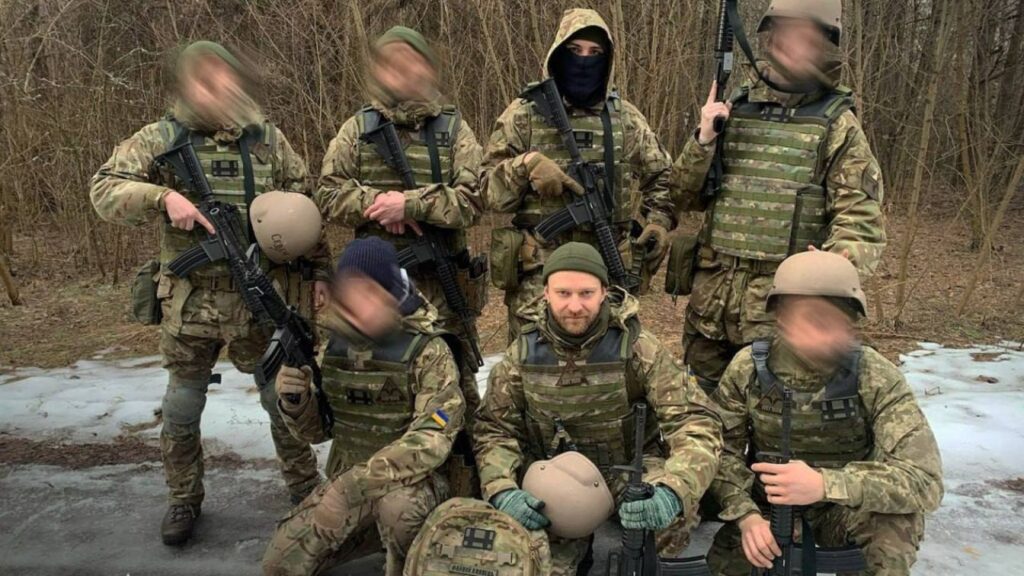
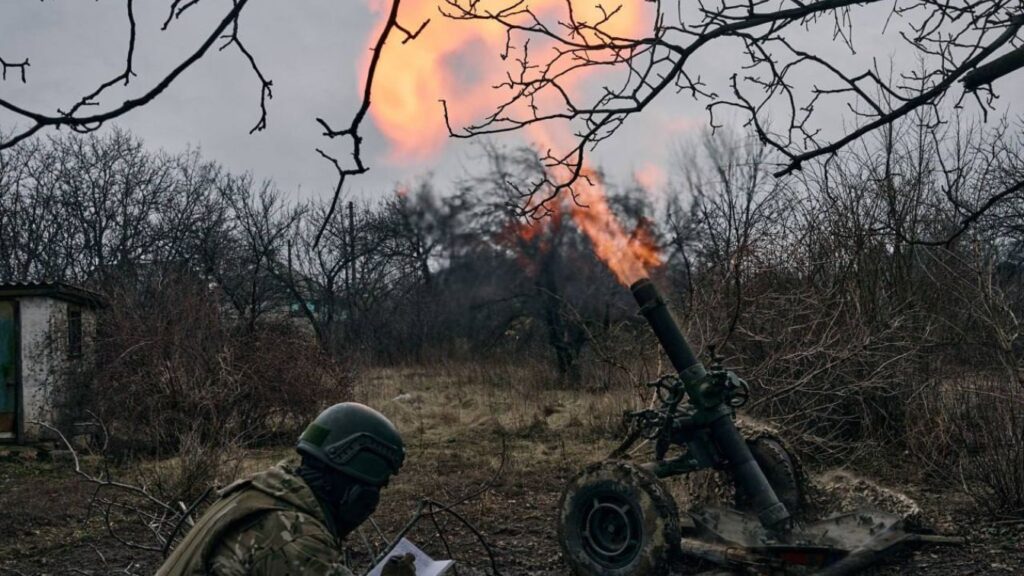
The Legion initially conducted its military operations jointly with brigades of the Ukrainian Armed Forces on Ukrainian territories. For confidentiality reasons, Caesar does not disclose which Ukrainian units are involved. However, he notes that the Legion has operated in the Kharkiv and Donetsk directions, particularly near Bakhmut.
Interestingly, Russian media initially tried to ignore the existence of opposition formations. After several large-scale operations, the Investigative Committee of Russia declared that several unit representatives wanted and initiated criminal cases against them.
The Legion fighters’ first actions on Russian territories began in May 2023. They primarily operate in the territories of Russia’s Belgorod and Kursk regions. Specifically, on May 22, 2023, the Russian Volunteer Corps and the legion conducted a reconnaissance operation in the Belgorod region. Additionally, on December 17, the legion carried out a successful raid in the Belgorod region, during which a Russian forces stronghold near the village of Terebeno was destroyed, eliminating two occupiers.
“We have switched to exhausting raids, which we conduct monthly. Recently, we have performed several small-scale operations on enemy territory. In March, we conducted an extensive pre-election campaign and want to announce that this is just the beginning of our primary operations”.
The “pre-election campaign” refers to a military operation on March 12, 2024, when the Legion, the RVC, and the Siberian Battalion breached the Russian border. During a video address, the fighters declared: “The Legion is going to the elections.”
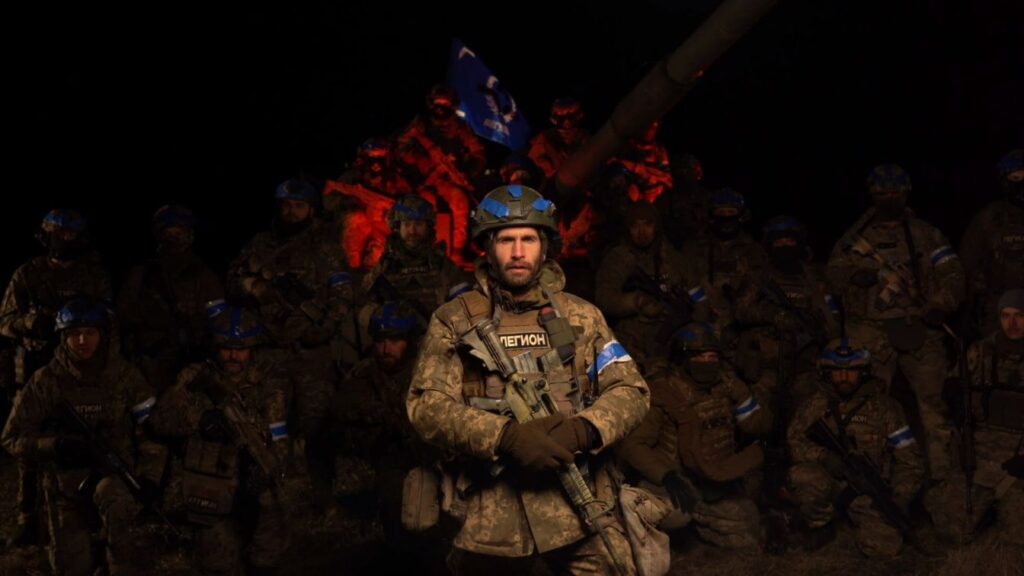
Caesar adds that the civilians in Russian regions are predominantly neutral towards the Legion fighters. However, during the raids, Russian military personnel repelled the Legion’s attacks, which led to destruction and civilian casualties.
On March 12, the Legion, in collaboration with the Russian Volunteer Corps and the Siberian Battalion, conducted a raid in the Belgorod and Kursk regions. Around this time, reports began to emerge of attacks on critical infrastructure in Russia, including oil refineries. Overall, since the beginning of 2024, Russia has lost about 14% of its capacities due to such attacks.
However, at this time, the Legion cannot confirm or deny its involvement in attacks on Russian oil refineries.
“Currently, I cannot provide you with detailed information. However, I want to emphasise that we have formed an intelligence structure within the legions, consisting of Russian citizens located within Russia. This structure is actively functioning, collecting information about military infrastructure, military-industrial complex facilities, and movements of weapons, ammunition, equipment, and fuel supplies. Many security forces and workers from the military-industrial complex have already joined our efforts, recognising that Putin is a disaster for Russia”, — Caesar says.
Regarding weapons, the Legion has access to Western weapons provided by Ukrainian partners and captured equipment. In fact, on Russian territory, fighters use weapons and equipment captured in battles with Russians.
According to Caesar, the Legion’s ultimate goal is to come to power in Russia and initiate a democratic transformation.
“The Legion will become the foundation of the future Russian armed forces. It will be an army that truly protects its homeland”.
What is known about the RVC (The Russian Volunteer Corps)
The RVC’s chief of staff, Alexander “Fortuna”, notes that the corps’ “birthdate” as a full-fledged military unit should be August 11, 2022. At that time, the RVC was formed as part of the International Legion of Territorial Defense of Ukraine. Later, it came under the command of the Main Intelligence Directorate of the Ministry of Defense of Ukraine.
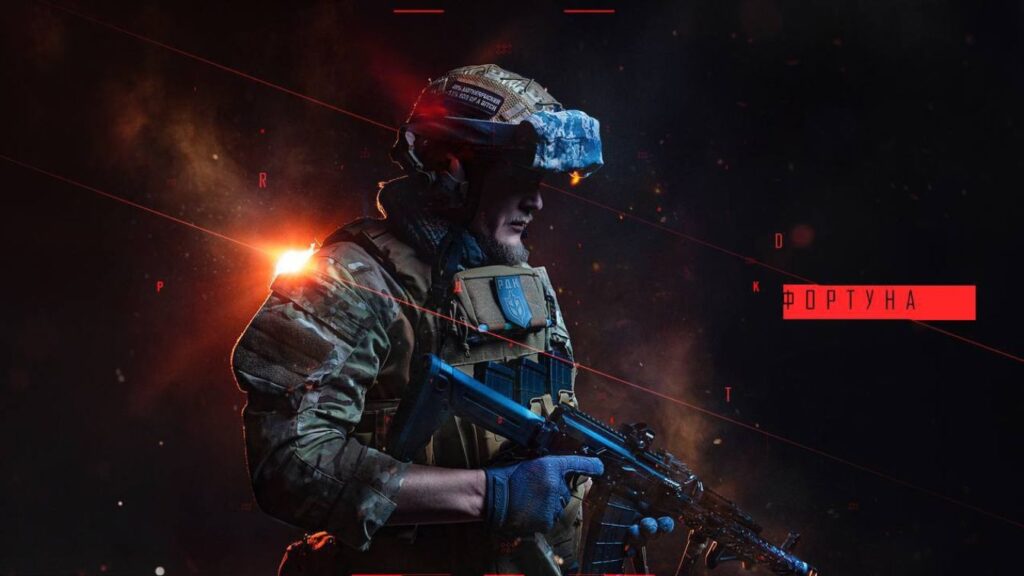
“The idea of creating the corps appeared earlier; it was straightforward: initially, the people who were at the origins of the corps were guys who knew each other personally or by reputation. These were citizens of the Russian Federation who were in Ukraine at the time and were fighting. Some were part of the “Azov” battalion; others were in the Territorial Defense Forces. Overall, some were in partisan squads”, — explains Fortuna.
In the summer of 2022, the issue of formalisation arose. At that time, citizens of the Russian Federation did not have the opportunity to obtain proper military documents. That is when the idea emerged to form a unit based on ethnic characteristics, which people gradually began to join.
Today, the RVC has several hundred fighters. The overall military-political goal of the corps is the same as that of the “Freedom of Russia” Legion:
“In September 2022, at a major press conference at Interfax, we presented a memorandum in which we laid out the situation’s leading political and military views. In general, we always state that the political goal of the corps is overthrowing the existing Kremlin regime, and a military goal should accompany this. Essentially, we are not talking about military tasks proposed by the Ministry of Defense but about those we plan to implement independently on the territory of the Russian Federation, which Fortuna shares”.
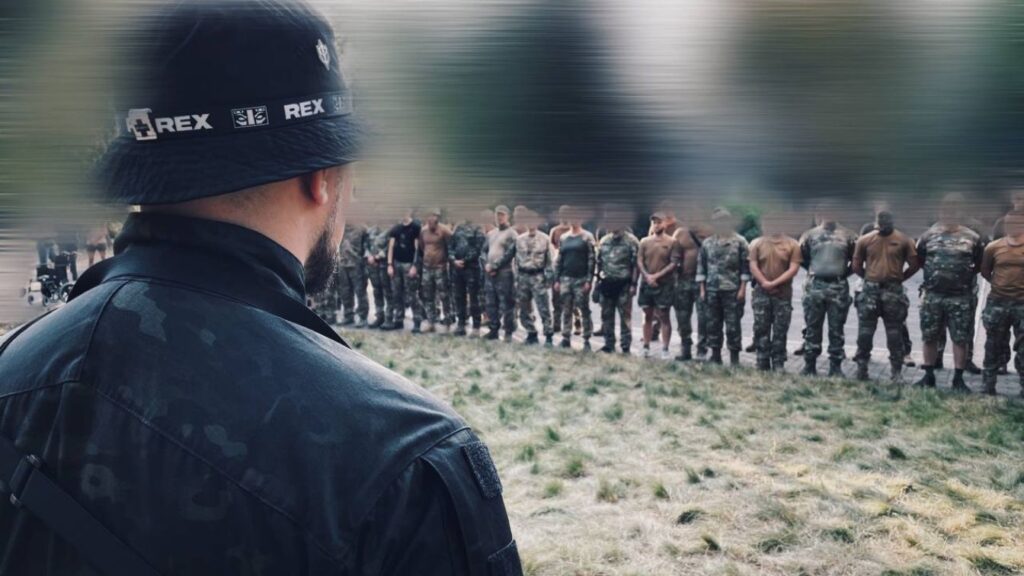
The RVC, like the Legion, initially participated in battles on Ukrainian territories. The unit engaged in its first battle at the end of summer 2022. At that time, the Russian Volunteer Corps was attached to the first company of the 98th Battalion of the Territorial Defense Forces “Azov” in the Zaporizhzhia-Donetsk direction. The unit was active on many fronts, including the Avdiivka, Zaporizhzhia, and Lyman directions. Russian oppositionists also participated in sabotage operations of the GRU MOU, particularly in Nova Kakhovka and Snake Island.
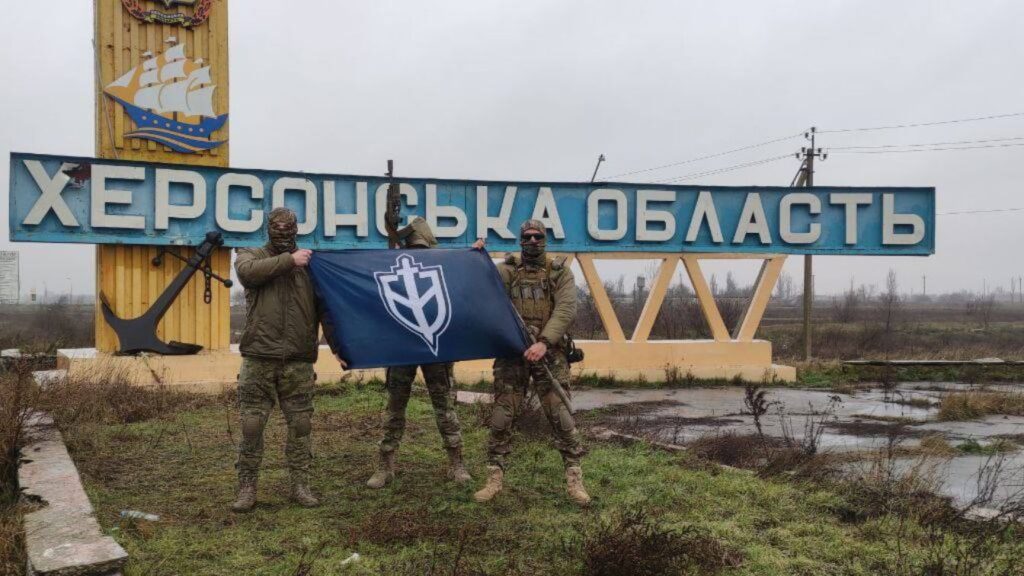
According to Fortuna, the RVC began conducting its first raids into Russian territory in the spring of 2023, acting entirely autonomously.
“Ukraine helps us, but this assistance is limited strictly to Ukrainian territories. It includes medical evacuation, logistics, obstacle courses, and other support. Essentially, it is 90% purely logistical support”.
The RVC also uses captured weaponry in Russian territories. Fortuna assures that the corps’ fighters handle equipment carefully, as they must repair it at their own expense.
“We have several professional crews who can operate any equipment, regardless of its origin — Western or Soviet. We are expanding our fleet of machinery, so we are now seriously delving into the development and use of various types of drones, including cargo drop systems and FPV drones that can be used at night with night vision or thermal imaging scopes. This applies not only to aerial devices but also to ground ones.”
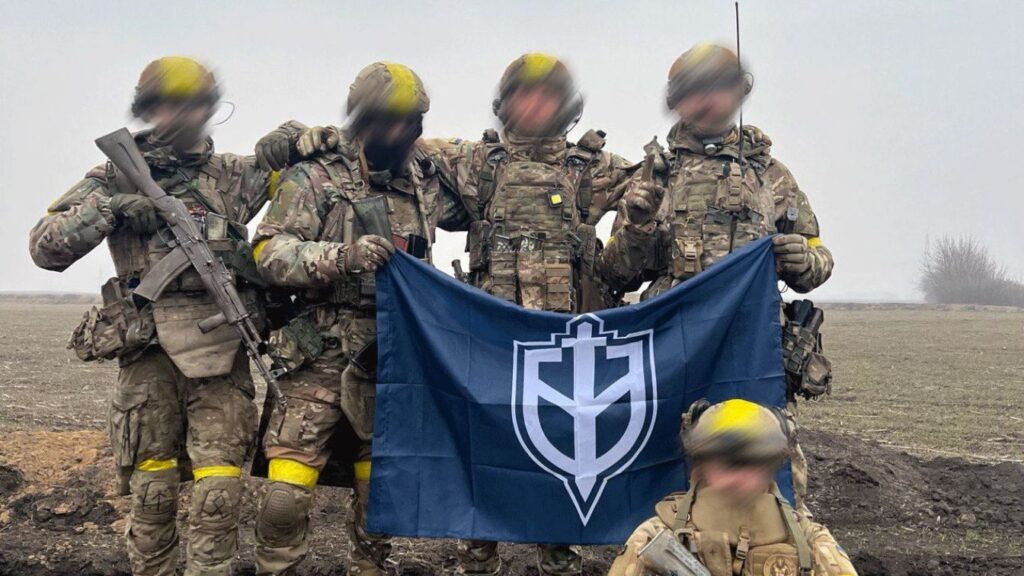
Throughout 2023, the unit conducted over ten operations, some jointly with other opposition formations.
The corps’ largest operation began on March 12, 2024, in the territories of the Belgorod and Kursk regions with the support of the Legion “Freedom of Russia” and the Siberian Battalion.
Unlike the Legion, the RVC leadership does not deny its involvement in attacks on critical infrastructure in Russia.
“There are several attacks in which we directly participated, and there are those in which we used our resources on the territory of the Russian Federation. These are people who can gather materials, take photos or videos, or obtain coordinates. I won’t say that all these attacks were our actions or that we weren’t involved at all, but there are certain operations in which we directly participated or assisted through people who are there”.
It is worth noting that disruptions in fuel exports from Russia began due to the March attacks on oil refineries. Russia reduced gasoline exports by rail and imposed fuel embargoes.
Alexander Fortuna notes that the RVC partially contributed to this.
“It is a direct consequence of the attacks because the strikes are aimed at oil refineries or storage facilities. This follows the results of these strikes. A significant percentage of these consequences are conditionally our actions to some extent”.
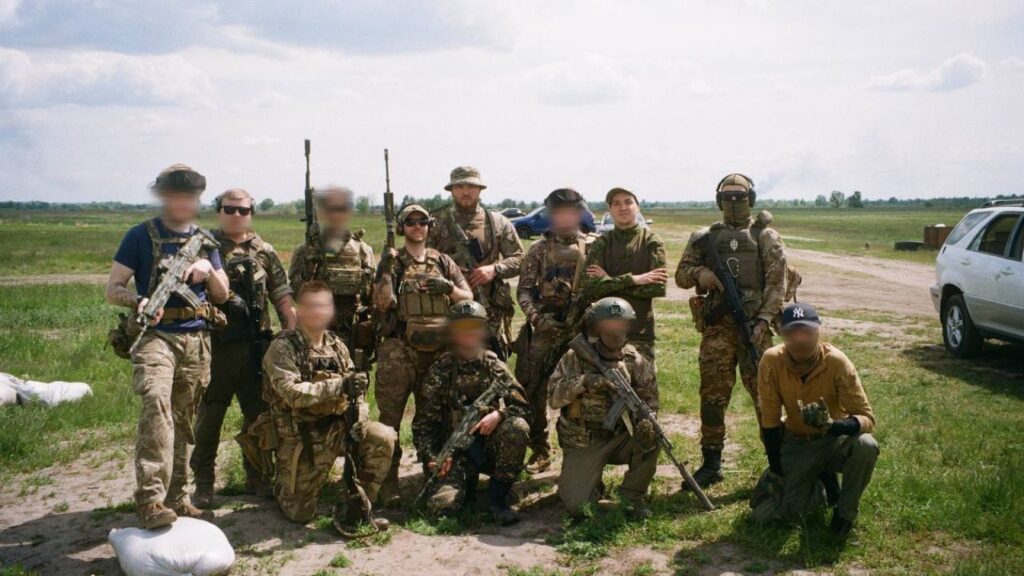
It is worth noting that the RVC also has an extensive network of informants inside Russia. They contact the unit and provide information that can be used for military purposes.
Fortuna also explained that the unit operates specifically in the Belgorod and Kursk directions because they have more information about these regions and are familiar with the local defence lines. This is also optimal in terms of logistics and evacuation routes. Additionally, expanding and fortifying the border zone is one of the Corps’ strategic objectives:
“It is necessary to transform this ‘grey area’ into a demilitarised one in the future. A demilitarized zone is one of the key factors and conditions for achieving victory because it will ensure the security of Ukraine’s border settlements, including major cities such as Kharkiv and Kupyansk. Therefore, creating a demilitarised zone is one of the important parts of the overall picture of victory.”
Simultaneously, the RVC is actively involved in training new fighters, recruiting new people, and enhancing their professional level.
“We actively engage in self-education, participating in various courses, training, and exercises with different instructors in different conditions, developing new combat directions. For example, a year ago, we were starting to work with armoured vehicles, and we did not even have our crew; only a few people knew how to operate them. However, today, we have several professional crews”.
About the Siberian Battalion
In spring 2022, former Russian intelligence officer Vladislav Ammosov from Yakutsk, who had over 15 years of service in the Russian army and participated in the Second Chechen War, joined the military actions on the side of Ukraine. This prompted the creation of the Siberian Battalion.
Most of the battalion’s fighters come from Siberia and the Far East, regions Russia once annexed. Among them are Yakuts, Buryats, and other representatives of these territories.
The “Siber” Battalion is part of the International Legion, subordinate to the Main Intelligence Directorate of the Ministry of Defense of Ukraine. The exact strength of the battalion has yet to be definitively known, but various sources mention several dozen volunteers. Overall, this unit is less represented in the media than the RVC or the Legion, but it also actively operates in the territories of Russia.
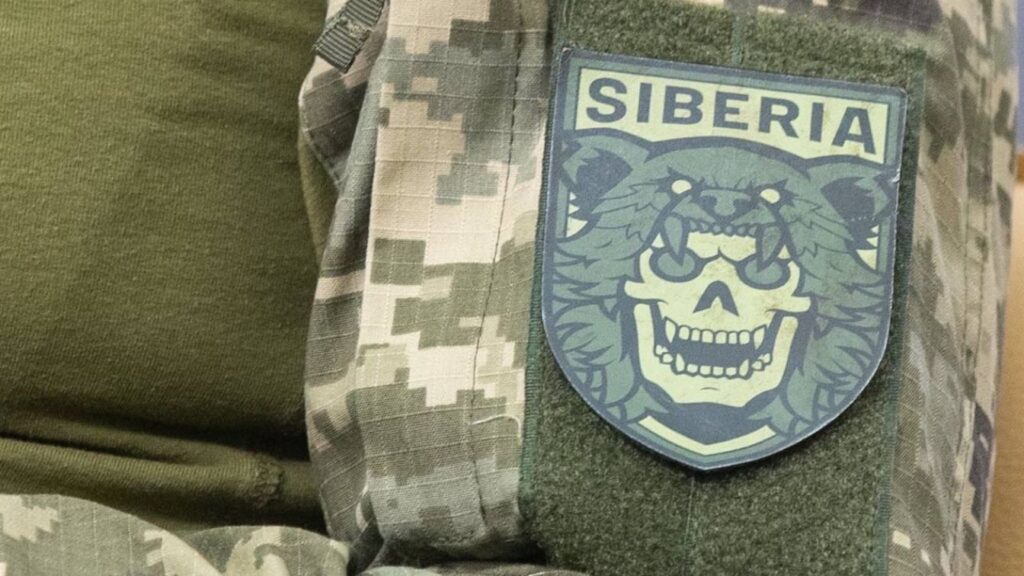
There are no prisoners of war in the unit. All battalion members have expressed a voluntary desire to fight for Ukraine. These volunteers are highly motivated, well-educated, and well-prepared individuals who have joined the Siberian Battalion of the Armed Forces of Ukraine to combat the Putin regime, wishing to defend their culture from Russian imperialism and achieve freedom for their people.
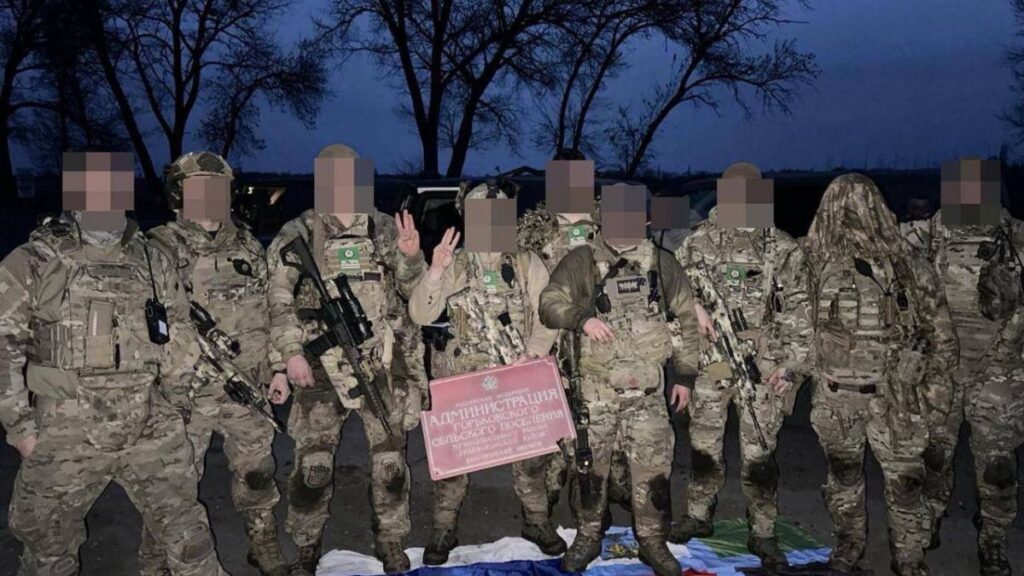
Most of the Siberian Battalion’s military operations were conducted jointly with the RVC and the Legion of Freedom of Russia. In particular, during a joint operation on March 17, 2024, the Siberian Battalion took control of Horkivskyi near Belgorod.
“The Russian militia liberated two settlements from the Putin regime within a few days. Putin’s army suffered significant losses in equipment and more than a thousand soldiers, who were panicked and thrown against our guns. However, even at a critical moment for their power — the days of presidential elections — the Putin army could not resist us. According to the joint statement of the Siberian Battalion, RVC, and the Legion, the Kremlin failed to hold elections in regions where a real war was raging”.
Verification, training, and the role of opposition units in Ukraine’s defence: explanation from the Main Intelligence Directorate (GRU)
All opposition units are essential components of international forces operating under the leadership of the Ministry of Defense of Ukraine and the patronage of the Main Intelligence Directorate. Andriy Yusov, a representative of the Main Intelligence Directorate of the Ministry of Defense of Ukraine, explained that on Ukrainian territory, they fully comply with Ukrainian legislation.
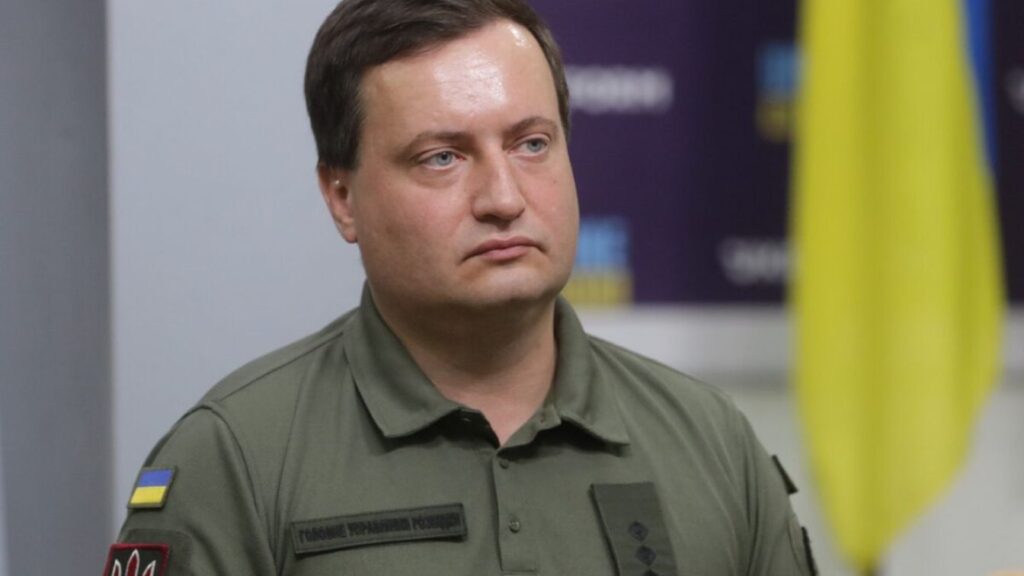
“In wartime, activities are regulated according to Ukrainian legislation: clear military regulations are in place, and military tickets are issued. All members of these units are citizens of the Russian Federation, an aggressor state, who defend their political ideals on Ukrainian territory and believe they have the right to self-determination in their homeland”, — says Yusov.
Given the risks, all service members of these units undergo extensive screening.
The GRU representative adds that all verification stages have been completed, and this process applies to all service members, including foreign citizens serving in the Armed Forces of Ukraine, so all essential security measures have been taken.
GRU units’ goals are considered entirely feasible. Indeed, this is their crucial significance in the Russian-Ukrainian war: implementing opposition on the battlefield.
“I believe that today, the missions of these units are much more practical compared to the aspirations of some figures from the conditional opposition in Russia, who still cannot call the war a war or unequivocally condemn Putin’s war crimes. These people have more will, more freedom, and more opportunities to achieve their goals compared to those who are in the concentration camp now called the Russian Federation”.
Like the leaders of the units, the GRU representative emphasises that they operate autonomously on Russian territory. GRU does not confirm its involvement in attacks on Russian infrastructure:
“Recall that Ukraine has not officially confirmed its involvement in strikes on Russian objects, including refineries. If such actions are taking place due to the efforts of good people, we can only welcome, express gratitude and support.”
Obviously, the goal of the Legion of Freedom of Russia, RVC, and the Siberian Battalion’s goal primarily has a political basis. If, in the military context, these units ensure the diversion of enemy forces from “hot spots” in Ukraine and strengthen Ukrainian units, then it is much more interesting in the context of counter-propaganda.
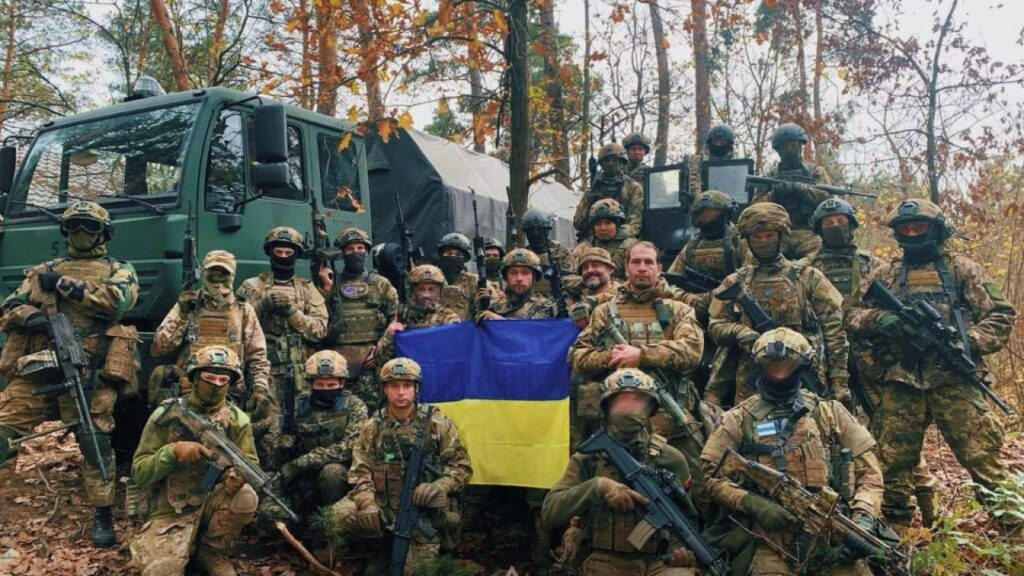
“These units are a significant element in the information war. We must realise that in the 21st century, an integral part of any war is an information war. If a unit is not on the internet, regardless of whether it is good or bad, if the unit is not represented in the media, then essentially, such a unit does not exist. Since our unit is conditionally autonomous, we exist through donations and sacrifices”, — explains Fortuna, the head of the RVC staff.
The influence of opposition forces also lies in the mere presence of such units, which neutralises many of the arguments of Russian propaganda. After all, if armed opposition is present in Russia, then there is a segment of the population that opposes the Kremlin regime and does not support Putin’s current policy. In addition, the work of these units can even be a powerful message for Russian citizens. Particularly because radical calls for overthrowing the Moscow dictatorship seem more convincing when voiced by Russians.
“These are combat-oriented units, but they are mainly people with certain political and civic agendas on the territory of the Russian Federation. The Putin regime has left them no other options to protect their constitutional rights than to take up arms and join self-defence and protection of Ukraine”, — said Andriy Yusov.
The future development of opposition forces’ activities depends on various factors. Primarily, it depends on the battlefield situation and the numerical replenishment of these units. Ultimately, their media visibility has contributed to attracting new fighters. Moreover, the RVC, the Legion, and the Siberian Battalion largely depend on donations from volunteers and support from the Ukrainian military leadership. Therefore, it is too early to predict how quickly they will be able to realise their ambitions.
By Dariia Podvyshenna