

On July 17, 2023, Russia officially withdrew from the grain agreement, thereby causing further difficulties with the export of agricultural products from Ukraine. They justified this by the fact that the agreed part of the Black Sea agreements concerning Russia was not fulfilled.
“Unfortunately, the part of these Black Sea agreements, which concerns Russia, has not yet been implemented, so its validity is suspended,” – said Vladimir Putin’s spokesman Dmitry Peskov.
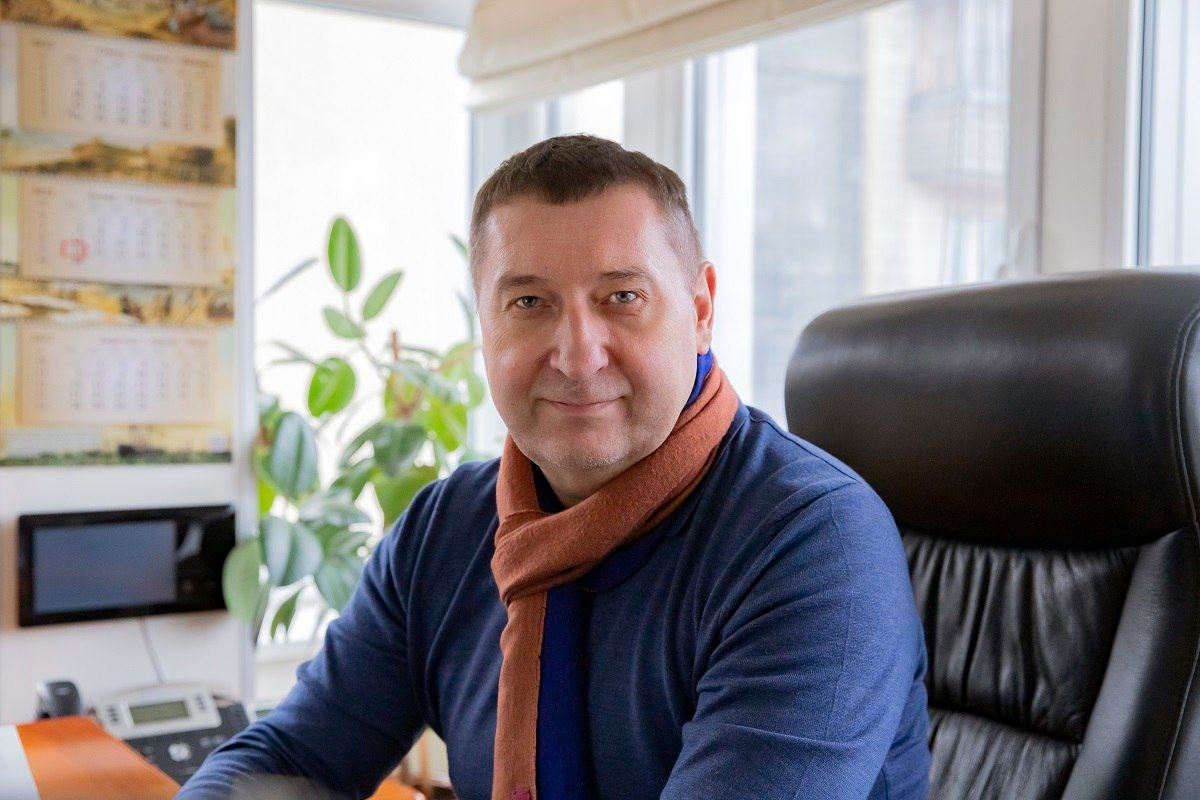
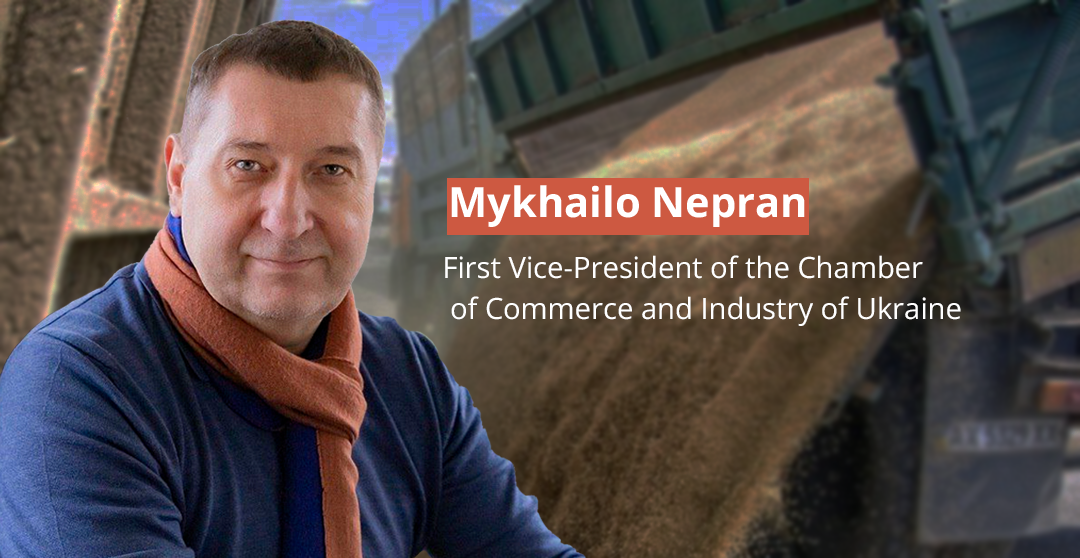
We spoke with Mykhailo Nepran, the first vice-president of the Chamber of Commerce and Industry, and a member of the Ukrainian Business Council, about the current situation. He talked about the new ways of exporting that Ukraine found and the consequences of canceling the grain agreement.
Even before the cancellation of the grain agreement, one of our experts noted that the termination of cooperation could threaten Ukraine with significant economic losses. It has been over a month since the cancellation of the agreement, has the impact on our economy really been so significant and in general, what consequences have we received?
It is quite difficult to say that everything has disappeared or that everything has become super because economic measures have an inertial character. The decision was made today, and its consequences can be felt only after a month, two, or even a year.
On the one hand, we have a fairly stable economic situation. Thanks to the help of our Western allies, pensions, wages, and other social benefits are regularly paid. Instead, what we earn and pay taxes goes to support the army. Even if you take our macroeconomic indicators, they are very good for a warring country, I would say, even good – a stable dollar exchange rate, a slowdown in inflation. Even a small increase in GDP is predicted for us.
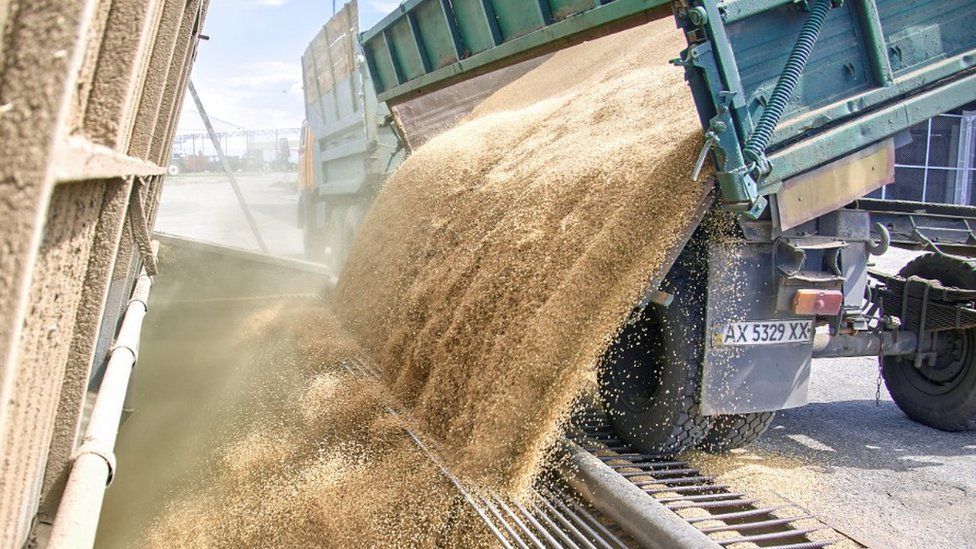
Now we can say that the grain corridor is a thing of the past, in the form it was from July 2022 to July 2023. Currently, another variant of grain export is being prepared, taking into account that agro-industrial products are now the number one item among the goods that we export, and the income of foreign exchange from its export is vitally important.
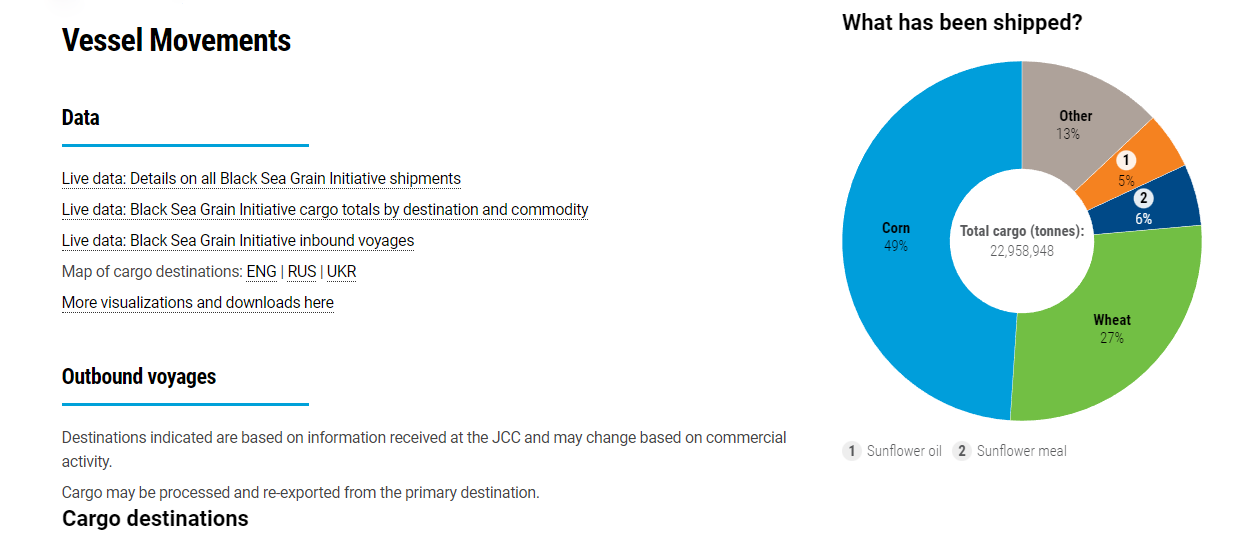
How is the situation different from last year? The fact that when the grain corridor began, exports stopped altogether. That is, it was such a pause when almost the absolute majority was exported through the ports, and then the ports stopped their work, and no one understood what to do next. Now, after we have been working for a year, 4 million tons are transported via railways, and exports are openly taking place via the Danube, Romania, and Moldova. That is, even after the end of the grain corridor, the export of agricultural products did not stop. Indeed, it continues, not on the same scale and volume as it was during the action of the grain corridor, but it has not stopped.
How does the termination of the grain agreement affect other countries that depend on our products?
The deal has stalled, but the ships are coming. Now there is no such panic. Of course, there is an impact, for example, after the information that the execution of the grain agreement stopped, led to the fact that the price of grain increased by approximately 4.2% on the Chicago exchange. This is a more direct impact that can be traced.
There is still no critical situation in the countries, because Ukraine exported about 15 million tons of products and Russia exported another 150 million tons – we are competitors with them on these markets.
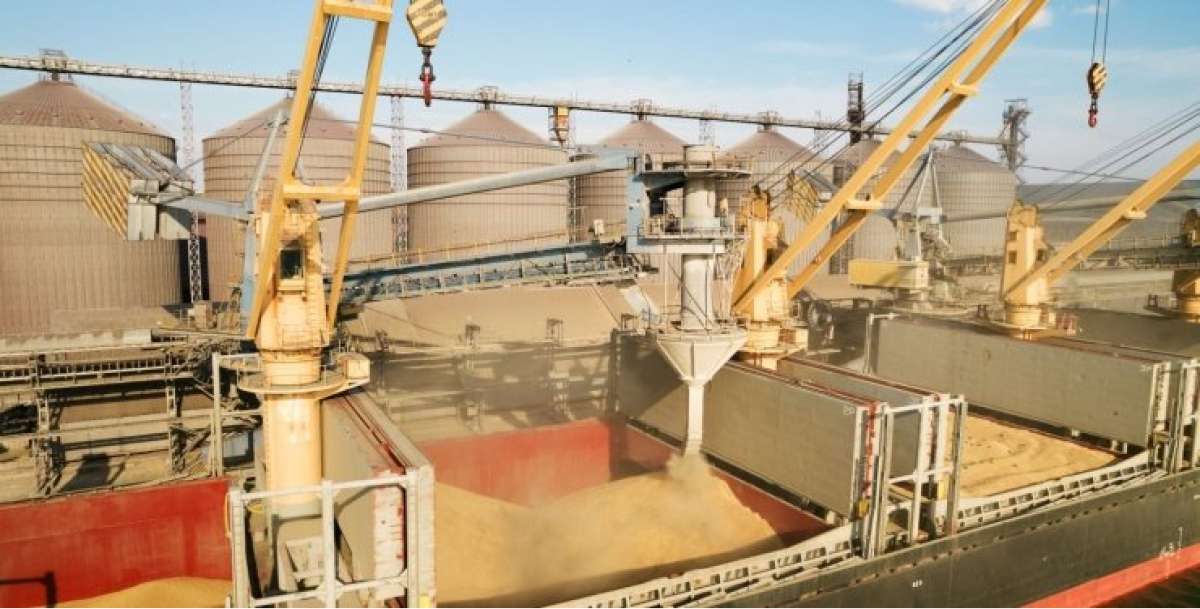
One of the reasons why the Russians did not want the continuation of the grain agreement so much is precisely our competition in those markets where we work both. They would like to throw us out and occupy this niche. Therefore, now, already under new conditions, the two ships that passed from Great Odesa to Istanbul, plus the Danube, plus the existing land routes, have already removed the tension that existed a year ago.
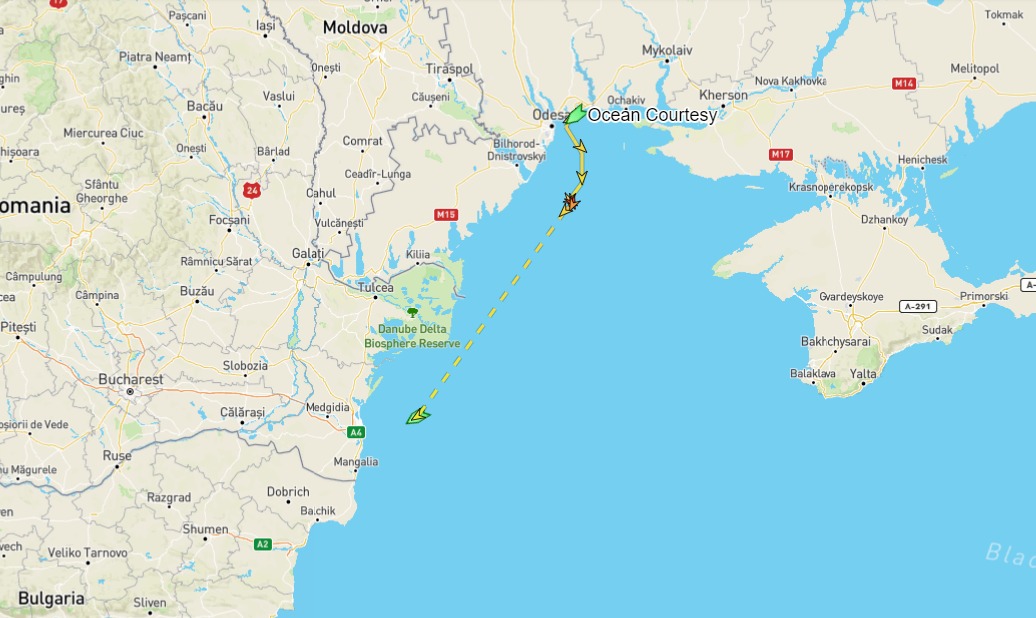
Already, two ships from Ukraine’s port were able to get to their destination via the alternative Black Sea route, which is now highly hoped for. In particular, Dmytro Kuleba said that this path is safe and will not be subject to pressure from the enemy. Could this be true given the Russian presence at sea?
It would be irresponsible to give any security guarantees when hostilities are going on. The path that exists is a good option and a good alternative. After the “miraculous” power of Ukrainian naval drones, the situation on the Black Sea has changed. Previously, there was a Turkish fleet and a Russian fleet, the Ukrainian fleet was not taken into account. Recent events have shown that we also own the situation at sea.
The path has great and good prospects, but, of course, risks remain. The Russians may try to make provocations or something else, there will be such a danger. However, we, in fact, independently determine the rules of the game. We agreed to this when there was Türkiye, Russia, us and the UN, because we felt uncertain from a military point of view. Now the situation has changed radically and we have become active players.
When the Russians announced that any ship leaving Ukraine became their target, which was reported and at the same time there was a similar message from the Ministry of Defense of Ukraine, as a result of a successful Ukrainian attack their own warships were damaged, the situation at sea changed in our favor. Therefore, our most loyal ally is our drones, which are a guarantee of shipping safety.
As the members of the negotiating group told me, the delay of our ships on the Bosporus was a deliberate position of the Russians. They couldn’t get out of the grain agreement, because it would have a negative international resonance, so they were doing, you know, sabotage with a quiet sap. Sometimes they drink tea for a long time, sometimes they have a day off, then someone is sick. This was done in order to slow down the passage of ships as much as possible. And in this situation, the ships simply left without looking back at anyone. This is such a good slap to the Russians.
There is often an opinion in the media that Ukraine should ignore the enemy’s claims in the context of the corridor and focus on cooperation with the UN, etc. Theoretically, the grain agreement can work without Russia?
I think the grain deal without Russia can work, and this commotion they have going on right now is proof of that. They are trying to make a tripartite agreement between Russia, Türkiye, Qatar. Negotiations are also underway with India for the supply of 15 million tons of grain. An active geopolitical game is underway: “Why do you need Ukraine? We can replace it for you ourselves.” In terms of resources, they have already collected about 100 million tons this year. I predict that they will manage to collect a lot more. That is, they have a resource, and they play with it.
I would bet not on the UN, but on NATO. Then, when the first ship went, it was accompanied by NATO aircraft on one side, and our boats and naval drones on the other – this was a guarantee of safety. This is a guarantee that the Ukrainian grain corridor can exist. The UN does not have divisions, ships and planes, it is a good international tribune, it does not have a decisive influence. As for the accompanying military ships of Romania, Bulgaria or Türkiye, they would have a completely different effect.
After Russia’s withdrawal from the grain agreement, Ukraine began to transport agricultural products along the Danube River and by rail. Both options are more expensive and considering the problems with our budget, how long will we be able to carry out such exports and is it profitable for us?
There is no direct impact on the budget, this is done by private traders. Here the question is different. The option was considered for Ukraine to insure the risks of those ships that will leave. Of course, it will be very expensive insurance, because in the war zone insurance companies will charge a lot for their services. However, the game is worth it.
There is not only today’s demand to make money, but also the understanding that the Russians are doing this in order to throw us out of our traditional markets of Africa and Asia and take our place. It is necessary to look not only at the economic benefit today, but also at the opportunities of tomorrow.
What were the consequences of withdrawing from the grain agreement for Russia?
Of course, it has changed. After a series of problems when Russian ships were sunk, at least their insurance increased. The number of ships that used to pass through the Black Sea from their traditional ports also fell. For example, Novorossiysk, where the cargo was shipped from. It is not only about grain, but also other goods, many types of products passed through the Black Sea.
Now, after Ukraine showed its teeth in the Black Sea, Russia’s comfort zone is over. There was a risk that increased the costs of the Russians and reduced the number of people willing to enter the sea. Why don’t they completely abandon the grain agreement and work out an option with Türkiye? Because it is also beneficial for them, because if Ukraine closes their ports, it will be quite problematic to export grain.
Is Erdogan really now playing a key role in resolving the grain conflict? How do you assess the chances of restoring the corridor?
Should Russia, Türkiye, and Ukraine return to the UN model? I think no. We need to talk about some other configuration with new allies. For example, Türkiye, Romania, and Ukraine.
In the first grain corridor, Erdogan’s role was decisive. Now, after the military-political situation on the Black Sea has changed, the role has decreased. Because there are already other players, we got back on our feet a little bit, Romania actively got involved and offered its services.
For Erdogan, this situation was very important from a geopolitical point of view. He is such a supporter of the pro-Ottoman current, nationalist. They and Putin are similar not only because they have been in power for 20 years. Putin sees himself as the successor of Peter I or Catherine II, and Erdogan sees himself as the successor of Suleiman the Magnificent. He believes that the Black Sea was once the inland sea of the Ottoman Empire. And of course, he had to show himself to the voters as an active geo-political person who manages everything in that territory.
Also, they are interested from an economic point of view. Because let’s not forget that this is a business. Turkey earns quite well as an intermediary when grain, oil and other products pass through it. Of course, it was extremely important for him to show success before the elections. Considering the economic problems that existed inside the country and still remain, it was extremely important for him to show success in foreign policy. Now there is hyperinflation in the country and something needs to be done, so he is a little not up to it.
What needs to be done to improve the current situation of agricultural exports?
As one of the leaders of the largest national business organization, I am not happy at all that we export so much grain. This is bad, because it is a sign of rawness. We have to export value-added products. For example, turn grain into feed, grow piglets or calves on it and make sausage. This is what we constantly advocate and call for.
It is better that we export agro-industrial products, so that people here can process them, earn wages, receive income for the budget, for pensions, and so on. Therefore, one of the side effects of the war is precisely the fact that in 2023 the crops of rapeseed and sunflower, i.e., what can be processed, increased by 40%. The war still forced us to do what no one wanted to do in peaceful conditions.
Should Ukraine focus on the markets of our closest neighbors, who have repeatedly banned the import of our agricultural products?
These are not our markets, I always say so. For us, they are interesting from the transit point of view, we have never sold particularly large batches of grain there. I call it that, when the Ukrainian unscrupulous farmer decided to sell Ukrainian grain, which was transiting through Poland, there and created a problem for both presidents. Their position is justified. I believe that the negotiations that are currently underway to ensure transit are a good option. We must treat our partners with respect, who are closest to us and constantly help us.
In Poland, it turned out that the Ukrainian agrarian disrupted the market for them. This country produces 20 million tons of grain, and the Ukrainians imported about four – these are very large volumes. It is clear that the Polish farmer, who pays the taxes from which they help us, asks why I pay taxes when the Ukrainian makes money from me. So I believe that our government should take this situation under its strict control.
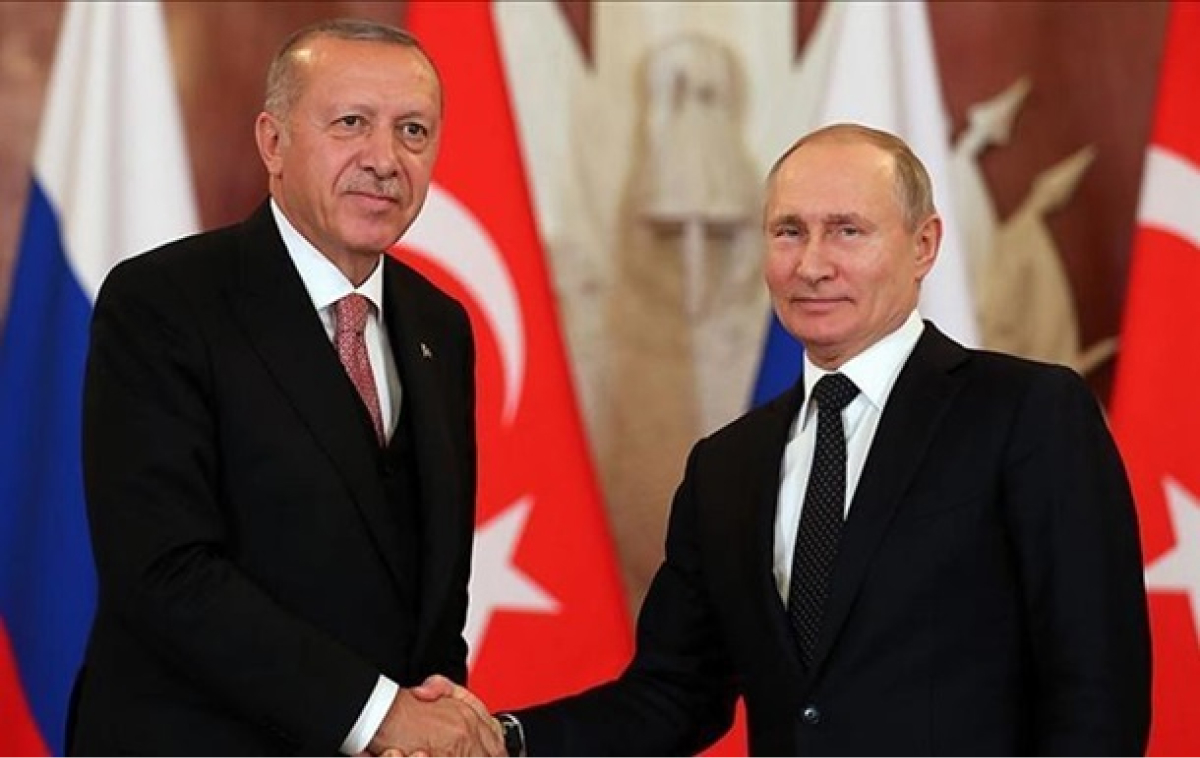
By the way, on September 4, 2023 the presidents of Türkiye and Russia met to once again discuss the situation with the grain corridor. Despite rumors of a cooling of their relationship, they appeared in public together and announced increased cooperation in the fields of trade and energy. Regarding the grain agreement, it was not possible to achieve clear changes.
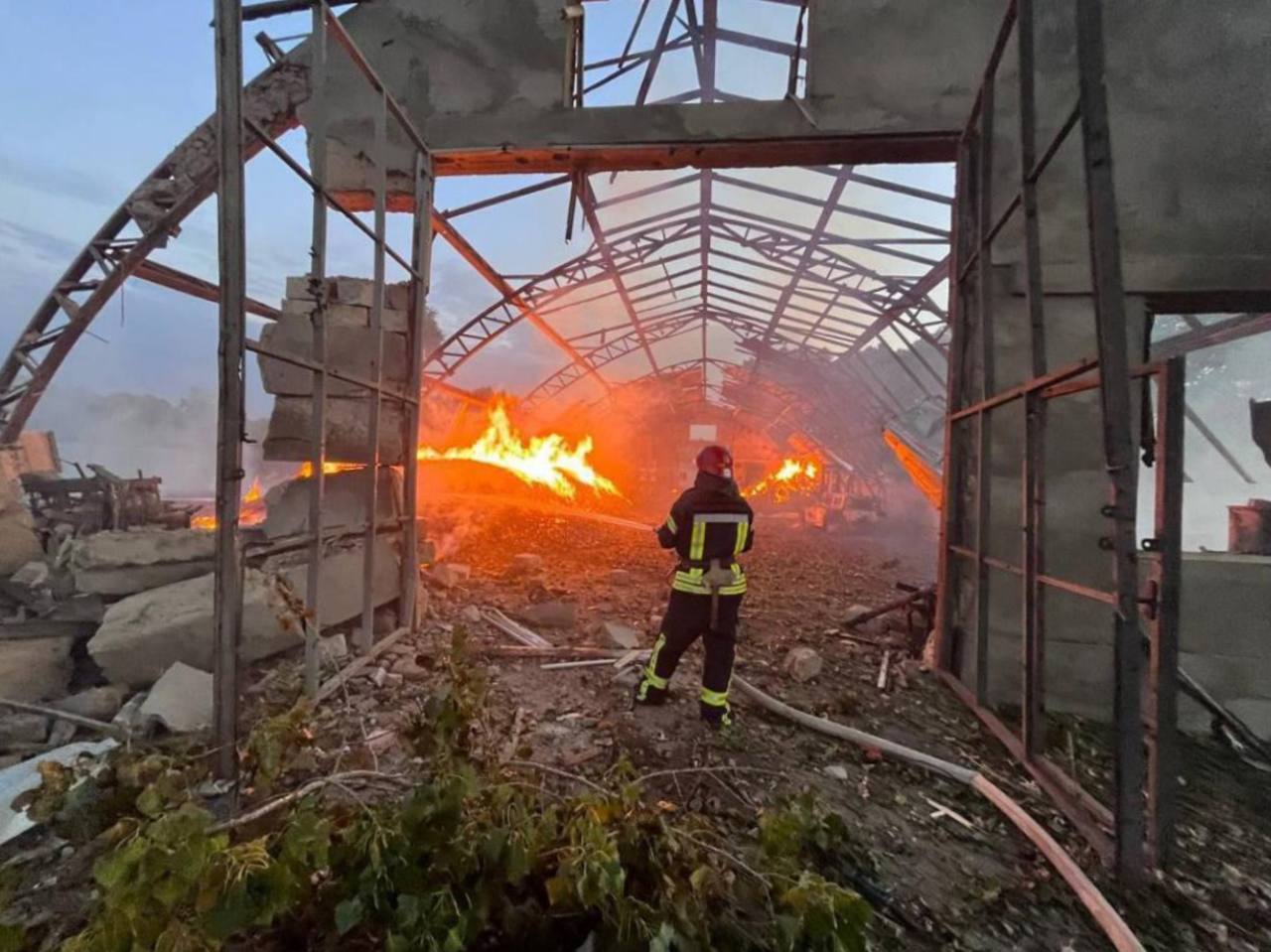
In early September 2023, Russian troops continued to carry out terrorist drone attacks on port and civilian infrastructure.
Tetiana Stelmakh