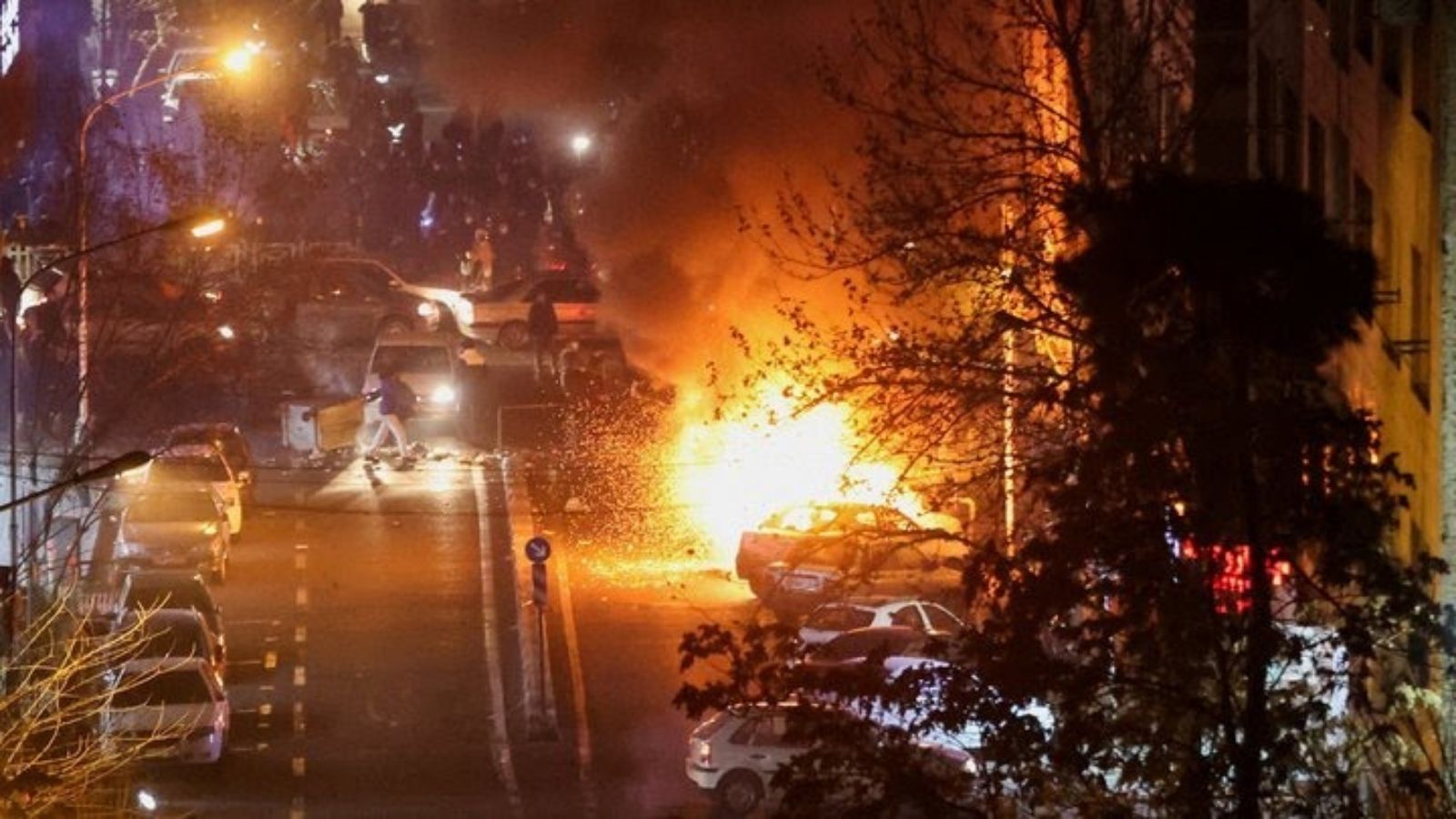


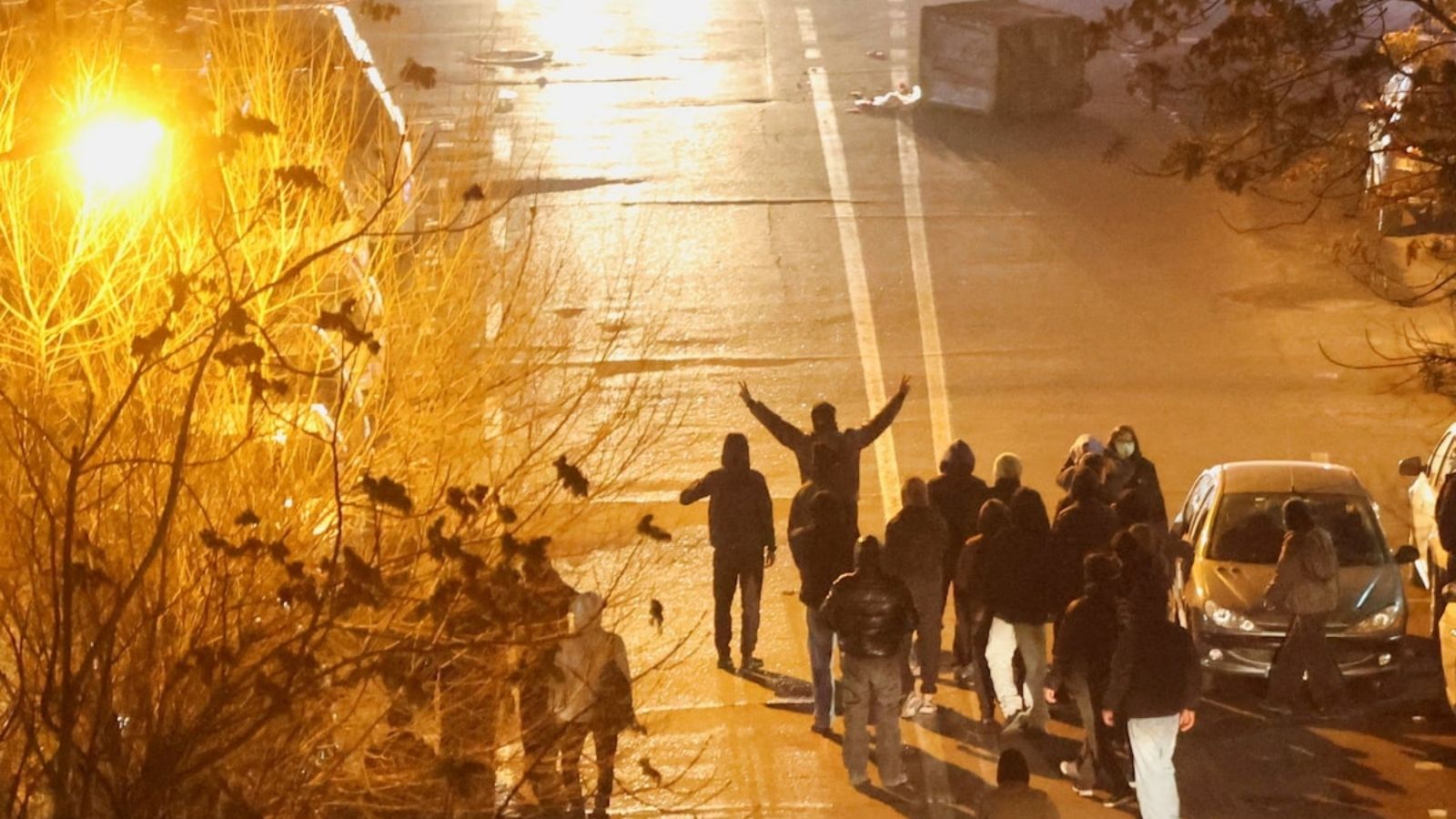
Iran is gripped by its largest uprising in decades, fueled by economic collapse and political injustice. Despite hundreds of deaths and immense external pressure, the clerical government maintains control through the cohesion of its security forces. Global leaders, including the President of Ukraine, are calling for decisive action against the dictatorship.
The Architecture of Survival and the Security Apparatus
According to Reuters, despite nationwide unrest, there are no signs of a fracture within Iran’s security elite. The regime’s survival rests on the Islamic Revolutionary Guard Corps (IRGC) and the Basij paramilitary forces. Together, these groups total nearly one million personnel.
The human rights group HRANA confirmed 573 deaths. This figure includes 503 protesters and 69 security members. Over 10,000 people have been arrested, though Tehran has not released official figures, and Reuters could not independently verify the data.
Iran’s Foreign Ministry declined to comment as 86-year-old Ayatollah Ali Khamenei faces the fifth major uprising since 2009. Experts Paul Salem and Alan Eyre suggest the regime remains resilient due to its powerful institutions and a loyal base of supporters. For a real shift to occur, protesters must gain enough momentum to overcome the demographic scale of a 90-million-strong nation and trigger actual defections within the state apparatus.
Ukraine Supports the Iranian Uprising
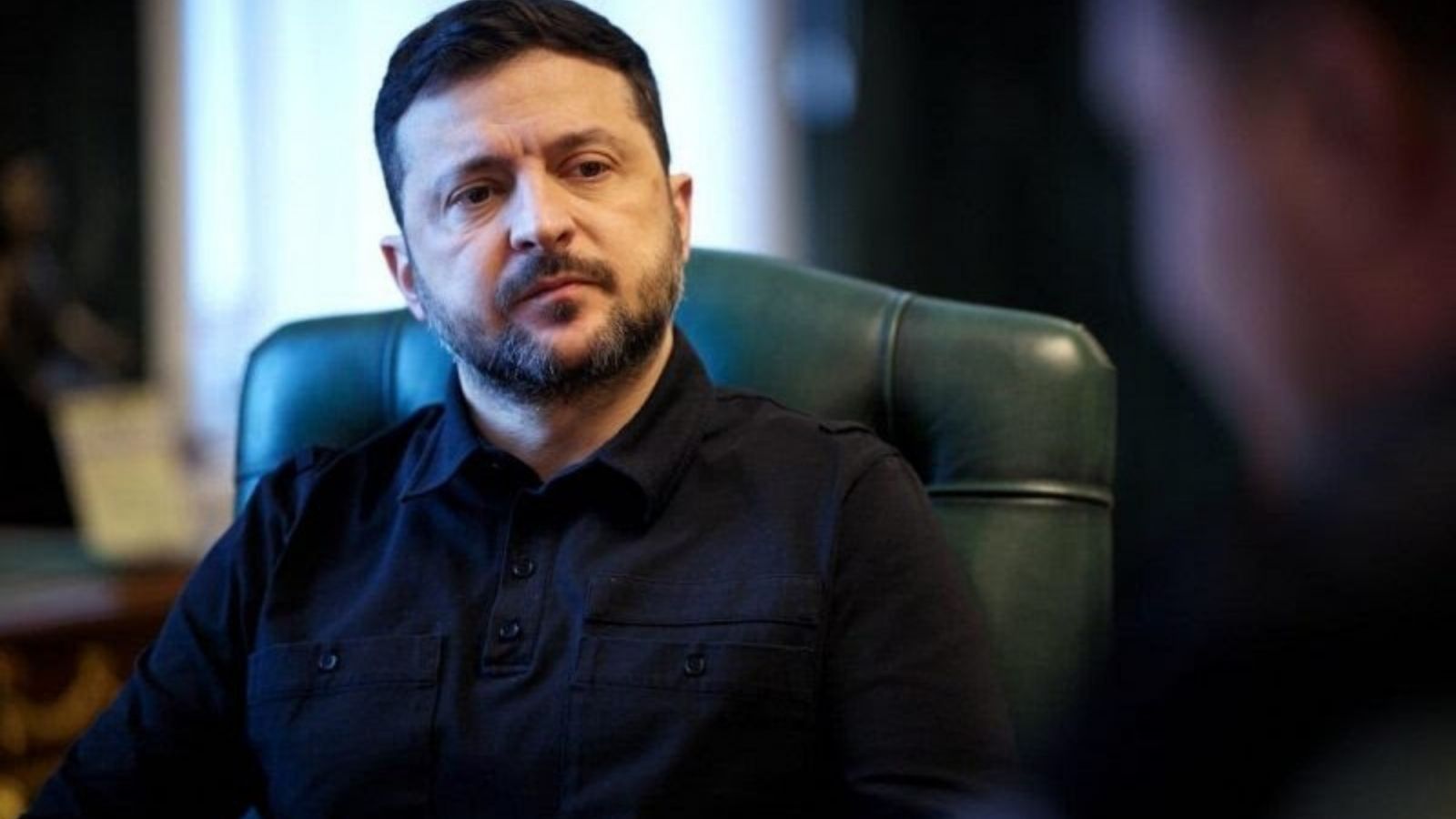
Ukrainian President Volodymyr Zelenskyy, in his nightly address on Tuesday, January 13, 2026, explicitly supported the anti-government protests in Iran. He emphasized that Kyiv aligns with the United States’ firm stance on Tehran, especially given Iran’s military support for the Russian invasion of Ukraine.
“A regime that has lasted so many years and killed so many people does not deserve to exist,” Zelenskyy stated.
The Ukrainian Ministry of Foreign Affairs also urged Iranian authorities to cease violence against protesters, noting that regimes ignoring their citizens’ suffering must inevitably face political and moral accountability.
Conclusion
The Iranian leadership faces its most significant legitimacy crisis since 1979, yet the security vertical remains intact. While the protests have severely weakened the establishment, a real transition of power would require sustained street momentum and an internal military split. The international community continues to ramp up pressure, viewing the regime as a persistent threat to global security.