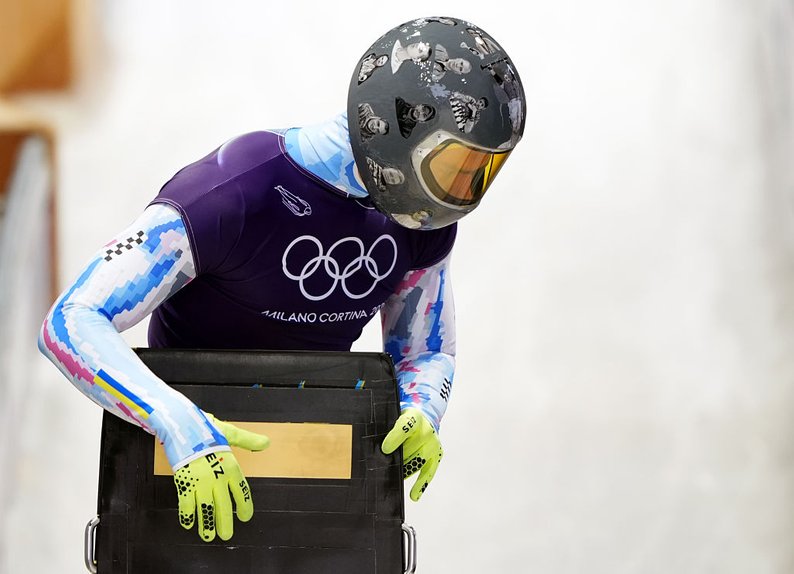


The International Olympic Committee has banned Ukrainian skeleton racer Vladyslav Heraskevych from competing at the Olympic Games in a helmet featuring portraits of Ukrainian athletes killed by Russia during the war. Despite warnings, Heraskevych continued training in the helmet.
Context
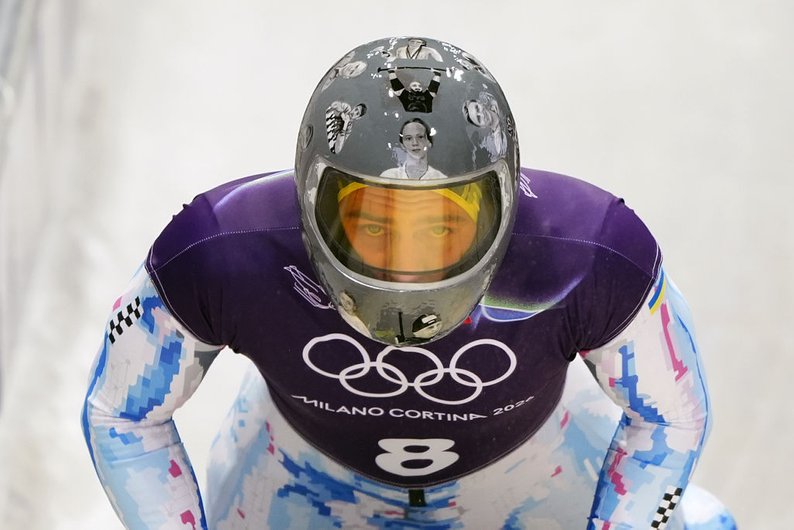
Vladyslav Heraskevych is a Ukrainian skeleton athlete who will compete at the 2026 Winter Olympics. This year, he prepared a special helmet for his performances. The helmet displays portraits of Ukrainian athletes that Russia has killed since February 24, 2022.
“It is unfair, and these people should not have left us at such a young age. With this I want to pay tribute to these individuals and to their families,” the athlete commented.
Ban on the Helmet
In a comment to Suspilne Sport, Heraskevych said he had already faced problems during training because of the helmet. Members of the International Olympic Committee approached him, saying they wanted to prevent potential protests during the Olympics in Milan. Later, Heraskevych reported that the IOC officially banned him from competing in the helmet at the Games. He said he would submit an official request to the committee and fight for the right to remind the world about Ukraine’s fallen athletes.
The skeleton racer noted that there had been precedents when the IOC allowed similar tributes, but this time special rules were introduced specifically for Ukraine. For example, the committee did not react when an Italian biathlete appeared with a Russian flag.
“A decision that simply breaks my heart. The feeling that the IOC is betraying those athletes who were part of the Olympic movement, not allowing them to be honored on the sports arena where these athletes will never be able to step again,” Heraskevych wrote on social media.
The National Olympic Committee of Ukraine has officially appealed to the IOC in an attempt to overturn the ban.
“The helmet was created to honor Ukrainian athletes who died defending Ukraine or became victims of Russia’s full-scale war against Ukraine,” the NOCU stated.
The committee added that the helmet fully meets safety requirements and IOC regulations, contains no advertising, political slogans, or discriminatory elements.
Reactions
IOC press attaché Mark Adams commented on the ban. According to him, the helmet allegedly violates the rules of the 2026 Olympics, but the committee is willing to compromise by allowing Heraskevych to wear a black armband in remembrance of the fallen. He stressed that the field of competition must remain as neutral as possible.
“There are rules that are clear to all national Olympic committees. People can request an exception, but there must be a compelling reason for that. If the reason is compelling, it will be considered,” Adams said.
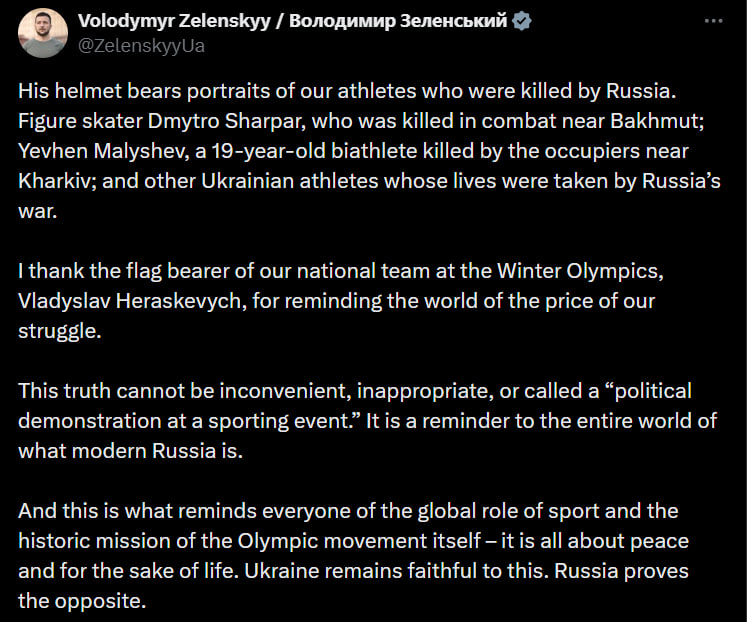
Ukrainian President Volodymyr Zelenskyy thanked Heraskevych for reminding the world of the cost of Ukraine’s struggle.
Heraskevych Ignores the Ban
On the second day of training, Heraskevych arrived wearing the helmet despite the ban. He remains in contact with the National Olympic Committee of Ukraine regarding further steps. The athlete does not rule out that continued defiance could lead to disqualification by the IOC. Heraskevych’s Olympic start will be on Thursday, February 12, at 10:30.
Previously, The Ukrainian Review reported on the state of sport in Ukraine during Russia’s war. Since the start of the full-scale invasion, more than 760 sports facilities used for training and competitions have been destroyed or damaged.