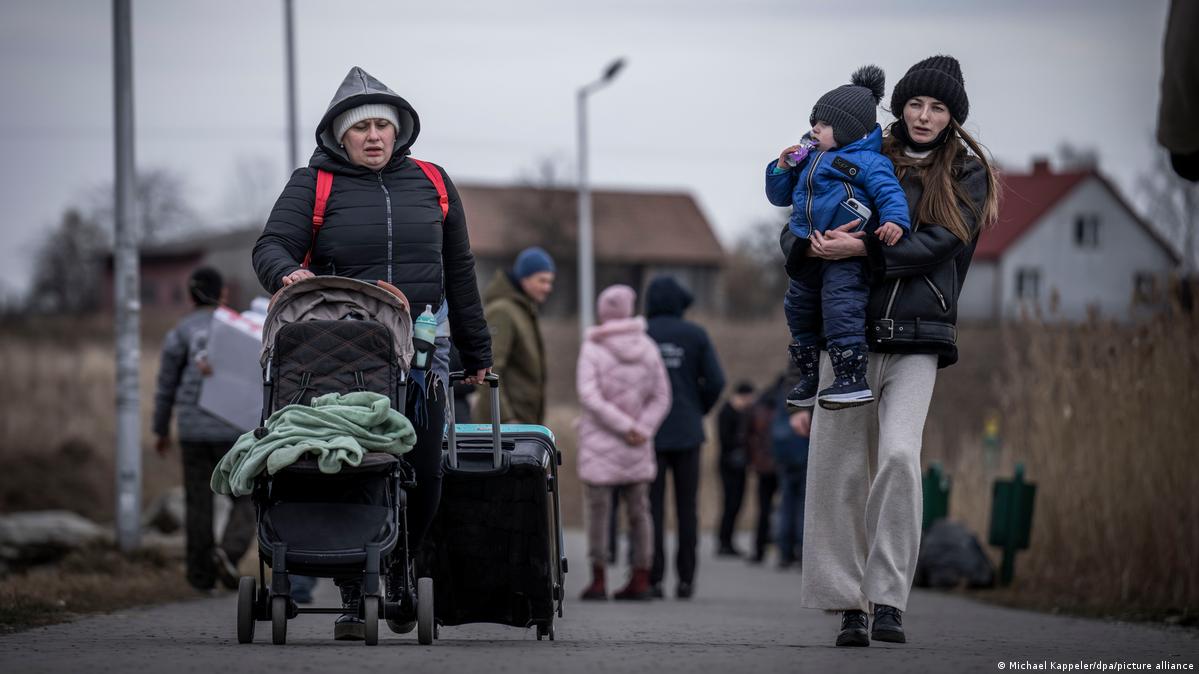


Over four years of Russia’s full-scale war, Ukrainian refugees contributed 328.6 billion zlotys to Poland’s GDP. This amount is eight times higher than the state assistance Poland provided to Ukrainians, which totaled 40.3 billion zlotys.
RBC-Ukraine reports it.
Where and How Europe Hosts Ukrainians
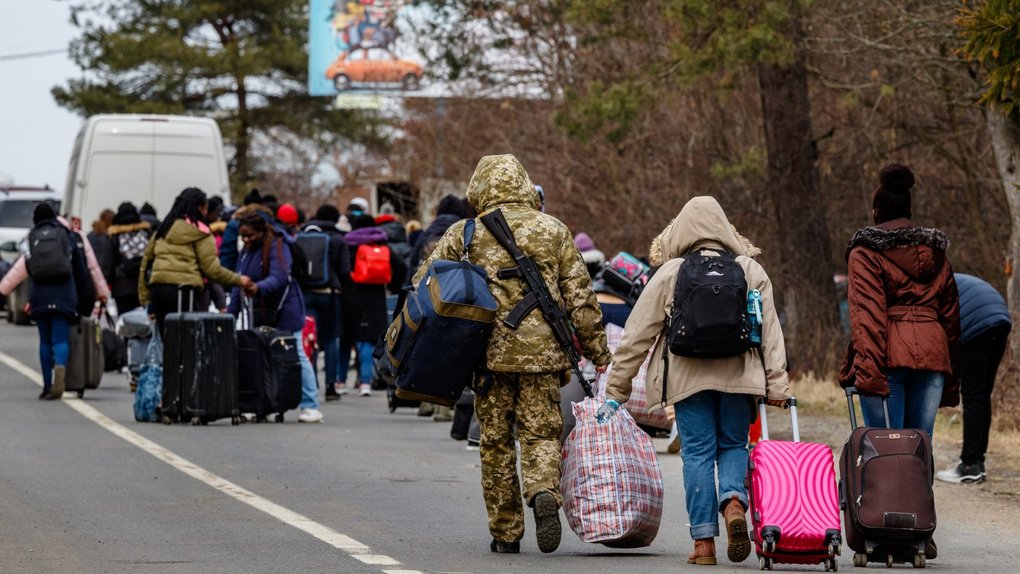
Since the beginning of Russia’s full-scale invasion, more than 7 million Ukrainians have fled abroad. Germany hosts the largest number of Ukrainian refugees today (1.25 million), followed by Poland (969,000) and the Czech Republic (393,000). Most refugees are women with children and middle-aged individuals—nearly half are minors, and men make up only a quarter.
After the first days of the war, the EU activated the Temporary Protection Directive, allowing Ukrainians to live legally, work, access healthcare, and enroll children in local schools. Non-EU countries, including Switzerland, Norway, and Liechtenstein, also created their own reception programs.
However, four years of war have changed how countries provide social support. Germany reduced payments for newcomers and suspended family reunification rights. Poland links child benefits to official employment. Norway limits aid to state dormitories, while Ireland cut weekly payments from €220 to €38.8.
Context and Future Scenarios
In September 2025, the EU Council adopted a recommendation on “transition from temporary protection,” outlining two scenarios: national residence permits or voluntary return with reintegration support (housing, work, healthcare). Each country sets its own rules, and Ukrainian status in the EU will remain temporary until 2027.
Ukrainian refugees continue to represent an important economic and demographic resource for Europe, even as social support decreases and legal uncertainty persists in some countries, including the United States and the United Kingdom.
Earlier, The Ukrainian Review reported that Ukraine faces a significant demographic crisis. Nearly four years of full-scale Russian war, frontline losses, emigration, and occupation have reduced birth rates.