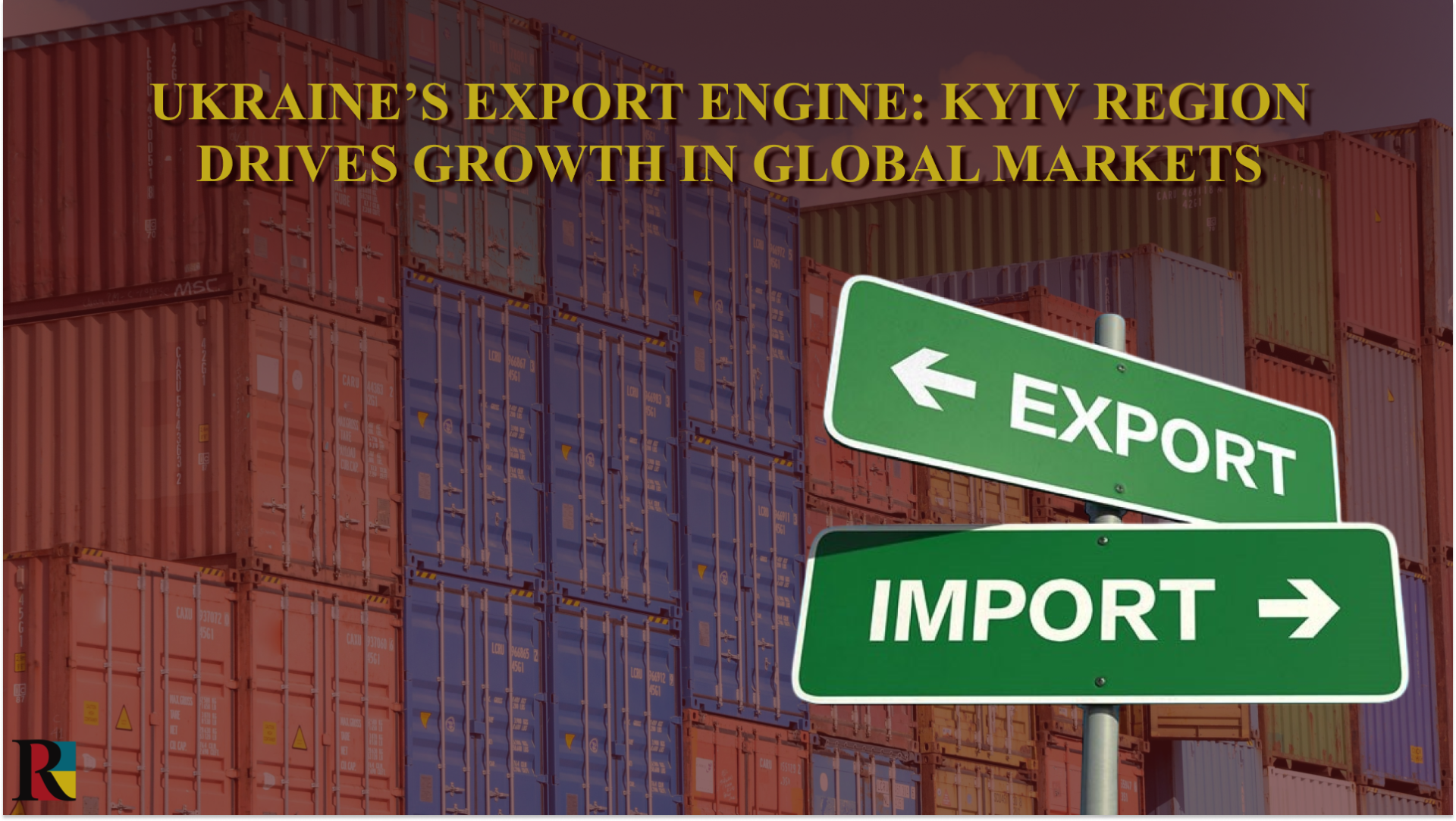


Ukraine’s Export Potential in a Global Context
Ukraine has long been known as a major goods-producing nation, from its vast agricultural outputs to industrial products. Despite the challenges of recent years, Ukrainian exports are rebounding and diversifying. In 2024, the value of Ukraine’s goods exports jumped by 15% (to $41.7 billion) compared to the war-depressed 2023 level. This marks a significant recovery – though still shy of the record $68 billion exported pre-war in 2021 . Agricultural products remain the leading export category, earning around $22 billion in 2023 and underscoring Ukraine’s role as a global breadbasket.
The reopening of Black Sea shipping corridors has boosted shipments of grain and metals, while producers have re-routed trade to European and other markets. Such resilience highlights Ukraine’s enduring export potential as both a food supplier and an emerging manufacturer for international markets. International partners have taken notice: by early 2024, Europe was buying nearly 60% of Ukraine’s exports, with countries like Poland, Germany, Italy, and the Netherlands increasing imports of Ukrainian wheat, corn, and other goods. This export momentum sets the stage for regions like Kyiv to step up as hubs of production and trade.
Kyiv Region: An Investment Magnet and Export-Oriented Hub
Kyiv region – the province surrounding the nation’s capital – has emerged as one of Ukraine’s most export-oriented and investment-attractive areas. It consistently ranks among the top three regions for foreign direct investment (FDI) inflows, with over $2.5 billion in foreign investment (3rd highest in Ukraine).
Local officials note that this capital is flowing into a wide range of sectors.
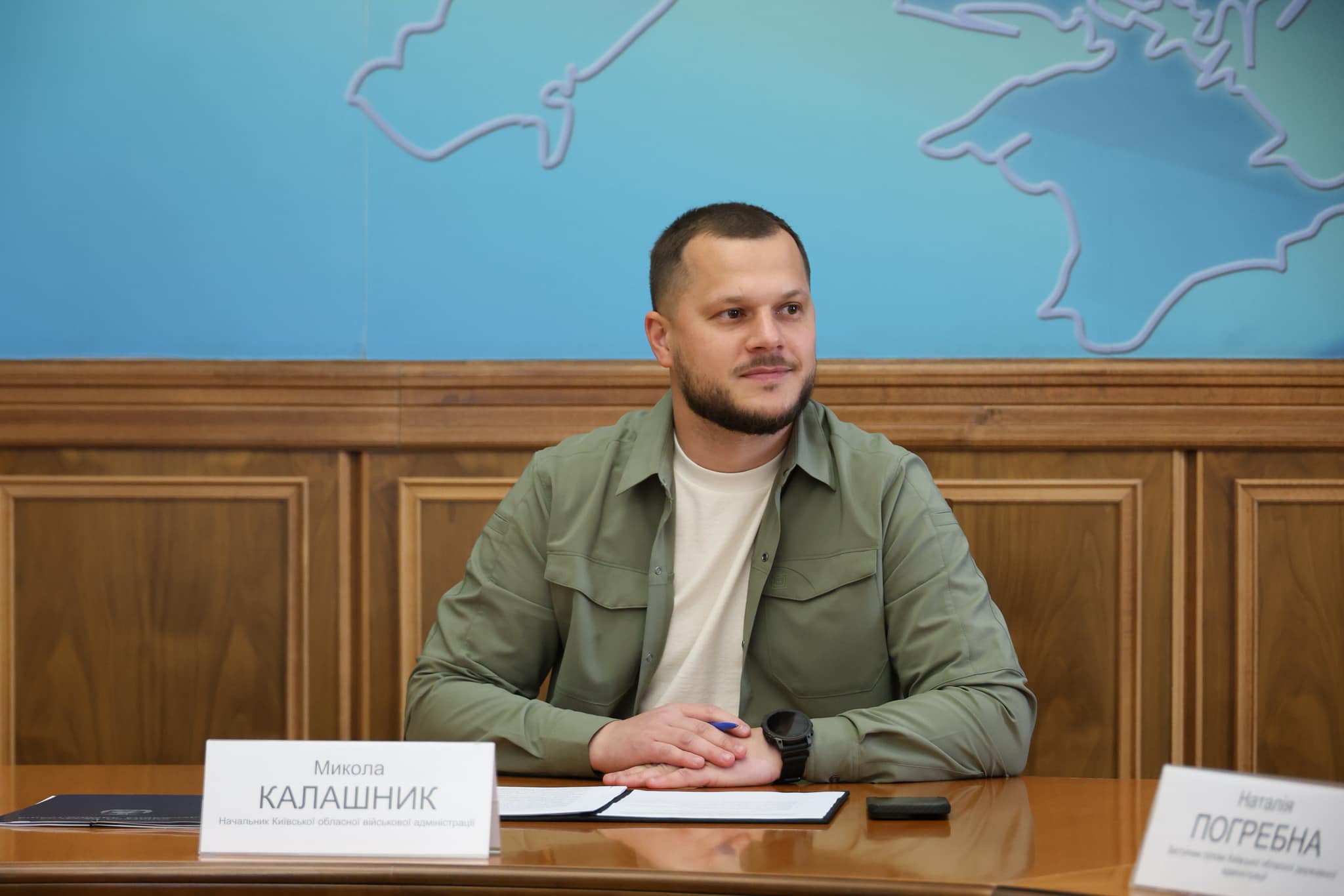
“Kyiv Region remains one of the most investment-attractive regions. This is evidenced by its third place in terms of foreign investment volume in Ukraine ($2.5 billion). The region offers many promising sectors for investors — machinery, food processing, energy, agriculture, construction, transport, and logistics. Several foreign investors continue to launch projects in the region”, – said Mykola Kalashnyk, Governor of Kyiv Region.
Recent developments bear out his optimism. In 2025, multiple new projects are coming online, bolstering the region’s export capacity and industrial base:
- A major logistics hub is planned in Bucha, where the Bucha Techno Garden industrial park will host a new central distribution center. “We plan to place a central logistics hub based on the Bucha Techno Garden industrial park,” Bucha’s mayor Anatoliy Fedoruk announced, highlighting an agreement with South Korean investors. This hub is poised to streamline the flow of goods from Kyiv region to global markets.

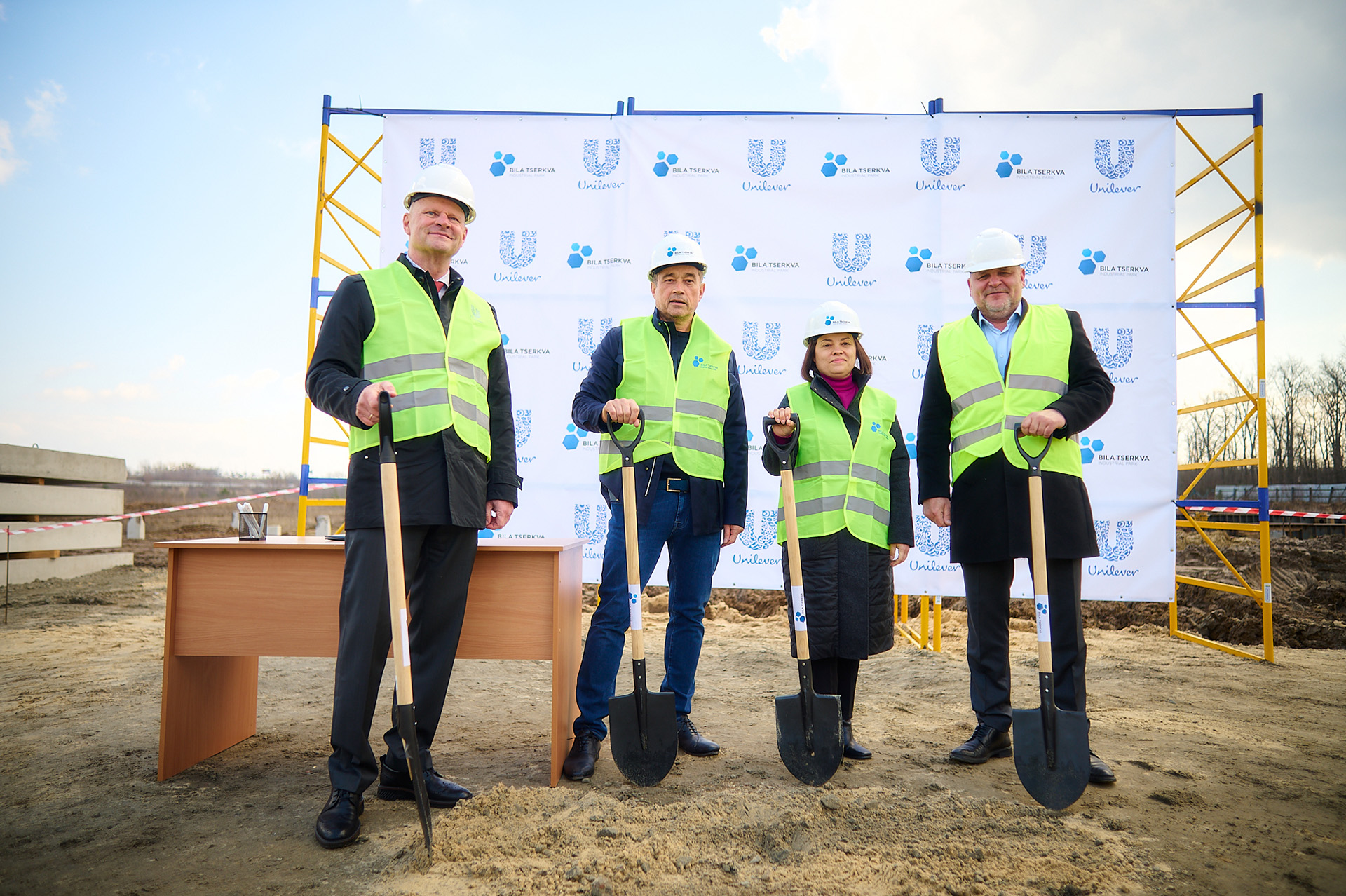
- Global manufacturers are investing in local production. For example, Unilever has begun constructing a new €20 million factory in Bila Tserkva to produce personal care goods like shampoos and shower gels for brands such as Dove and Axe. The plant, built to high sustainability standards, will create about 100 jobs and supply both the domestic market and EU neighbors. Its opening in 2024 will mark one of the first major multinational production facilities launched in Ukraine since the war – a strong vote of confidence in the region’s attractiveness.
- Foreign investment is also boosting food processing. In March 2025, Finland’s largest fast-food chain Hesburger opened a €7.3 million burger patty production plant and distribution center in Boryspil, Kyiv region. This facility – the first Finnish industrial investment in Ukraine since the full-scale invasion – will supply Hesburger’s restaurants and potentially other markets.
“The opening of this new facility…provides us the opportunity to produce our products using high-quality, locally sourced ingredients, bringing the Hesburger flavor to our customers”, – said Kari Salmela, CEO of Hesburger, noting it strengthens the company’s competitive position in Ukraine. The project not only created new jobs but also symbolizes how Kyiv region’s stability and skilled workforce continue to attract foreign businesses.
These examples illustrate how Kyiv region is leveraging investment to expand its export-oriented infrastructure. Even amid wartime conditions, Governor Kalashnyk stresses that the regional administration “is actively creating all the opportunities to attract investment, which stimulates new jobs and economic development”. By courting diverse investors – in logistics, FMCG manufacturing, food processing, and more – Kyiv region is cementing its status as a key driver of Ukraine’s export resurgence.
Industrial Parks Fueling Regional Growth
Industrial infrastructure. Kyiv region has developed the largest network of industrial parks in Ukraine, with 13 sites officially registered as of late 2024 (and new ones on the way). These industrial parks – both government-registered and emerging private initiatives – provide investors with ready land, utilities, and tax incentives to swiftly set up production for domestic and export markets. Officials call them “real drivers of economic development” for the region. Notable examples include the Bila Tserkva Industrial Park, one of the first in the region, launched in 2018. Its success led to a second phase, Bila Tserkva 2, expanding space for new manufacturers. In the Fastiv district, the FastIndustri park has attracted companies in light industry and circular economy initiatives. Another new site, L-Town Park in Vasylkiv/Putrivka, was registered in 2022 to host logistics and production on a 30-hectare area.

Kyiv region is also fostering unofficial and upcoming industrial clusters. The ambitious Bucha Techno Garden project, spanning over 3,400 hectares, is planned as a high-tech industrial zone in Bucha with support from international partners. Likewise, the recently approved KIT Park in Bucha (short for Kyiv Innovative Technopark) will focus on manufacturing building materials like plastic and metal products, backed by UAH 1.75 billion in private and credit funding. Other initiatives such as “Patchwork” in Bila Tserkva aim to cluster smaller creative manufacturers.
This ecosystem of industrial parks ensures that investors – whether a small local startup or a global corporation – can hit the ground running. Modern warehouses, reliable power supply, roads and rail links (the region sits at a central logistics crossroads of Ukraine) give producers in Kyiv region a competitive edge in serving both Ukrainian and export customers. As a result, many exporters choose to base operations here. The presence of over a dozen industrial parks (and counting) is both a cause and effect of the region’s export boom: they attract investment which boosts exports, and strong exports in turn drive demand for more industrial capacity. It’s a virtuous cycle that Kyiv region authorities are keen to continue, with new parks like Myronivka (the 100th industrial park in Ukraine, registered in early 2025 in southern Kyiv region) focusing on sectors from metal-products to food processing. By combining favorable policies and infrastructure, Kyiv region is positioning itself as Ukraine’s industrial heartland supplying international markets.
Empowering Youth-Led Export Businesses
Global craft commerce. Young Ukrainian entrepreneurs are turning creativity into exports – for example, handmade crochet toys like these have found buyers worldwide through online marketplaces.
According to Oleksandr Yavtushenko, Deputy Head of the Youth Council at the Ministry of Economy and Advisor to the Governor of Kyiv Region, the export potential of youth-led businesses is immense.
“Our young entrepreneurs are an engine of innovative export growth – they just need the right support to scale up”, – Yavtushenko says.
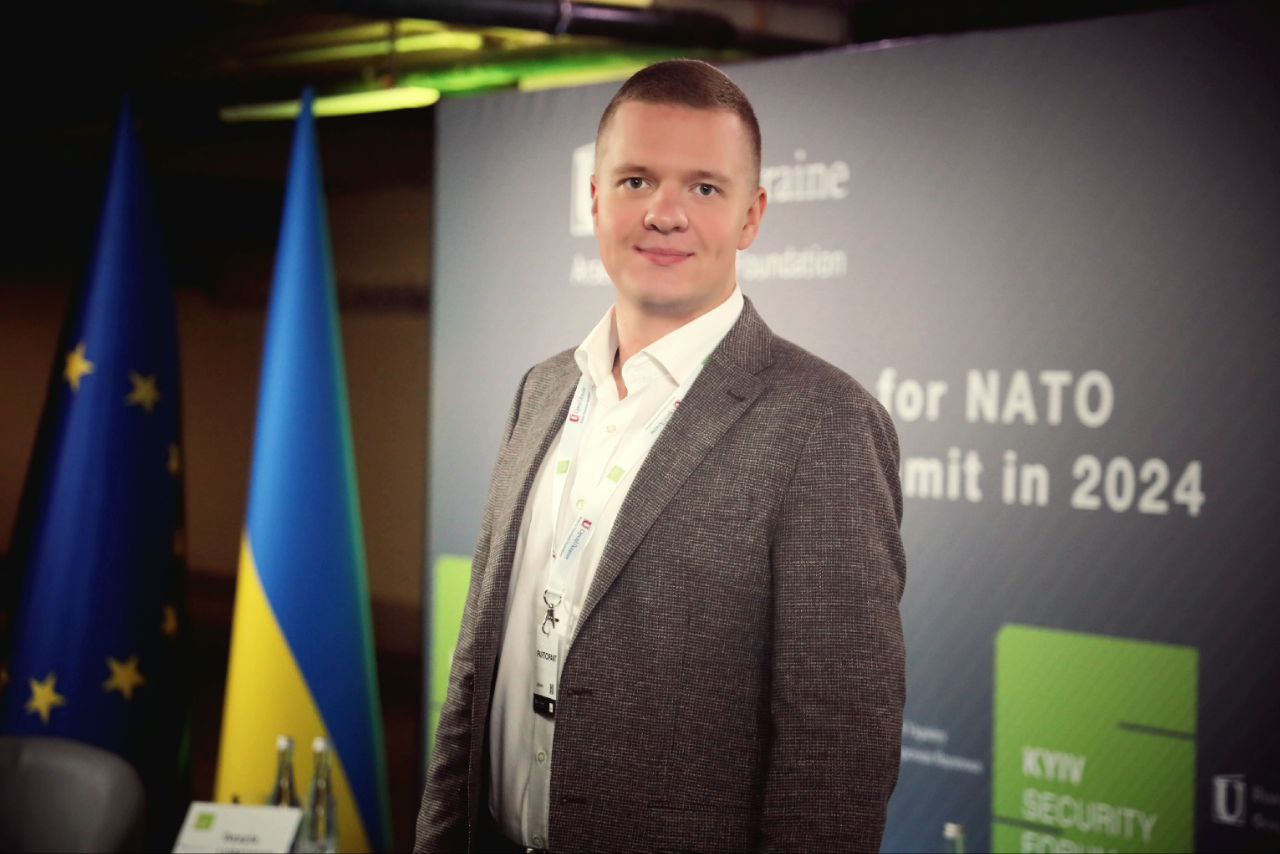
He notes that many Ukrainian youth-run startups are digital natives who skillfully leverage e-commerce and social media to reach customers abroad. “
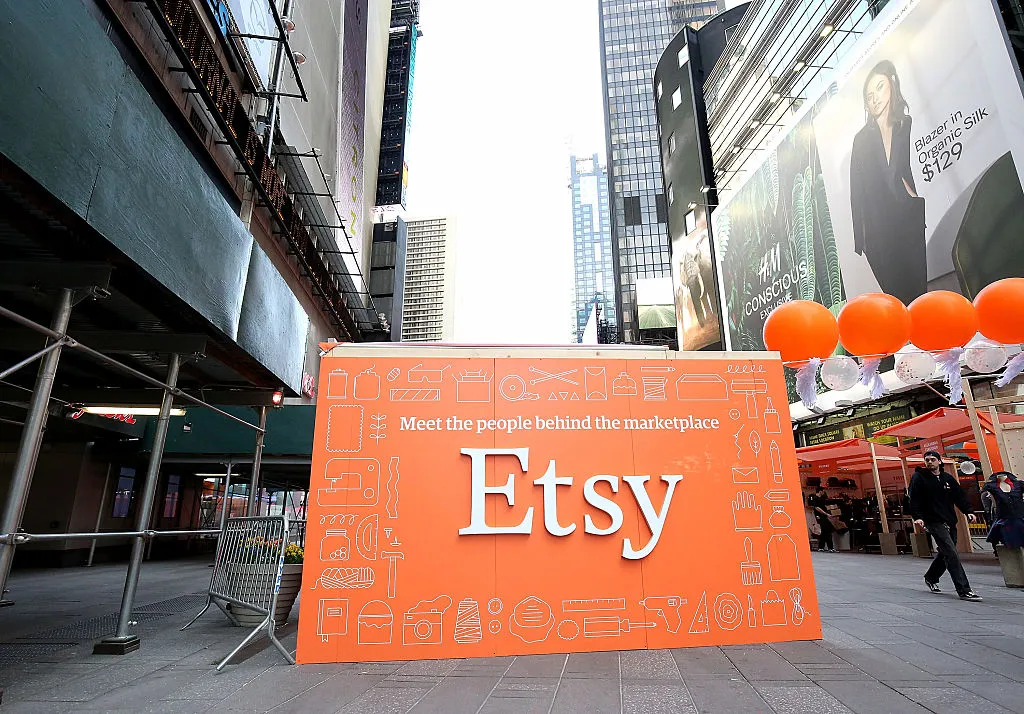
“Platforms like Etsy are game-changers for creative businesses – they let a 20-year-old craftsperson in Kyiv sell to a customer in California or Sydney overnight. Suddenly, a hobby can become a global micro-brand”, – he explains.
Recent initiatives reflect this emphasis on empowering young exporters. In October 2023, Etsy (the global marketplace for handmade and vintage goods) launched its integrated payment system in Ukraine, finally allowing Ukrainians to officially open Etsy shops with full seller support and direct payouts. This was a milestone that the Ministry of Digital Transformation and partners like Ukrposhta had pushed for, knowing how popular Etsy already was among Ukrainian artisans. In fact, Ukraine-based Etsy shops had some of the highest sales growth rates in the world even before this integration, and the war only heightened the importance of online sales for local makers. Now, with 90+ million buyers on Etsy accessible and buyer protection in place, young creators have a safer, easier path to global customers.
Yavtushenko highlights that the government and donors are actively supporting youth and small businesses in e-commerce.
“We’re ensuring more opportunities for Ukrainians to join international e-commerce ecosystems,” – he says.
For example, a new program called “UA Global: Etsy Start” will train 500 Ukrainian entrepreneurs in setting up and scaling their Etsy stores. Participants will get mentorship, grants and even shipping credits to kick-start their global sales. The broader goal, Yavtushenko notes, aligns with Ukraine’s SME Development Strategy: to grow the number of exporters to over 35,000 and raise annual export volumes to €60 billion by 2027. “
Youth-led businesses are crucial to reaching that goal”, – he adds. – “They bring fresh ideas in fashion, design, tech, you name it – and these ideas can compete globally. Our job is to equip them with the know-how and platforms to succeed.”
The importance of youth entrepreneurs is also economic:
“SMEs account for 80% of jobs in Ukraine and two-thirds of value added. Every Etsy shop or startup that finds an overseas market contributes to foreign exchange and job creation at home. From freelance game developers exporting IT services to a village cooperative selling herbal teas via Facebook, young Ukrainians are finding creative ways to earn globally. With continued support – be it micro-grants, training in export regulations, or simpler customs procedures – Ukraine could witness a new generation of exporters rising from dorm-rooms and co-working hubs”.
Yavtushenko emphasizes that this grassroots export growth will complement big industries: “Today’s student startup could be tomorrow’s international brand. We want to make sure the next Etsy success story or tech unicorn comes from Ukraine’s talented youth.”
Small Businesses, Big Success: Case Studies of Global Reach
Ukraine’s push to integrate into world markets isn’t only driven by multinationals – it’s equally a story of small and medium-sized enterprises (SMEs) finding niches abroad. Many of these businesses are led by young innovators or family entrepreneurs who leveraged quality, innovation, and smart branding to win customers overseas. Here are a few standout export success stories that illustrate how Ukrainian SMEs are making their mark internationally:
- snEco (Prime Snack) – What started as a Kyiv-area startup in 2020, offering healthy dried cheese snacks, has transformed into a globally recognized brand. Facing the challenge of how to preserve fresh cheese without refrigeration, the founders of snEco developed an innovative dried cheese ball snack that retains nutrition and taste. This ingenuity paid off when snEco began showcasing at international food exhibitions. At Germany’s Anuga 2023 fair, the team’s eco-friendly snacks attracted Western European distributors. They then wowed judges at the SIAL 2024 exhibition in Paris – snEco became the first Ukrainian brand ever to win the SIAL Innovation Award for excellence in food innovation.
“This is proof that Ukrainian brands can stand shoulder-to-shoulder with global players”, – said co-founder Vadym Gryshyn upon receiving the award.
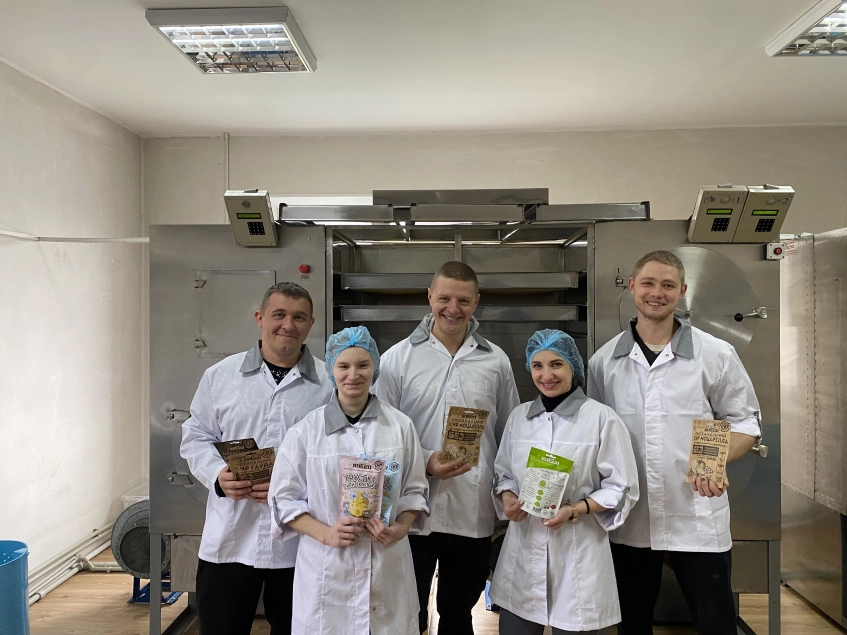
The exposure immediately translated into export deals: snEco signed distribution contracts in Germany, France, and Sweden, prompting a 50% increase in production in 2023. The company also took advantage of Ukraine’s Mentorship Support Program for exporters, getting expert guidance on certifications, pricing, and market strategy. Armed with a step-by-step export plan, snEco is now scaling up to enter Poland, the USA and more, aiming to become an international leader in healthy snacks. This journey – from a kitchen experiment to winning global awards – shows how innovation and proactive marketing can propel a Ukrainian SME onto the world stage.
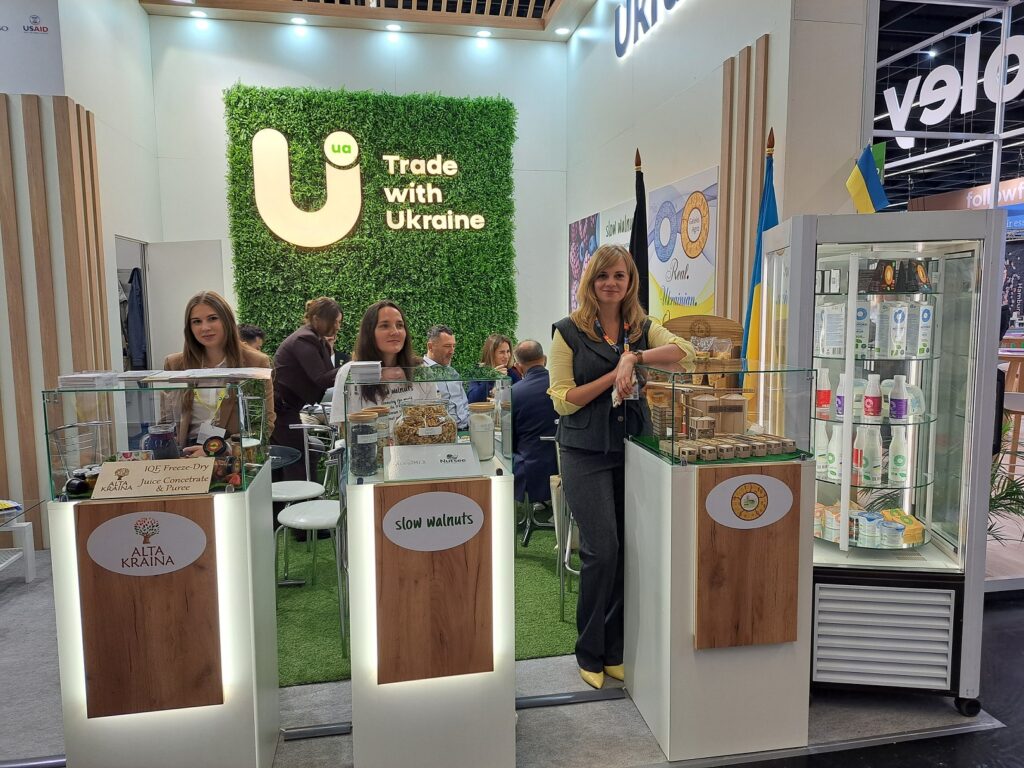
- Slow Walnuts (Nutsee LLC) – Hailing from the agricultural heartland but based in Kyiv region, Slow Walnuts is an organic walnut and seed producer that has turned Ukraine’s walnut tradition into a premium export business. The company, which had 15+ years of experience in bulk nut exports, launched the “Slow Walnuts” brand to target health-conscious consumers abroad. Their selling point: Ukraine’s naturally grown walnuts, rich in fatty acids, produced without pesticides or excessive irrigation – a stark contrast to industrial orchards elsewhere. Slow Walnuts invested in organic certification and branding, and then went international. Trade fairs have been key to their strategy. At ANUGA 2023 in Cologne – one of the world’s largest food exhibitions – Slow Walnuts showcased its products in the organic pavilion. The result was over €525,000 in new export contracts signed on the spot. Buyers from Germany, France, Italy, Austria, Croatia and more queued up for Ukrainian organic walnuts, an item in short supply globally.
“ANUGA 2023 proved incredibly productive – we developed so many new contacts we couldn’t even meet them all”, – said export manager Oleg Moroz, noting that interest was especially high after Slow Walnuts got a feature in the expo’s special organic showcase area.
Beyond trade shows, the firm participated in an “Export to Sweden” coaching program, through which they attended Stockholm’s Food & Wine festival and met Scandinavian retail buyers. That led to Slow Walnuts becoming an accredited supplier to one of Sweden’s largest grocery chains and preparing its first orders for the Nordic market. This case demonstrates how a small agricultural SME can move up the value chain – from commodity exporter to branded food producer – by tapping into the global demand for organic, sustainable products.
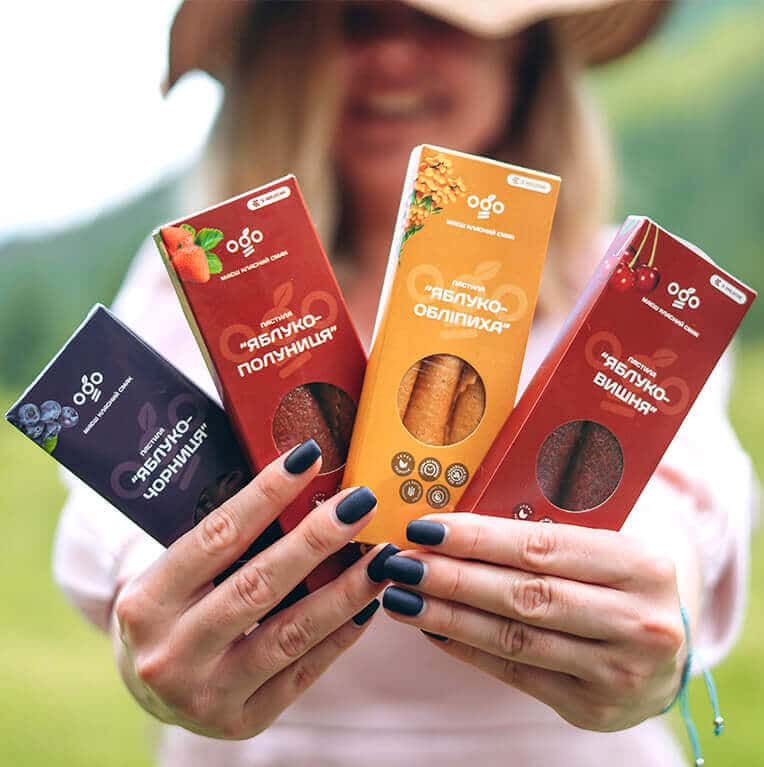
- OGO Food – A young healthy snacks company that exemplifies the new wave of Ukrainian food innovators. Founded about five years ago by a team in their twenties, OGO Food set out to create gluten-free, sugar-free snacks for the wellness market. Starting from a small kitchen operation, they perfected recipes for nutrient-rich snack bars and crisps using local ingredients. To scale up, OGO Food engaged with business incubators and the Diia.Business entrepreneurship support platform. Through that, they received mentorship on export marketing and participated in international exhibitions, which opened doors abroad. Today, OGO Food is shipping its snacks to several European countries and the Middle East, proving that Ukraine’s food sector isn’t just about bulk grains – it can also deliver value-added, on-trend consumer goods. Research, mentorship and trade shows were “what helped OGO Food” go global, the founders say, reflecting a formula available to any ambitious startup.
- Doberman Group (Mavsi) – An example from Kyiv region itself, Doberman Group shows how a small manufacturing business can achieve international expansion with the right strategy. This family-run company produces pet food and pet care products under the “Mavsi” brand. Initially a local startup, Doberman Group realized that to grow, they needed to enter foreign markets – but they lacked export know-how. In 2022, they turned to the state’s Entrepreneurship and Export Promotion Office (EEPO) for help. Under a mentorship program, experts worked with Doberman’s team to analyze target markets and develop an export plan. “
The desire to enter new markets was key for our business, but at first we didn’t know how to do it”, – the founders recall, noting that the mentorship provided crucial insights into differences in consumer behavior and regulations abroad.
Doberman Group even commissioned individual market research studies on the pet food sector in Romania, the Netherlands, and Norway. Armed with this data, they adapted their product packaging, quality certifications, and pricing to fit European norms. The payoff: within a year, Doberman Group successfully launched sales in Romania, securing its first export deal in the EU. Careful planning and step-by-step execution allowed the company to scale sustainably. They are now expanding to other EU countries, confident that Ukrainian pet products can compete on quality. The Doberman Group story underlines the importance of planning and education for SME exports – a good product alone isn’t enough; knowing how and where to sell it is just as critical.
- MOVA Beer – Craft beer might not be the first thing that comes to mind for Ukrainian exports, but this Dnipro-based craft brewery is proving that Ukrainian brewers can delight taste buds abroad. MOVA Beer was founded by three friends with a passion for craft brewing and a dream “to show the world a new side of Ukrainian beer”. With support from the EEPO and the Diia.Business center, MOVA set its sights on Europe. Early on, they achieved modest distribution in Poland, Norway, Denmark, and the Netherlands, making inroads in those markets.
“That experience was ad-hoc; now our goal is to move to continuous export”, – says Nataliya Maslyuk, MOVA’s head of export development.

To that end, MOVA participated in an Individual Market Research program (similar to Doberman Group’s approach) to gather detailed intelligence on consumer preferences in each target country. They learned, for instance, how to position their Ukrainian craft story in the competitive European beer scene. The brewery also attended international beer festivals and won awards that raised its profile. As a result, MOVA’s revenue nearly doubled in a year, and it ramped up exports – including securing tap placements in craft beer bars across Northern Europe. The company’s rapid rise even caught the attention of Forbes, which featured MOVA as a rising star that “increased revenue nearly two-fold and entered the markets of Norway and Denmark within a year”. MOVA Beer’s journey underscores how youth-driven brands can use innovation, branding, and savvy promotion to break into global niches (in this case, the booming craft beverages segment).
These cases – snEco, Slow Walnuts, OGO Food, Doberman Group, MOVA Beer, and many others – demonstrate a few common themes. Innovation and product quality are fundamental, giving these companies a unique selling proposition abroad. Participation in international trade shows and competitions has been a powerful catalyst, as it puts Ukrainian SMEs in front of buyers and media, often leading directly to contracts (as seen with Slow Walnuts’ €525k ANUGA deals or snEco’s distributor signings after SIAL). Additionally, strategic use of government and donor support programs – from export counseling and grants to organized national pavilions at expos – has helped overcome the knowledge and network gaps that small businesses face in exporting. Crucially, these success stories are replicable: Ukraine now has structures (like the Export Promotion Office, Diia.Business centers, and sectoral programs) to support thousands of similar companies.
Turning Potential into Prosperity
As Ukraine integrates more deeply into global markets, the country’s export potential is being realized not only by its traditional industries but also by its regions, its youth, and its small businesses. The Kyiv region, in particular, stands out – with its influx of investment, growing industrial capacity, and tech-savvy entrepreneurial talent, it is poised to remain a top export engine for Ukraine. The region combines the advantages of an educated workforce, improving infrastructure, and proactive governance, making it a natural choice for both foreign investors and local startups aiming for the world stage. Ukraine’s role as a major goods producer for international markets is thus evolving: from supplying raw commodities to exporting branded foods, crafted goods, and innovative products born in Ukrainian workshops and labs. There are still challenges ahead – from rebuilding war-damaged logistics to meeting stringent EU standards – but the trajectory is clearly upward. Every new logistics hub in Bucha or food plant in Bila Tserkva, every young entrepreneur opening an Etsy shop, and every SME signing a foreign contract adds a building block to Ukraine’s export-led future. For an international business audience, the message is clear. Ukraine is open for business, and its export offerings are diverse and dynamic. Whether it’s grain or craft beer, industrial equipment or IT services, Ukraine – and notably regions like Kyiv – can deliver to global markets. As Governor Kalashnyk affirmed, the region is working “for the benefit of the region, the state, and the building of a stronger Ukraine”. The strong export performance and success stories coming out of Kyiv region are evidence of that mission in action. In the coming years, supported by investment and the energy of its young entrepreneurs, Ukraine’s exports are set not just to recover, but to soar to new heights – powered in no small part by the innovative spirit and resilience of Kyiv region.
Oleksandr Yavtushenko