
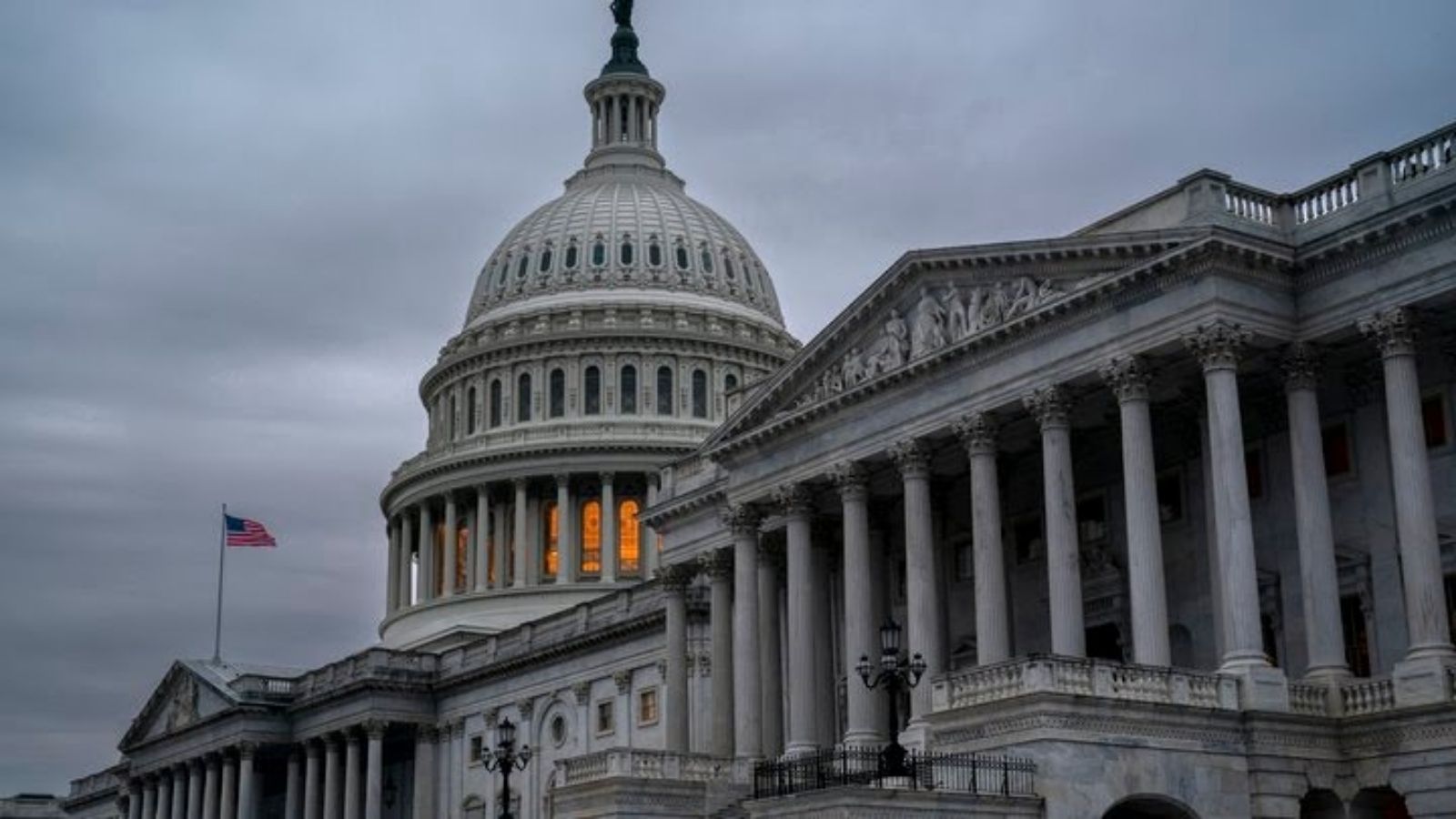


U.S. lawmakers officially introduced a bipartisan bill to prohibit the federal government from financing military operations against NATO member states. This legislative move creates a legal barrier to prevent the administration from making unilateral decisions against American allies. The initiative directly responds to President Trump’s provocative rhetoric regarding the strategic importance of Greenland.
Legislative Barrier Against Military Action
A bipartisan group of 23 members of the House of Representatives recently registered the “No Funds for NATO Invasion Act.” Congressman Don Bacon, a Republican from Nebraska, made the text of the bill public. He developed the document alongside prominent Democrats, including Bill Keating, Steny Hoyer, and Brendan Boyle. This broad political coalition aims to send a clear signal that the U.S. remains committed to its international obligations.
The lawmakers stated:
“The No Funds for NATO Invasion Act makes clear to our allies and partners, as well as those around the world, that it is unacceptable to invade the territory of an ally of the United States.”
Furthermore, they emphasized that the Trump administration must stop its provocative rhetoric. Instead of creating internal conflicts, the White House should cooperate with NATO partners to counter actual global threats.

Key Provisions and Strategic Context
The bill includes two fundamental prohibitions that fundamentally restrict executive power. First, it states that not a single dollar from the federal budget may be used for an invasion of any NATO country. This protection extends to any territory covered by Article 5 of the North Atlantic Treaty. Second, the act forbids any U.S. official or government employee from taking actions aimed at executing such an invasion. By controlling the “power of the purse,” Congress establishes a definitive check on the presidency.
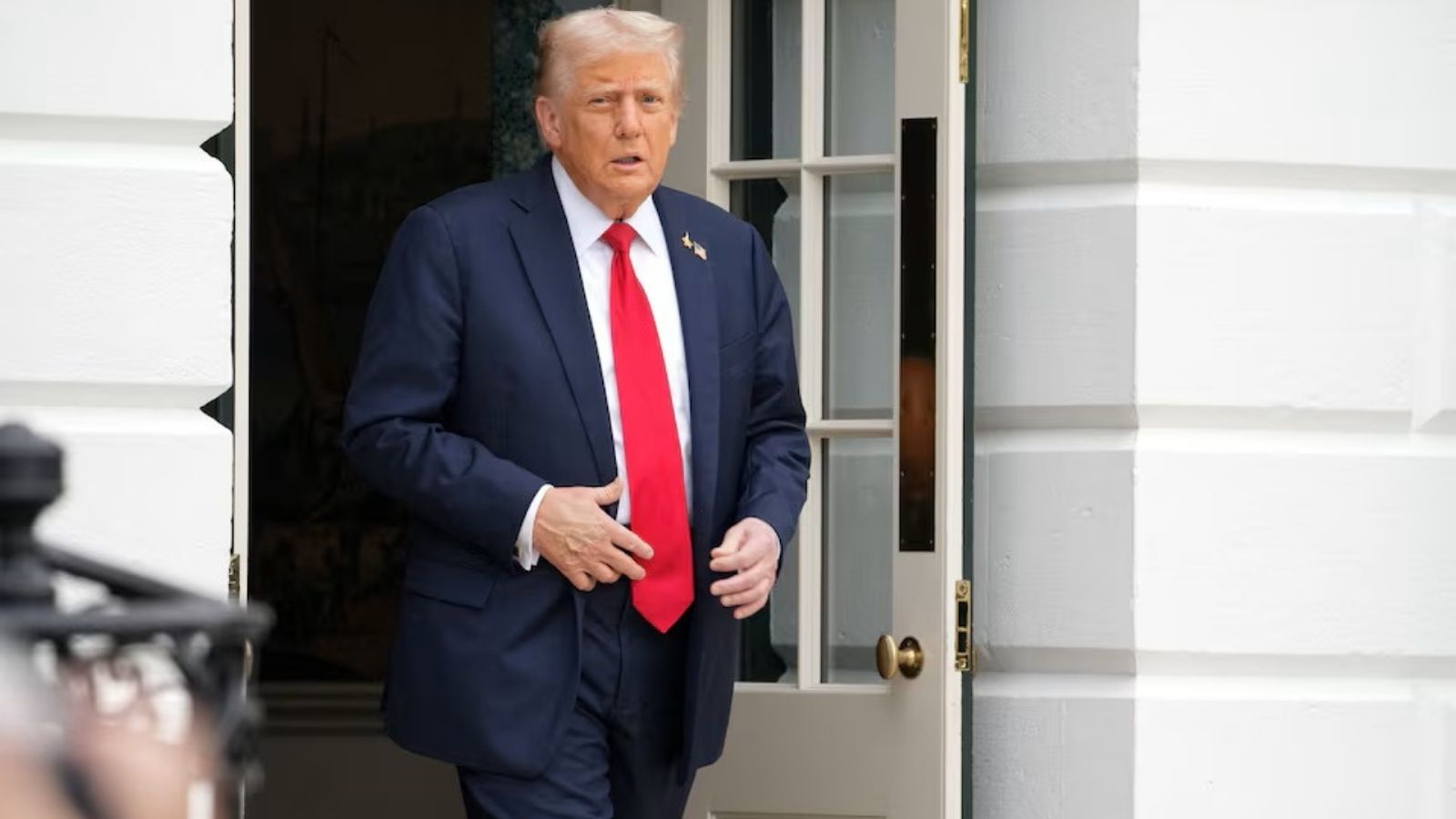
Notably, this initiative appeared following President Trump’s suggestions about the possible annexation of Greenland. The President cited concerns over the growing presence of Russian and Chinese forces in the Arctic region. Consequently, he characterized the island as a strategically vital territory for American interests.
However, leaders of major European nations recently issued a joint statement. They confirmed the inviolability of Danish sovereignty and the status of Greenland as its autonomous territory.
Conclusion
This legislative move reflects a deep institutional rift in Washington regarding foreign policy. While the administration seeks to expand its influence in the Arctic, Congress is prioritizing the stability of existing alliances. By introducing this act, lawmakers ensure that no military action against a NATO ally can occur without explicit congressional approval. Protecting the 80-year-old alliance remains a matter of national security and economic stability. Ultimately, this bill serves as a critical safeguard for the future of the transatlantic partnership and global order.