

The United States has issued a new and rigorous demand to the transitional government of Venezuela: sever all economic and political ties with a range of key geopolitical players, including Russia and China, and pivot toward closer cooperation with Washington. This move comes amid escalating regional tensions and efforts by Washington to strengthen its influence in Latin America. The White House maintains that the current Venezuelan leadership must fully comply with these conditions before it can expand oil production. If implemented, such an approach could radically shift the balance of power and energy flows on the global market. The core provisions of the U.S. demands are based on data from ABC News, citing informed sources.
What Washington Demands
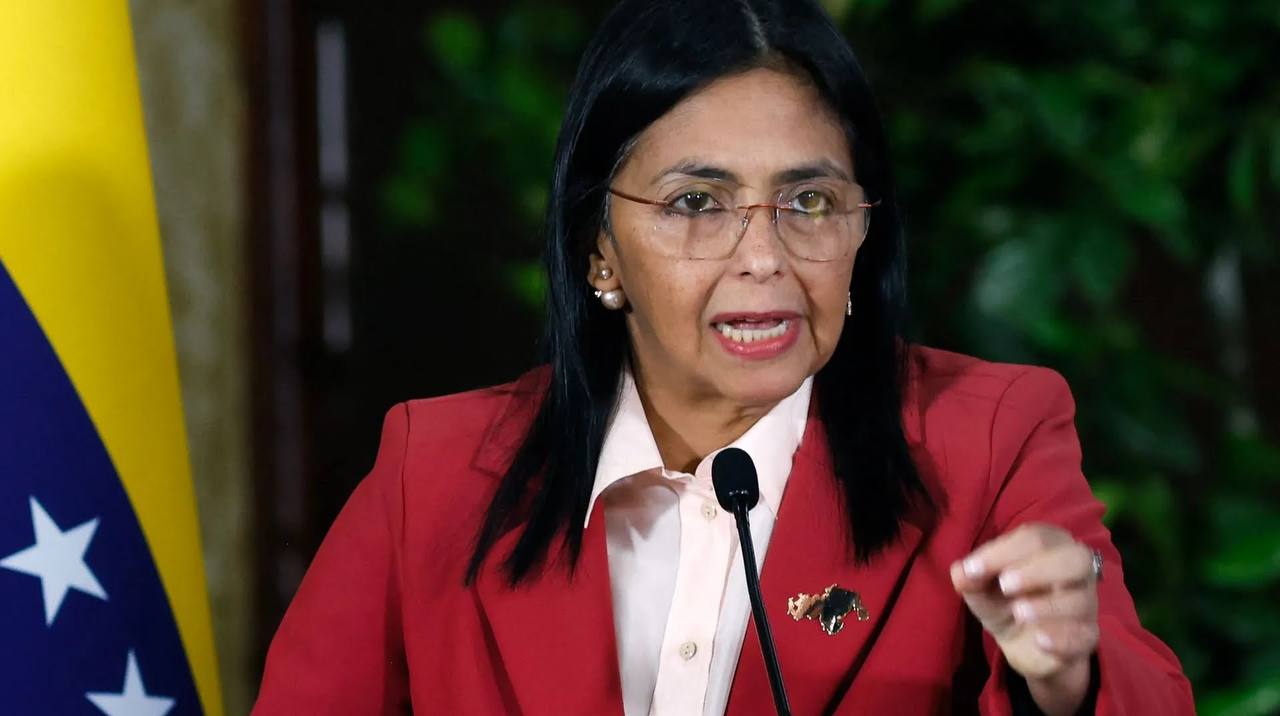
According to ABC News, the United States has presented interim President of Venezuela Delcy Rodríguez with two key demands: to cease cooperation and effectively expel China, Russia, Iran, and Cuba from the country, as well as to break all economic ties with them. A separate condition is Caracas’s agreement to an exclusive partnership with Washington in the oil extraction sector, granting the American side priority in the sale of heavy crude oil.
In other words, Washington is demanding that Caracas abandon cooperation with its primary competitors on the global political stage and concentrate oil trade through American companies and markets. It is expected that only after these steps are taken will Venezuela be permitted to expand oil production, which remains a vital element of the country’s economy and its strategy for surviving under sanctions.
Energy Pressure as a Tool of Influence
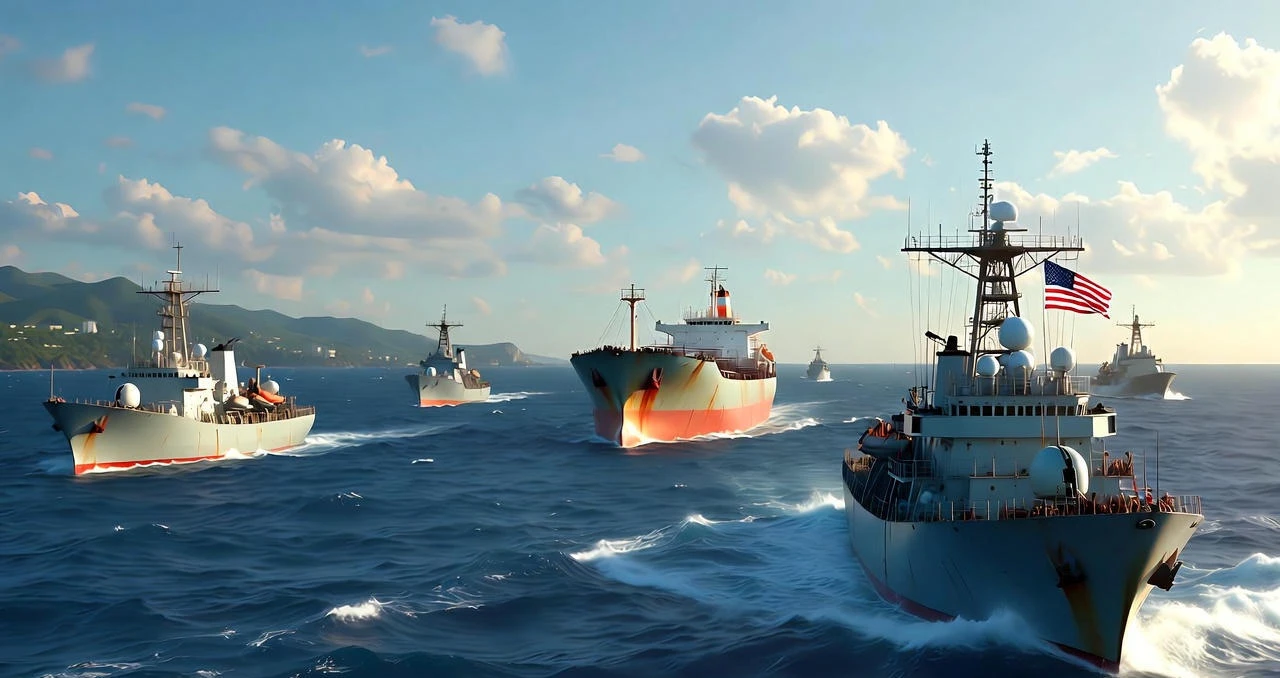
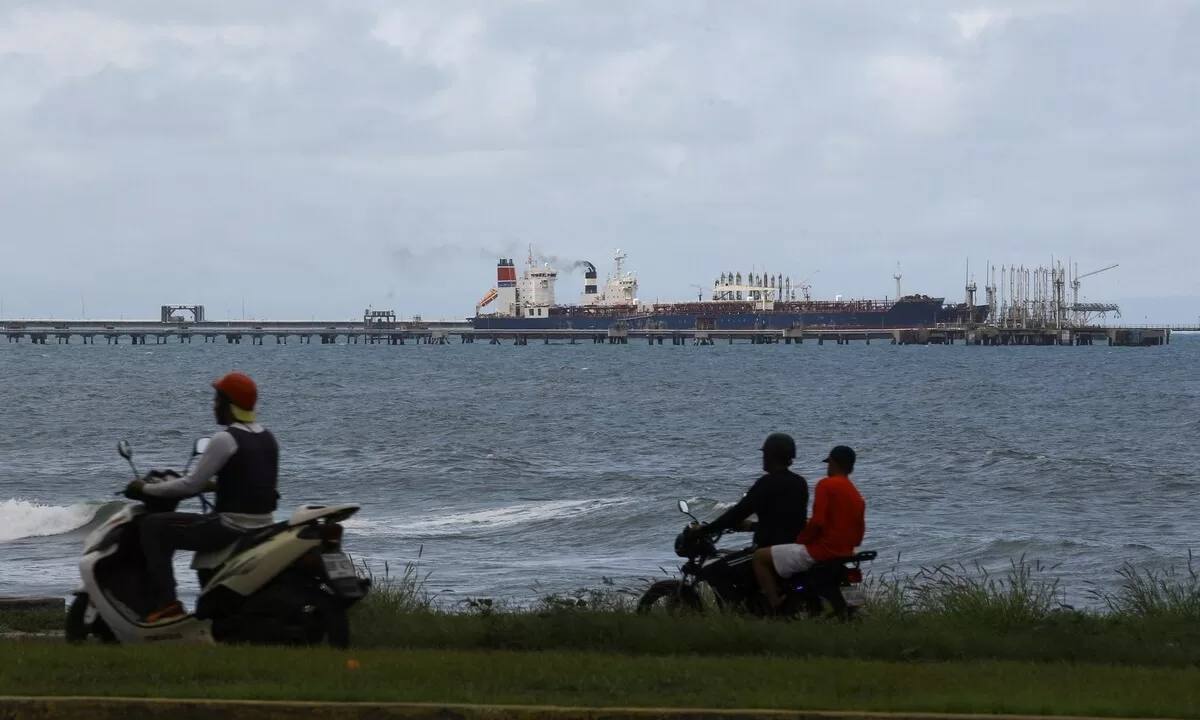
Control over Venezuelan oil is the central element of the American plan. Roger Wicker, Chairman of the U.S. Senate Armed Services Committee, confirmed in an interview with ABC News that Washington’s future actions largely depend on controlling oil infrastructure and supplies. According to him, this does not involve a large-scale deployment of American troops but rather implies pressure through energy channels.
“The government does intend to control the oil, taking charge of the ships, the tankers, and none of them are going to go to Havana. And until they start moving — we hope to the open market —there are no more tankers to fill, because they’re totally full,” Wicker explained.
According to the publication, U.S. Secretary of State Marco Rubio stated during a closed-door briefing in Congress that Washington possesses sufficient leverage to force Venezuela into concessions. He emphasized that overflowing oil tankers and restrictions on raw material sales could bring the country to the brink of financial collapse within just a few weeks.
These assertions indicate that the American administration views the oil sector not merely as an economic resource, but as a lever of foreign policy influence—both to change Caracas’s course and to limit access to this resource for potential U.S. rivals.
Conclusion
The U.S. demands on Venezuela represent more than just diplomatic pressure; they are a strategic message to the world regarding Washington’s intent to solidify its regional influence at any cost. The bet on severing ties with Russia and China and securing exclusive oil deals could have long-term consequences for international alliances and energy security. However, such an approach also risks deepening tensions between major powers and undermining regional stability. The substance of these decisions demonstrates that in modern politics, energy is being transformed into a powerful currency of influence, and geopolitical interests into rigid conditions for countries caught in the center of global disputes.