

Lviv / Kyiv / Odesa
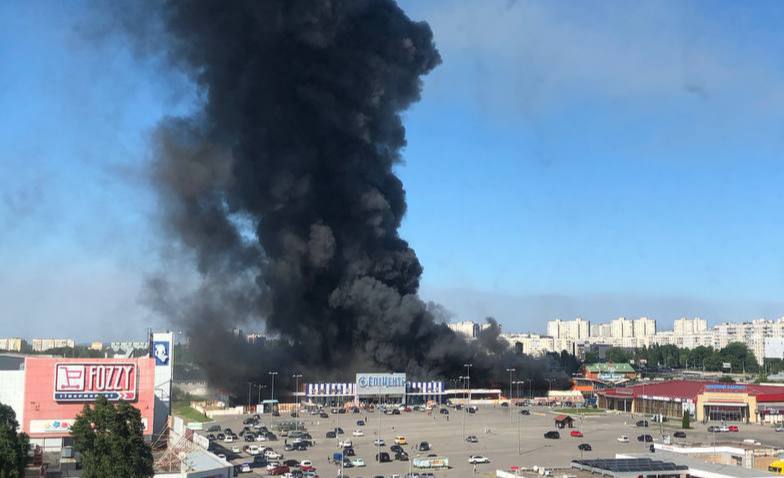
More than two years after fascist Russia´s invasion of Ukraine and, by implication of Europe, I am back on the roads of death and destruction. How many kilometers will I make this time? Probably about two thousand. From Lviv in the west to Kyiv and Kaniv in the east and on to Odesa in the south. In the company of good friends, Marchen from Denmark and Yevhen, who is driving his compact Japanese car, and – I hope far ahead – Ihor, who has been silent for many months, then returned suddenly. A nervous breakdown, as it turned out, followed by rehabilitation.
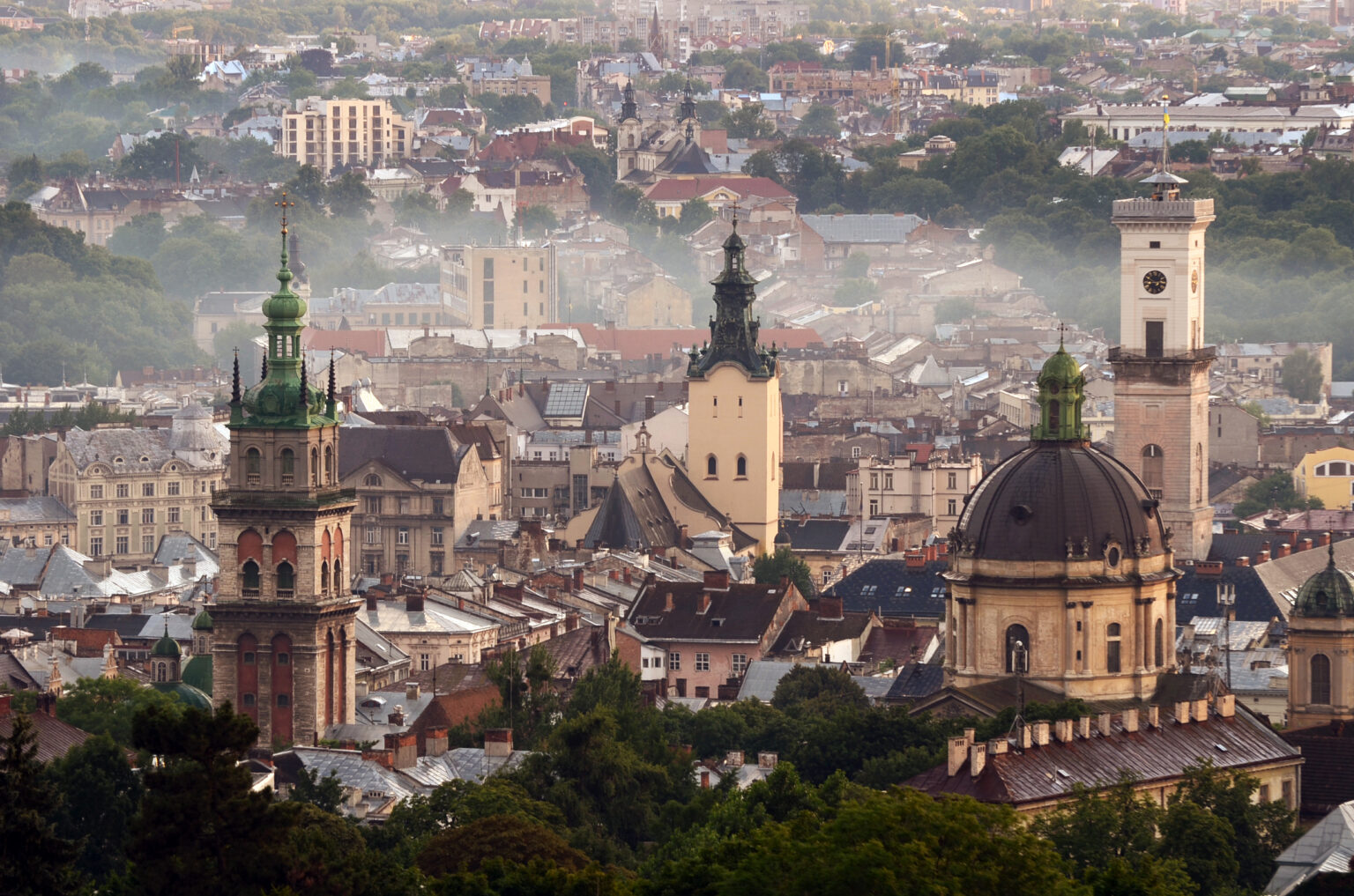
We leave Lviv, this marvel of old European culture, in the late morning, heading for Kyiv. In Rivne, we meet Tetiana, editor-in-chief of The Ukrainian Review, an online newspaper which regularly uses my columns in Jyllands-Posten, Denmark’s leading liberal newspaper. Of course, we talk about the war. It appears only sporadically in her pleasant hometown, sporadically in the physical sense. Mentally, it is here. For the first time in almost 40 years of moving in and out of Ukraine, I feel a tiredness among my Ukrainian friends. The Russian offensive east and north of Kharkiv has an impact far away from the battlefield. I sense an anxiety, a loss of energy, that belief in victory has turned into a hope for victory. Gone are the triumphal days of 2022, when Ukrainian troops surprised themselves and everybody else by stopping Russia’s invasion. Back is a nightmare called genocidal Russia, which in the 20th century killed four or five million Ukrainians in a state-organized famine, then sacrificed nine million Ukrainians in World War II.
I don’t meet anyone who doesn’t insist on victory, meaning that Russian troops, currently estimated at around 300,000, must be driven out of Kharkiv, out of Donbas, out of Crimea, out of the Black Sea coast, but there is also fatigue. Could this be the reason for US Secretary of State Blinken’s unexpected visit to Kyiv recently? Is the West finally realizing that there are limits to what the Ukrainians can take? Does Washington see a growing need to reassure President Zelenskyy, his government, and generals that the United States and the rest of NATO are more determined than ever to help them? To assure the Ukrainian public that decision-making in democratic societies is slower than decision-making in dictatorships? It simply takes time to listen to many opinions and to arrive on safe ground.
Stronghold of Europe
Kyiv emerges under the bright evening sun. Lots of cars, fewer people, constant air raids. I have lunch with Oleksandr Musiienko, a political scientist and military analyst, whom I consider close to the General Staff. “We need urgent help,” he says, “massive financial and material assistance.”
We agree that assistance is coming and can turn the tide of the war within a year or a year and a half, maybe two years. Europe, in particular, understands that if Ukraine does not stop the aggression of Russia, it will spread further west. Unlike the European nation states, the empire knows no borders. Even the average Russian considers Russia from the Pacific Ocean to the Baltic and probably to the Atlantic as a “Russkij Mir”, a Russian world. So it was the under the tsars, so it was under the Communists, so it is under the fascist Putin. My homeland, Denmark, with its responsibility for the transit waters between the Baltic and the North Sea and a large part of the Arctic, occupies an extremely important place in this imperial thinking, so alien to democracy. Oleksandr asked me if Denmark has established an adequate air defense and coastal defense system. “Not yet,” I answered. “But it is coming, and it is coming rapidly. The Danes, after sleeping peacefully for generations, have been woken up by the noise of war in Ukraine.” By the end of this decade, I suspect that together with our neighbors, we shall be able to stop any hostile incursion into the Baltic Sea, Skagerrak, and Northern Europe. In the meantime, Ukrainians are the bulwark of democratic Europe against Moscow’s barbarism.
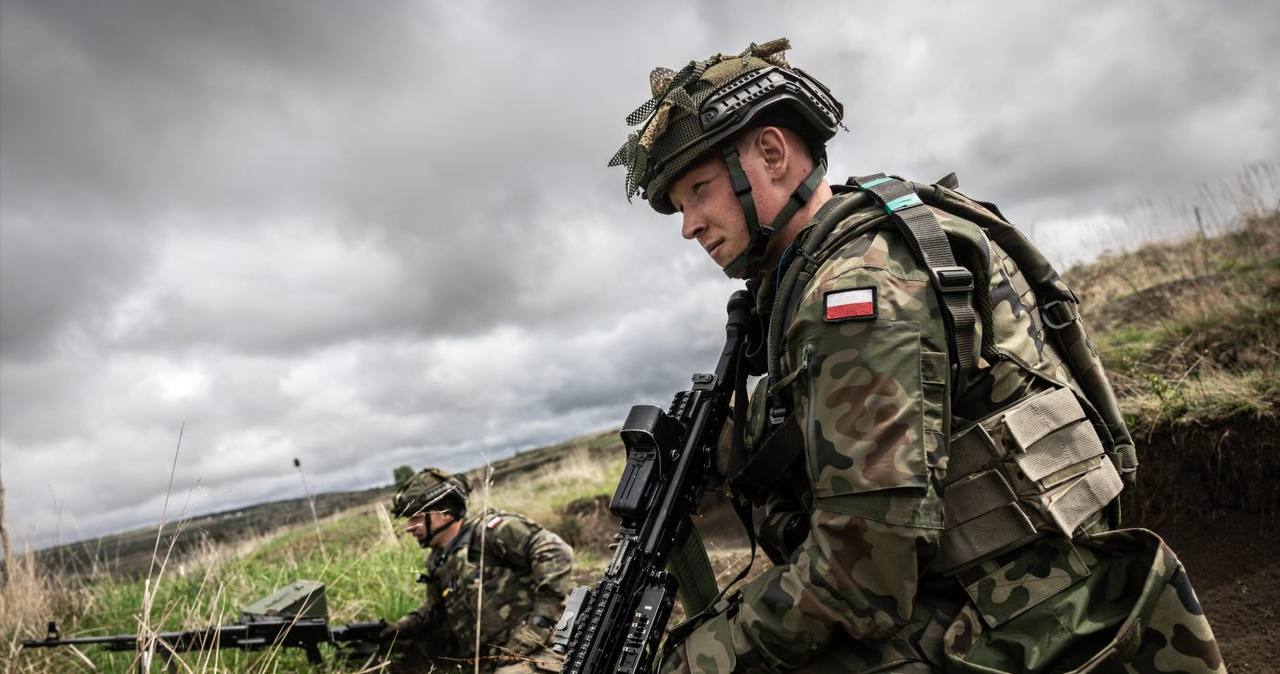
For now, we must give Ukraine the equipment and the money and even the troops, whatever they need to keep the Russians occupied along a line from Kharkiv and the Donbas to the lower reaches of the Dnipro, while NATO countries rebuild their military capabilities since the fall of the Soviet Union neglected in favor of the good and easy life, forgetting that the natural state of affairs between human beings is war, only occasionally interrupted by peace.
Russian shadows
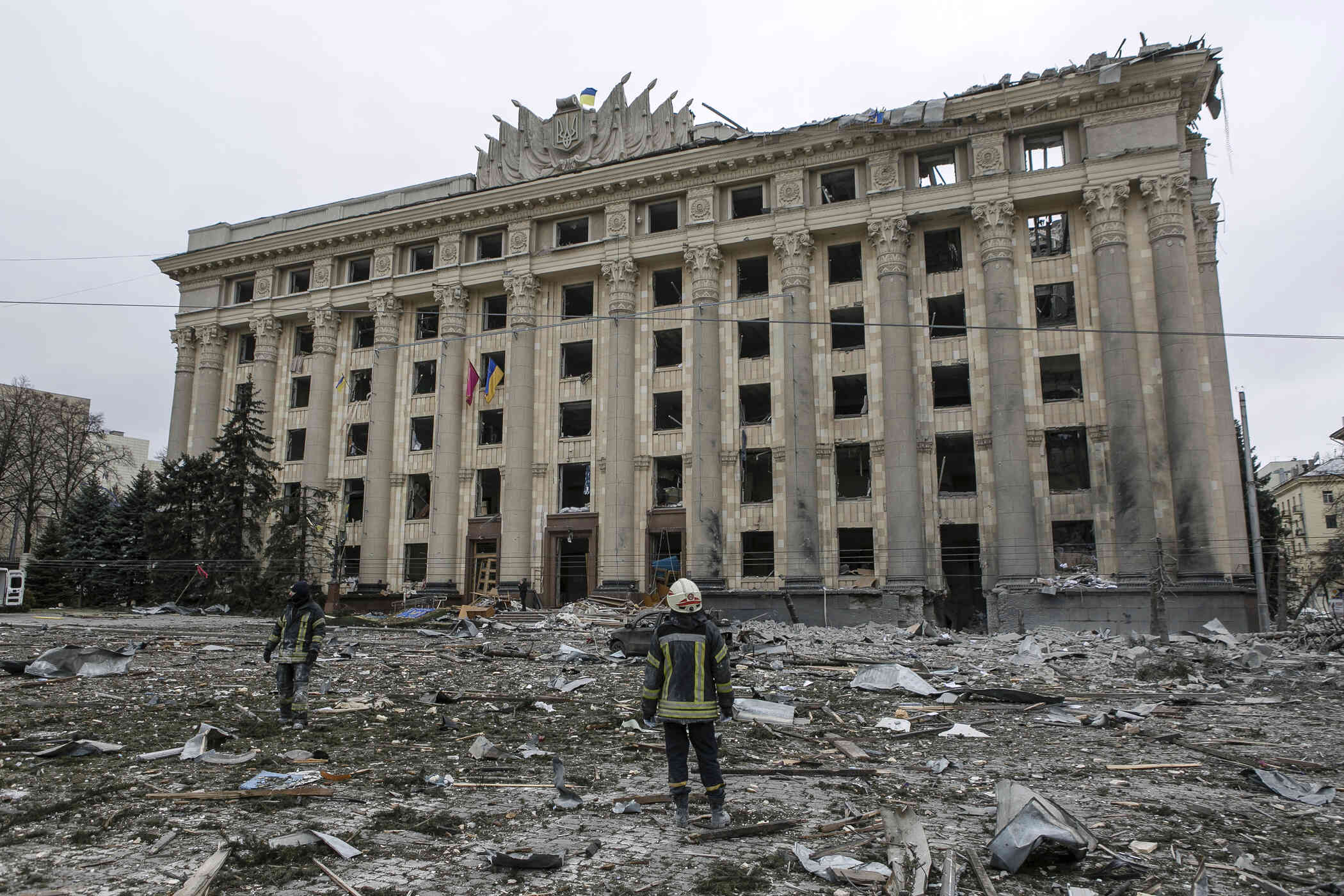
The Russians are attacking massively in northeastern Ukraine. Why are they doing this? Maybe to draw Ukrainian troops away from other fronts. What the Kremlin cannot allow is for the Ukrainians to return Crimea, which the Russians annexed 10 years ago. Crimea is Putin’s prestige project, his legitimization as a dictator and Führer. If he loses Crimea, he will lose his prestige, power, and possibly his life.
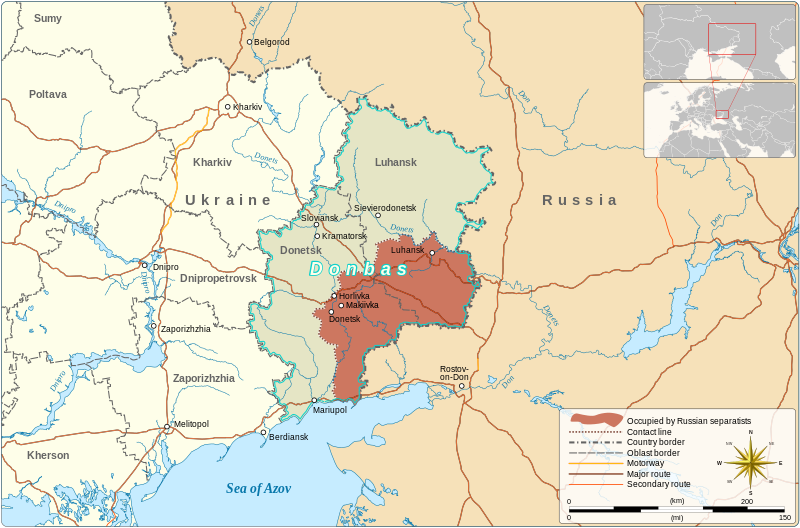
The West could, in its own interest, provide the Ukrainians with missiles that would allow them to completely destroy the Kerch Strait bridge, a symbol of Putin’s early victories. The Ukrainians, with their unparalleled ability to improvise, have already pushed the Russian navy out of the western Black Sea, away from its bases in Crimea, back to several smaller ports along the stretch from Novorossiysk to Sochi, the infamous site where Putin was allowed to host the 2014 Winter Olympics. A few weeks later, he attacked Crimea and the Donbas, then Russian or Russian-controlled forces shot down a Malaysian airliner over occupied East-Ukraine, killing nearly 200 passengers and crew.
Before leaving Kyiv, wounded but brave Kyiv, I managed to visit a great new bookshop called Sens, on Khreshchatyk, neighboring to mayor Klitschko´s imposing City Hall. Sens is a marvel of quiet but determined civilization and culture, thousands of books, hundreds of people, a generous coffee shop, a stage for discussions. “I wanted to demonstrate that despite all, we can have a kind of normality,” I am told by Oleksii Erinchak, the creator of this heaven of culture. “I want to present Ukrainian literature to both Ukrainians and foreigners who visit us. Our authors and poets and thinkers have to much to offer but were always overshadowed by Russian books.”
Yevhen heads south under a pleasant afternoon sun. Our destination is Kaniv, with the grave and monument of the national poet Taras Shevchenko, located in the hills high above the glittering Dnipro River, on the waters of which my northern ancestors, the Vikings, in ancient times, sailed to Constantinople. Once again, we discuss the problems of Europe, of Ukraine and the war, which has has been going on for 10 years, not for two years as presumed in the west. Yevhen tries to hide his obvious anxiety under a mixture of humility and feigned good humor. We agree that the Western assistance has been vital also that the West all along gave too little and too late. Some 350,000 Ukrainians are believed to have been killed or maimed, dozens of cities are in ruins. These losses could have been largely avoided – along with the flight of five million Ukrainians abroad – had the West responded forcefully and immediately to Russia’s aggression in 2014. Unwillingly, our leaders in those days behaved as Putin’s useful idiots. German Chancellor Scholz still does.
Putinist idiots
After a long day’s travel towards night, we arrive in Odesa. French President Macron’s recent warning rings in my ears: Europe could die if it does not understand its obligations and responsibilities in the hot war which followed the Cold War rather than the perpetual peace which western nativists imagined after the collapse of the Soviet Union in 1991.
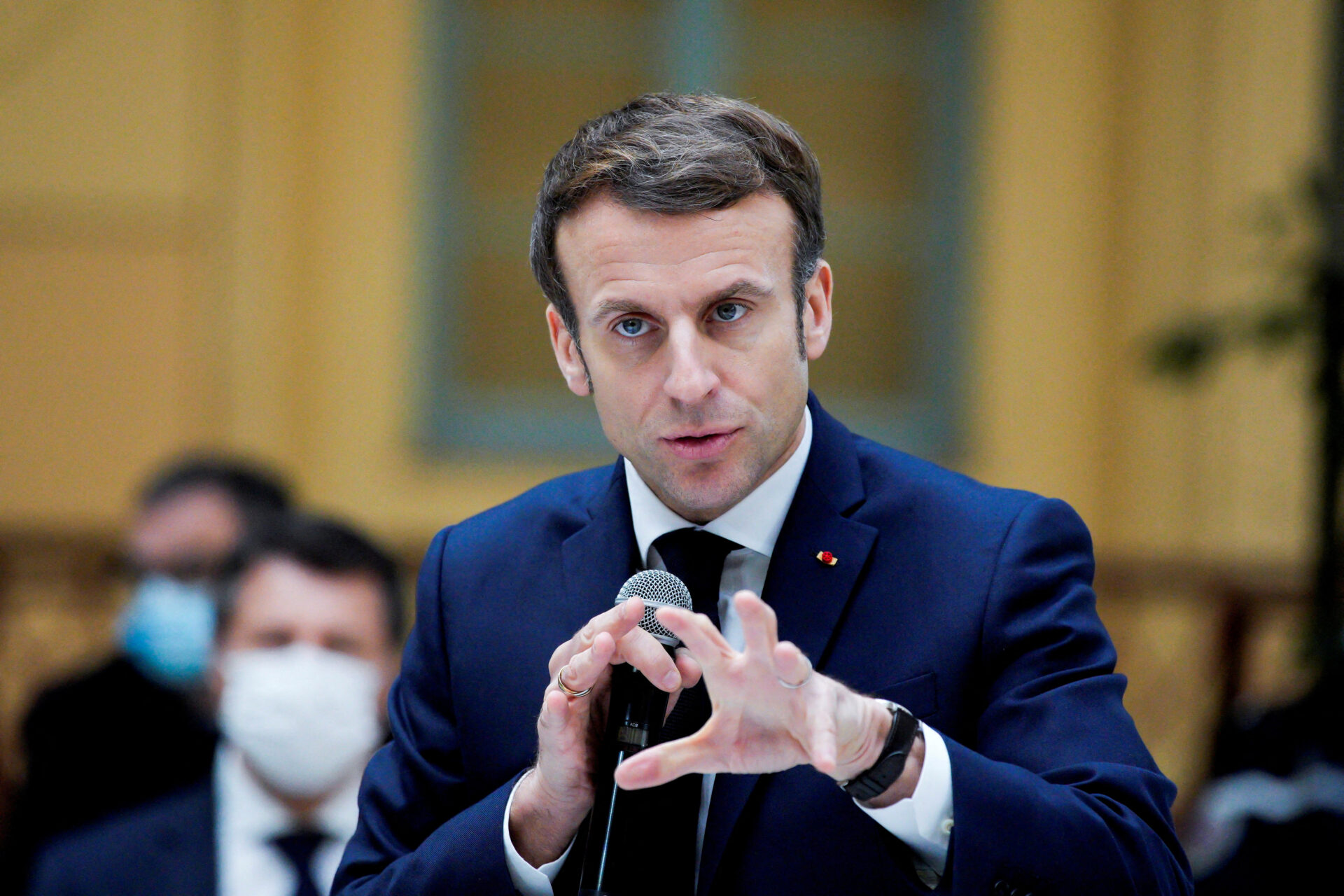
It is time to act. NATO’s commitment to Ukraine’s sovereignty and, independence and territorial integrity must be guaranteed at the Washington Summit in July. The summit – for starters – could declare Ukraine an associate NATO-member and wow publicly that with its superior air force, it will protect Ukrainian cities west of the frontline. Even Europe or some of the most determined European countries such as Poland, France, The United Kingdom and Denmark could take upon themselves this task. Europe, with or without the United States, cannot afford to lose the ongoing war. The West has access to enormous resources far greater than those of Russia. They must now be activated and coordinated in favor of Ukraine and Western democracy and liberty. Those who, in the campaign leading up to the EU-elections in June, clamor for compromises with fascism and a hollow peace are the Putinists, the traitors among us.
Odesa, to me, is a second home. Here I have friends, trusted friends, here is another Europe than that of Lviv and Kyiv, a Europe of the sea, a Europe like Marseille or Napoli or Piræus. Alina shows up and runs away, always busy. Stanislav has more time and takes me to see Andrew, with whom Marchen and I spend a couple of hours discussing nation-building and Ukrainian identity. Both Andrew and Stanislav admit to feeling exhausted by an undercurrent of pressure, by the constant wailing of the sirens, but they too are firm in their patriotism, in their desire for a just peace, which can only be a peace, agreed between equals, by a beaten Russia and a Ukraine, which stood firm.
Yevhen heads north. Ihor arrives, we have a touching reunion. To me, he seems stronger than before, more thoughtful, having matured through his problems, including the bombing of his almost completed house. A new law comes into effect: all men between the ages of 25 and 60 must register for military service. This does not necessarily mean they will be sent to the front immediately, but the risk exists. Ihor has no intention of registering. “I’ll take it as it comes,” he says. “If they find me, they will find me. Or maybe they won’t…” His remark reminds me of Yevhen, not necessarily very brave, but surely humane and understandable, phlegmatic rather than flamboyant.
Odesa by night
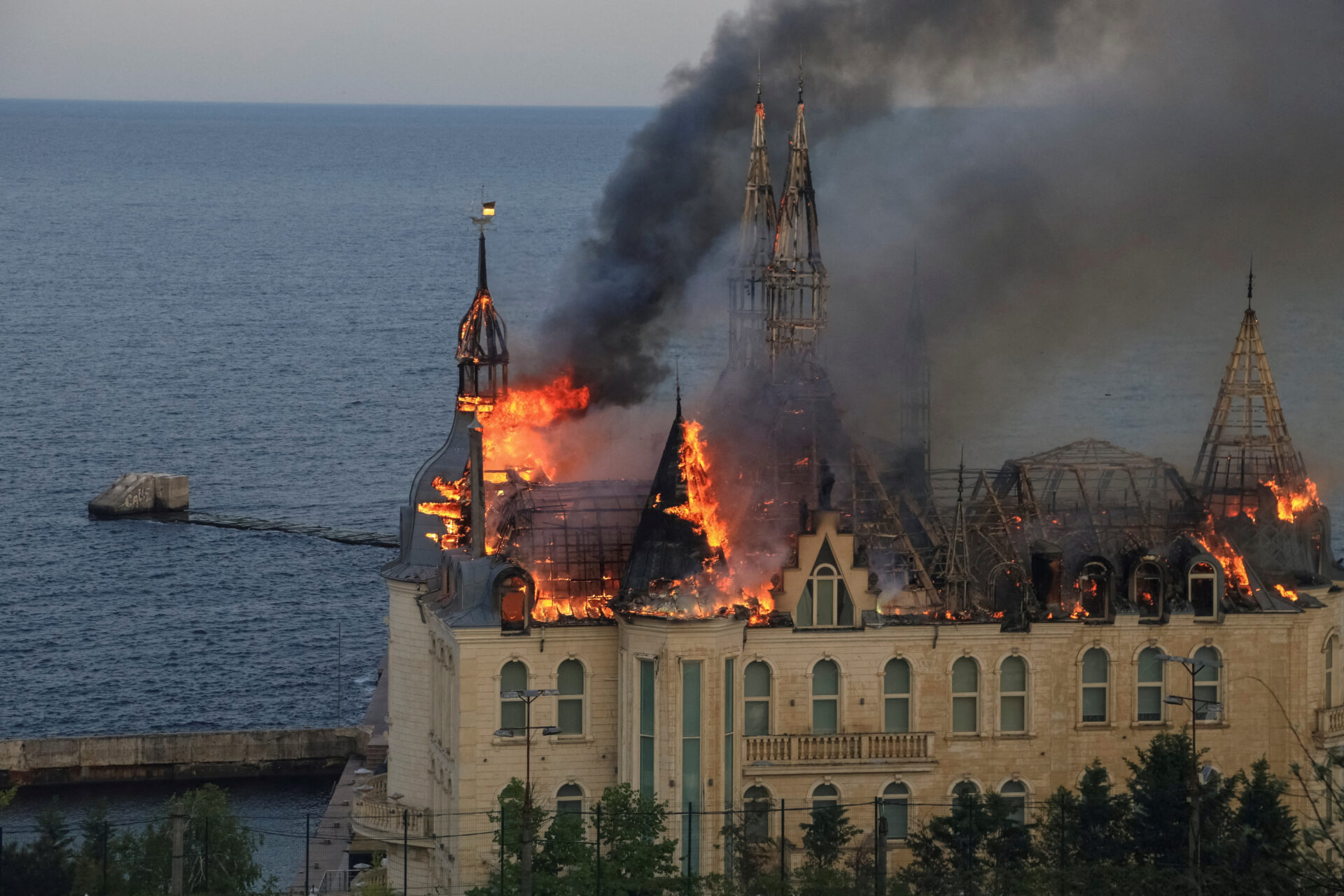
Odesa by night is amazing. There is a lot of life: elegant restaurants, young women who look like Hollywood stars of the 1950s, layers of cosmetics, pouty lips that make them look like jellyfish at the bottom of the sea, neurotic lapdogs, low-cut dresses, cheap fashion, no style. The men are few and provocative, with leather jackets and sunglasses, semi-strong and rich with sports cars and motorcycles, defiantly noisy, unworthy sons of their fathers. The puritan in me finds this indecent and tasteless, out of step with the times, deliberately away from reality, away from the life of the soldiers, from the dead, the crippled and the wounded.
The next morning, Yevhen emails me, desperate and unhappy. A police patrol stopped him near Lviv. He was taken to a mobilization center and expects to be sent to the front. He believes that he will not be allowed to see his family before his departure to the east. “This is illegal,” he writes. “I feel betrayed by my own country.”
I tell Ihor what has happened. “That’s the way it is,” he says. “We are helpless.”
By Per Nyholm
*These opinions are solely those of the author. The Ukrainian Review takes no position and is not responsible for the author’s words.
Per Nyholm has been a Danish journalist since 1960. He is based in Austria and is a columnist and foreign correspondent at the Jyllands-Posten, a liberal Danish daily newspaper.
Tetiana Stelmakh adapted this text for The Ukrainian Review.