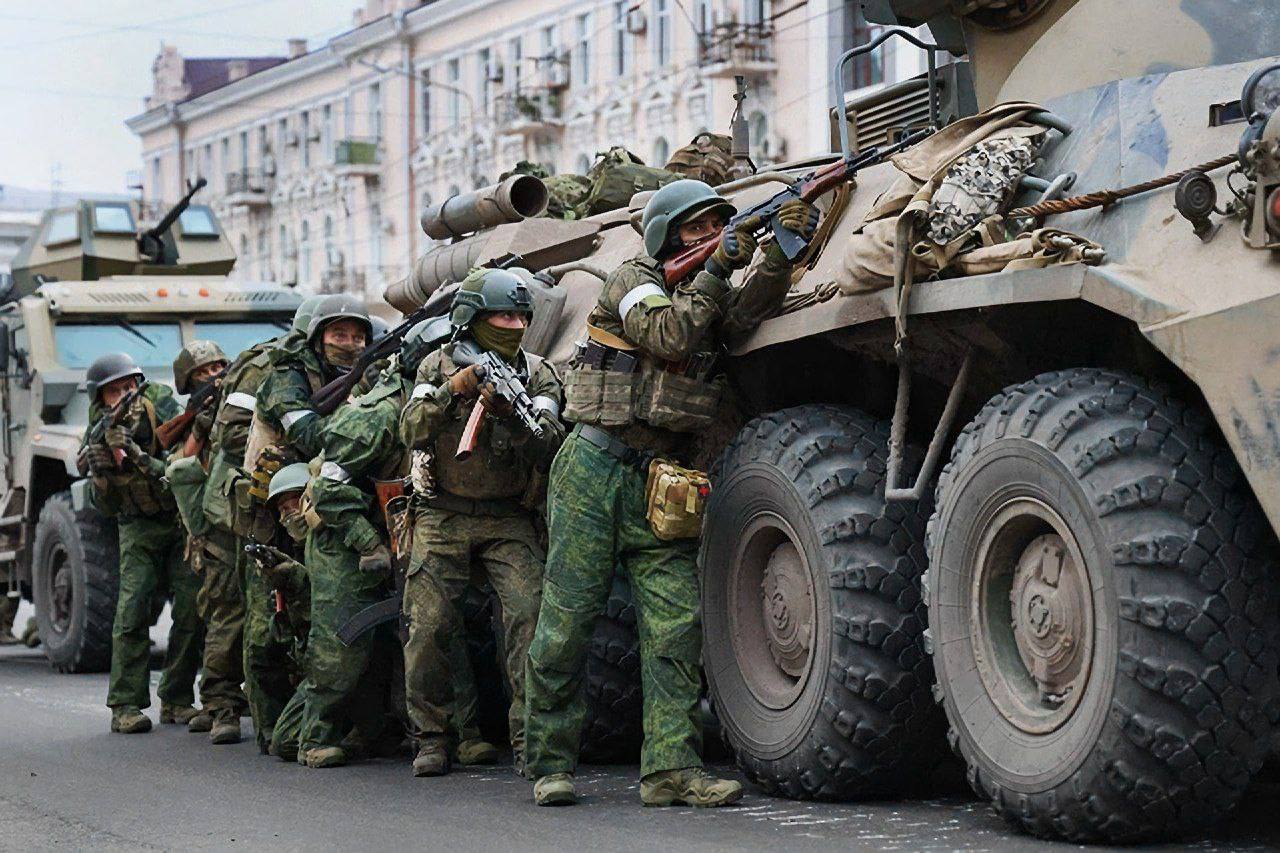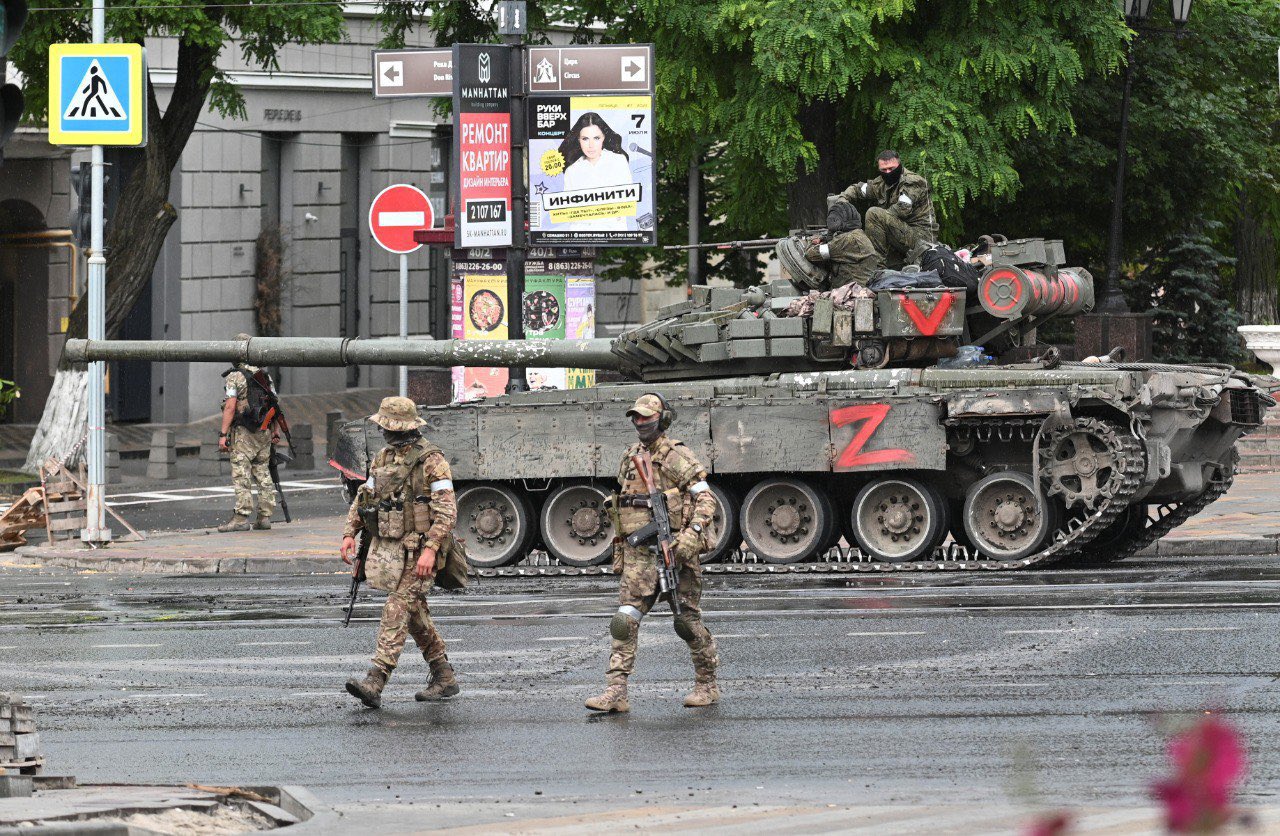


“NATO countries are following developments with the utmost care as a prelude to their eagerly awaited summit in Vilnius next month. If Putin’s rule in the Kremlin really begins to falter, perhaps everything should be put into overthrowing it completely”.
Vienna
What is going on in Russia barely a year and a half into a war of aggression, which is progressing poorly under any Russian consideration, both among the war’s many supporters and its few opponents, cannot be said with even the smallest degree of certainty. The factors are many and the disorder so extensive that the outsider is tempted to imagine the downfall of nuclear power Russia in an orgy of violence, a repetition of the disintegration of the Tsarist Empire in the final phase of the First World War.
The fact that warmonger Putin made an extraordinary appearance on TV on Saturday with a statement that the militia leader Yevgeny Prigozhin had put himself at the head of an attempted coup and was thus guilty of high treason is an undeniable sign that chaos is taking hold in fascist Russia with a power and a depth not seen since the predecessor state, the communist Soviet Union, disappeared in 1991. There is a regular power struggle going on, but between whom? The next thing could be civil war.
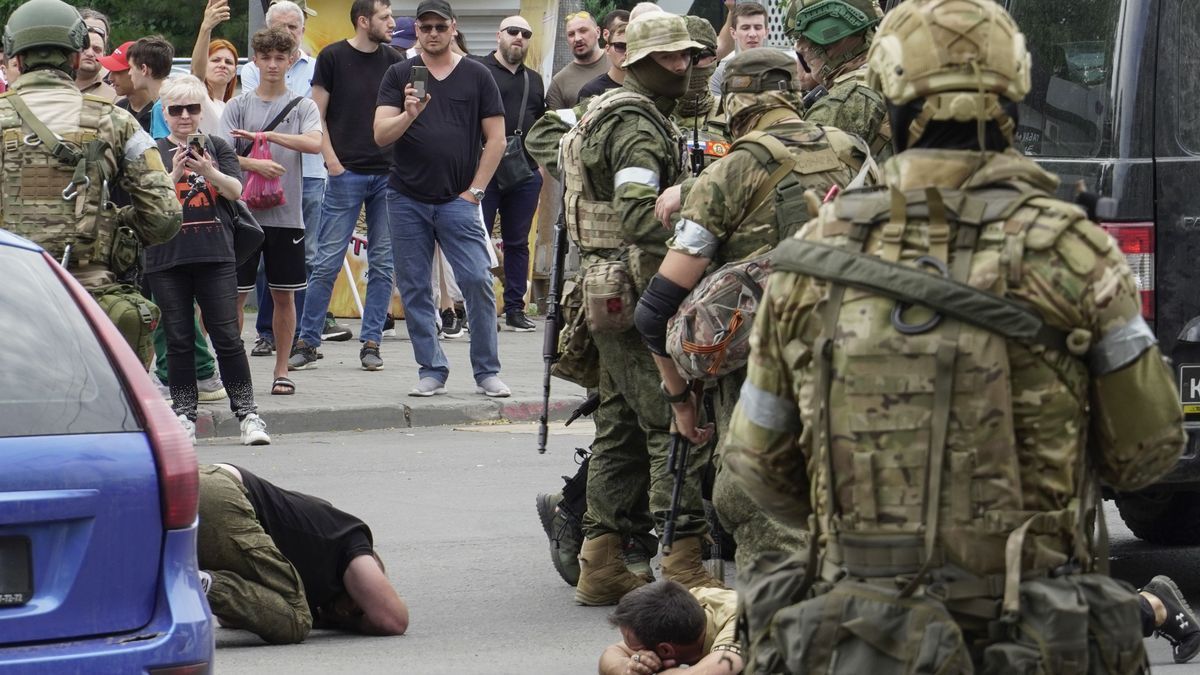
The NATO countries are of course following developments with the greatest care as a prelude to their eagerly awaited summit in Vilnius next month. If Putin’s rule in the Kremlin really begins to falter, perhaps everything should be put into overthrowing it completely.
The facts on Saturday – while the situation changed from hour to hour – were these: Prigozhin, head of the infamous Wagner militia, has pulled his troops out of Ukraine and occupied the million-strong city of Rostov-on-Don. He has once again declared Defense Minister Sergei Shoigu and Chief of the General Staff Valery Gerasimov, the commander-in-chief appointed by Putin in Ukraine, to be traitors. In Moscow, the Federal Security Service has issued an arrest warrant for Prigozhin, who is threatening a march on Moscow. A partial state of emergency has been introduced. Tanks are drawn into position in Moscow and other cities. Strategically important roads are blocked.
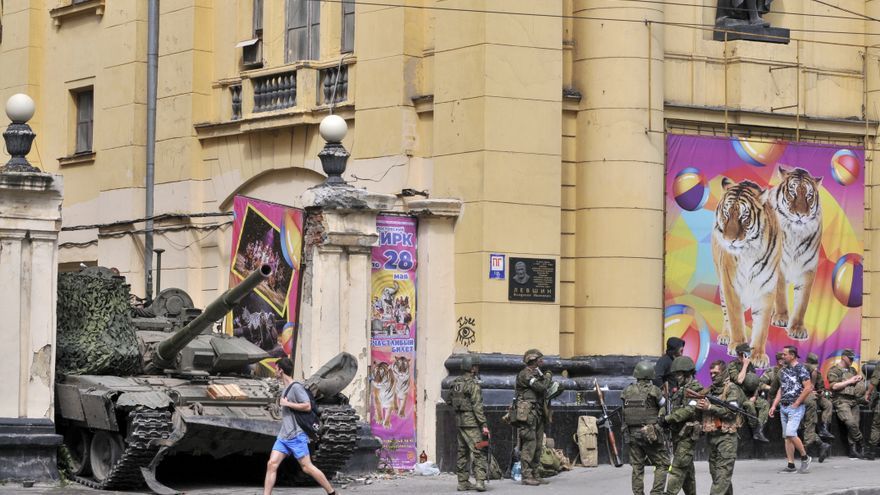
Prigozhin has exacerbated the crisis with a politically explosive claim. Putin’s longest-proclaimed cause of war is a lie and deception from the beginning, says the militia chief. Ukraine never threatened Russia. This statement is a far cry from Prigozhin’s normal claims about the ineptitude, cowardice and corruption of the army leadership. It is an attack on Putin. Does Prigozhin predict a Russian defeat? Is he out to save his own skin? Could he have been sent to town by yet-to-be-identified forces who want out of the war and out of Putin?
Russia remains an enigma, shrouded in mystery. Perhaps it is all so far opaque intrigue, set in motion by Putin, who believed he could force Ukraine back into the Russian empire he had restored, and who now – internationally wanted war criminal, unable to prevail in Ukraine – must feeling let down by his closest advisers, among them Defense Minister Shoigu, a personal friend, Chief of the General Staff Valery Gerasimov, who does not have a reputation for being the sharpest knife in the drawer and other, mediocre endowments such as Foreign Minister Lavrov. The questions are many. Serious answers are not available.
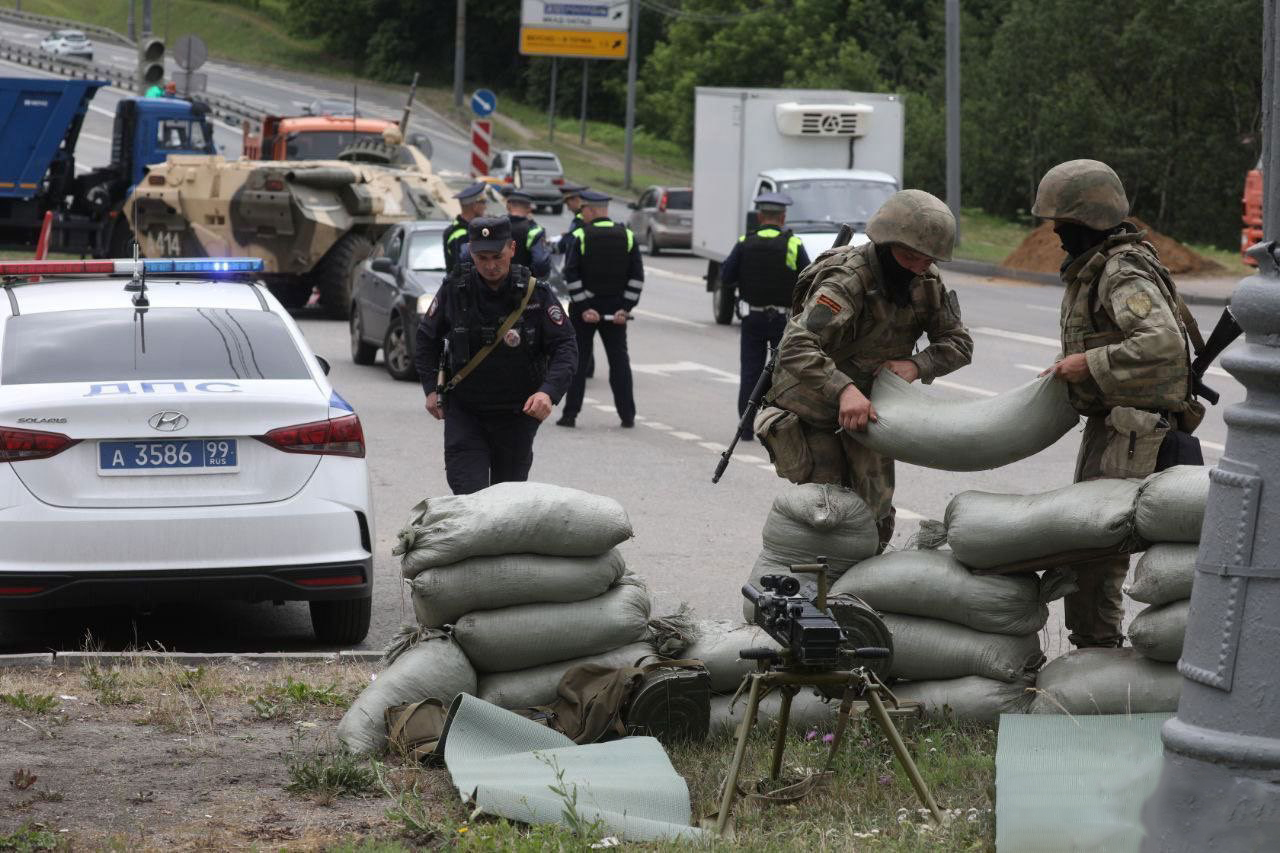
For Ukraine, the Russian chaos is good news. It weakens the Russians’ military efforts, and it shows the leaders of the West that they are wise to bet entirely on Ukraine, Europe’s advanced defense against an increasingly confused, dangerous and erratic Eastern power.
From the editor: as of 4:30 p.m. Kyiv time, Wagner units are already 350 kilometers from Moscow in the Lipetsk region. At the same time, a column of APCs with fighters from the Ahmad unit loyal to Putin is approaching Rostov-on-Don. The next 24 hours will be decisive both for the regime of Vladimir Putin and for those who challenged him.
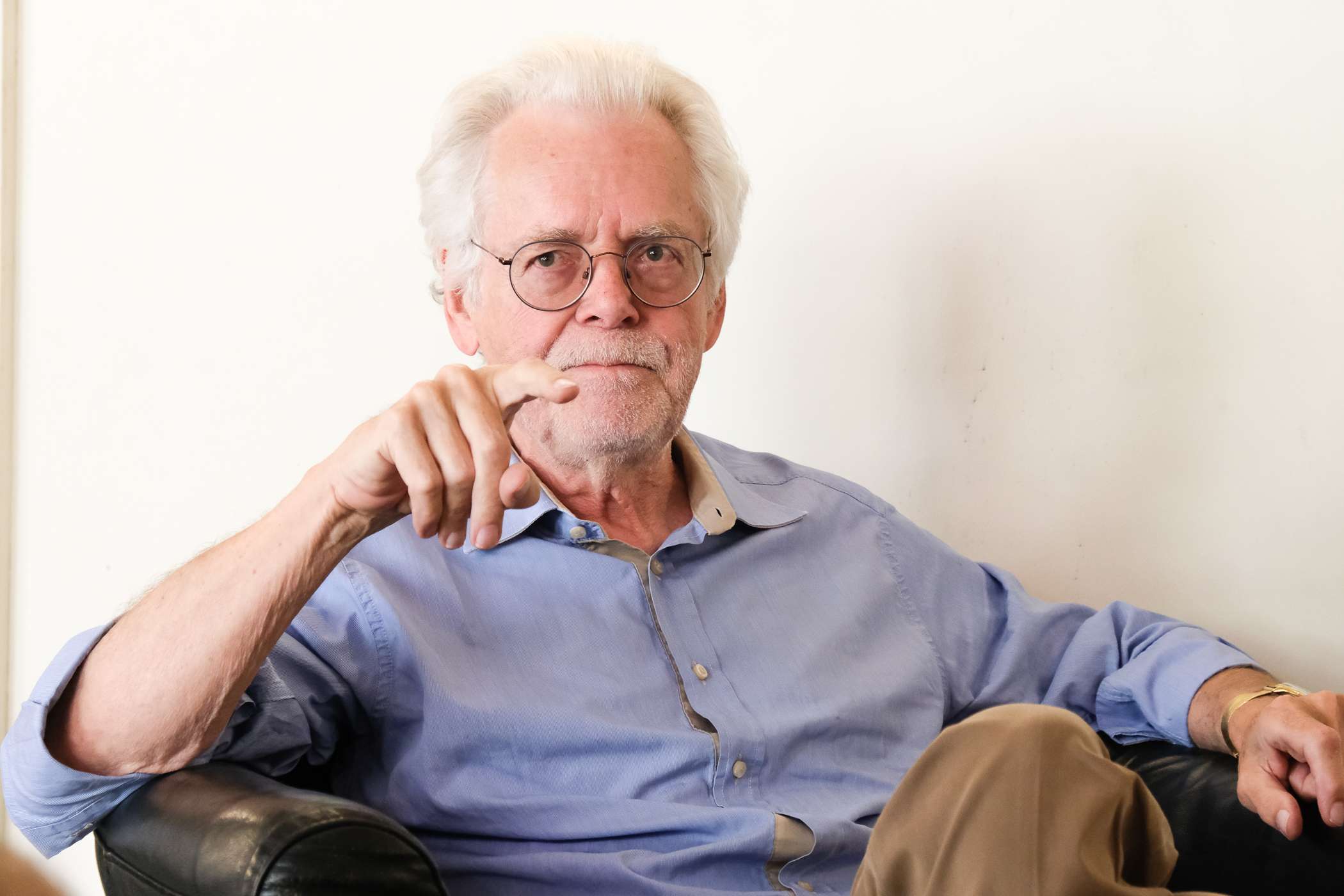
Author: Per Nyholm
Danish journalist since 1960, based in Austria, columnist and foreign correspondent at the liberal Danish daily newspaper Jyllands-Posten. This text was written for Jyllands-Posten and translated and adapted for The Ukrainian Review by Stanislav Kinka.