

Cultural diplomacy is always important, even in times of war. It connects people on a human level, and reminds us of our common humanity.
While we all have different national histories and life experiences, cultural diplomacy can help us identify commonalities and shared experiences. Food and the arts are often what brings people together to share our culture. Breaking bread together is symbolic of building a trusting relationship. More broadly speaking, it builds connection that lead to collaboration and cooperation such as trade, education, and our joint responsibility for the environment. While at the local level, these connections can help us build stronger communities; at the international level, this helps establish stronger bilateral relations and more secure global systems.
When a country is attacked, its identity and culture are most often also attacked, denied and often followed with suppression. Ukraine has faced this previously with Sovietization when Russian culture and language were given supremacy, and Ukrainian was actively denied the same status. Ukraine and Ukrainians faced multiple stages of colonisation by Russia.
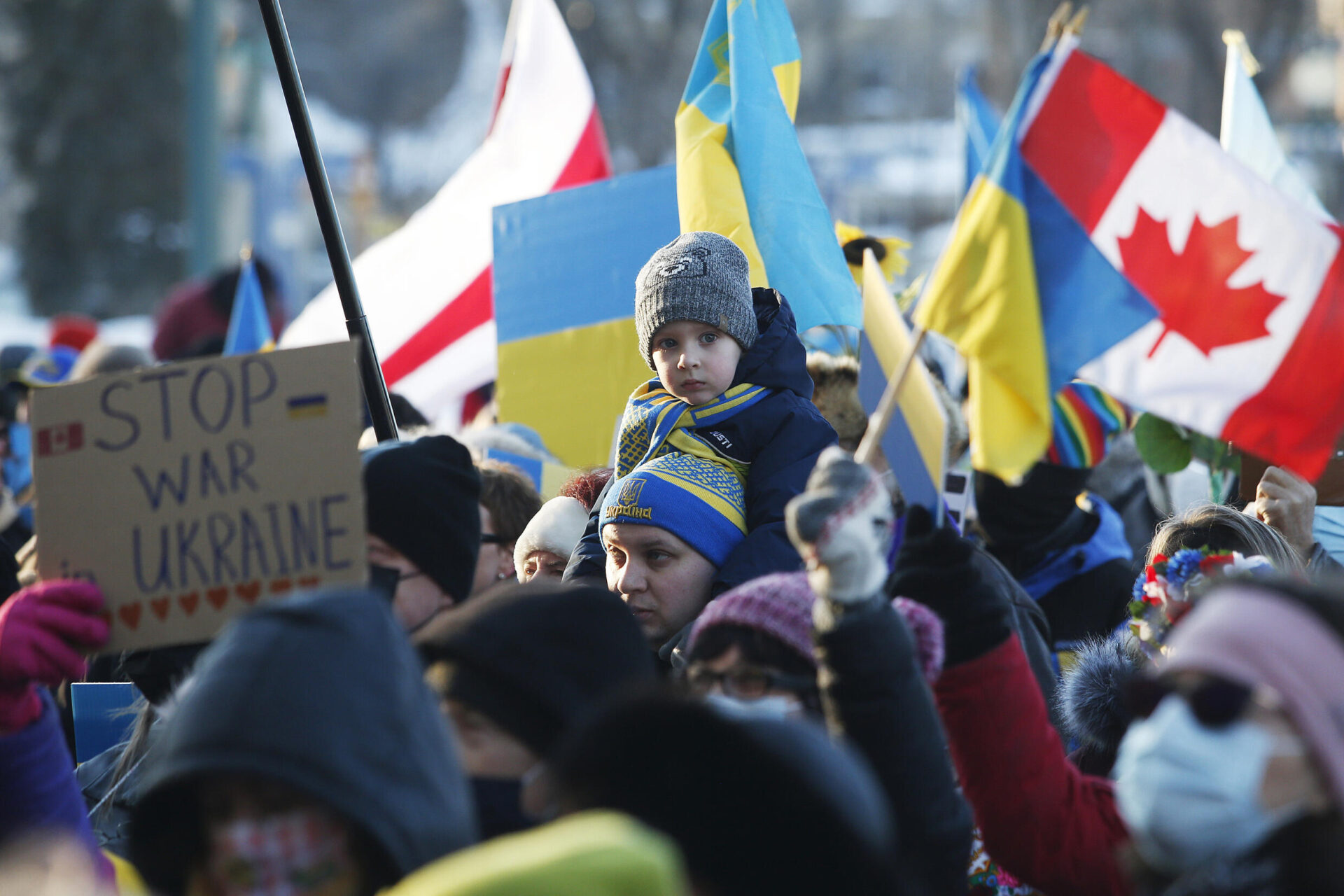
This war returned many of the prejudices that Ukraine suffered in the past, where they felt in very real and violent terms the attempts to deny and destroy Ukrainian identity, history and culture, and bring the country and its people back under Russia’s cultural dominance.
We witnessed this policy with this war. Since the beginning of a full-scale invasion, at least 117 people of art and culture were killed, according to PEN Ukraine. Russia has systematically destroyed Ukrainian cultural sites. As of July 2024, UNESCO has verified damage to 431 sites in Ukraine:
- 138 religious sites,
- 214 buildings of historical or artistic interest,
- 31 museums,
- 32 monuments,
- 15 libraries,
- 1 archive.
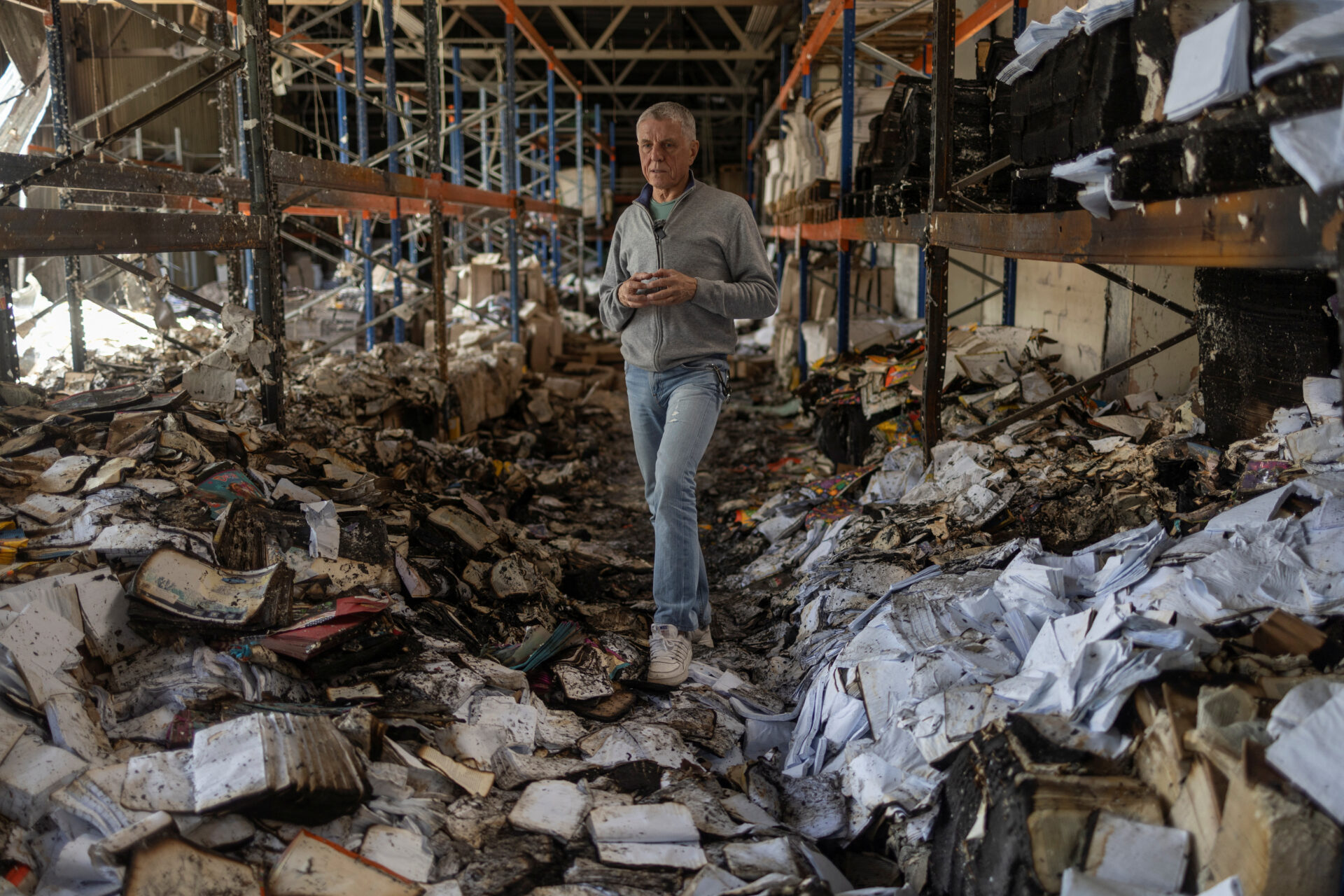
It destroyed the largest Ukrainian-language publishing house in Ukraine, which was located in Kharkiv.
We have also witnessed that these attempts to suppress Ukrainian culture have not been successful and, in fact, had the counter effect. Since independence, Ukraine has been both Ukrainian and Russian language speaking. Since the war, we’ve seen this changing. Russian-language people and families are making the active decision to now speak Ukrainian. A kind salesperson complimented my Ukrainian a few days ago. I laughed and said that his was very good too, thinking that I was being funny. However, I was surprised when he countered with a “Thank you, I have been working on it the last year since my family and I made the decision to switch to Ukrainian.”
Ukrainian culture, literature, poetry, theatre and music are rich with a long and proud history. Ukrainian song and tradition have been passed down through generations, especially important when not everyone could read and write, songs were an important way of passing down history. Now Ukrainian artists are important advocates to speak on behalf of Ukraine. They are the ambassadors who speak through film, stories and dance.
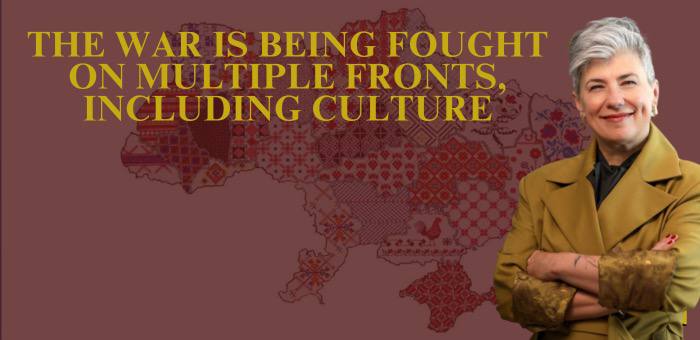
The international community recognises that it is crucial to join forces in supporting Ukraine’s cultural resilience. Canada understands this. Canada understands that this war is being fought on multiple fronts, including culture.
As such, Canada included in its bilateral agreement on security cooperation the importance of culture and history. On February 24, 2024, Prime Minister Trudeau signed this agreement in Kyiv that included a contribution of $15 million (CAD) to the continued construction of the National Museum of Holodomor-Genocide. This builds on Canada’s contribution of $4.8 million to UNESCO in 2022 to support the protection of Ukraine’s cultural and heritage sites.
Another part of the agreement focuses on countering disinformation. Canada is providing funding to help enhance the fact-checking capabilities of Ukraine’s media and general public in order to better detect and counter disinformation in the country.
Through the Partnership Fund for Resilient Ukraine, we are supporting efforts that are saving, preserving and assisting the further development of cultural entities of frontline communities affected most by the war.
We will continue to support cultural resilience in Ukraine and the bridges with other cultures that it is building. This is a contribution to protecting the democracy and freedom of Ukraine.
Natalka Cmoc, Ambassador of Canada to Ukraine