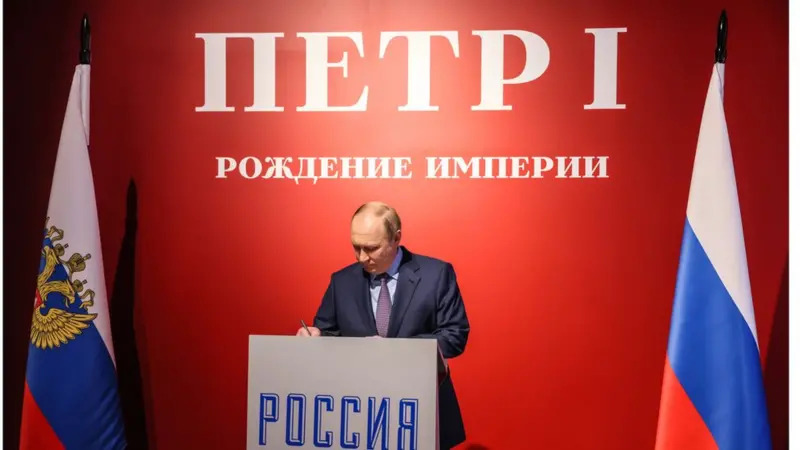


After almost four years of war, it has become clear that Russia’s aggression against Ukraine has no clear and adequate goals. Yes, the goals of “his own” changed one after another, and the Kremlin dictator’s ambitions fluctuated from “all of Ukraine” to “the entire South” and sometimes simply to “the entire Donbas.”
Not only during this time, but throughout his reign, Putin has proven himself to be an unpredictable politician who is often guided not by cold calculation, but by emotions such as hatred and revenge.
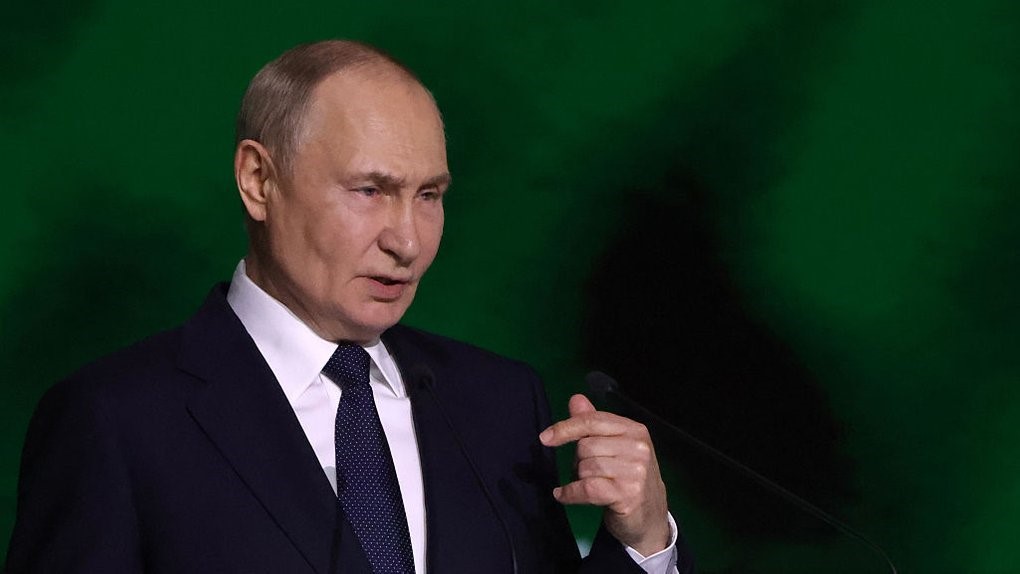
The Kremlin’s tradition of concealing its motives and its activities, including personal ones, only further emphasized the incomprehensibility of the Russian president’s motives.
For all these reasons, it is very difficult for the global political community to make any predictions about Putin and answer the question: what does he really want?
What do you want, Mr. Putin?
But, given most of the signs and, in essence, the lack of adequate reasons for war in Ukraine, the illegitimate president is still dreaming of imperialist ideas.
However, it is worth considering whether his ambitions are limited to restoring Soviet greatness, or whether they are broader in scope and include European ambitions.
The fact that he is terrorizing Europe with drones may not be just an attempt to “keep the West on edge,” but rather direct reconnaissance in force. And the fact that Europe and NATO simply swallowed such a slap in the face is actually very worrying, because it raises the question: what red lines must Putin cross to face a tough response, and do these red lines even exist?
For example, NATO Secretary General Mark Rutte said:
“… stop violating the airspace of our allies. Know that we are ready, that we are vigilant, and that we will defend every inch of NATO territory.”
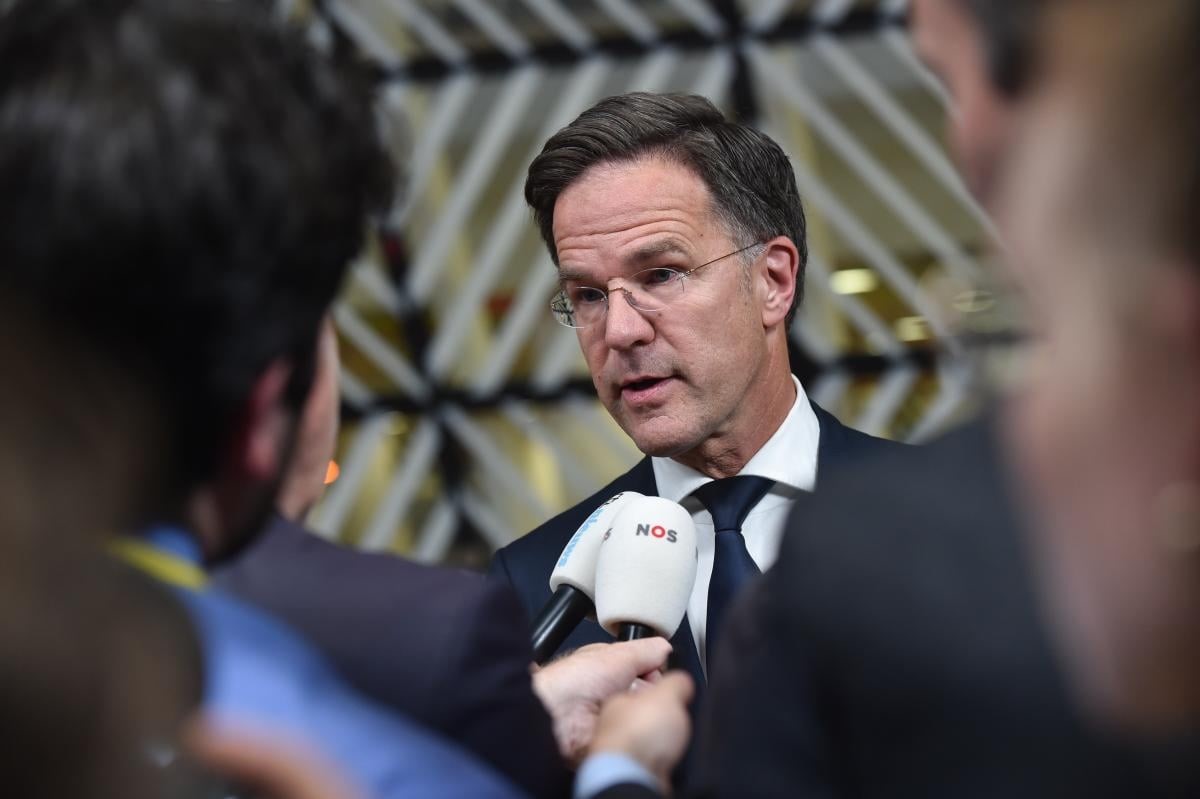
However, it is unclear whether such threats will remain mere words, because, judging by all appearances, NATO fears escalation, while Putin does not.
Political zugzwang
A major factor in this agenda is the fact that Putin has long been in a situation where continuing the war is the only guarantee of his hold on power, and perhaps even his life. Therefore, if he ends the war in Ukraine, he will simply not allow Russian society to recover and may continue his military expansion further.
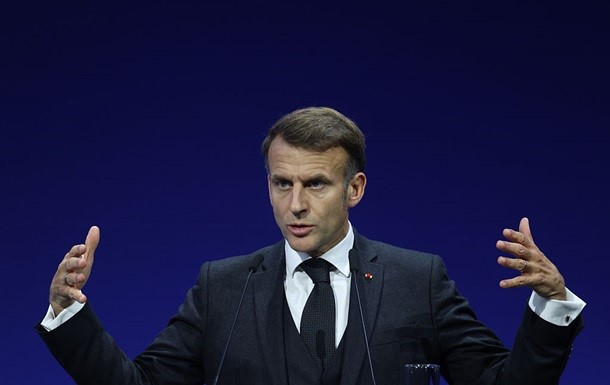
This point of view was expressed, for example, by French President Emmanuel Macron:
“Russia has become — at the moment I am speaking to you, and for many years to come — a threat to France and Europe.”
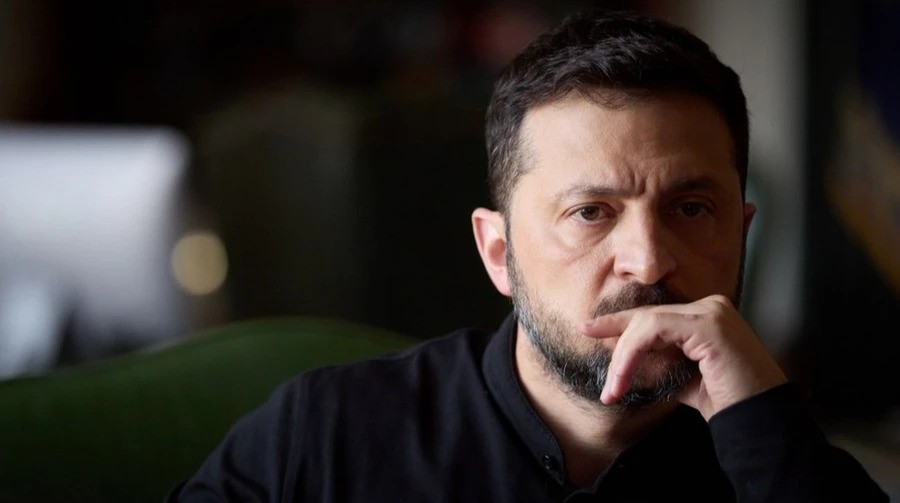
In turn, President Zelensky also noted the possibility of such a threat. He said that it is quite possible that Russia will open a second front against another European country before the end of the war in Ukraine:
“I believe so. He can do it. We must forget about the general European skepticism that Putin first wants to occupy Ukraine and then may go somewhere else. He can do both at the same time.”
Why will Putin continue the war?
There are several reasons why it is beneficial for the dictator to continue the war:
- Mobilization and consolidation of society. An external threat helps to unite the population, reduce internal criticism, and distract attention from internal problems. This strengthens “patriotic” sentiment, forcing people to focus on the external enemy rather than the shortcomings of the government.
- Suppression of the opposition and control over society. War provides an excuse for increased repression, restrictions, censorship, and the replacement of stable civil control with “war rhetoric,” which strengthens the authoritarian regime.
- Material and elite benefits. The military budget, contracts, control over resources, the influence of the security forces: those close to the government benefit directly from the war and have an interest in it continuing.
- Discipline and fear. War maintains an atmosphere of fear and uncertainty, which makes people less inclined to protest, criticize, and demand change.
What conclusions can be drawn?
All this suggests that if Putin does agree to peace agreements with Ukraine, it will only be so that he can later focus his forces on Europe, since even the Russian military machine may not be able to withstand fighting on two fronts, in Ukraine and Europe.
Therefore, it would be very naive to expect that this man, raised in the worst traditions of the KGB, will actually seek peace and lead his country into a bright and free future. Most likely, we should expect a war: a long, exhausting, and meaningless one.
Because where hands are covered in blood up to the elbows and there is no forgiveness, there is no point in ending the slaughter, and all that remains is to plunge headlong into the blood.