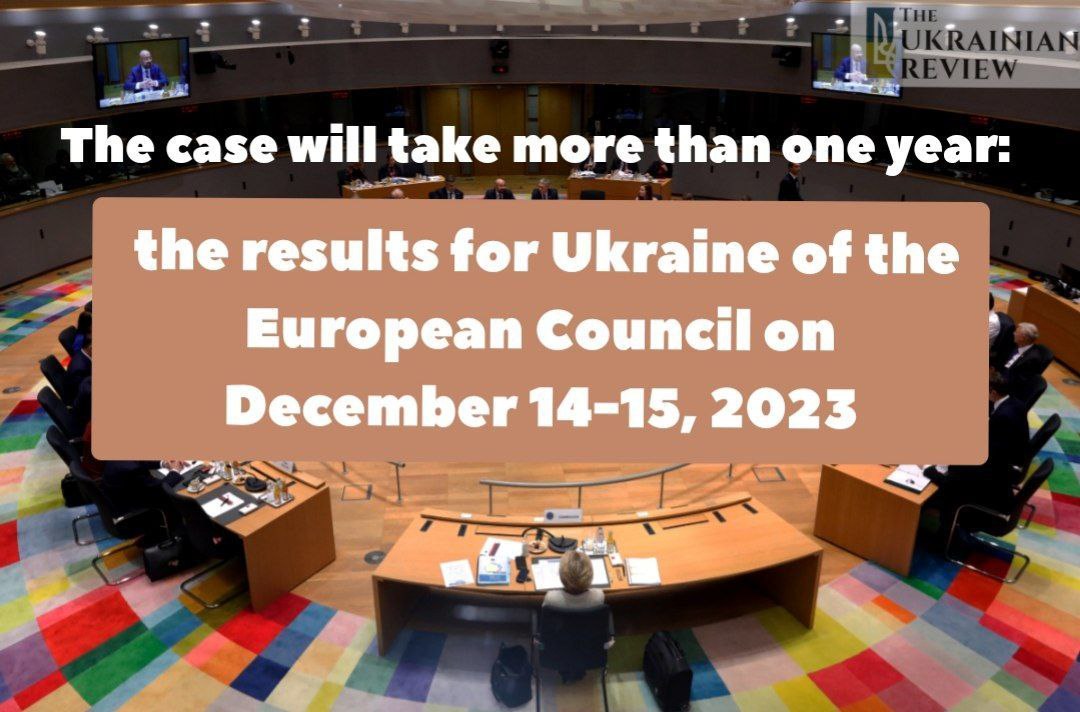


From December 14 to 15, 2023, the European Council was held in Brussels, where the leaders of 27 EU countries met. Several issues were discussed at it, including further actions regarding Ukraine.
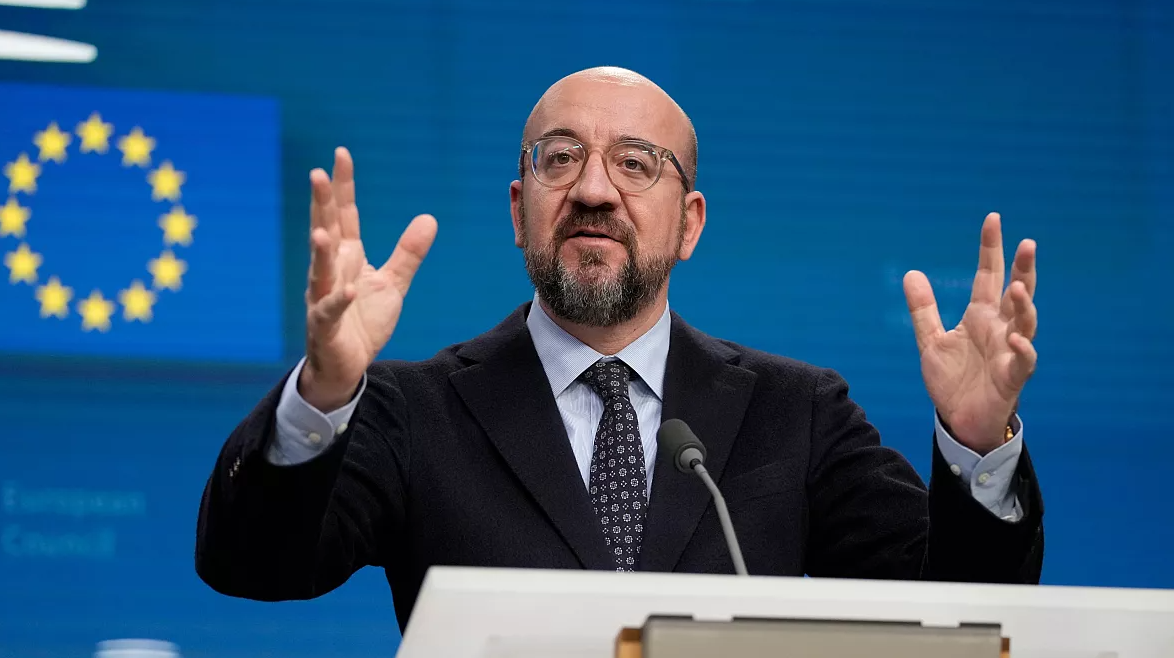
“24 February 2022 marked a turning point in Europe’s history. Since the outbreak of war on our continent, we have taken some unprecedented decisions in support of Ukraine and to strengthen in parallel Europe’s sovereignty. Twenty-one months on, we are faced once again with the need to take bold decisions. They require our collective strength and determination, and the audacity to make the right choices”, – was written in an Invitation letter by President Charles Michel to the members of the European Council
We summarized the results of this meeting for Ukraine and discussed them with our experts. In particular, they found out why Hungary is still a silent ally of Russia in the European political arena.
Results of the European Council
Already on December 15, 2023, the results of the European Council became known. The loudest news was that Hungary blocked the allocation of an additional package of financial aid for € 50 billion for Ukraine. These funds were supposed to go to Ukraine within the framework of the special mechanism Ukraine Facility during the years 2024-2027, of course only after the vote of the EU countries.
The decision on the allocation of funds had to be made at the council itself, with a unanimous “yes” vote. However, Hungary vetoed this decision, and therefore it did not receive the necessary 27 votes. Because of this, they decided to convene an emergency summit in early January 2024, where they hope to resolve the issue of changes to the EU budget.
“We have various tools to ensure that Ukraine can count on our support. There is a strong political will of 26 leaders to adopt this mega package. And this is the signal we want to send to Ukraine,” – said Charles Michel, President of the European Council.
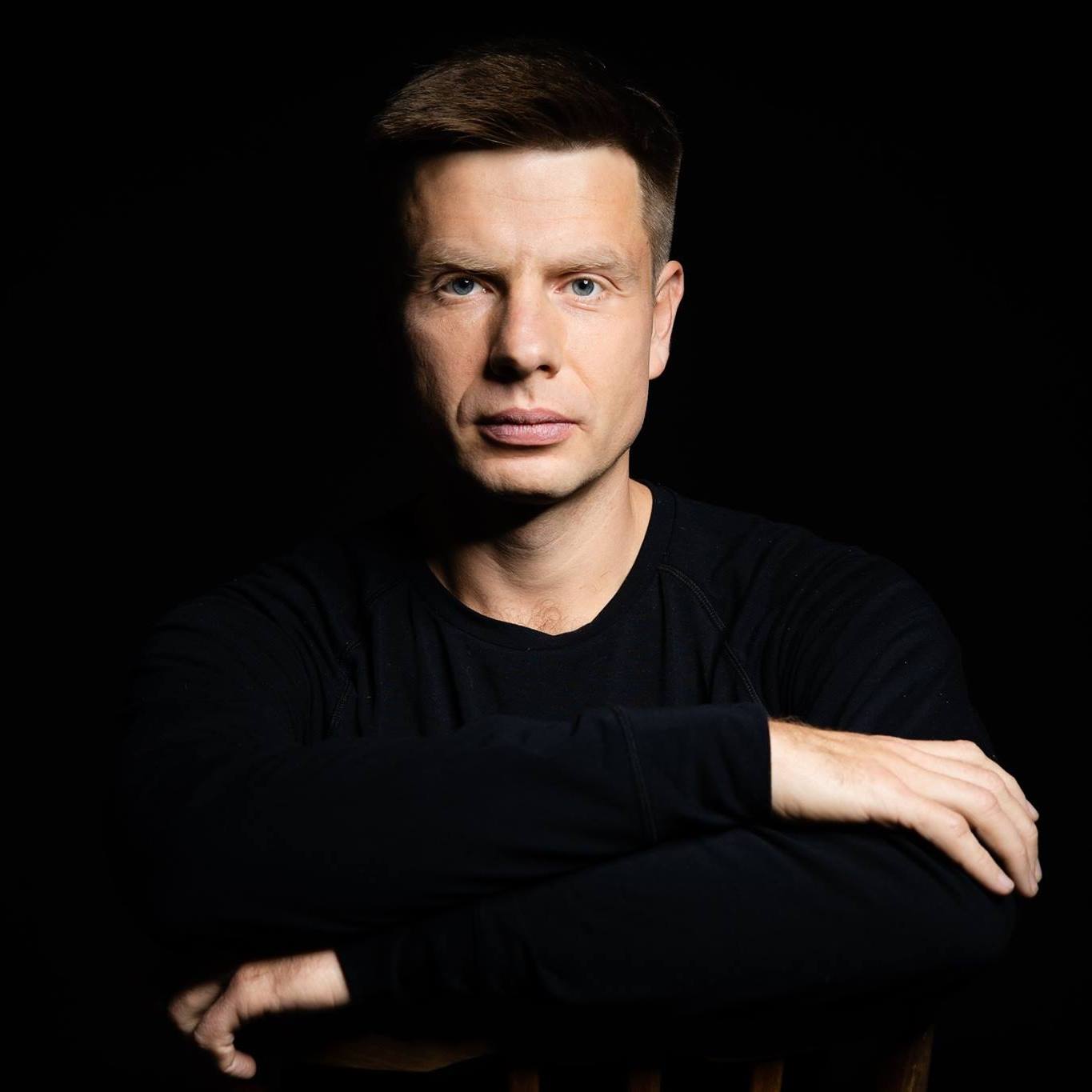
We spoke with Oleksiy Goncharenko, a member of the Verkhovna Rada of Ukraine, a member of the Ukrainian delegation to PACE, and vice-president of the PACE Committee on Migration, Refugees and Displaced Persons, and asked whether the blocking of European aid would greatly harm Ukraine.
“It has already been stated that if Hungary does block the decision on €50 billion of aid, and you can have no doubt that Orbán will definitely do it, the EU has a plan to provide this aid anyway. It is nonsense for one country to constantly paralyze the work of the entire European Union. Given the fact that our economy is now completely dependent on the money of our Western partners, blocking any solution will have a bad effect on Ukraine. But we must finally understand that this help will not last forever. Our partners expect, and the Americans and Europeans have already openly stated this, that they will gradually reduce aid in order for Ukraine to become more independent, for Ukraine to carry out reforms and changes in the state become less dependent on partners. And we must finally understand this and start thinking strategically about how to build the economy in the conditions of a full-scale war”, – Oleksiy Goncharenko.
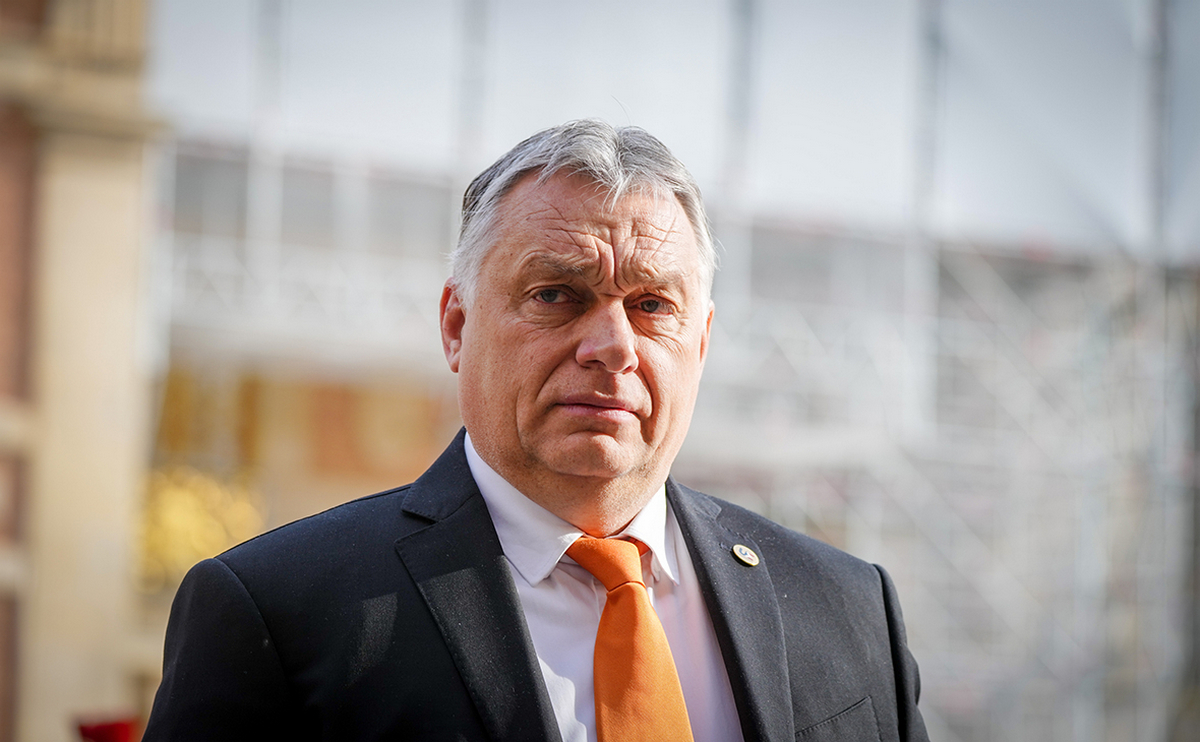
Another truly historic decision was the decision to start negotiations with Ukraine and Moldova on joining the European Union. 26 leaders of European states voted for this decision, while Hungarian Prime Minister Viktor Orban left the hall during the voting and his vote was counted as an “abstention”.
“Membership of Ukraine in the EU is a bad decision. Hungary does not want to participate in this bad decision,” – later commented on what happened.
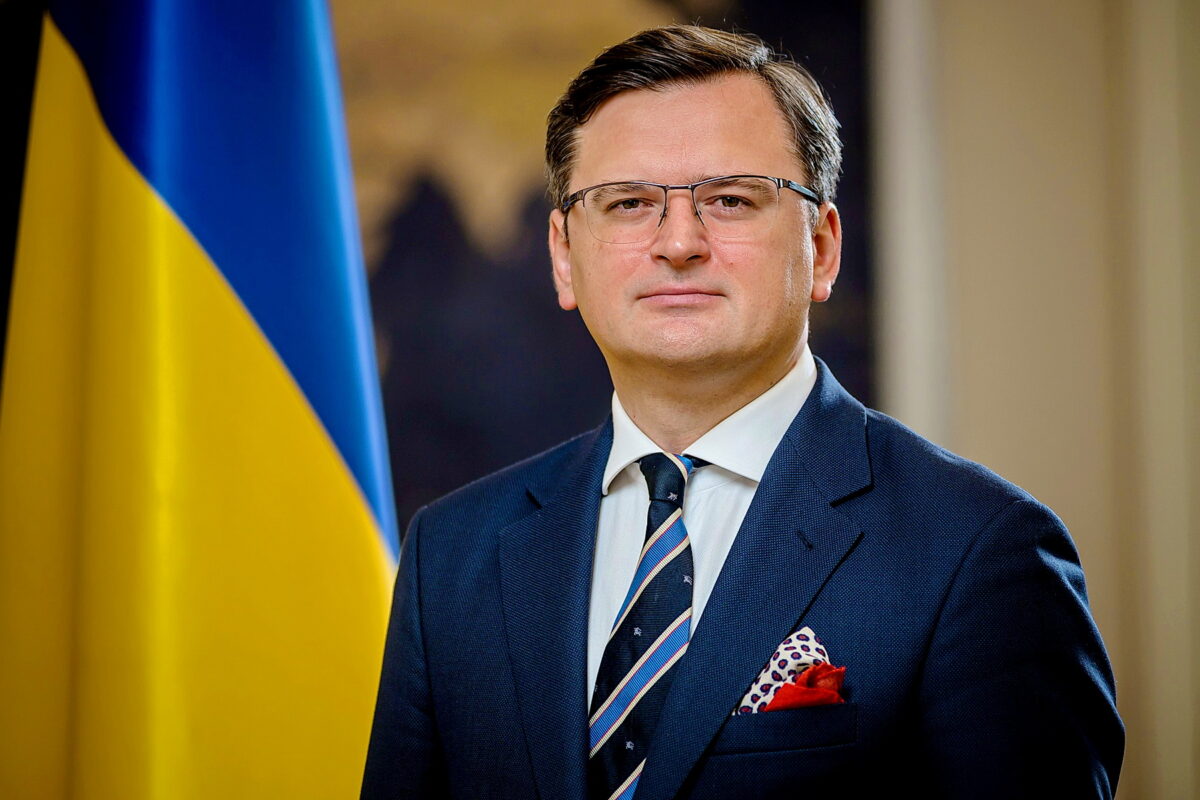
Instead, the Ministry of Foreign Affairs of Ukraine reported that this decision is truly historic for Ukraine and wrote:
“The Ministry of Foreign Affairs of Ukraine welcomes the historic decision of the European Council to open negotiations on Ukraine’s accession to the European Union, adopted in Brussels on December 14… [2023]. Ukraine’s membership in the EU is the security and prosperity of the whole of Europe. Nothing will stop our country on its way to joining the European Union. We are grateful to our partners who contributed to this important decision”, – Dmytro Kuleba.
Oleksiy Goncharenko emphasized that this is a very important event for Ukraine, but the negotiations may last for years. The country has to implement many changes to achieve the desired result: “It is important to understand that accession negotiations are the most important, but at the same time, the most bureaucratic part of the process. And it will take more than one year. We have to get ready for a long and difficult job: overcome corruption and nepotism not on paper, but in reality, demonstrate the real results of reforms that will save the economy, and not just wait for help from partners. This process will be an indicator of our maturity as a state. We have already been told that they are waiting for us in the EU. Now it is our responsibility to demonstrate through reforms and actions that we want to become part of the European Union.”
EU leaders also called on the Commission to speed up work with member states in order to further develop the capacity of EU-Ukraine solidarity lanes on all routes.
“There are two main things to remember here. First, the ways of solidarity are a temporary solution as a reaction to the blockade of the Black Sea ports. And unfortunately, no land routes can provide the volumes that sea exports provide. Secondly, we must understand that despite the solidarity of European countries with Ukraine, which is fighting for its existence and the existence of the whole of Europe, each state will put its interests, including economic interests, first. In economic terms, if any EU country considers Ukraine to be its competitor – in the agricultural or any other sphere – then this country will block the border, ask the European Commission to ban the import of these goods, and will use all levers to protect its economy. Because politics is separate, the economy is separate. And we must be ready for this in the future when we hold negotiations on accession, and even more so when we become members of the EU,” – Goncharenko commented.
Work is still ongoing to find out how EU countries can legally transfer frozen Russian assets to Ukraine. They want to transfer them in order to support Ukraine in its recovery and reconstruction.
The leaders called on all states to sign and ratify the Ljubljana-Hague Convention, an agreement that covers international cooperation in the investigation and prosecution of international acts such as genocide, crimes against humanity and war crimes. By the way, “The Ukrainian Review” recently published an interview with Ambassador-at-Large of the Ministry of Foreign Affairs Anton Korynevych about how Ukraine is fighting Russia at the UN International Court of Justice in The Hague.
The 12th package of sanctions was approved: key features
On December 18, 2023 the European Council adopted the 12th package of economic and individual sanctions against Russia. They included:
- Ban on import of Russian diamonds
This is a ban on the direct or indirect import, purchase or transfer of Russian diamonds. It applies to diamonds originating in Russia, exported from Russia, transported by Russia, as well as to Russian diamonds processed in third countries.
- The exemption for Russia will be canceled
This decision requires EU exporters to introduce a contractual ban on re-export to Russia and re-export for use by Russia of particularly sensitive goods and technologies, during trade, supply, transfer or export to third countries, excluding partner countries. This applies to prohibited items used in Russian military systems.
- New measures of import and export control
Added and imposed restrictions on 29 new institutions of third countries to the list of those that directly support the Russian military-industrial complex. The list of prohibited goods that can be used for the technological development of the Russian defense and security sectors has been expanded – chemicals, thermostats, electric motors, etc.
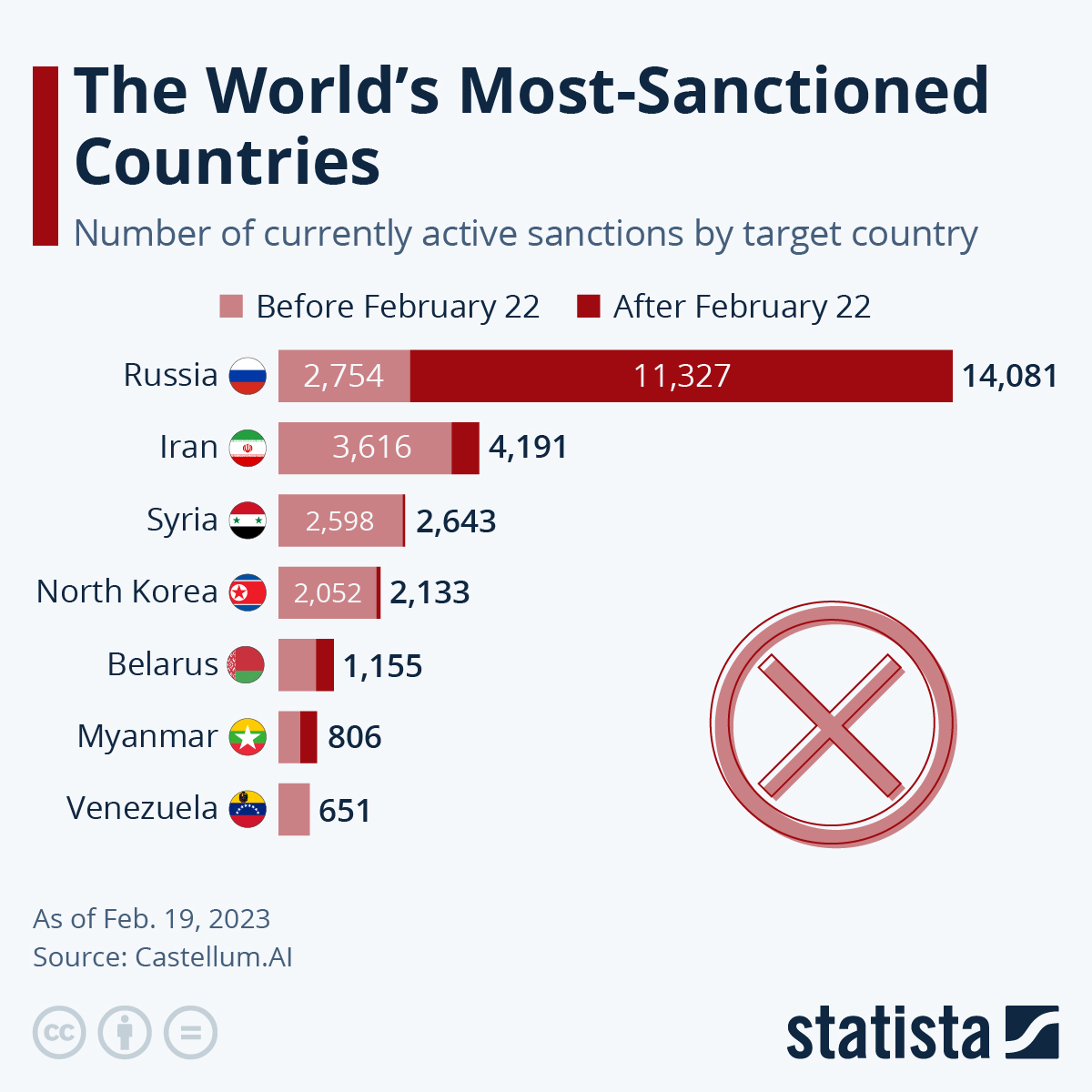
Also, the EU introduces stricter control over the observance of the maximum limit on the price of Russian oil, and introduces a ban on the export of Russian metals and steel.
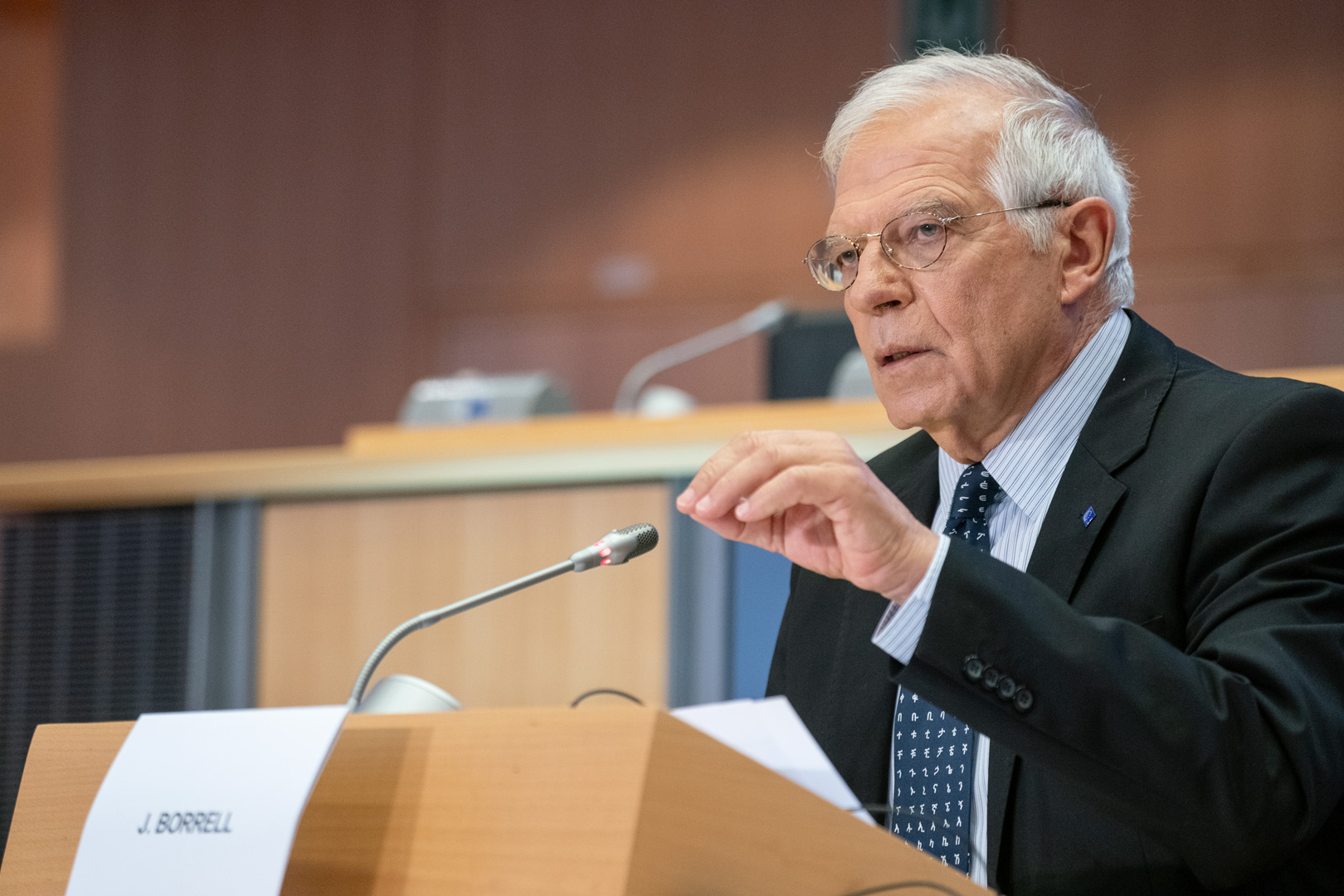
“With this 12th package, we are putting forward a robust set of new listings and economic measures which will further weaken Russia’s war machine. Our message is clear, as I already stated when I chaired the informal Foreign Affairs Council in Kyiv: we remain steadfast in our commitment to Ukraine and will continue to support its fight for freedom and sovereignty”, – said Josep Borrell, High Representative for Foreign Affairs and Security Policy.
“Of course, we all really want Russia to be isolated from the civilized world as soon as possible, including economically. But the reality is that the process of implementing sanctions is very bureaucratic and slow. While diamonds are being included in the sanctions lists, Russia is constantly working on how to circumvent the already existing sanctions. And this is a constant game of preemption: the EU accepts sanctions packages, Russia looks for opportunities to circumvent them. It is necessary to constantly strengthen sanctions and put as much pressure on Russia as possible”, – Oleksiy Goncharenko.
Is Hungary a puppet of Russia or an independent player?
We asked the political scientist, head of the Center for Analysis and Strategies (CAST) Igor Chalenko, about why Hungary blocked the decision to provide Ukraine with an additional financing package. In particular, we were interested in whether this is an attempt by Orbán to blackmail the EU so that they pay money to his country that was previously frozen.
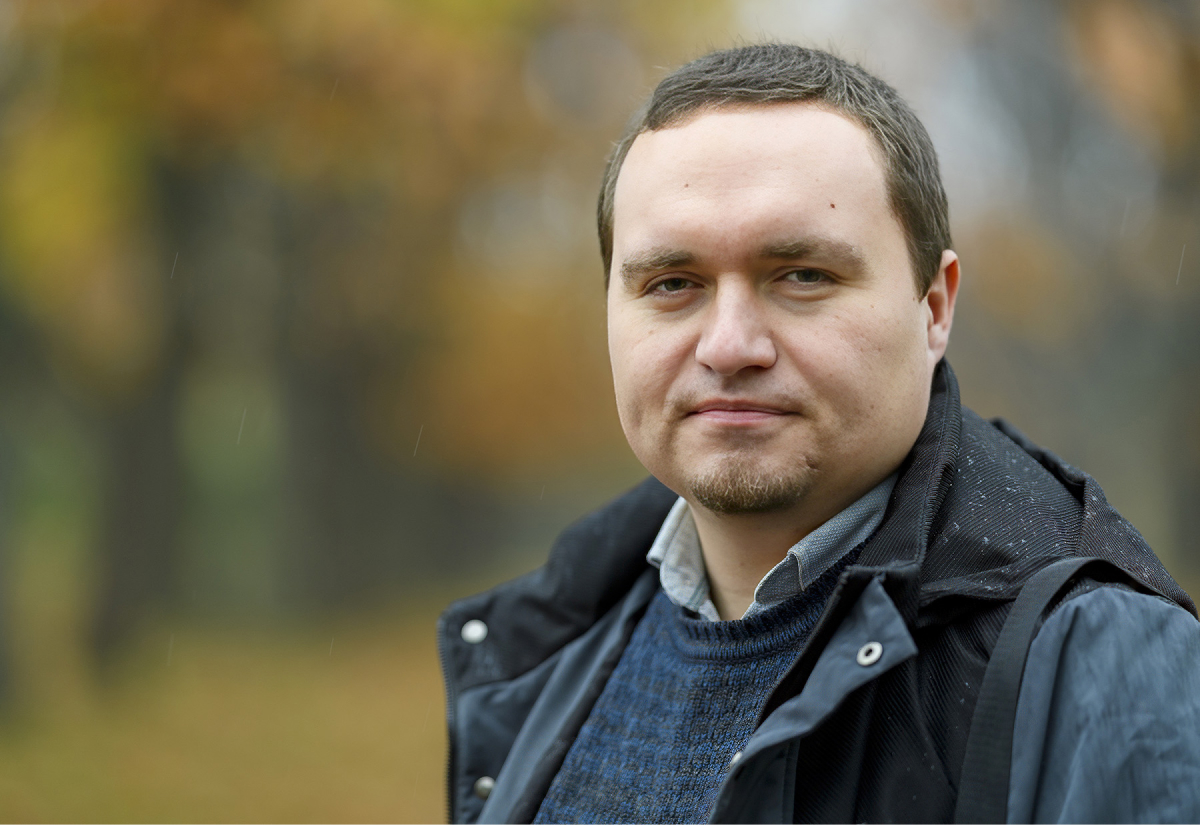
He answered:
“Last year, sometime in December, there was a decision to block €22 billion for Hungary as part of the cohesion policy. This is an equalization tool, where the European Union helps donor countries to raise their level to the average European level. By the end of 2023, this amount, which should have been paid to Hungary, increased, they started talking not even about €30 billion, but already about €33 billion. This is already a question of calculations between Hungary and Brussels directly. But the bottom line is that Hungary is really using the topic of Ukraine to withdraw funds that are blocked at the level of the European Union in line with this program.”
He said that the blocking happened because Hungary has a critically low level of the rule of law. There are big problems with bribery and, in general, they have problems with the observance of pan-European values. But Hungary made changes, carried out a certain reform of the judiciary during this year, but did not bring the procedure to a logical conclusion.
“However, we have recent decisions of the European Commission to unlock €10 billion, just in line with this cohesion policy. A few weeks ago, as a certain element of the negotiation process, about €900 million of money was unblocked for Hungary under another program. There, these funds were associated with recovery from the coronavirus pandemic. That is, the “gingerbread” policy is currently in effect, which is being continued by Brussels towards Hungary. Although Baláš Orbán, who is an adviser to the Prime Minister of Hungary, stated directly that they are only interested in €30 billion and nothing else. Of course, the negotiations continue. And that’s why Hungary will continue to use the topic of Ukraine,” – he added.
He added that he sees increased risks regarding the upcoming extraordinary summit of the European Council, which, as announced by Charles Michel, will take place on February 1, 2024. Because in Hungary until January 10, 2024 there is a national survey, which was started in mid-November 2023. Viktor Orban asks his fellow citizens 11 questions about the European Union, and four of these questions concern Ukraine. One of these questions sounds something like this: “Do you agree to allocate €50 billion to Ukraine if Hungarian funds are not unblocked?” That is, it is clear that after January 10, 2024 Orbán will already have the results of this survey, and we can already predict the results and appeal to the European community that without complete unblocking, his position will not change.
“First of all, it is very good that the principled position on the creation of the Ukrainian Fund “Ukraine Facility” was approved. This is very important, but the question is what to fill it with. The primary position was that changes would be made to the seven-year budget of the European Union, which is prescribed until 2027, and thus the corresponding expenses would be included in this general budget. But Hungary’s position now shows that, if nothing changes, the veto will not be lifted. I still think that there will be a compromise – 10 billion euros have been allocated to them now, and a couple of billion more will be thrown at them, roughly speaking, somewhere up to 15 and they can, in principle, come to some kind of compromise solution.
Everything will depend directly on Orban and how much he wants to receive these funds, and not do the bidding of Moscow. It is clear that in the matter of blocking Ukraine’s European integration, there is also a Russian order, in which Orban is also interested. That is, he is now trying to sit on two chairs and knock out European funding, but at the same time fulfill this geopolitical order from Moscow.”
In connection with this behavior of Hungary, which is already called “abuse of the right of veto”, the EU is considering various options for the development of events. In particular, the leaders of the European Union countries allow the possibility of depriving Hungary of the right to vote by applying Article 7 of the EU Treaty of 2007, which may lead to the termination of the country’s right to vote due to a violation of European legislation.
Igor Chalenko commented on the probability of this move as follows:
“I think that this will be an extreme option for Hungary and it is very long-term. During the period until this procedure is launched following Article 7 of the EU Treaty, Hungary can still do many unpleasant things. It seems to me that a qualified majority in the European Union will provide the appropriate votes for the restriction of the right to vote by the official Budapest. However, many countries are currently thinking that it is not necessary to open this Pandora’s box now, to strengthen Euroscepticism within the European Union. Therefore, they will try to put pressure on Hungary and Orbán with a financial plan so that he agrees with the policy that prevails directly in the Union.”
In his opinion, if this happens, it is clear that it will be an incentive for Hungary to leave the European Union. Plus, Orban even compared the EU with the Soviet Union, saying that the EU is worse. A certain ideological base is already being prepared for such future actions.
“Plus there were statements in previous years about the possibility of a similar step for Hungary, for example, as Great Britain did. That is, Brexit with a Hungarian flavor. But it’s just at the level of words, because Great Britain is one thing, Hungary is another. It remains a truly subsidized country, which today does not have enough opportunities to feel self-reliant. It needs the internal European market, and today it will not want to leave the EU.”
We also wondered why Hungary maintains such close political ties with Russia. The political expert found an answer to this as well:
“Hungary receives a lot of economic profit not as a state, but as a way of earning money for Orbán and his entourage in the energy sector. By pipeline delivery of Russian oil and gas, they get good opportunities to really make a very good profit on this marginality and on the further processing of the corresponding energy carriers. But it is no longer about Hungary as a country, but about Orbán’s immediate entourage, which simply turned Hungary into a corporation from which it simply wants to make profits.”
This was very clearly expressed the other day with the scandal with Bulgaria, the southern thread of the gas pipeline from the Turkish stream to the Balkans passes through it – it is a detour. If the transit of Russian gas through Ukraine stops in 2024, gas will be delivered to Hungary through Bulgaria. The country has previously taxed this Russian gas at around $11 per MW and Hungary has said it will not allow Bulgaria to enter the Schengen zone unless it waives the tax. Therefore, Bulgaria took a step back. This shows how important the topic of the economic and energy umbilical cord, which is currently present with Russia, is for Hungary.
“There are also ideological connections and a general vision of the world. Hungary, like the Russian Federation, has the phantom pains of the imperial period for lost territories. That is, Putin’s logic is understandable and close to Orban, and it is obvious that he does not feel confident directly in the European Union with current standards. It would be easier for him to join BRICS or some renewal of the organization of the Warsaw Pact, or where various integration or interstate organizations are being built today with the participation of the Russian Federation.”
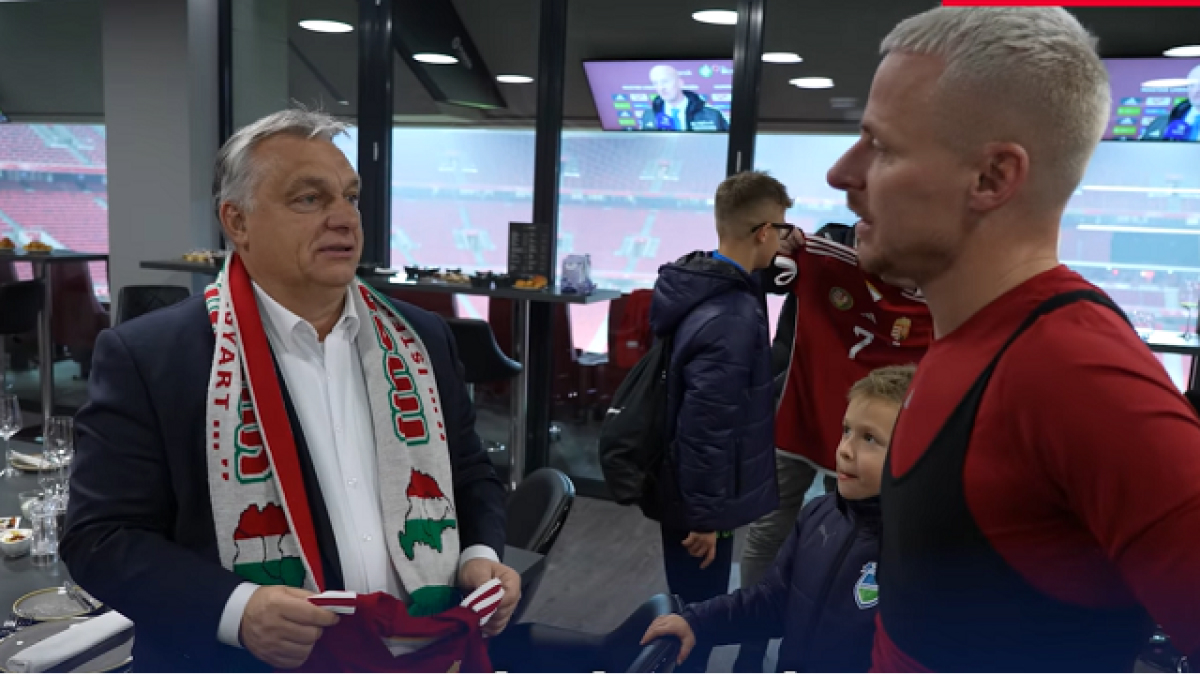
In his opinion, Hungary has a desire for a number of territorial countries, because as a result of the First World War, they lost ⅔ of their territory. And now, in fact, Hungary wants to annex all these territories, including Ukrainian Transcarpathia, under certain conditions. It is not for nothing that Orbán at the congress of his Fidesz party, as well as his entourage, like to be photographed or wear scarves with a map of Great Hungary. There is an ideological point here, but I think from a short-term point of view, economics is more at play here.
“What is the essence of Orban? What does he want? He wants to preserve the current autocracy, not to fulfill the demands of the European Commission and other representatives from Brussels, but at the same time he wants to receive the entire amount of funds from the EU today. He cannot be allocated this entire amount of funds, because then the question of values in the EU will collapse. The other 26 member countries will have the question that it is possible to violate the rule for a certain period, to wait, to hear a lot of good words about values, but in the end to come to an agreement and return everything to the way it should have been. Therefore, from a political point of view, Hungary simply cannot fully open these funds that have been blocked. A part can be given, but certainly far from all, because Hungary did not fulfill all the recommendations that were given from Brussels”.
But they want better relations with Ukraine. Igor Chalenko believes that they are in a very unpleasant stage, but at the same time there is an effort today to restore stable contact at the level of leaders. There was a conversation between Andrii Yermak and the Minister of Foreign Affairs, Mr. Sijarto, regarding the need to organize a meeting between Zelenskyy and Orban. Of course, they met at the inauguration in Argentina and had the opportunity to exchange a few words, but it is obvious that this is not enough. Now we need a stable connection with Hungary, because Ukraine does not in any way take the negative steps of which we are accused by official Budapest.
“We have no problems with the Hungarian national community, which has about 156 000 Ukrainian citizens, of which 153 000 live compactly in Transcarpathia. On the contrary, the Verkhovna Rada recently adopted changes to the language and educational legislation, which strengthened the rights of the national communities of the EU countries and, apparently, Hungary as well. I want to note that Ukrainian Hungarians directly tell Orbán that there are no problems here, but it is clear that for Orbán this topic is one of the conceptually ideological ones on which his internal Hungarian mythology rests. “There are all enemies around, but only he protects the country” – and his enemies are the USA, Soros, Brussels, Ukraine and many others. Orbán has close contacts with the Republican Party of the USA, that is, his pragmatism and cynicism in politics goes everywhere”*.
*It is worth noting that Orbán has good relations with the Trumpists. In Budapest at the end of 2022, the author of the theory of offensive realism, which describes the interaction between great powers as being primarily driven by the rational desire to achieve regional hegemony in an anarchic international system, John Mearsheimer, gave a lecture. In 2023, the controversial journalist and former Fox News host Tucker Carlson made a public visit to Hungary – ed.
Summarizing, he explained that there are currently opportunities to improve bilateral relations and this should be done, but Ukraine today is not the reason why our relations are actually deteriorating. We are doing everything to have good neighborly relations between us, as between neighboring countries and members of the European community.
Total figures for EU aid to Ukraine since the start of the full-scale invasion
The European Union quickly reacted to the beginning of a full-scale invasion of Ukraine not only with political statements, but also with military, financial and humanitarian aid. From February 24, 2022, the EU and its member states allocated €85 billion to Ukraine. Of them:
- more than €31 billion of financial, budgetary and humanitarian aid;
- €17 billion to support refugees in the EU;
- €27 billion for military support;
- €9.4 billion in grants, loans and guarantees provided by EU member states.
In addition to finances, Ukraine received support in the trade sphere, in particular, temporary trade liberalization and other trade concessions for some Ukrainian goods. Also, the establishment of U-Ukraine solidarity lanes, through which we now export our grain and other agricultural products.
Almost 16 million people received humanitarian aid in Ukraine thanks to the EU and other donors. All EU countries, as well as Iceland, North Macedonia, Norway, Serbia and Turkey, still provide Ukraine with material aid, such as medical supplies, electricity generators, shelter items, etc.
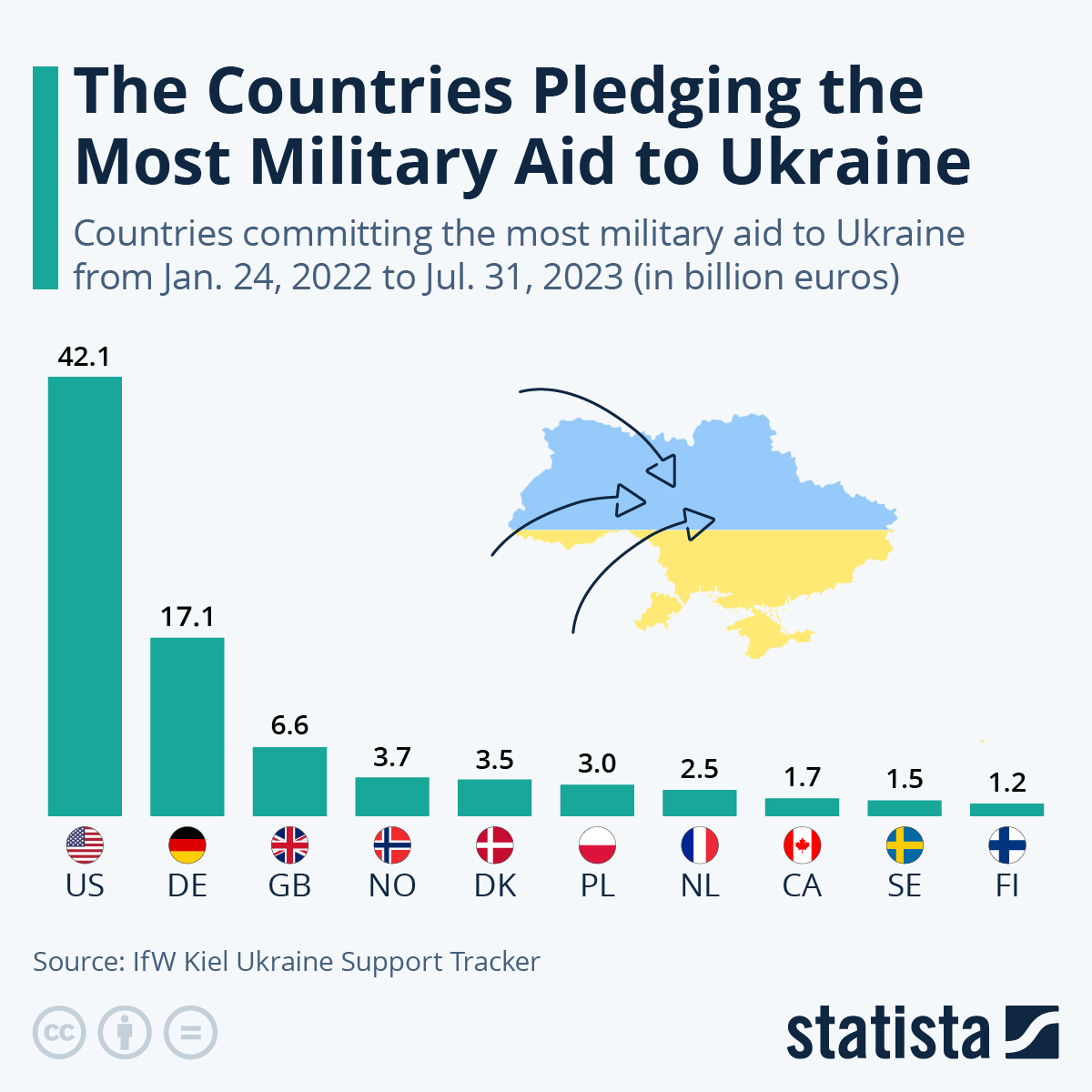
About 40,000 Ukrainian soldiers will undergo military training by the end of 2023. Most EU countries regularly provide us with military hardware and equipment to help us defend our borders.
The EU has provided shelter for 5.9 million Ukrainian refugees and provides them with the necessary living conditions. He also supports the investigation of Russia’s crimes in the war with Ukraine in all possible ways. Work on the creation of the Special Tribunal is currently underway.
The results of the European Council turned out to be quite favorable for Ukraine. The historic decision to start negotiations on joining the EU reminded the enemy that most of the world is on the side of Ukraine and expresses its unconditional support. Hungary is still a gray player and a pawn of Russia, which negatively affects its reputation and calls into question its political authority. The most predictable thing is that the 12th package of sanctions will not be the last and Moscow will suffer even greater losses in the future.
Tetiana Stelmakh