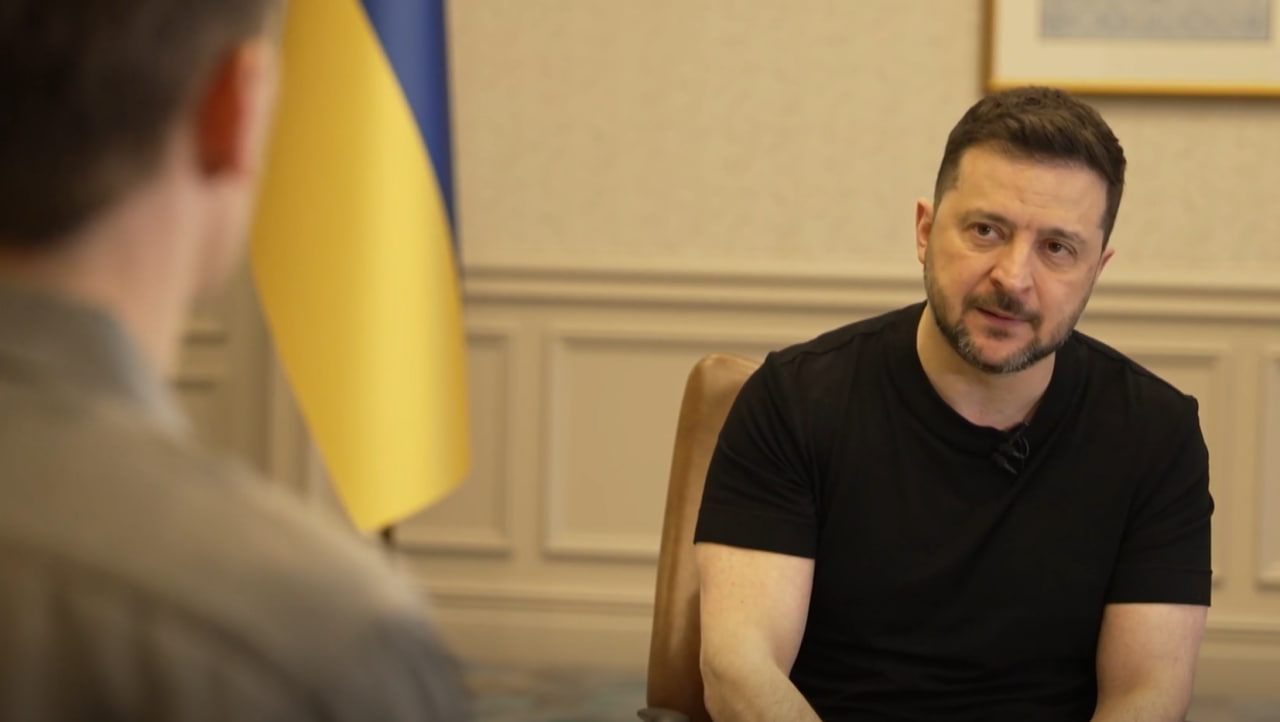


Ukraine’s Foreign Minister Andrii Sybiha said drones have become a key resource in the war against Russia. He also stressed that weapons deliveries to Ukraine continue despite escalation in the Middle East.

Drones as Ukraine’s “oil”
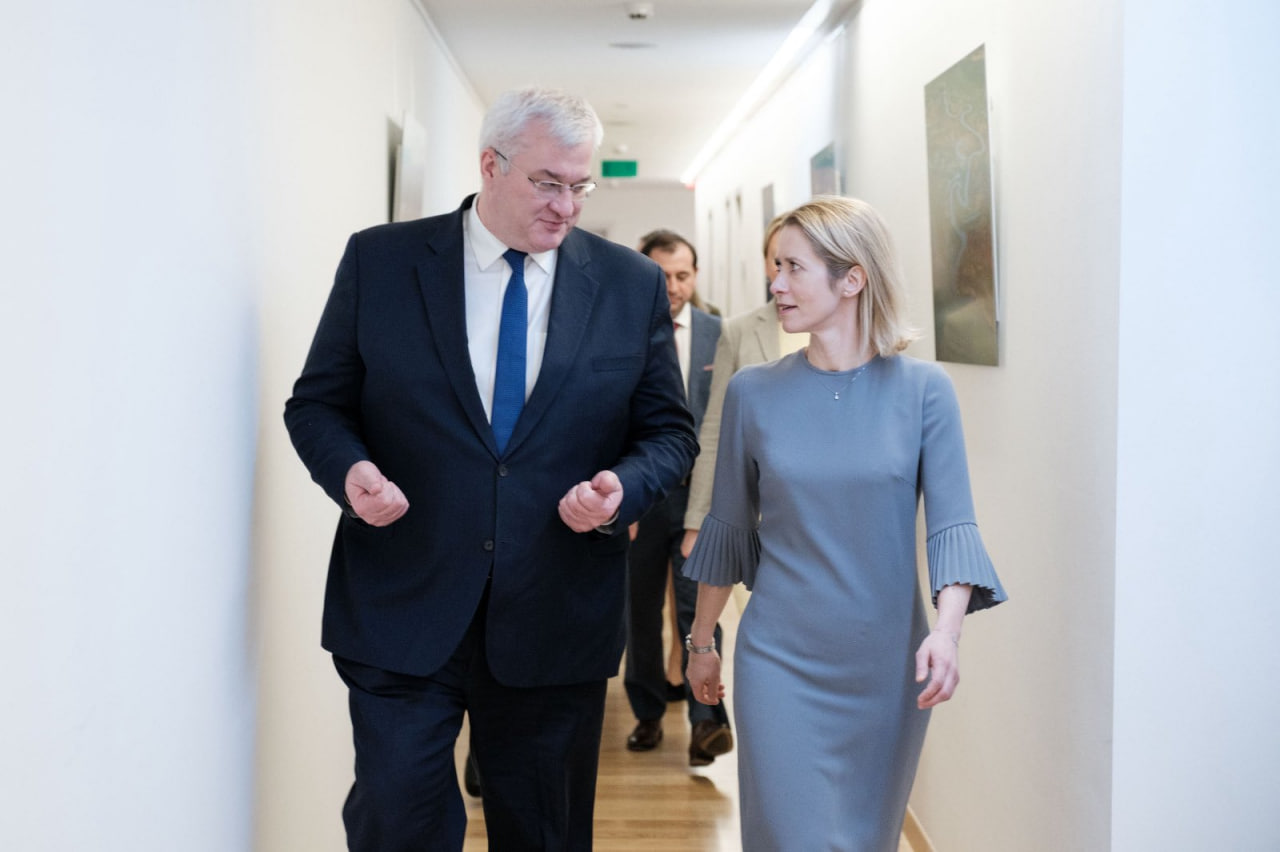
Sybiha made the remarks in an interview with Ukrinform after the G7 foreign ministers’ meeting, which Ukraine also attended. The summit took place on March 26–27 at Abbaye des Vaux-de-Cernay.
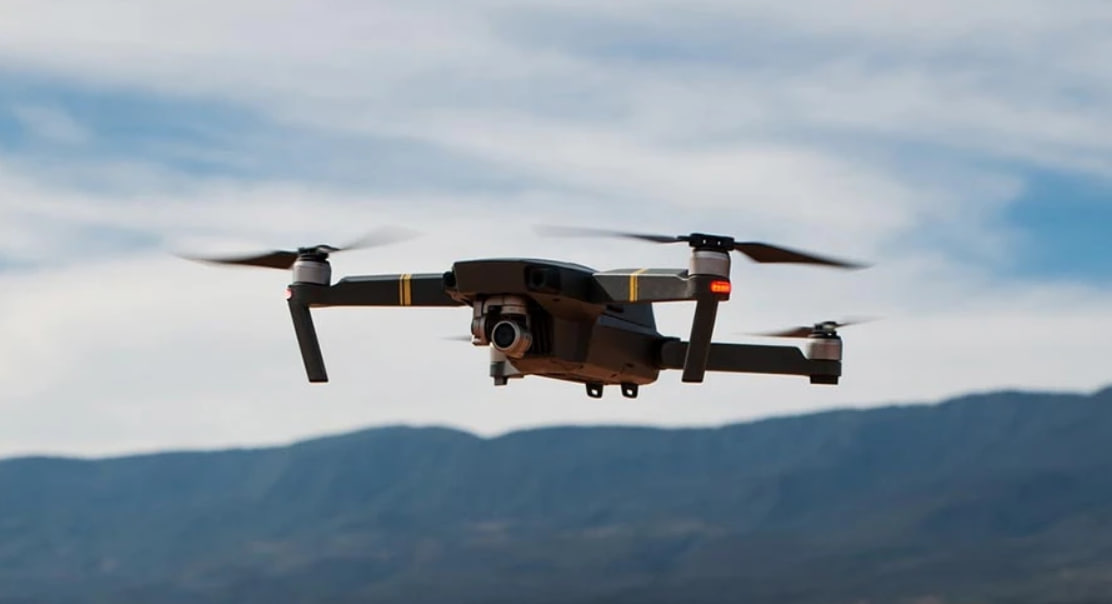
He said Ukraine is actively expanding domestic drone production and improving counter-drone technologies against Russian systems. According to him, Ukraine has offered Middle Eastern countries not just support, but a full-fledged security solution. This, he added, is strengthening Ukraine’s international standing and giving new meaning to its agency.
“We have unique military capabilities, and this is our geopolitical tool. Our drones and counter-drone systems are essentially our Ukrainian ‘oil’,” Sybiha said.
He described drones as a strategic resource that Ukraine must convert into a clear national interest to strengthen both its military and economy. He added that this approach could help bring a long-term peace closer.
Weapons supplies to Ukraine
Sybiha said no equipment intended for Ukraine has been redirected elsewhere. Concerns had emerged due to the escalation in the Middle East.
“At the level of Secretary of State Marco Rubio, it was stated that nothing has been redirected from this program to other regions, and no equipment intended for Ukraine has been reassigned,” he said.
He also noted that another country will join the PURL program and contribute to strengthening Ukraine’s air defense.
Sybiha added that Ukraine will host the Bucha Summit on March 31, where participants plan to ratify an agreement on establishing a Special Tribunal for the crime of aggression. According to him, another “very serious country” has confirmed its participation.
Russia’s “shadow fleet”
Sybiha also addressed Russia’s “shadow fleet” – a network of tankers used to bypass international sanctions and export oil. He said participants at the summit discussed banning maritime services for vessels linked to the shadow fleet. Despite price volatility linked to the Strait of Hormuz situation, pressure on Russia must continue.
According to Sybiha, sanctions should also target Russia’s port infrastructure, including ports that enable illegal oil shipments or the export of stolen Ukrainian grain. He stressed that this issue remains on the agenda.
“Options are being explored to apply these tools as effectively as possible and raise the cost of continuing aggression for Russia,” he said.
He added that individual countries can adopt decisions at the national level, as long as they comply with European Union law.
Earlier, The Ukrainian Review reported that the United Arab Emirates is ready to join a multinational maritime mission to restore shipping through the Strait of Hormuz and is working to build a broad international coalition to protect it.