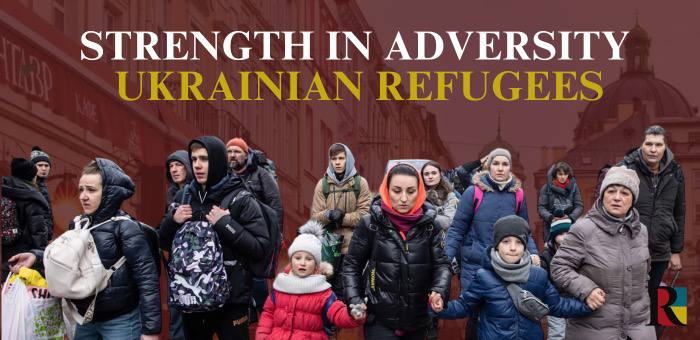


Since the onset of Russia’s full-scale invasion of Ukraine in February 2022, millions of Ukrainians have sought refuge in various countries across Europe and beyond. This massive displacement has been accompanied by a concerted effort from Russian propaganda to discredit Ukrainian refugees, spreading narratives aimed at tarnishing their image. However, the reality of Ukrainian refugees’ experiences and their contributions to host societies tell a very different story, one of resilience, integration, and positive impact.
The Ukrainian diaspora has faced numerous challenges in their host countries, ranging from adapting to new cultural environments to overcoming economic hurdles. Despite these obstacles, Ukrainian refugees have consistently demonstrated a strong willingness to integrate and contribute to their new communities. In this article, we will look at how Ukrainians are viewed in different countries on different continents: in Poland, Serbia, Germany, France, and the USA.
Challenging Negative Stereotypes
One of the pernicious narratives spread by Russian misinformation is the portrayal of Ukrainian refugees as burdensome, either through bad behaviour or as a strain on the resources of host nations. Dmytro Shevchenko, the Chancellor of the Ukrainian Free University in Munich, has explicitly challenged this narrative. In addressing these claims, Shevchenko acknowledges that while the employment rate among Ukrainian refugees in Germany may be lower compared to some other European countries, it is not an anomaly when compared to other ethnic groups within Germany. In fact, the employment rate among Ukrainians is notably better than that of Syrian and Afghan refugees.
The notion that Ukrainian refugees are lazy or overly reliant on social benefits is a deliberate manipulation. Germany has long dealt with challenges related to low-wage employment, and this issue did not suddenly arise with the arrival of Ukrainian refugees.
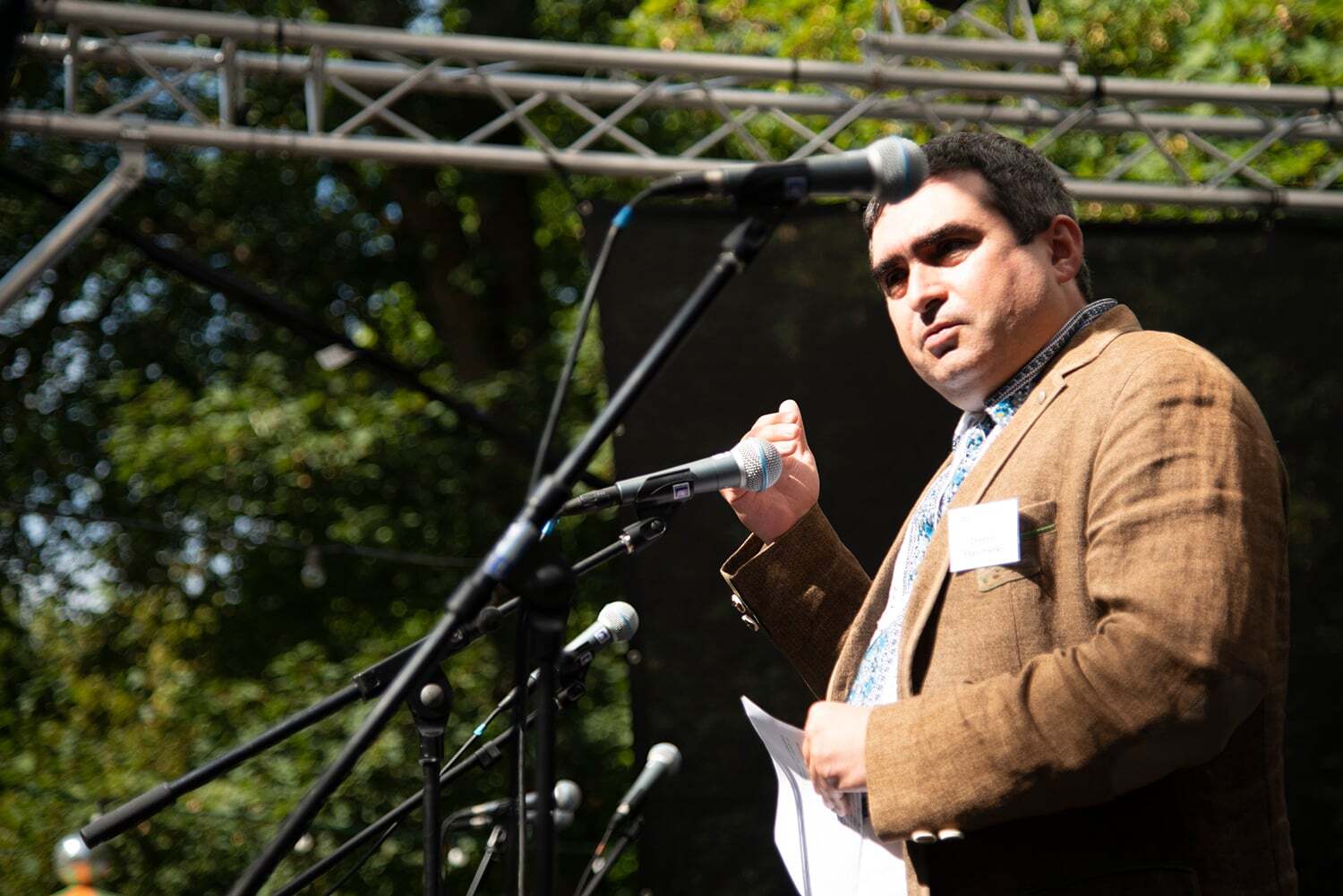
Shevchenko emphasises that the lower employment rates are partly due to the demographic composition of the refugees, primarily women and children, who face additional challenges such as childcare responsibilities. This demographic reality complicates their ability to work full-time, a situation similar to what other refugee groups have faced.
A Eurofound report in 2024 described the integration of Ukrainian refugees into the labour market within the EU member states as quite high: ranging from 11% to over 50%. This is higher than any other refugee group. Take the example of Poland, where more than 1 million displaced Ukrainians found shelter in that country alone. It’s estimated that they contributed between 0.7% and 1.1% to the national GDP in 2023. This positive economic impact is due to their active participation in the labour market, more than 40%, the taxes they paid, and their contributions to social insurance.
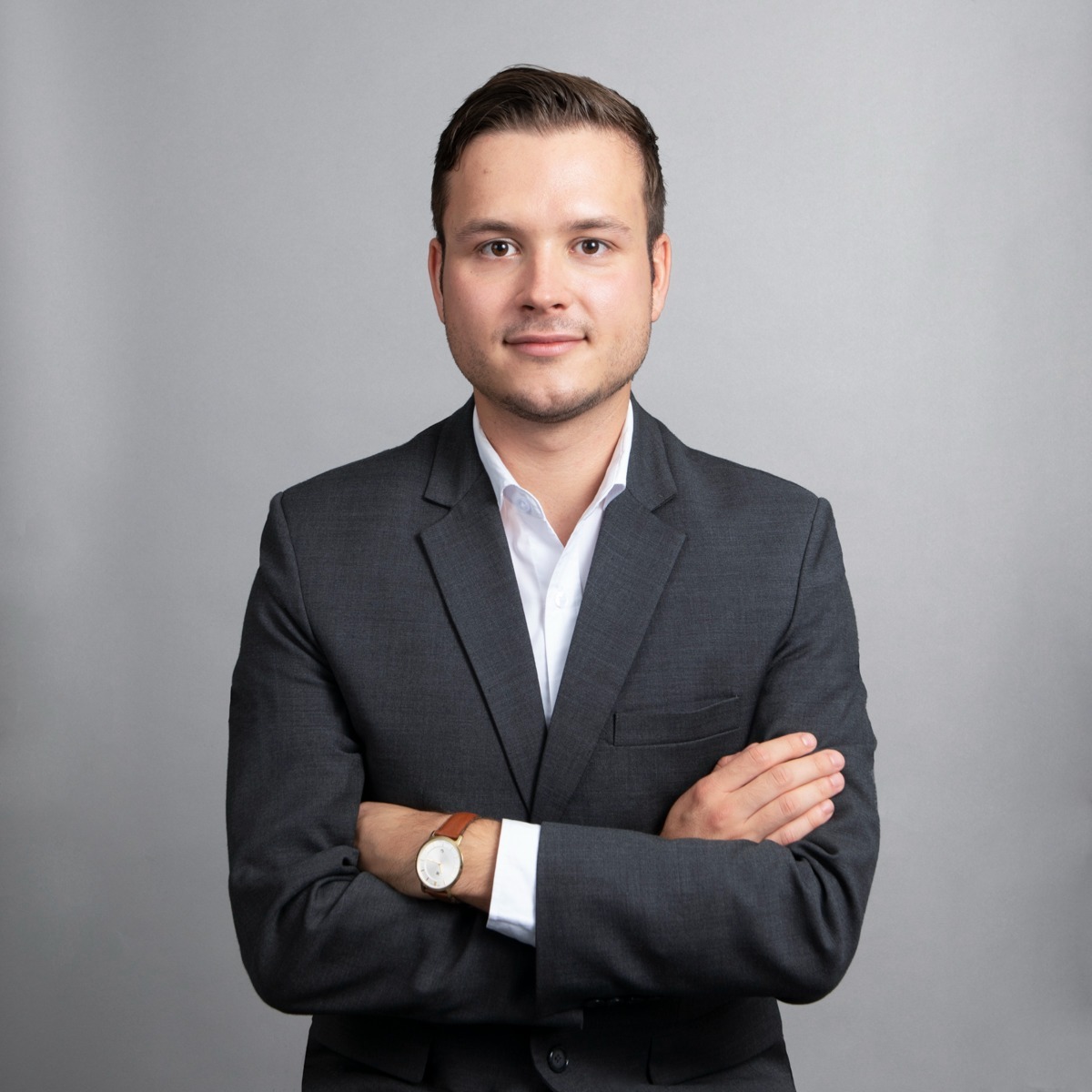
Valentin Jedraszyk, the founder of Echoes from Ukraine, an online magazine which highlights the endurance of the Ukrainian civil society since the beginning of the full-scale war in February 2022, specialising in Central and Eastern European studies and Export Development Manager at Bpifrance in New York says that these results are very significant when you consider that, because of the martial law in place in Ukraine, most of these refugees are women accompanied by children. Additionally, they face other significant challenges, such as language barriers, recognition of qualifications, and lacking a social network.
Shevchenko also points out that the long-term contributions of Ukrainian refugees should not be underestimated. He draws parallels with previous waves of immigrants to Germany, such as ethnic Germans and Jews from the former Soviet Union and refugees from the Balkans in the 1990s. These groups initially faced significant integration challenges but eventually became integral parts of German society.
In the long run, these immigrants have contributed significantly to the economy and social fabric of the country. The same potential exists with the current wave of Ukrainian refugees, many of whom will become valuable human capital.
Experiences in Serbia
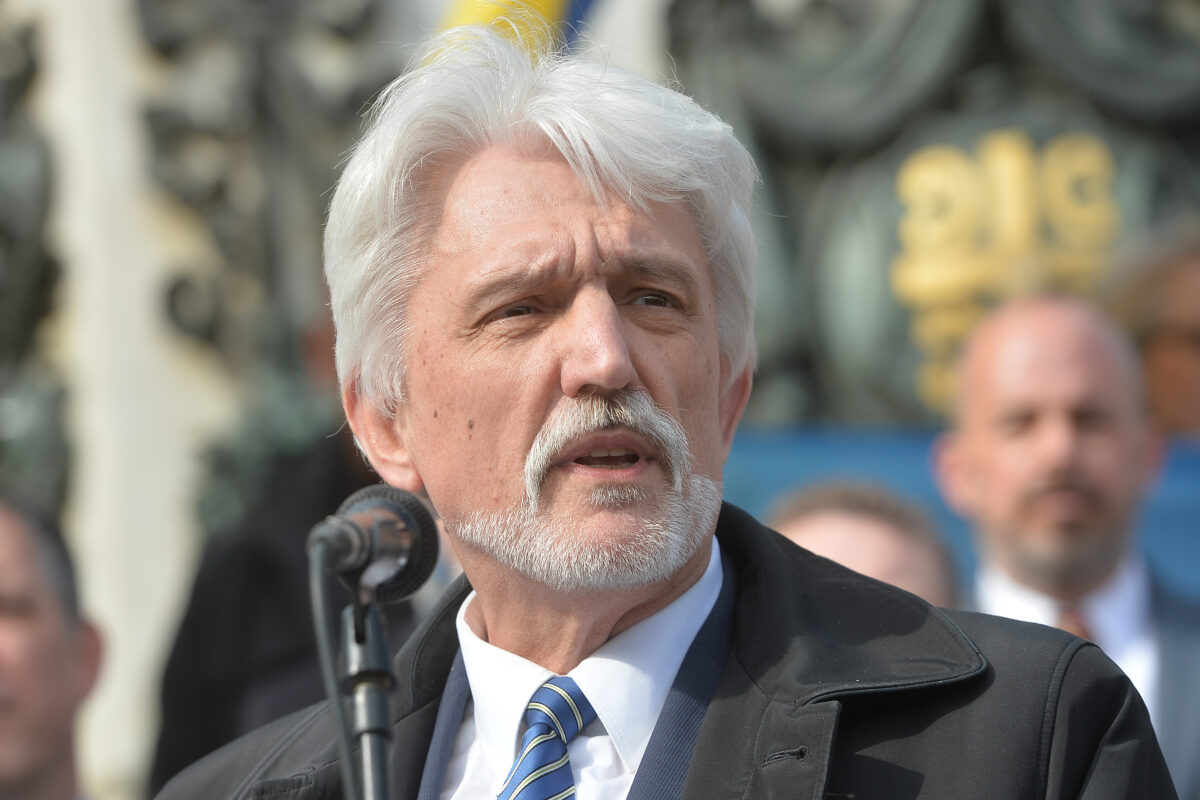
The situation of Ukrainian refugees in Serbia offers another perspective on the refugee experience. Despite Serbia’s historically close ties with Russia and the significant presence of Russian migrants and capital, Ukrainian refugees have generally been met with a positive reception. Vladimir Tolkach, the Ambassador of Ukraine to Serbia, notes that many Serbians express empathy towards Ukrainians, often drawing parallels with their own experiences during NATO’s intervention in 1999.
The general attitude towards Ukrainian refugees in Serbia is one of understanding and sympathy. Many Serbians relate to the Ukrainian experience, having themselves experienced displacement and conflict.
However, Tolkach also acknowledges the complex political landscape in Serbia, where pro-Russian sentiments are prevalent. This has sometimes led to a lack of widespread condemnation of Russia’s actions in Ukraine, which can influence public perception.
In practical terms, Serbia provides temporary protection status to Ukrainian refugees, which includes the right to reside and work in the country. Unlike in some other nations, the Serbian government does not offer direct financial aid to Ukrainian refugees. This policy has contributed to preventing negative stereotypes from taking hold, as there is no perception of refugees living off the state’s resources. Instead, the focus has been on enabling refugees to become self-sufficient.
The Serbian government’s approach, supported by the European Union, includes providing housing and food in a designated refugee centre in Vranje. However, the uptake has been relatively low, as many Ukrainian refugees in Serbia are elderly or women with young children, who may not find these arrangements suitable, – Tolkach explains
Despite these challenges, Ukrainian refugees in Serbia are actively seeking ways to integrate into society. They are learning the Serbian language, their children attend local schools, and some have even started small businesses. An example of this is a sewing workshop established by Ukrainian women in the refugee centre.
The integration process is ongoing, and there is a willingness on both sides to build relationships and support each other, – he said.
The Role of Disinformation and Physical Threats
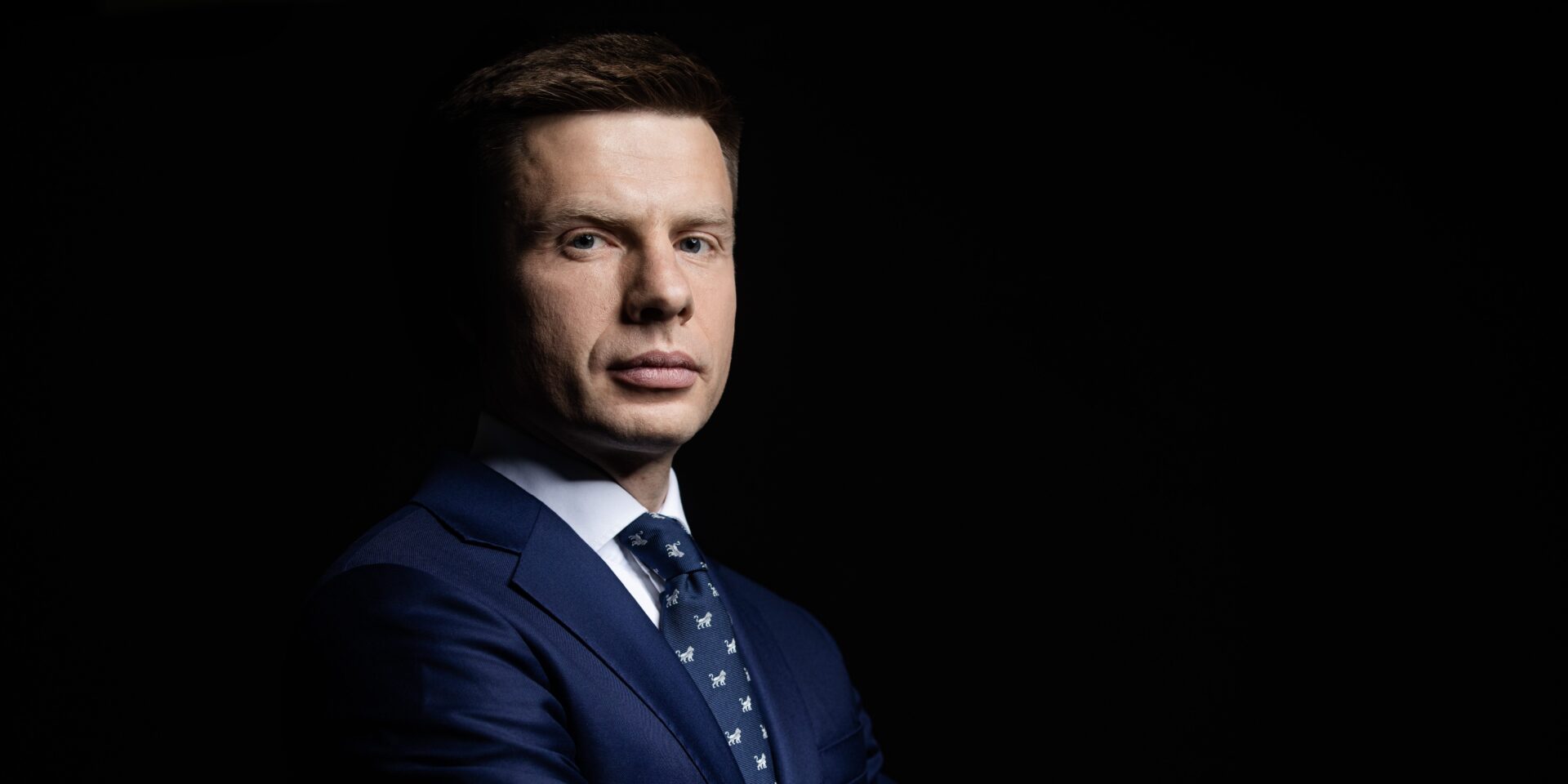
The Russian efforts to undermine the image of Ukrainian refugees are well-documented and pervasive. Oleksiy Goncharenko, a member of the Ukrainian Parliament and President of the PACE Committee on Migration, Refugees, and Displaced Persons, highlights the extensive measures taken by Russia to discredit Ukrainian refugees.
Russia does everything possible to discredit Ukrainian refugees abroad. Their extensive European agent network provides these opportunities, and pocket media outlets amplify the disinformation. These information campaigns are primarily aimed at ordinary citizens of Western countries. Each country’s government understands refugees’ significant contribution to their economies, – Goncharenko states.
Goncharenko underscores the importance of combating this disinformation.
We must oppose this. It is clear that if enough ordinary citizens believe these falsehoods, populist politicians will emerge who will repeat Kremlin propaganda, – he warns.
Furthermore, he highlights the physical threats faced by Ukrainian refugees, noting incidents of violence perpetrated by Russians against Ukrainians in Western countries.
Several women have been killed, and Ukrainian soldiers undergoing rehabilitation have been beaten on the street simply because they are Ukrainian. Western justice systems must address these issues to prevent further incidents.
Long-term Contributions and Integration
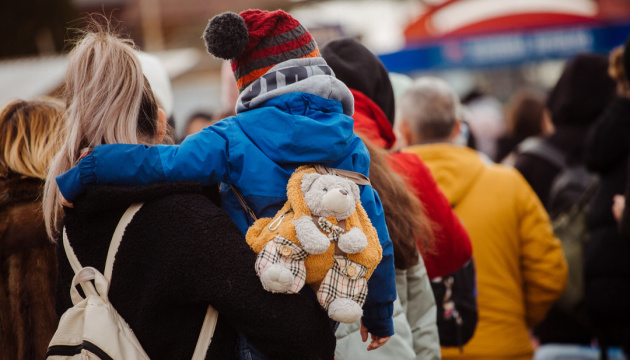
The narratives surrounding Ukrainian refugees, as articulated by Shevchenko and Tolkach, highlight a broader truth: these individuals are not passive recipients of aid but active contributors to their host societies. Valentin Jedraszyk emphasises this point, arguing that the presence of Ukrainian refugees offers an opportunity for host countries to reaffirm their commitment to humanitarian values and international solidarity.
The integration of Ukrainian refugees not only helps those displaced by the conflict but also enriches the cultural and economic landscape of the host countries. Their presence is a reminder of the importance of supporting those in need and the potential benefits of welcoming diverse communities, – Jedraszyk writes
He points out that the long-term impact of Ukrainian refugees will likely mirror that of previous immigrant groups, who have gone on to make substantial contributions to their adopted countries.
The positive reception and integration of Ukrainian refugees in host countries reflect a broader understanding of the refugee experience as a two-way street, where both the host society and the refugees benefit.
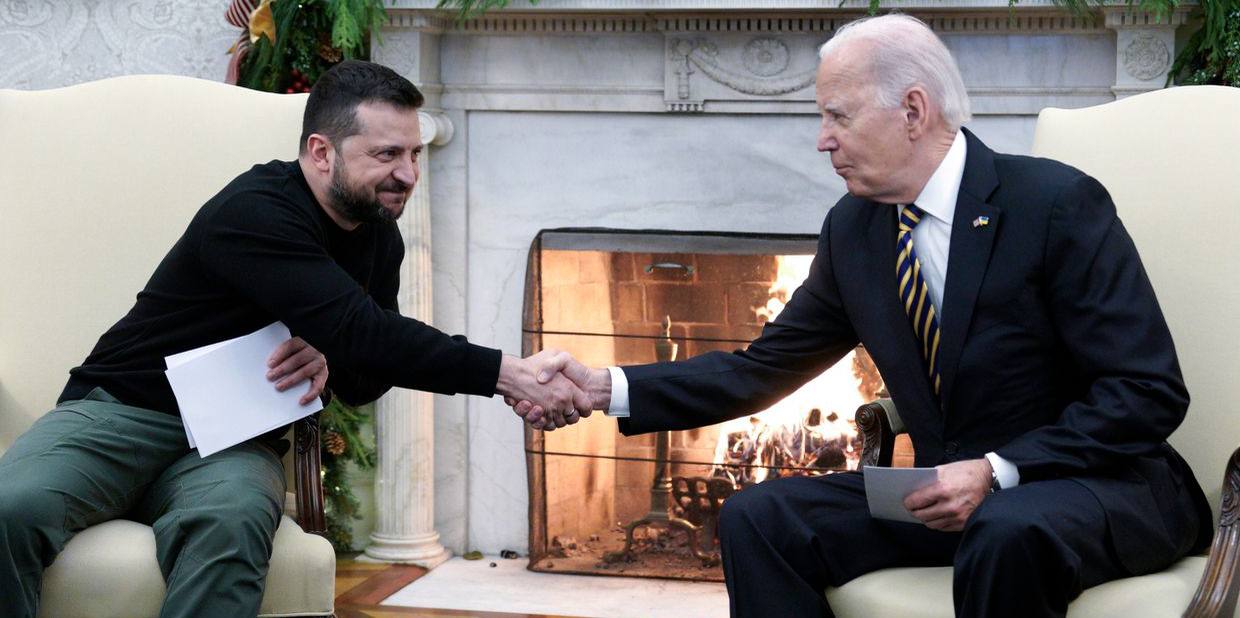
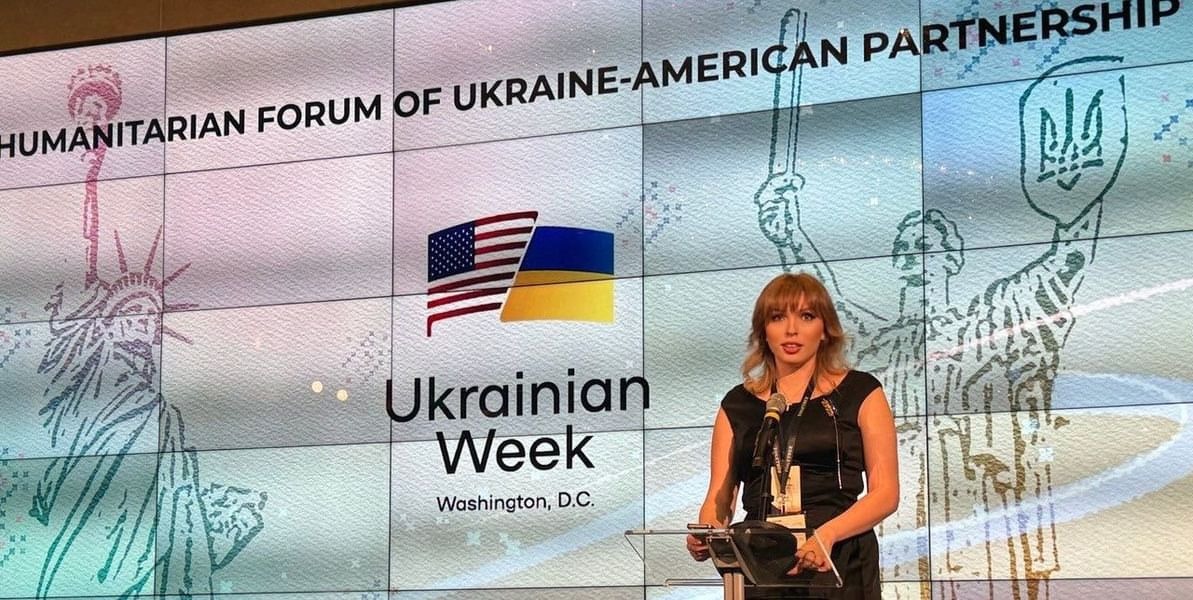
There is also a high potential for entrepreneurship among Ukrainian refugees. Not only do they launch businesses for their own subsistence, but they also contribute to boost local economies, create jobs, etc. This is particularly true in the USA, to which over 187,000 Ukrainians had arrived by the end of March 2024 under President Biden’s “Unite for Ukraine” program. While figures and statistics are great, there is no better argument than a personal story. Valentin`s good friend, Anastasiia Lozik, who now resides in New York, where he is also based, serves as the best case for this point. She relocated to the US from Ukraine on March 1, 2022, due to the war. Drawing from her experience as a Client Partner for a global data and BPO company, Anastasiia co-founded IdeaQ in 2023—a data validation and verification platform. With her partner, Serhiy Zaporozhets, she has run successful trial programs with top U.S. marketers.
In Germany, for instance, the potential long-term contributions of Ukrainian refugees are becoming increasingly evident. As they settle and integrate, these refugees are poised to fill crucial gaps in the labour market, particularly in sectors experiencing shortages.
Germany has a history of integrating diverse groups of migrants, and the current wave of Ukrainian refugees is no different. The skills and talents these refugees bring can address specific needs in the economy, from healthcare to technology, – Shevchenko notes.
Indeed, many Ukrainian refugees possess valuable skills and qualifications that can be harnessed to benefit the German economy. As they become more proficient in the language and navigate the bureaucratic processes, their participation in the labour market is expected to grow, providing much-needed expertise and manpower.
In Serbia, the integration process is shaped by the unique socio-political context. While the country has not experienced the same level of influx as some Western European nations, the presence of Ukrainian refugees has nonetheless been significant. Tolkach highlights that Serbian society, with its recent history of conflict and displacement, has shown a degree of empathy and understanding towards the Ukrainian plight. This empathy is crucial in facilitating the integration of refugees, as it creates a welcoming environment where they can feel safe and supported. However, the integration of Ukrainian refugees is not without its challenges. Language barriers, cultural differences, and the trauma of displacement can complicate their adjustment to new environments.
The resilience of Ukrainian refugees is a powerful testament to their strength and determination. Their willingness to adapt and integrate, even under difficult circumstances, is a source of inspiration, – Jedraszyk emphasises.
Moreover, the contributions of Ukrainian refugees extend beyond the economic sphere. Their cultural heritage, traditions, and perspectives enrich the cultural tapestry of their host countries. This cultural exchange fosters mutual understanding and respect, breaking down stereotypes and building stronger, more cohesive communities.
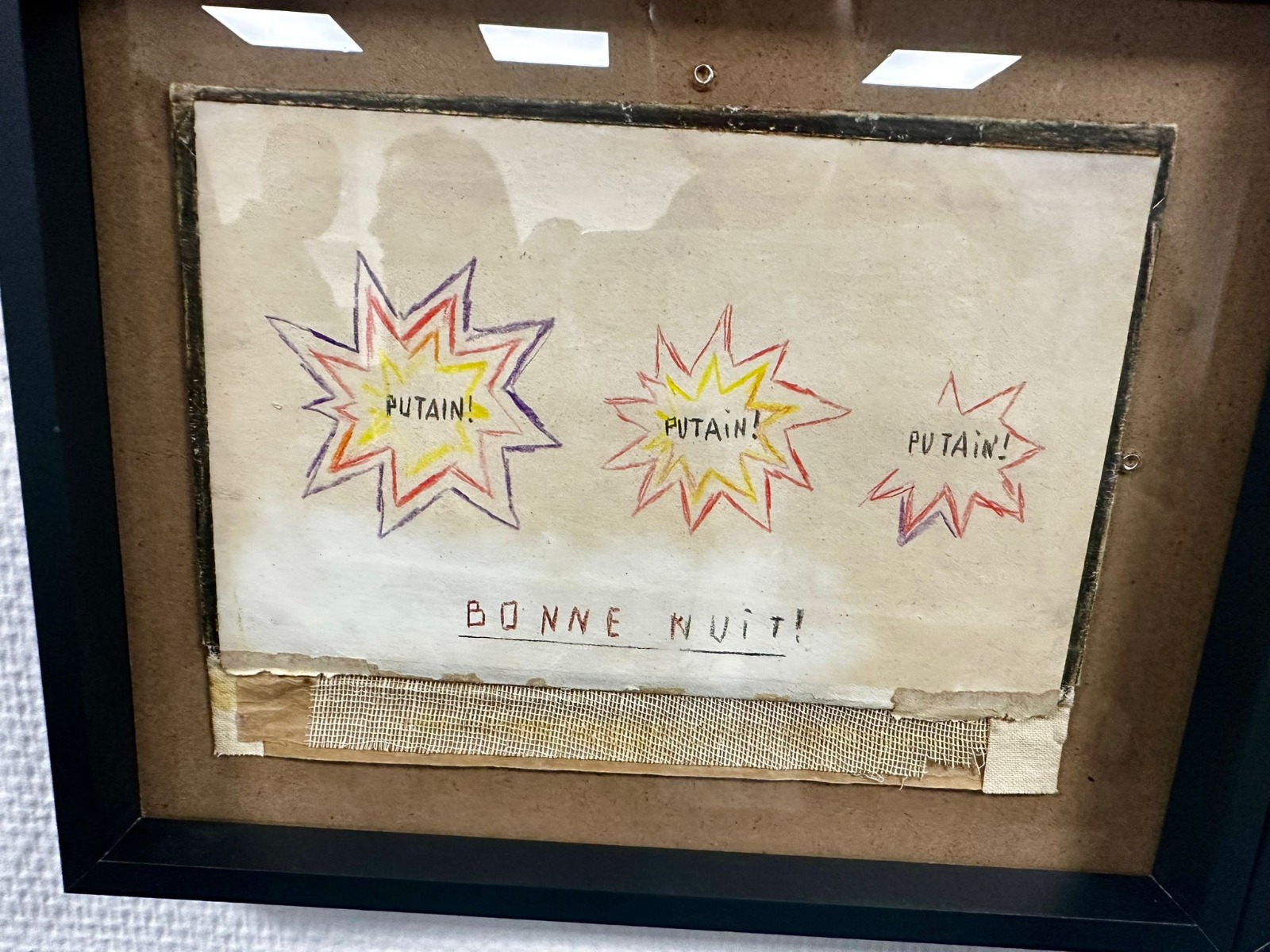
The cultural contributions of Ukrainian refugees help bridge gaps between different communities. They bring with them a rich cultural history that can enhance the diversity of their host societies. I can mention some examples of the vivid contribution of Ukrainian exiled artists to my city of Paris. An event that profoundly impacted me was the exhibition “High-Precision Love or the Third World War” by Ukrainian artist Igor Gusev from Odesa, held at the cultural centre in Paris at the beginning of this year. This exhibition featured his works reflecting the daily impact of the war on Ukrainian society.
Being the fashion capital, Paris has hosted numerous events by exiled Ukrainian designers who have gained international recognition. A notable initiative is the “Tripolar” exhibition organised by Vogue Ukraine in November 2022. These fashion events have popularised Ukrainian creativity and folk traditions, fostering cultural exchange between Ukraine and France. Ukrainian music has also reached French audiences, with the Kyiv City Ballet taking temporary asylum at the Théâtre du Châtelet and performing to full auditoriums, – Jedraszyk notes.
The support from host countries and international organisations has been instrumental in facilitating the integration of Ukrainian refugees. Programs aimed at language acquisition, vocational training, and psychological support have been crucial in helping refugees navigate their new environments. These initiatives not only empower refugees to become self-sufficient but also ensure that they can contribute meaningfully to their new communities.
As the global community continues to grapple with the refugee crisis, the experiences of Ukrainian refugees offer valuable lessons. They underscore the importance of providing refugees with the necessary support to rebuild their lives and the benefits of fostering an inclusive and supportive environment. The stories of Ukrainian refugees in Germany, Serbia, the USA and other countries serve as a reminder of the human capacity for resilience and the positive impact of embracing diversity. The experiences shared by Dmytro Shevchenko, Vladimir Tolkach, and Valentin Jedraszyk highlight the importance of understanding the complexities of the refugee experience and recognising the potential for positive contributions. In doing so, host countries can not only support those in need but also enrich their own societies, creating a more inclusive and diverse global community.
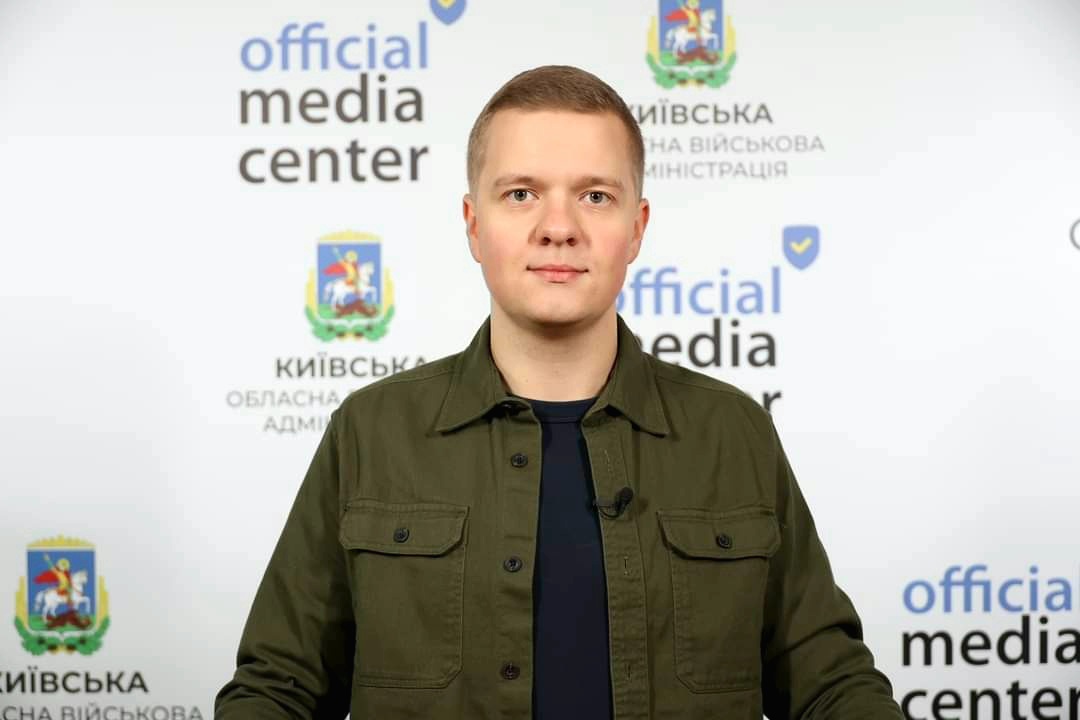
by Oleksandr Yavtushenko (Vice-President of the World Displaced Persons Organization, Chairman of the Council for Internally Displaced Persons at the Kyiv Regional State Administration)