

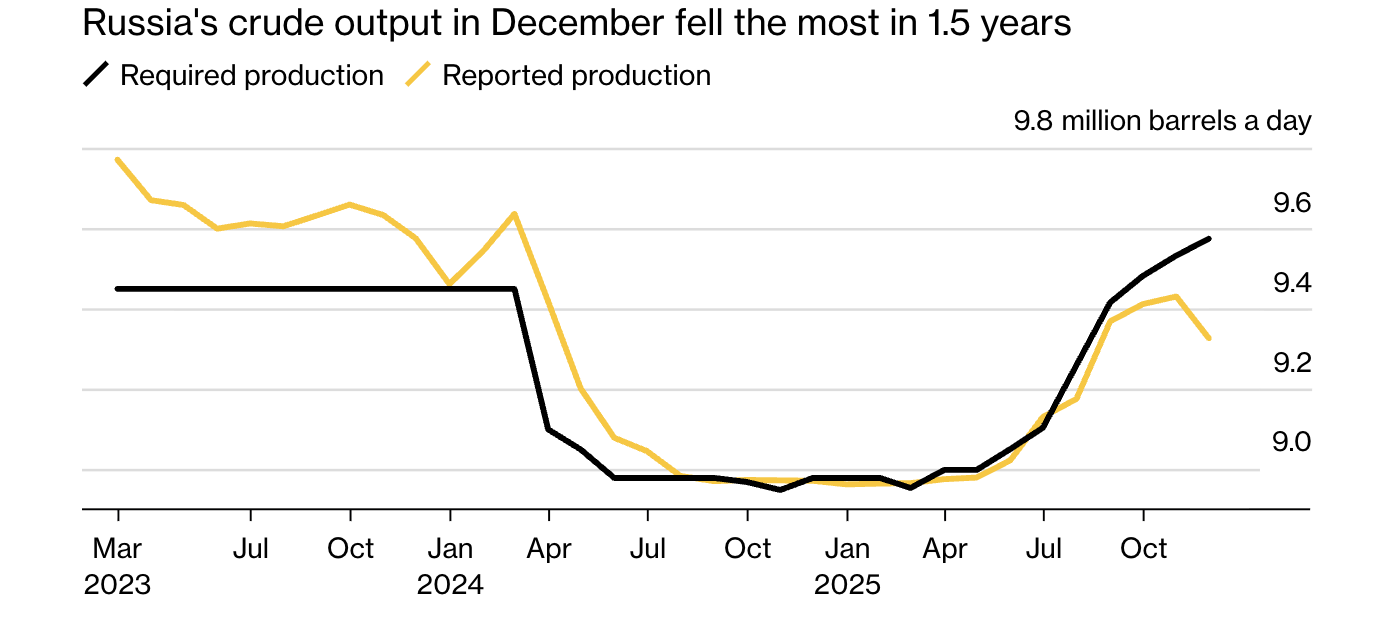
Russia’s crude oil production in December dropped to its lowest level in the past year and a half, reaching 9.326 million barrels per day. This is 100,000 barrels per day less than in November and nearly 250,000 barrels below the level allowed under the OPEC+ agreement (a deal among major oil-producing countries to regulate output in order to stabilize global oil prices). Bloomberg reports.
Drone strikes and infrastructure problems
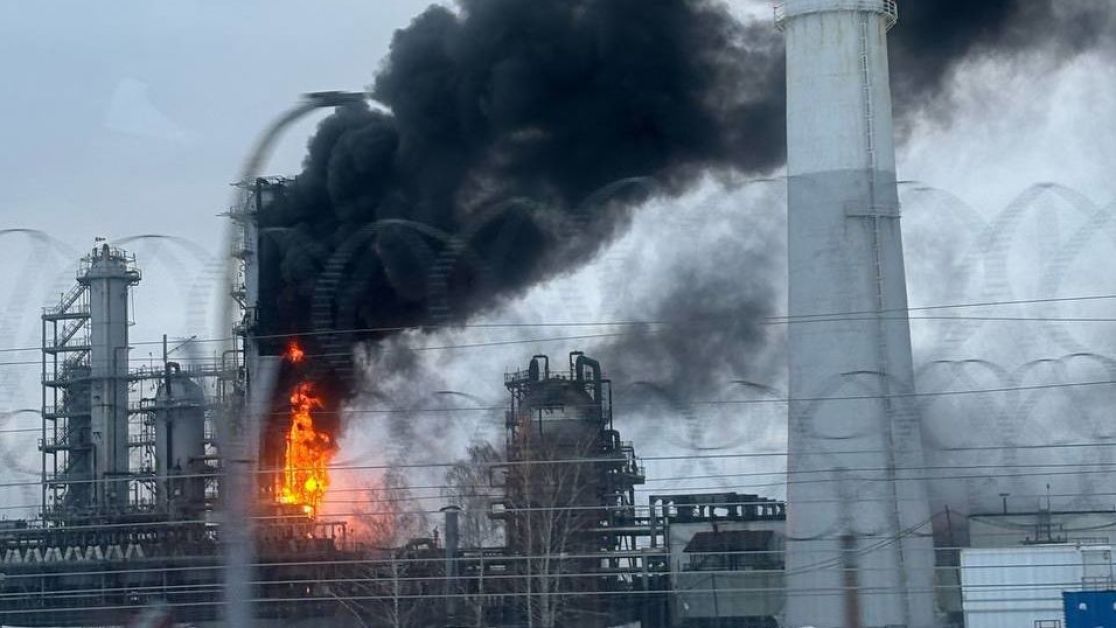
The decline comes amid large-scale Ukrainian drone strikes on Russia’s oil infrastructure, which have not only limited direct production but also forced refineries to suspend or reduce operations.
In particular, Ukraine has for the first time since the start of the full-scale war attacked Russian oil fields in the Caspian Sea, as well as tankers transporting oil for export. This has forced some vessels to alter their routes and made certain shipowners more cautious about cooperating with Russia.
Sanctions, excess oil, and falling prices
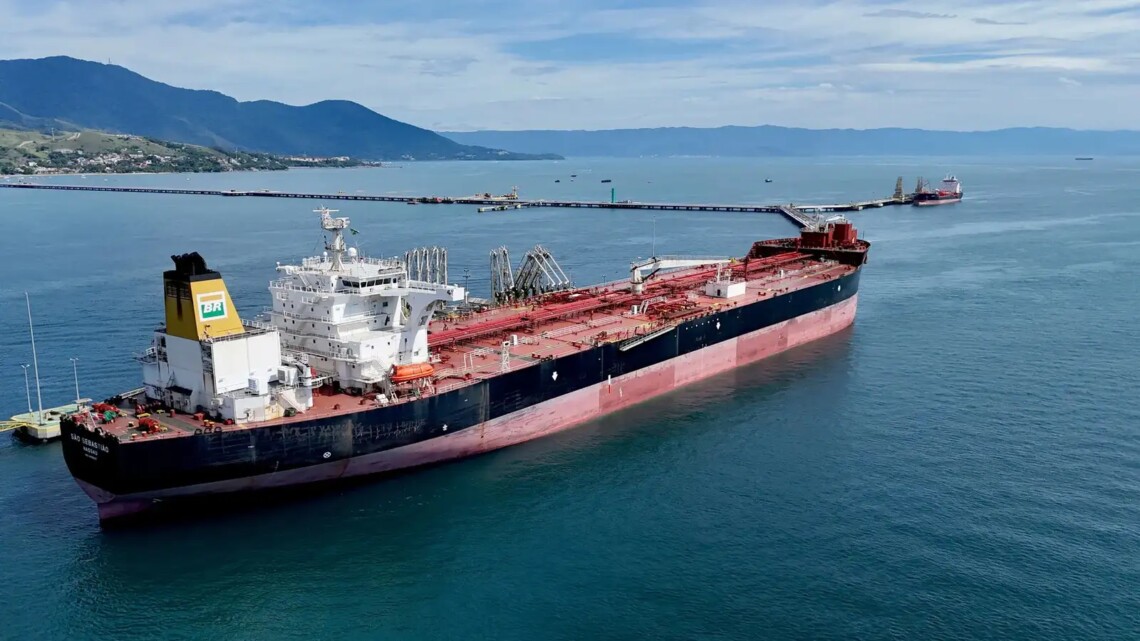
At the same time, Russian oil is piling up in tankers at sea. Following sweeping US sanctions against Russia’s largest producers, Rosneft and Lukoil, some buyers have been reluctant to accept these cargoes.
Additional pressure has come from export difficulties. By the end of December, more than 185 million barrels of Russian crude were stored in tankers, as key buyers — including some Indian refineries — sought ways to avoid purchasing sanctioned barrels. Domestic oil refining also remained below seasonal averages, as Ukrainian strikes damaged refineries and constrained internal consumption.
In addition, the price of Russia’s Urals crude — the country’s main export grade — fell below $40 per barrel after all discounts were applied. Adjusted for inflation, this level corresponds to prices that once became one of the key factors behind the economic collapse of the Soviet Union.
Conclusion
Taken together, mounting sanctions, strikes on oil infrastructure, and logistical constraints are increasingly undermining Russia’s oil and gas sector — the backbone of its budget revenues.
Falling production, export bottlenecks, and plunging oil prices to historically low levels pose long-term risks to Russia’s economic stability and significantly limit its ability to finance the war, deepening the structural weaknesses of the Russian economy.