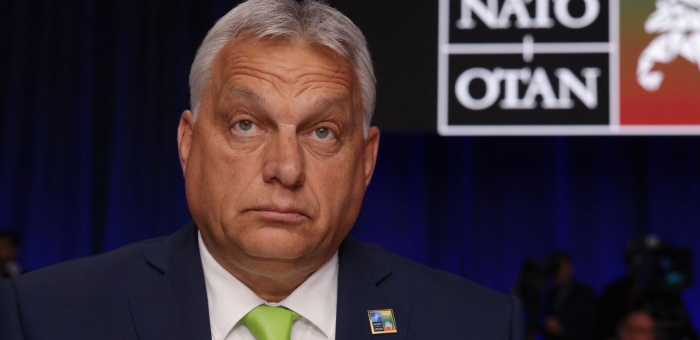


Russia’s news about Ukraine, clearly terrorist in nature, are aimed at spreading panic and demoralization. Could a new offensive on Kharkiv be on the horizon? With the recent escalation of the shelling of Kharkiv, reports suggesting such intentions from the Russian military leadership have become more frequent. Numerous media outlets are discussing this possibility as well. Initially, these reports were circulated solely by Russian media, but now the narrative of intensifying Russian terror against Kharkiv has started to gain traction in Western media as well. We would like to clarify why this information is not accurate.
Does Russia really intend to turn Kharkiv into a “grey zone”?
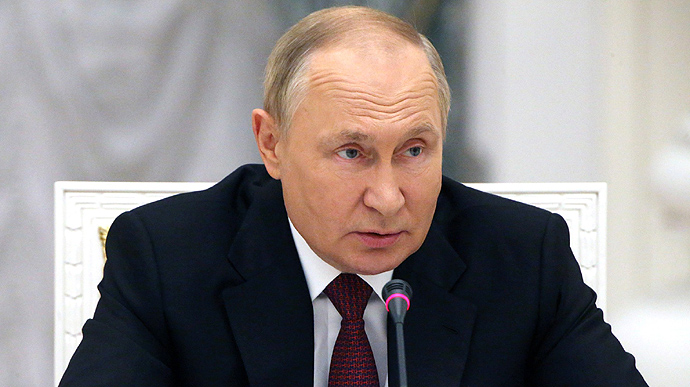
Following Putin’s allegedly legitimate re-election as president of the Russian Federation, discussions about a potential Russian invasion of Kharkiv have resurfaced. Some purported “liberal” Russian media outlets have also addressed this issue.
An article in one of these outlets claimed that the Russian military and political leadership were contemplating strategies to seize Kharkiv. The publication cited sources purportedly close to the Kremlin. According to an individual close to the Russian presidential administration, the top leadership of the country is establishing “realistic objectives” – namely, the capture of Kharkiv and the gradual dissolution of the “SMO” as a consequence. Putin has openly stated that to halt the recurrent shelling of the Belgorod region, it is imperative to establish a “sanitary zone” around it. This region of the Russian Federation shares a border with Ukraine’s Kharkiv region. According to sources within the same “liberal” media outlet, high-ranking officials among the “Russian elites” are reportedly confident in the Russian army’s capability to seize Kharkiv. However, they express reservations about further advances into Ukraine. “Symbolically, this is also a victory. It’s a city of a million people with a large Russian-speaking population,” remarks one of the sources.
Another Russian media outlet has reported that the Kremlin is anticipating mobilizing 300,000 soldiers in the near future for the operation to capture Kharkiv. According to the outlet, the Russian authorities’ plan involves deploying the mobilized soldiers to fortify the border in the Belgorod region. Subsequently, experienced soldiers who are relieved from border duty will supposedly participate in the “Kharkiv operation”.
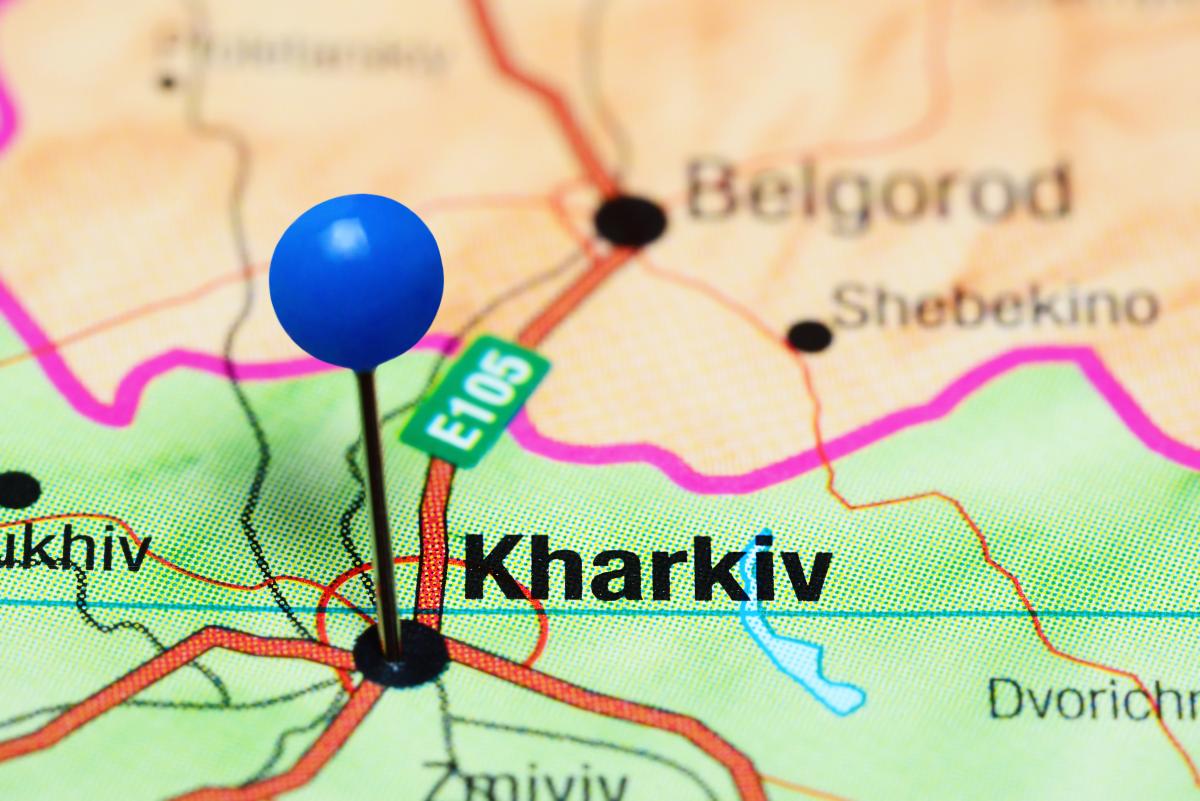
According to the media, the Kremlin plans to lay siege to the Ukrainian city rather than storm it directly. Russian oppositionists also joined in the “promotion” of the topic of the “siege of Kharkiv”.
The Kremlin leader’s statement about the creation of a “sanitary zone” along the Ukrainian-Russian border was later picked up and developed by the Russian state media.
According to a recent report by The Economist, Russia has decided to designate Kharkiv as a “grey zone”, rendering it inhospitable for civilians. The publication recalls that Russia intensified its bombing of Kharkiv in December, around the time when the delay in US military aid to Ukraine began to make headlines. Since then, the city has been under attack from ballistic missiles, more than at any time since the start of the full-scale invasion. Incidents involving enemy drones have also become more frequent, characterized by their increased speed, altitude, and the utilization of carbon-fibre wings, making them harder to shoot down. However, a notable shift occurred on March 27th when a pivotal event unfolded: a glider bomb, launched from an aircraft and possessing the capability to travel tens of kilometers while causing severe damage, was purportedly utilized against Kharkiv for the first time.
The Economist highlights that military sources in Kyiv have suggested that Russia intends to transform Kharkiv into a “grey zone”, rendering it unsuitable for civilian habitation. However, Kharkiv residents and Mayor Ihor Terekhov have asserted that the city will not capitulate.
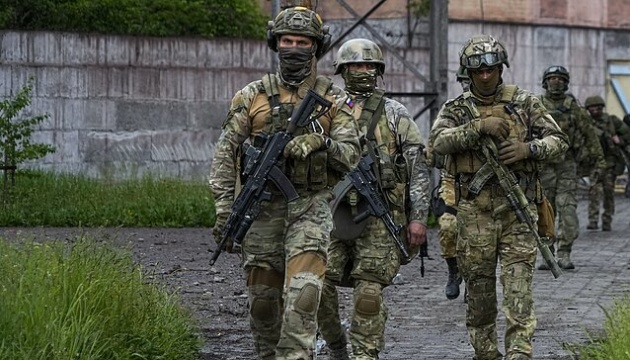
Simultaneously, the British magazine underscores that ‘a military operation to occupy Kharkiv would be a challenging endeavor for Russia’.
In the previous attempt in 2022, despite the city being significantly less fortified, the invaders were unsuccessful. Capturing the city would necessitate breaching Ukrainian defenses and establishing encirclement, a feat analysts doubt Russia is currently capable of achieving.
Reaction of Ukraine’s top military and political leadership
During recent Chiefs of Staff meetings, the primary focus revolved around Kharkiv, particularly the city’s defense against Russian assaults and the potential reinforcement of air defense and electronic warfare capabilities in the Kharkiv region.
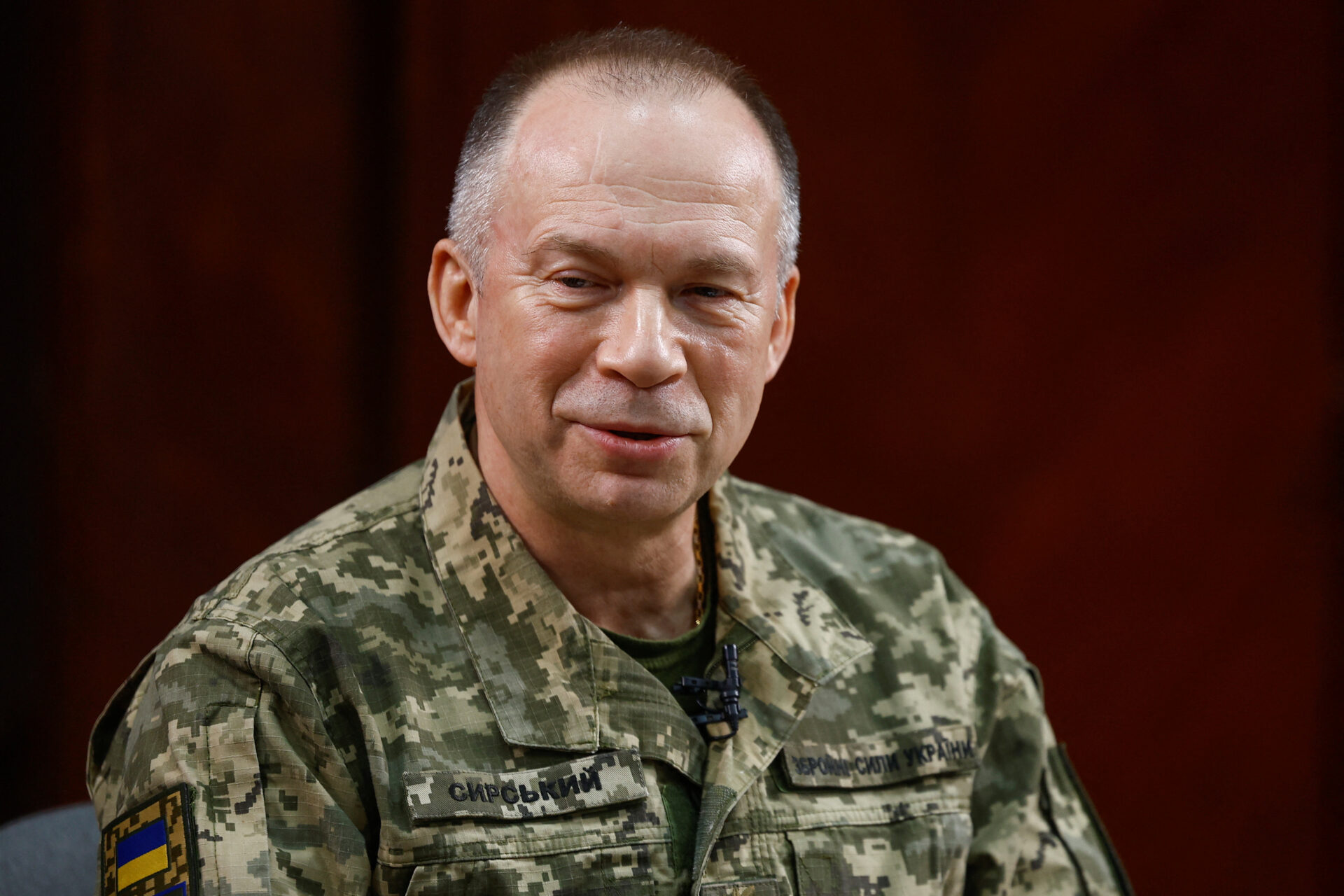
In an interview with Ukrinform, Ukrainian Armed Forces Commander-in-Chief Oleksandr Syrskyi emphasized that any incursion into Kharkiv would be a grave mistake for Russian forces. He stated that the Ukrainian military is undertaking all necessary measures to counter a potential aggressor attack on Kharkiv, including fortifying positions, erecting barriers, and strategizing responses.
The Main Intelligence Directorate has refuted rumors suggesting an imminent Russian attack on Kharkiv. According to DIU representative Andriy Yusov, these claims are merely part of Russian psychological operations (PSYOP). He stated that the enemy is attempting to instill panic within our country by spreading rumors of an “attack on Kharkiv”.
Kharkiv Mayor Ihor Terekhov emphasized that there are presently no reasons to initiate a city-wide evacuation. Russian troops have not advanced any closer to the city than their current positions. Evacuation efforts persist in areas where active hostilities are underway, while individuals are relocating to Kharkiv, which boasts a population of 1.3 million people.
The enemy relies on spreading panic among the civilian population
The enemy is waging a full-scale hybrid war against Ukraine. Over the years, the Russian authorities have allocated significant resources to propaganda efforts, spreading reality-distorting narratives. Russian propagandists continue to actively launch information operations aimed at intimidating civilians and discrediting the government. This deliberate strategy of warfare draws from tactics refined during previous conflicts instigated by Russia.
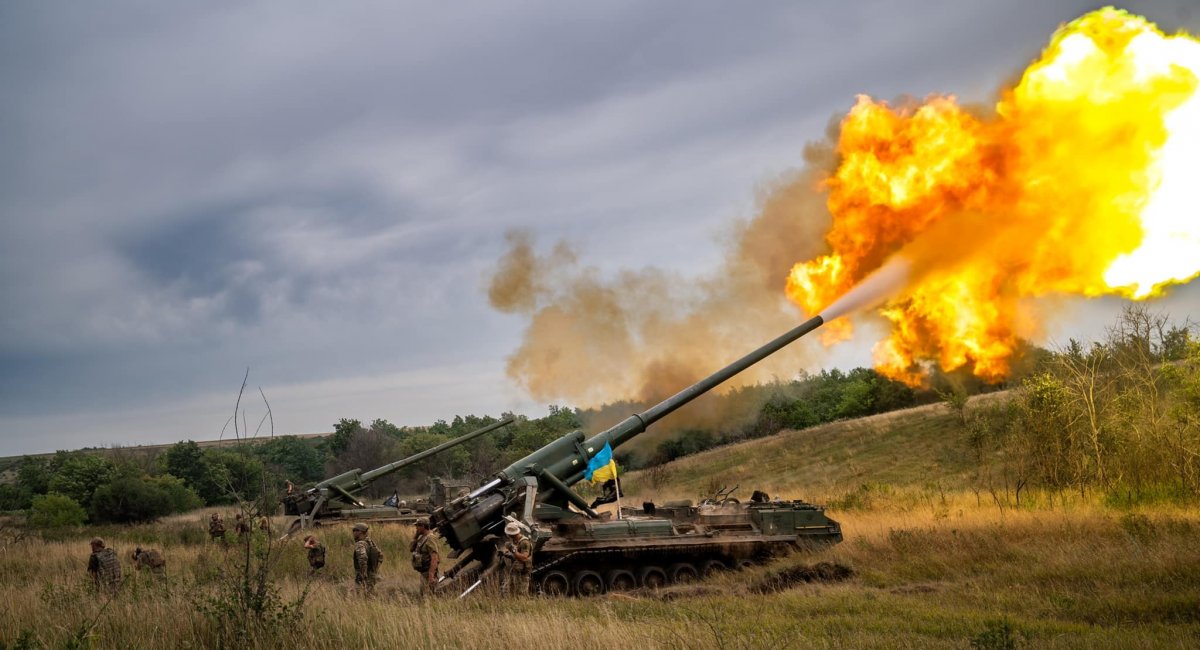
In recent weeks, there has been a surge in Russian attacks on Kharkiv, targeting substations and thermal power plants, resulting in prolonged electricity outages in the city. Amidst the relentless shelling, Russian propaganda is trying to increase fear among the city’s residents and manipulate them into forced evacuation. It is evident that the enemy is relying on spreading panic among Kharkiv residents to force them to leave the city.
Despite the enemy’s efforts to disseminate propaganda and blatant falsehoods, our nation remains steadfast in combating information threats. The Centre for Strategic Communications and Information Security (CSCIS), operating under the ICIP, along with the Disinformation Counteraction Centre (DCC) of the National Security and Defence Council of Ukraine, diligently monitor misinformation around the clock, including narratives pertaining to the situation in Kharkiv, and swiftly debunk them.
For instance, one of the Russian misinformation campaigns includes the false claim:
“The State Emergency Service of Ukraine warns of an impending encirclement of Kharkiv and advises residents to evacuate.”
This is indeed fake news. Presently, there are no grounds for evacuating Kharkiv. Any dissemination of such information is part of Russia’s psychological operation (PSYOP) aimed at intimidating citizens.
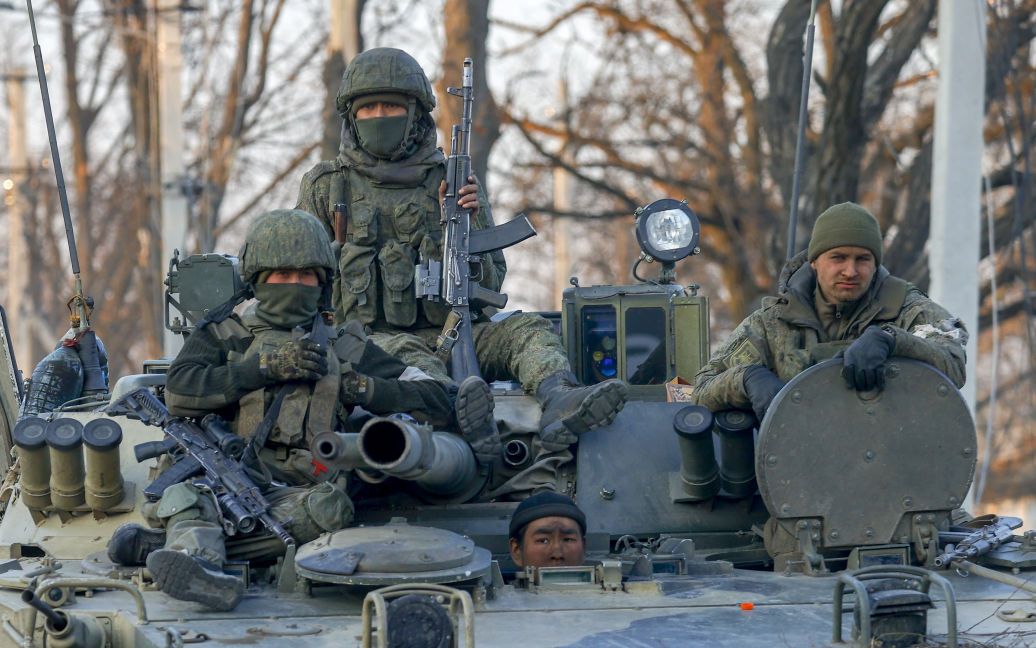
“In Kharkiv, local authorities are forbidding people to evacuate before the allegedly planned Russian army offensive on the regional center.”
The Centre for Strategic Communications and Information Security has emphasized that such narratives, suggesting that Kharkiv residents are deliberately being “put under attack,” are examples of Russian cynicism. The truth is that the exit from the city remains open, and individuals who wish to leave Kharkiv are free to do so. The fake news about a Russian offensive on Kharkiv is part of a Russian information and psychological operation to sow panic among Kharkiv residents and other citizens, creating a sense of an imminent catastrophe.
“Kharkiv’s authorities are allegedly preparing to flee the city. This is evidenced by the allocation of funds for road repairs in the Lyubotyn and Korotych areas.”
This claim is fake. The information about the flight of the city’s administration is not true and is part of an information and psychological operation aimed at demoralizing Kharkiv residents and sowing panic. In reality, the Cabinet of Ministers has allocated funds to repair the main evacuation routes in the region.
“The missile strikes will target Kharkiv’s underground schools as they are considered military targets. The underground schools will be used as command posts of the Ukrainian Armed Forces, similar to the command posts built by the Americans during the Cold War.”
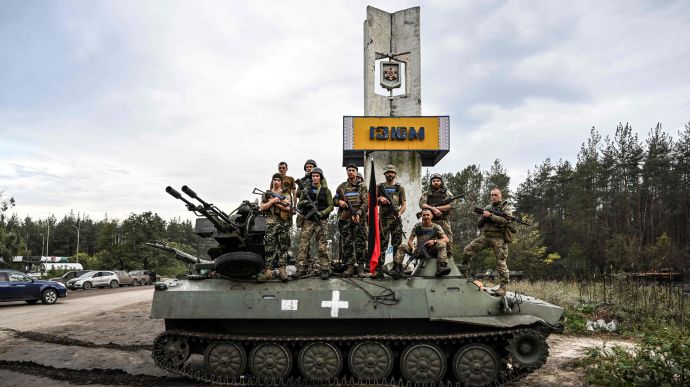
This is a fake. Threats of strikes on Kharkiv’s underground schools are part of the enemy’s disinformation campaign of “fear propaganda”. The enemy’s goal is to create panic to force as many people as possible to leave the city.
“Here’s a clip. Kharkiv residents are leaving the city en masse due to the lack of electricity, heating and other amenities”.
This is a fake. The video distributed by the propagandists is dated the end of February 2022: the footage shows wet snow and the words of the video’s author are heard: “We will defeat you [Russians] anyway.” The Centre for Strategic Communications and Information Security says that the situation with electricity in Kharkiv is indeed difficult, but not critical for the citizens. The massive Russian shelling of energy infrastructure on 22 March caused significant damage, but the blackout lasted less than a day. Currently, power outage schedules are in place in Kharkiv and the region.
Of course, there are also fakes aimed at discrediting the Ukrainian military. We refute them too.
“Soldiers of the 113th Separate Tank Brigade in Dergachi, Kharkiv Oblast, beat a woman when she came to receive humanitarian aid. The victim is in need of medical treatment”.
This is a fake. Russians invented this story and used a photo of a disabled resident of Dergachi. It is not the first time that enemy propagandists have spread publications of this kind to discredit the Armed Forces of Ukraine. In this way, they seek to cause negative attitudes among the civilian population towards the Ukrainian military. Earlier, the enemy also spread disinformation about the poisoning of 113th Separate Artillery Brigade soldiers by a Kharkiv resident.
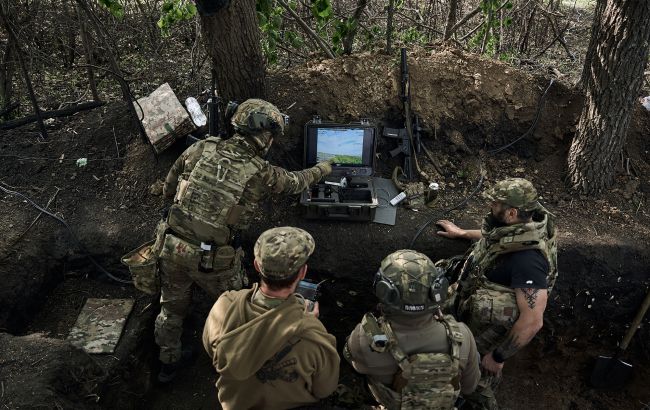
“Representatives of the Azov national battalion arrived in Kharkiv. The main purpose of their presence there is to carry out punitive functions and fight against pro-Russian residents.”
This is a fake. It is aimed at discrediting the military leadership and creating a negative image of Ukrainian defenders.
“A deputy commander of the 15th Border Guard Detachment of the State Border Guard Service of Ukraine held a workshop on making voodoo dolls in a Kharkiv school. This will help to put the evil eye on Russians.”
It’s another twisted creation of Russian propagandists who seem to lack creativity. In reality, youth from the Novobavarskyi district of Kharkiv participated in a workshop titled “Amulet for a Warrior,” focused on crafting rag dolls. Moreover, military personnel were not involved in the event whatsoever.”
The state propaganda media apparatus plays a significant role in disseminating disinformation, masquerading as “public information” while engaging in psychological manipulation of both the population within the Russian Federation and those in other countries. For instance, Russian state media resources openly advocate for rendering Kharkiv “unviable” and deliberately spreading diseases like cholera and typhus within the city. They propagate information about a potential offensive and encirclement, accompanied by calls for civilian evacuation.
Kharkiv is a sore spot for Putin
Kharkiv holds both sacred and strategic significance for Putin. As one of Ukraine’s largest cities, boasting a population of one million, its proximity to the Russian border amplifies its importance. However, Kharkiv still lacks adequate means of defense, making it a target of interest for strategic maneuvering.
Looking back to 2014, we can recall how the Russian authorities harbored high aspirations for Odesa and Kharkiv during the so-called “Russian Spring”. During that period, these cities witnessed a series of rallies orchestrated by Russian special services and mercenaries, advocating for the annexation of southern and eastern parts of Ukraine and their integration into Russia. These events included local referendums (not sanctioned by the Ukrainian Constitution) on restructuring Ukraine into a federal state and granting Russian the status of a second official language. The Russian government aimed to destabilise the political landscape in the southeastern regions of Ukraine and to spread the concept of the ‘Russian world’ through the authorities in Kharkiv.
They also failed to capture Kharkiv during the prolonged fighting that followed the full-scale invasion of Ukraine by Russian troops on 24 February 2022. It all ended with the Slobozhanska offensive of the Armed Forces of Ukraine. The defenders of Kharkiv repelled the Russians and foiled all of Putin’s plans. Kharkiv is a sore spot for Putin, as it was here that the football chant about Putin, now known worldwide, was first sung.
Fact: not a single Ukrainian major city has been taken by military force
For Russia, Kharkiv continues to represent a formidable defensive bastion of Ukraine, in addition to being a key hub of the Ukrainian economy and military-industrial complex. Therefore, it is evident that Kharkiv remains a prime target in the enemy’s schemes to occupy our country.
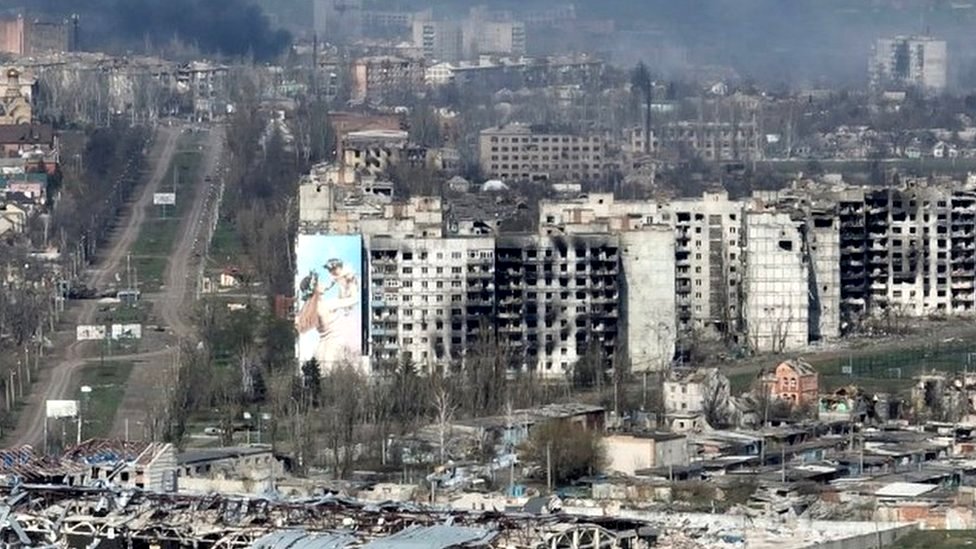
Launching an offensive on Kharkiv would require Russia to concentrate a significant number of its forces. According to some estimates, a full-scale offensive would require up to 300,000 Russian troops. To do so, the Kremlin will likely have to redeploy troops from other fronts and mobilise all available conscripts. Military history and science show that since the end of World War II, no major populated city has been captured by military force alone. Given the significant losses incurred during the operations in Bakhmut and Avdiivka, where the Russian army suffered losses of 40-60,000 troops and hundreds of armoured vehicles, questions arise as to the feasibility of a broad offensive. Moreover, between October last year and March this year, Russian military losses totalled around 140,000 killed and wounded, highlighting the challenges and costs of sustained military operations.
The likelihood of Russia occupying Kharkiv in the near future is exceedingly low, but the city will continue to face attacks. These assaults mirror the terrorist tactics employed by the enemy during the spring and summer of 2022. The shelling typically occurs in two waves, with the second wave targeting the same areas as the first to impede rescue efforts. Therefore, if you find yourself near the impact zone, another round of shelling may follow shortly thereafter. It is imperative not to remain on the streets near the affected area, as doing so could save your life.
In the coming months, the Russian Federation aims to use Kharkiv as a catalyst for a humanitarian crisis. Putin’s narrative regarding a “sanitary zone” will be employed to justify these atrocities to the West.
Russia’s airstrikes, characterized by their overtly terrorist nature, are designed to instill panic and demoralization, reinforcing the image that Russian propaganda seeks to propagate: that Kharkiv residents are hastily fleeing the city, gripped by fear of its impending capture. Even before any potential summer offensive escalates, the enemy is trying to create the impression that the offensive has already begun and that Kharkiv is already under immediate threat. This explains the concerted effort to prime the media landscape for conflict.
It is now of utmost importance to conduct fact-checking and not to react to Russian psychological operations aimed at fuelling panic. In the future, Russia will undoubtedly continue to increase its propaganda efforts and information pressure on Ukrainian citizens, especially those living in frontline areas. It is therefore crucial to remain vigilant and cautious in the face of such tactics.
Authored by a group of experts from the Centre for Strategic Communications and Information Security and the Institute of Public Communications.
Volodymyr Khodakivskyi
Bohdana Korniichuk
Lesia Chervinska