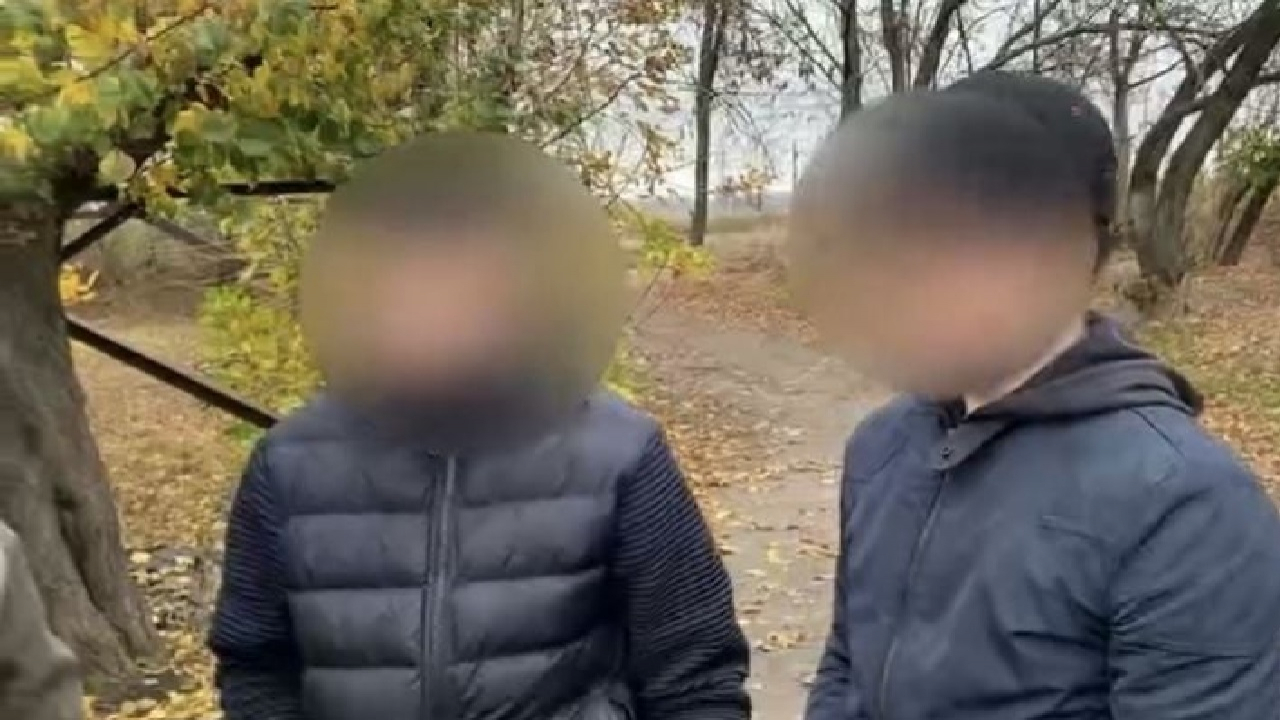


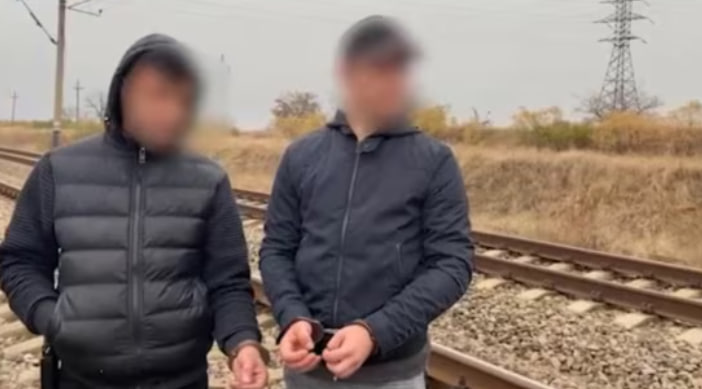
A Russian military court in Rostov-on-Don has sentenced three teenagers from occupied Melitopol on “terrorism” charges. The court tried them as Russian citizens.
Details
The court delivered the verdict on March 19. The initiative Bring Kids Back UA reported this.
Viktor Azarovskyi received 8 years and 6 months in prison. Oleh Shokol was sentenced to 7 years and 6 months. Denys Vasylyk received 7 years. Russian forces detained the boys in autumn 2023, when they were 16–17 years old. Authorities accused them of allegedly planning a terrorist attack and sabotage. They also charged them with organizing a group and making explosives.
For more than two years, Russian authorities held them in poor conditions. The boys faced beatings, torture, and constant psychological pressure. According to reports, they were transferred between detention facilities, including SIZO No. 2 in Mariupol and SIZO No. 2 in Taganrog. These facilities are known for particularly harsh treatment of Ukrainian civilians and prisoners of war.
Kateryna Bobrovska, a lawyer representing one of the teenagers, said his health seriously deteriorated in detention. According to her, Viktor suffered from insomnia, loss of appetite, and severe skin problems.
“Viktor turned 18 there. The cell is designed for eight people, but holds sixteen. Children are subjected to horrific torture,” the lawyer said.
Russia brought questionable charges against the boys despite abducting them and illegally transferring them from occupied territory. The trial took place behind closed doors. Independent observers and international organizations had no access.
Chances of Return
In a comment to Radio Free Europe/Radio Liberty, legal expert Kateryna Rashevska said it is possible to return the teenagers, but it will be very difficult. According to her, it can be possible to include them in prisoner exchange lists. However, many civilians detained by Russia on political charges are also waiting for release.
She added that everything depends on the “price” Russia demands. When there is strong advocacy for specific detainees, Russian authorities may deliberately block their return. Civilian exchanges are even less predictable than exchanges of prisoners of war. In some cases, adults are returned together with deported children.
Earlier, The Ukrainian Review reported that Russia plans to mobilize around 409,000 more troops in 2026 and is already intensifying combat operations as weather conditions improve.