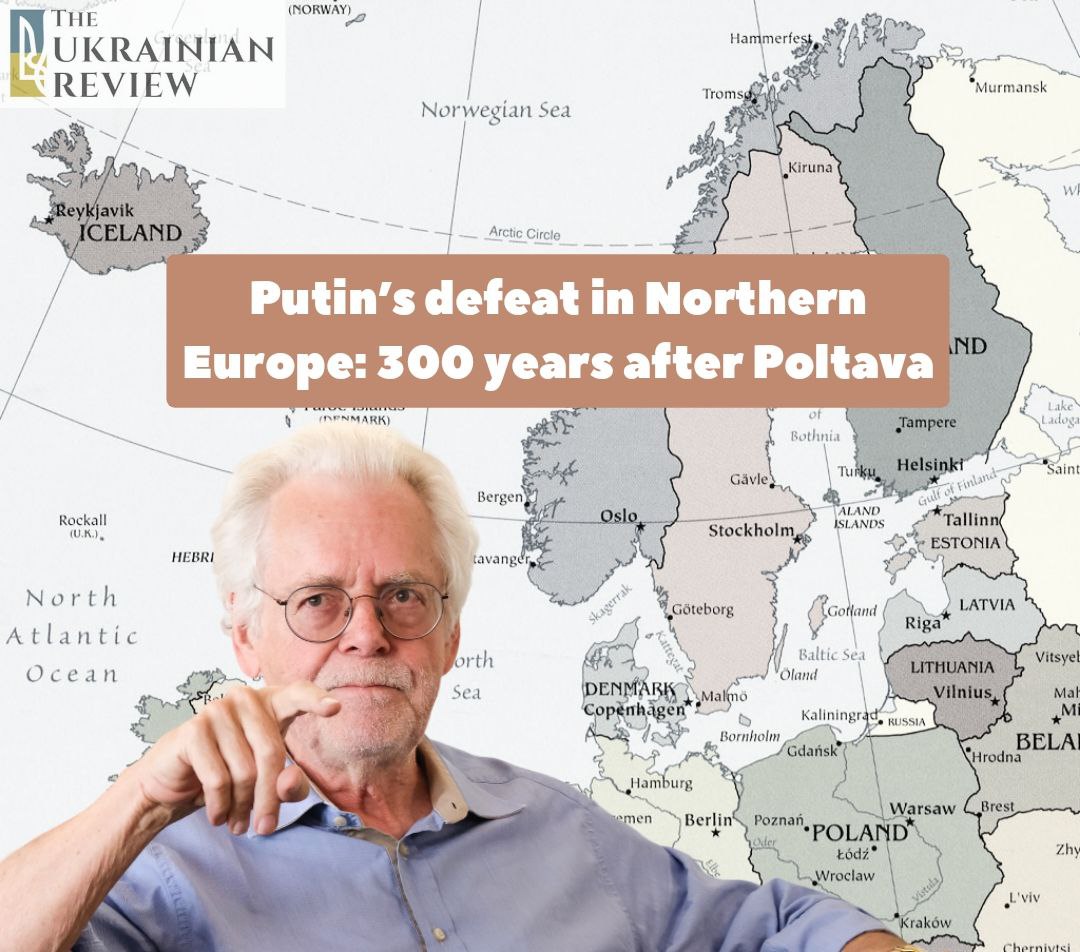


“In Stockholm, the assessment is that the Russians are defending their conquests. They do not have the capacity and certainly, for the moment, no wish to provoke a wider war. From this follows that the Ukrainians must be supported to the fullest”.
Stockholm
Winter lies heavily over Stockholm, which, unlike Copenhagen, is the capital of a high bourgeois-socialist aristocracy. All over the place massive buildings, banks and bridges, trading houses, traffic moving along broad streets except for Gamla Stan, the old town, on its own small island, the epitome of Baltic Middle Age, of times past, but not forgotten. Sweden plays the role of the republic that allows a monarchy, not because the monarch serves any interest of state, that is long gone, but because he or she is decorative, appeases the romantics and is completely harmless. The Danish memory is different: receding royal power, quiet and subdued peasants, a frayed empire, which receives a devastating blow in the Napoleonic wars, then died agonizingly after its defeat in 1864 to Prussia and Austria.
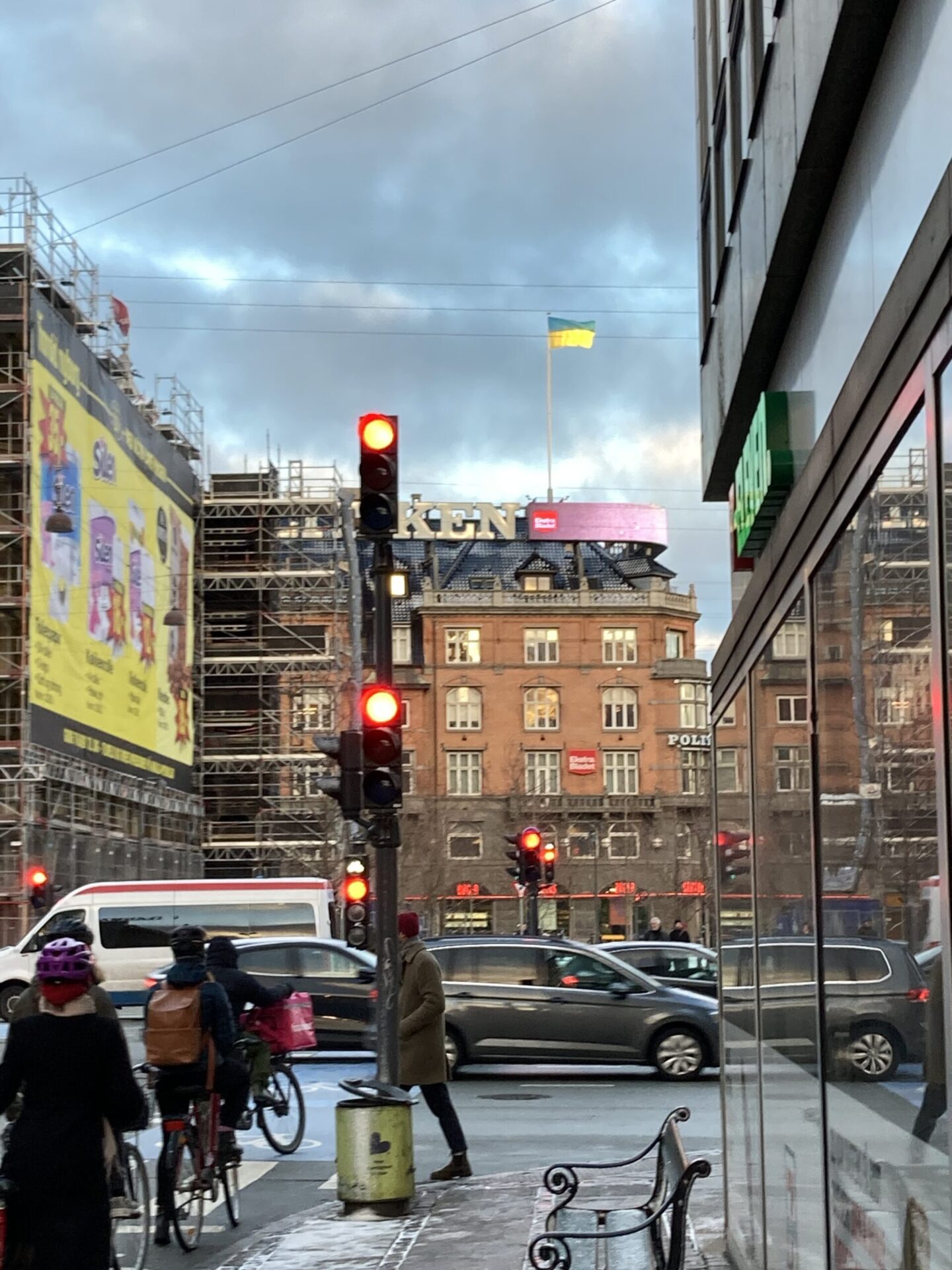
Photo: Per Nyholm, January 2024.
Desperation turned Denmark into a practical, small country. Sweden, formerly a great power in Eastern and Central Europe — and very close to conquering Denmark in the 17th century — lived well into our time with its latest, now fading narrative, that of the moral superpower.
To meet Swedish politicians and diplomats in the 1970s, which was my then very pleasant job, was to meet another world, democratic like the West, but different, also in its neutrality different from Denmark and Norway. Sweden´s two neighbors protected their precarious sovereignty, in the shadow of communist Russia, by sharing it with others, both being members of Nato, Denmark moreover a member of the EU. Sweden, highly armed, wanted to be and to be seen as a power, capable of taking care of itself, a position only partially abandoned in 1995, four years after the fall of the Soviet Union, as the Swedes decided to join the EU.
In the troubled year of 2024, Sweden is impatiently waiting to become a member of Nato*, which is just as impatiently waiting for Sweden’s membership: up to 60,000 well-trained soldiers, an armaments industry, which is producing a lot more than just an Our Father in the nearest church, and which possesses a significant fighting force in North East Europe.
*Turkey approves Sweden’s NATO membership bid after 20-month delay on 23, January 2024 – ed.
After Russia’s attacks on Ukraine in 2014 and 2022, with Finland and the Baltic Republics safely inside Nato, nothing remains of the fabled Nordic balance, which emerged after 1945. Every single country in North East Europe has realized that the Muscovite Empire, whether Tsarist, Communist or Fascist poses a threat to its territory and to its political system. In both Copenhagen and Stockholm, I hear the same melody: Catering to the Kremlin’s appetite for more land and more people will only whet the empire’s appetite. Gone are the dreams and pipedreams, which arose out of the change in 1991. Finland, Poland and the Baltic Republics have almost completely closed their borders to Russia. In Stockholm, where the geopolitics and military dynamics of the North East are being studied and discussed intensively, a view is that the Russian warmonger, Vladimir Putin, has inflicted upon himself a serious and possibly deadly defeat, which this strategic genius, carried on the shields of his own propaganda, hardly anticipated, when he ordered his quantitatively overwhelming, but qualitatively poor army into Ukraine.
The Russian head of state this winter — shortly before a fake presidential election, which will formally confirm him in power until 2030, but surely not guarantee this power or even his physical life — is trying, assisted by the semi-dictatorial rulers of Turkey and Hungary, to sabotage Sweden’s entry into NATO. In practice, also this battle is lost. Sweden already co-operate so closely with the alliance and with the United States that in practice, should the Russian war in Ukraine, for one reason or another, spill over into Nato territory, the Swedish armed forces can be expected to join fully in the Nato response. Is such a spill over imaginable? In Stockholm, the assessment is that the Russians are more than busy, defending their conquests in Ukraine. They do not have the capacity and certainly, for the moment, no wish to provoke a wider war.
Swedish, Danish, Norwegian, Finnish and Baltic territory is open to American bases, to American arsenals and to American soldiers. The thinking is clear that Putin’s Russia must be defeated in Ukraine, not further west. From this follows that the Ukrainians must be supported to the fullest. In North East Europe, well over 300 years after Poltava, history is back with a vengeance, and this time the winner will not be Russia.
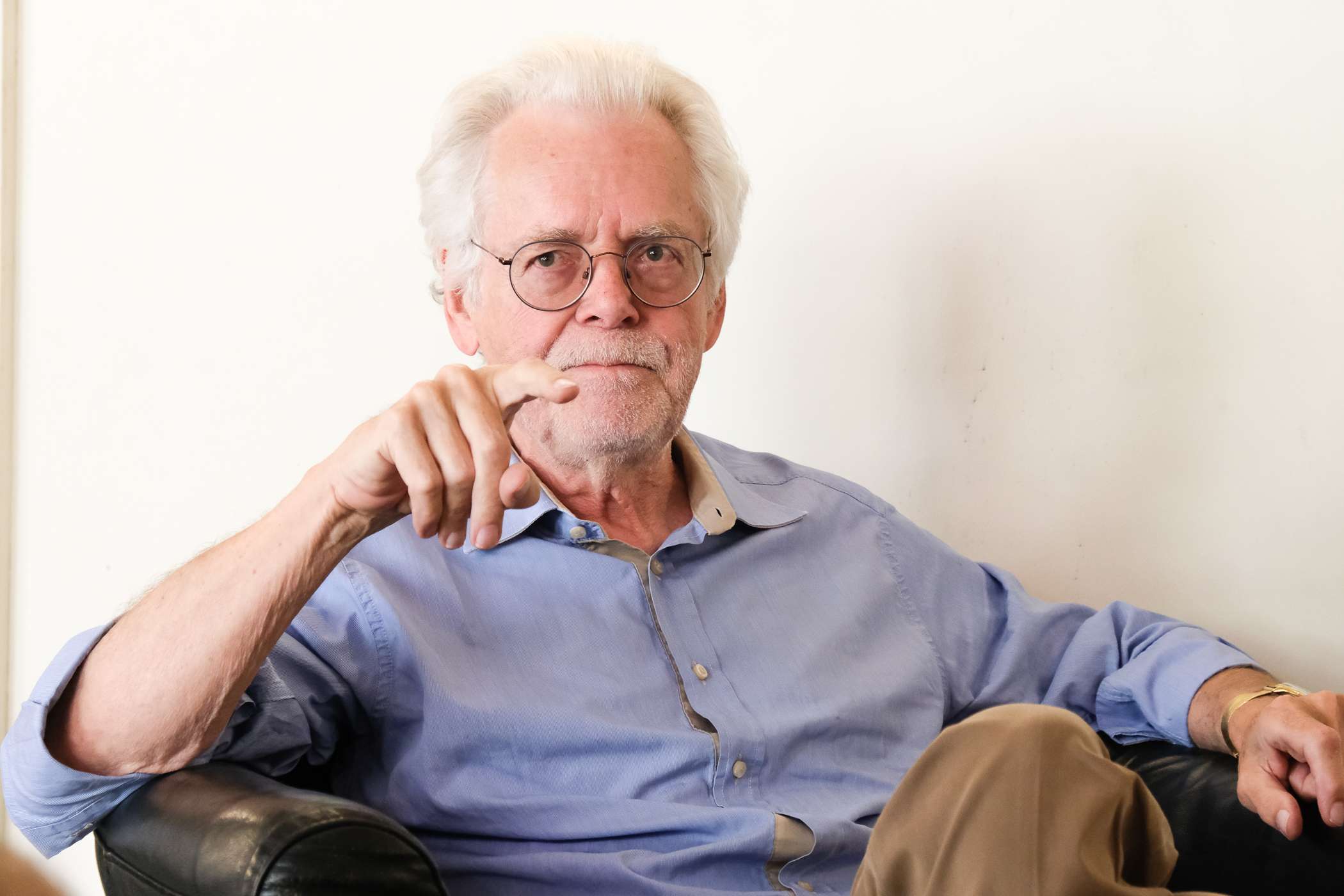
Per Nyholm
Danish journalist since 1960, based in Austria, columnist and foreign correspondent at the liberal Danish daily newspaper Jyllands-Posten. The text was specially written for The Ukrainian Review.