

On the night of January 25, large-scale blackouts hit a number of Russian cities following a series of explosions, likely linked to strikes on energy infrastructure facilities. The most difficult situation was reported in Belgorod, the Bryansk region, Oryol, Taganrog, and several other areas.
Residents reported power outages on social media, while Russian authorities in some regions explained the situation as “scheduled maintenance” or transformer failures.
Belgorod Admits Strike on Energy Facilities
Belgorod region governor Vyacheslav Gladkov said the city experienced the most massive shelling since the beginning of the war. According to him, around 40 missiles were allegedly launched at Belgorod, some of which were intercepted by air defense.
At the same time, the local thermal power plant and other energy infrastructure facilities were hit, causing widespread power outages across the city.
Explosions and Fires Reported in Other Regions
In Taganrog, after an air raid alert was announced, residents reported explosions, fires, and electricity cuts in residential areas. Local authorities, however, did not confirm an attack, blaming the blackout on a damaged transformer.
Blackouts were also reported in Zakamsk in Perm, where a defense plant is located, while explosions were heard in Oryol and the Bryansk region.
OSINT Community Notes Wider Geography of Outages
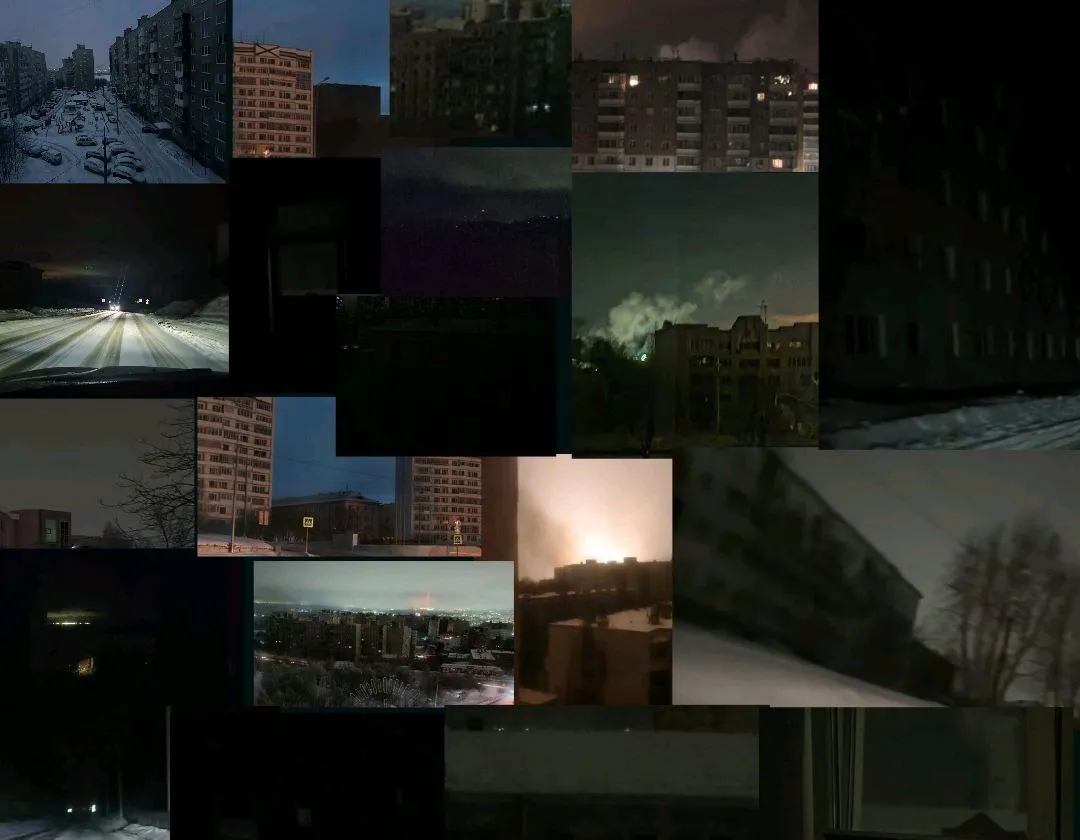
According to OSINT analysts from Exilenova+, power outages that night were recorded not only in border regions but also in Murmansk, Severomorsk, the Rostov region, and several cities near Moscow.
Analysts note that Russian authorities often disguise the consequences of attacks as “scheduled work” to reduce public reaction.
Local electricity restrictions were also reported in the temporarily occupied areas of Donbas and Crimea, where power grids are struggling under heavy load.
In recent weeks, Russia has regularly reported accidents at energy facilities in both border and interior regions. Previously, Belgorod experienced complete blackouts after infrastructure strikes, though official reasons were not always acknowledged.
Situation With Electricity in Ukraine
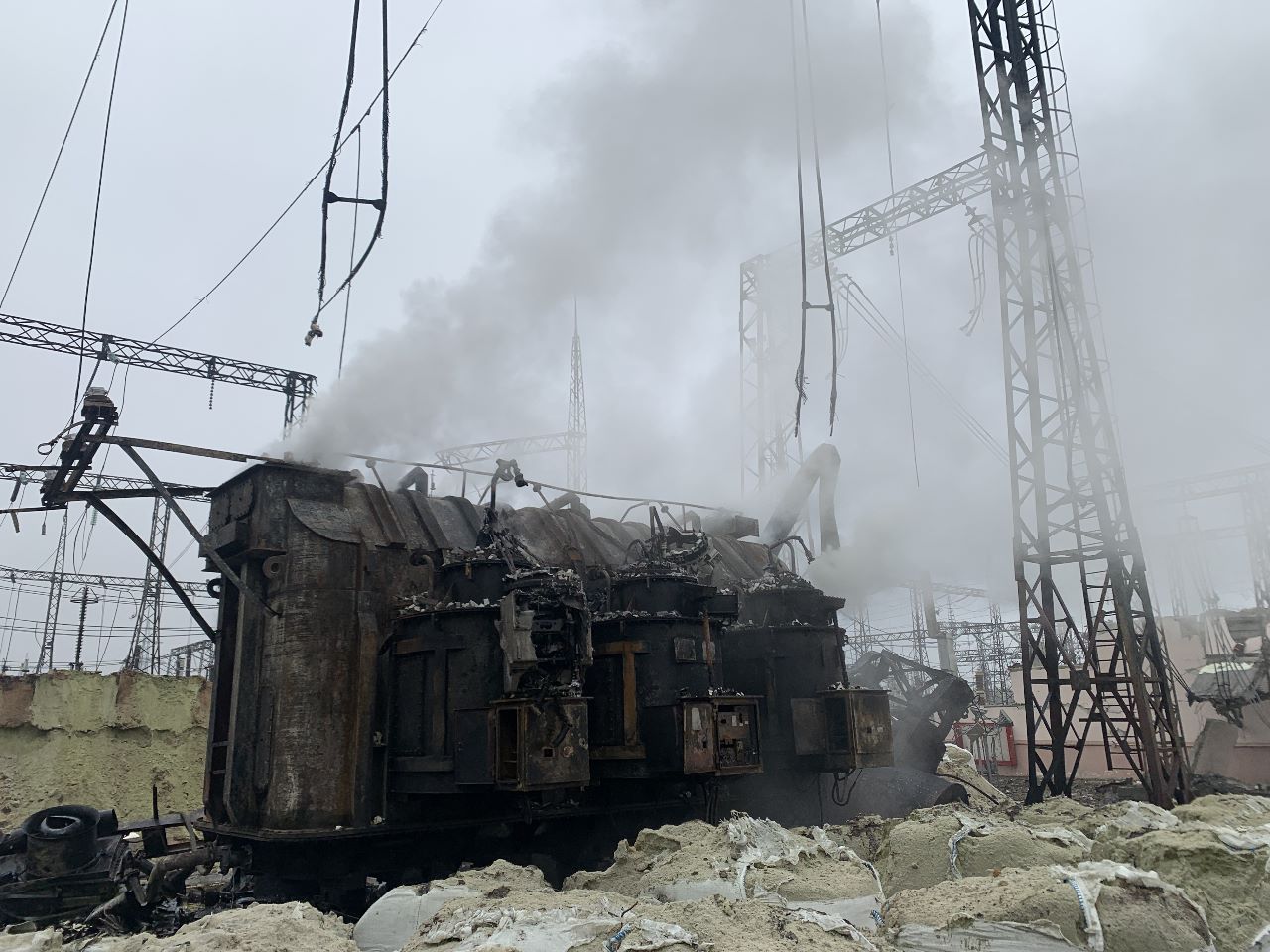
Against the backdrop of outages in Russia, it is important to note that Ukraine has been systematically suffering from massive Russian strikes on power plants, substations, and transmission lines throughout the full-scale war.
In many Ukrainian cities, electricity is cut for 10–18 hours a day under scheduled outages, and in some regions power is not restored for several days after attacks. Due to extensive damage to infrastructure, a state of emergency has been introduced in Ukraine’s energy sector.
Russia deliberately uses strikes on the power system as a tool of pressure on civilians, seeking to plunge Ukrainian cities into cold and darkness.
Conclusion
Power disruptions in Russian regions demonstrate the vulnerability of energy infrastructure even inside the aggressor state itself. At the same time, for Ukraine such events are not isolated incidents but a daily reality due to Russia’s systematic attacks on civilian facilities. The Kremlin, which has used energy terror against Ukrainians for years, is now increasingly facing similar consequences on its own territory.