

Since the beginning of the full-scale invasion, Lithuania has been one of Ukraine’s key allies in these difficult times. The country has provided us with more than €3 billion in financial assistance and even more military support.
Since the beginning of our cooperation, we have supplied equipment worth 15.4 billion euros, and now we have agreed on assistance worth 3.5 billion euros, – said Lithuanian Foreign Minister Gabrielius Landsbergis on October 16, 2024.
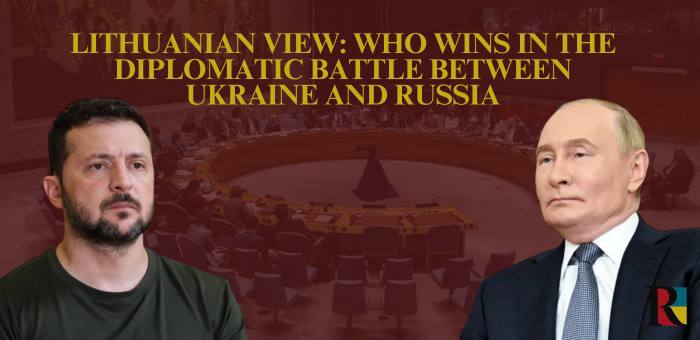
In addition to financial and military assistance, Lithuania is also actively promoting Ukraine’s interests in the international arena. In this article, we talked to three Lithuanian diplomats who explained how Russian diplomacy works, the main geopolitical factors affecting Ukraine, and, of course, why Lithuania supports us so much.
The Commission should initiate more courageous decisions
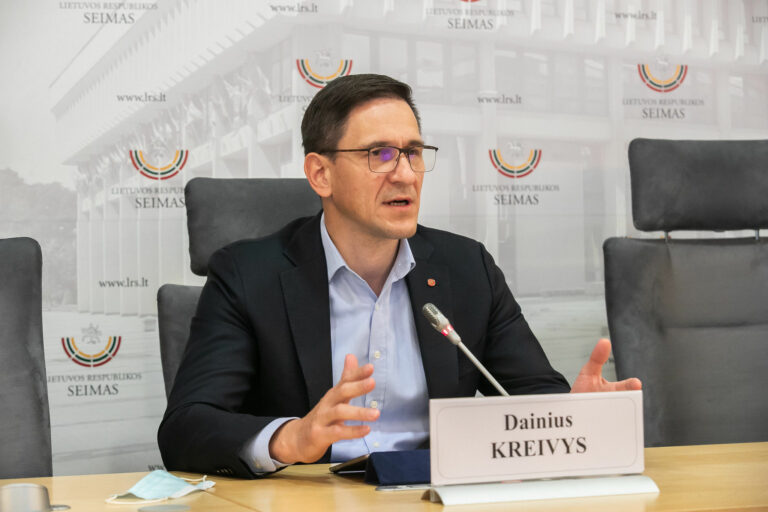
The Ukrainian Review spoke with Dainius Žalimas, MEP from Lithuania, about the EU’s policy towards Ukraine. In particular, on October 16, President of Ukraine Volodymyr Zelenskyy presented the Victory Plan, which consists of five points and three secret annexes. The MEP commented that it is currently difficult to determine a clear position of the European Parliament on Zelenskyy’s plan.
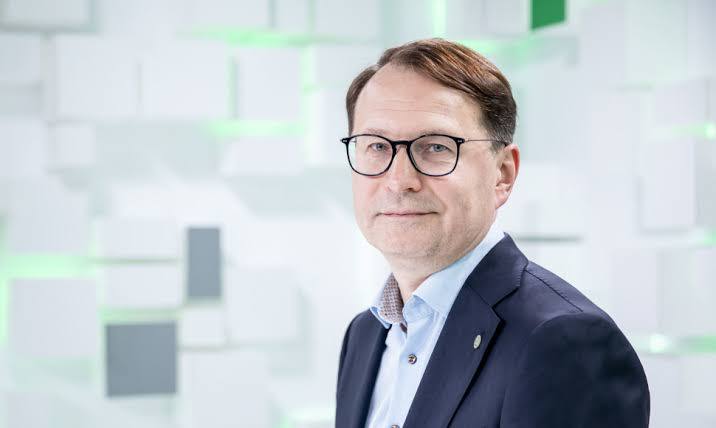
This plan has not yet been discussed at the European Parliament, except for some of its political groups. It is expected to be discussed probably in the forthcoming sessions. It is also likely that the Parliament may express its position in the resolution. The first talks are happening in our political group – Renew Europe.
However, looking at the resolutions already adopted on Ukraine by the Parliament of the present convocation, one can predict the general political support for Zelenskyy’s Victory plan. Indeed, it seems to be the realistic platform for achieving a just peace based on respect for international law and aimed at lasting security for Europe. The European Parliament has already expressed its determination to support Ukraine as much as necessary to achieve victory in this war. It called on all the states to provide all the necessary weapons and equipment as well as to remove all the existing limitations on the use of weapons supplied. It also promotes the Euro-Atlantic integration of Ukraine.
Therefore, he does not see any reason why Zelenskyy’s Victory plan, based on the same principles, could not receive endorsement.
However, more important than the European Parliament’s attitude to Zelenskyy’s plan may be its attitude to the use of frozen Russian assets. There were many disputes over this issue throughout 2024, but eventually, diplomats found a way out of the situation. Now, Ukraine receives loans that will be repaid from the proceeds of frozen Russian assets. One of these is a €35 billion loan that the European Parliament approved on October 22.
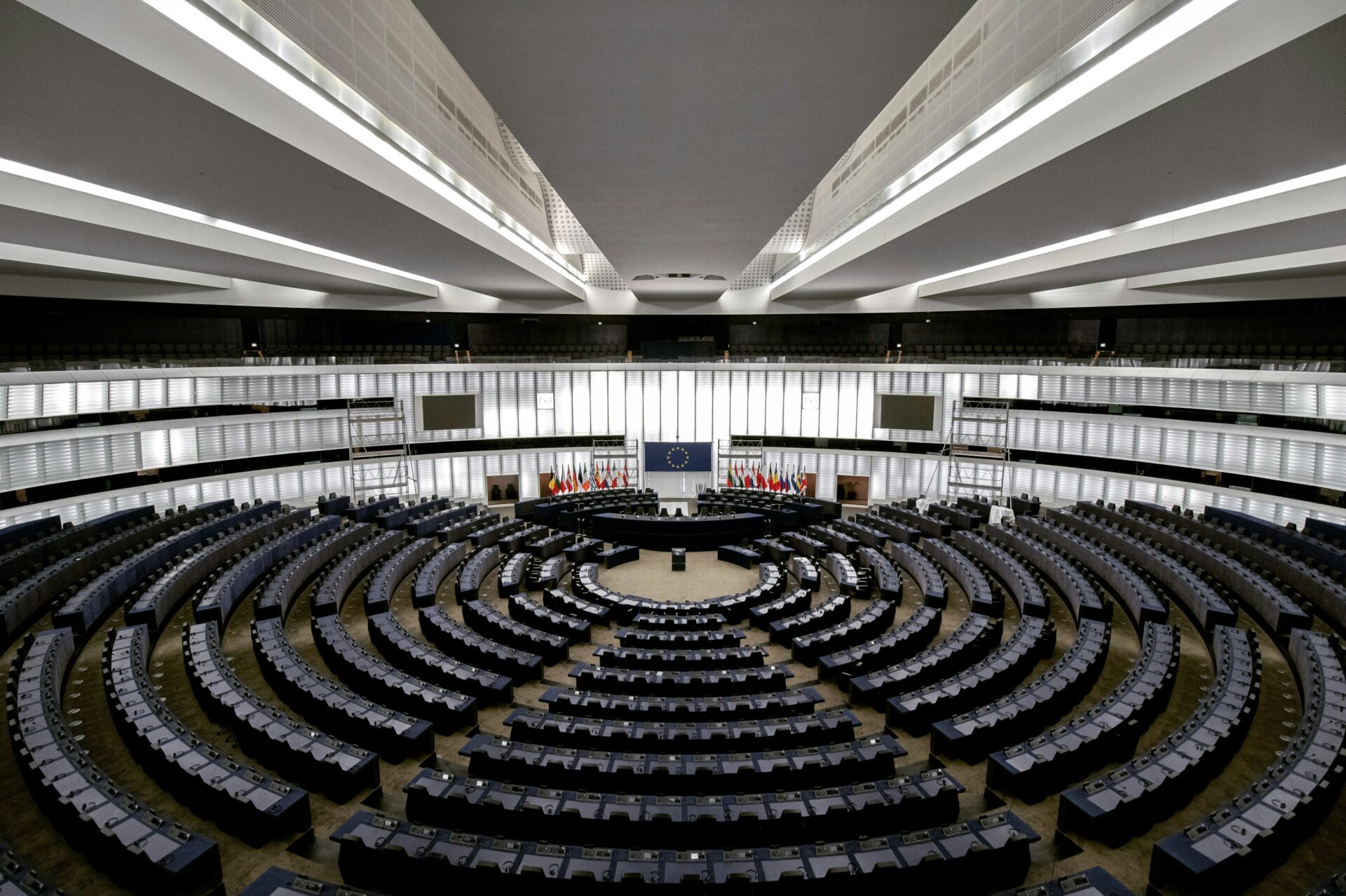
Indeed, the European Parliament has called on the Commission to find a sound legal basis for the use of frozen Russian assets for the needs of defence and reconstruction of Ukraine. More than 200 billion Euros are frozen in Europe, and one can only imagine what a positive effect on Ukraine’s victory can be achieved by using all of them.
However, what is achieved with the decision on the loans financed from the profit received from those immobilised assets is not yet a comprehensive and most effective solution to the problem. Though so far, it is acceptable to the overwhelming majority in the Parliament as the solution that does not raise doubts about legality. But there is also a need to move forward.
The Commission should initiate more courageous decisions regarding the complete confiscation of the frozen assets of the Russian state and those contributing to its aggression and their effective use in strengthening Ukraine’s defence and ensuring Ukraine’s post-war reconstruction, – said Dainius Žalimas.
He convinced that this could be done at the expense of future Russian reparations. By the way, the proposal of the Commission that the Parliament has approved clearly states that Russian state funds must remain frozen until Russia ends its aggressive war against Ukraine and compensates it for all the damage caused by the war.
So why not start using all these funds now? International law also provides for countermeasures that can be used by the entire international community against the aggressor, as all the international community can be regarded as the victim of such a severe breach of international peace. We must make these decisions as soon as possible because by postponing them to the future, we lose the opportunity to end the aggression most effectively, and, what is most important, we are losing the opportunity to save as many human lives as possible.
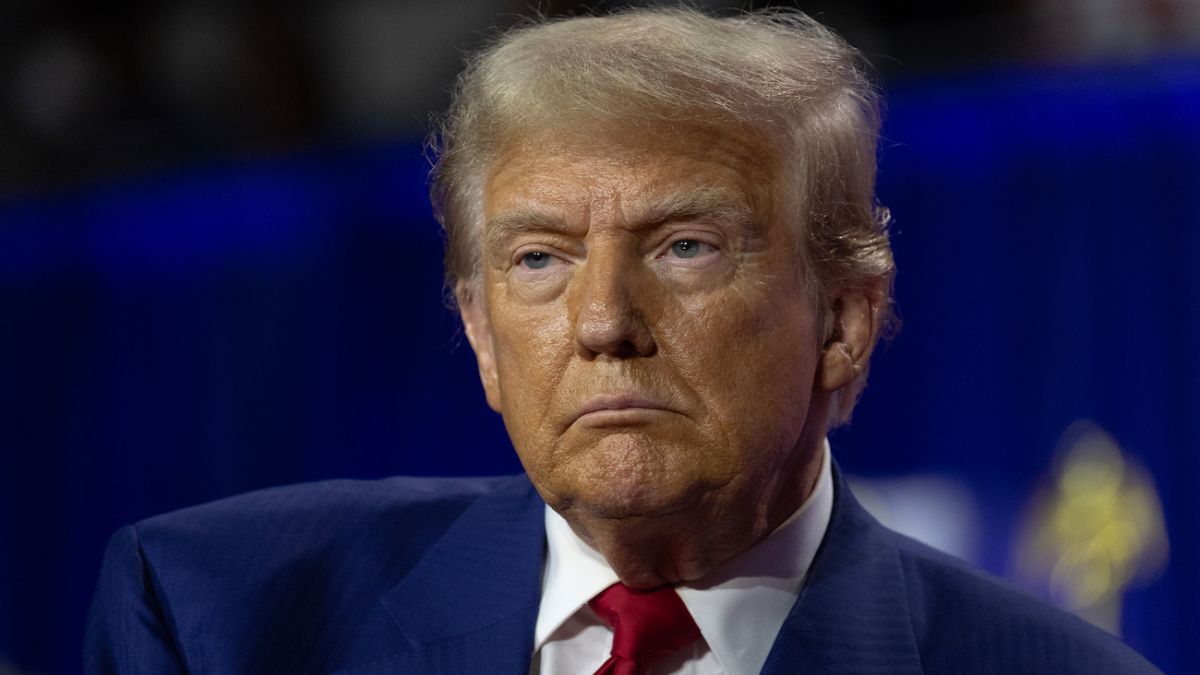
Dainius Žalimas also added that many important geopolitical events took place for Ukraine this year. This is due to the election season worldwide, including neighbouring Moldova and Romania. Nevertheless, the decisive one was, of course, the US presidential election, which Donald Trump won. In his view, a possible retreat from this course by the US would pose a huge challenge not only to Ukraine but to the entire European security. In addition, if the trend of deteriorating democracy prevails in the US, this would inevitably encourage all the populist and authoritarian political actors in Europe.
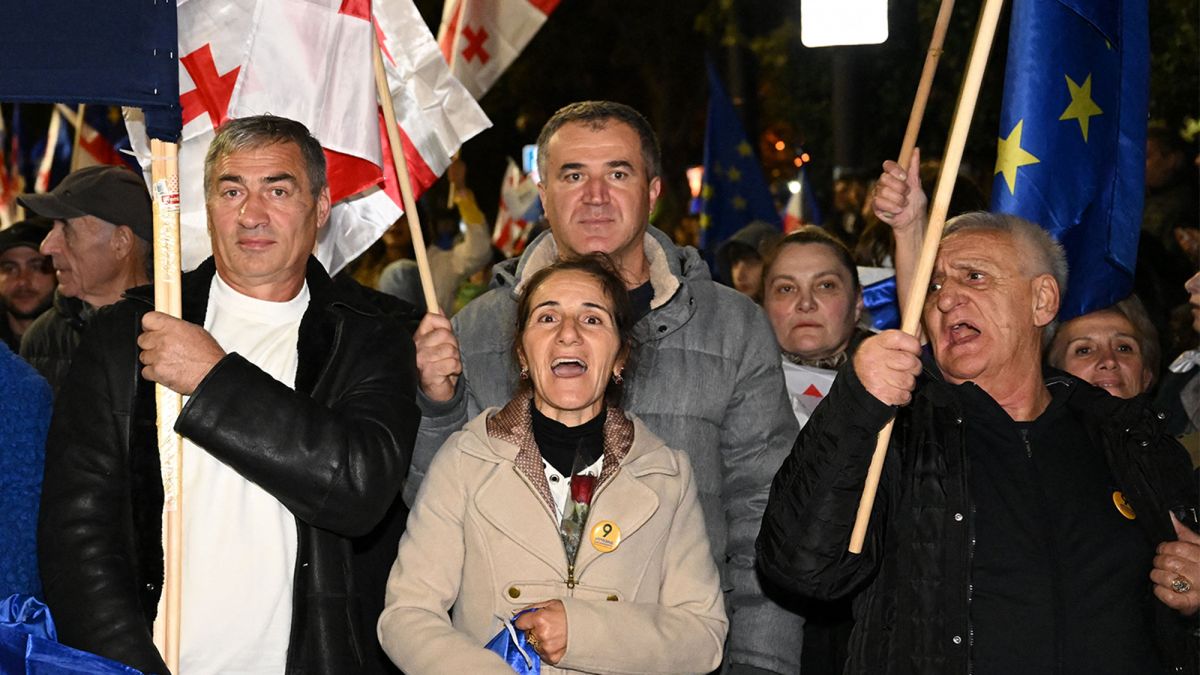
On the other hand, the elections in Moldova and Georgia are important for the defeat of Russia’s influence in the neighbourhood of Ukraine and the European Union. It is also the question of our common security. In particular, the ruling regime in Georgia raises concerns. However, one can expect that the fate of this regime will depend on the future involvement of the US and the Ukrainian success in defeating aggression, – he adds.
Lithuanian view of Russian diplomacy
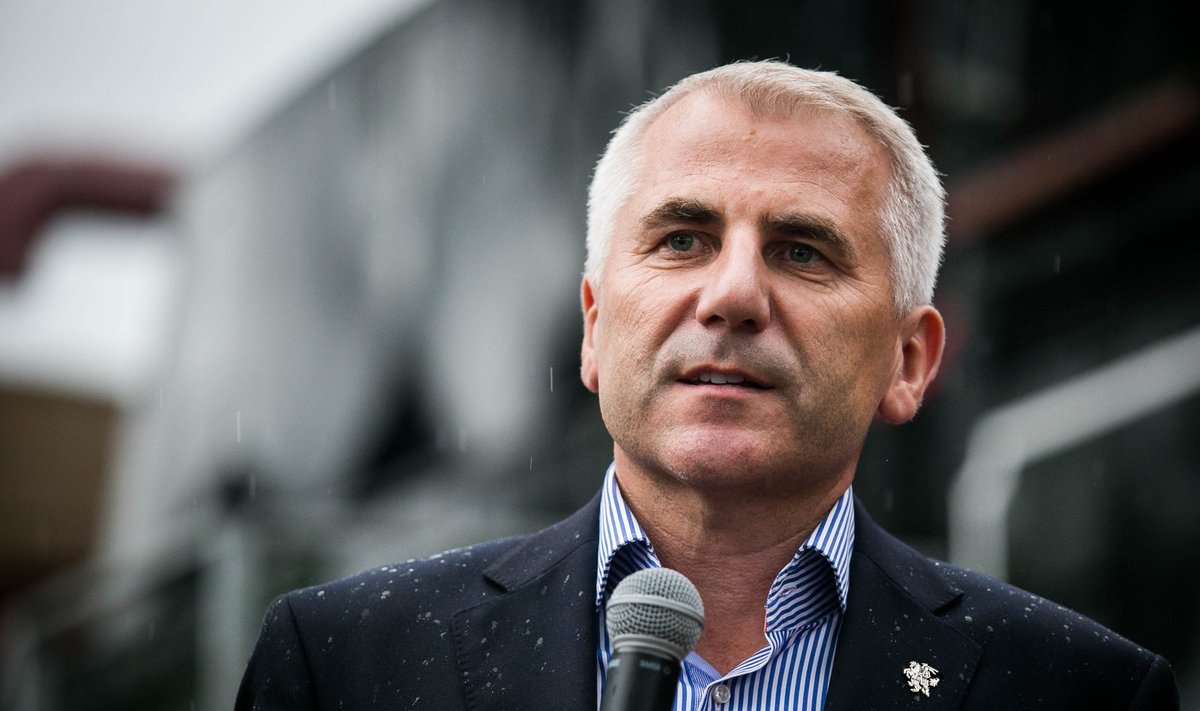
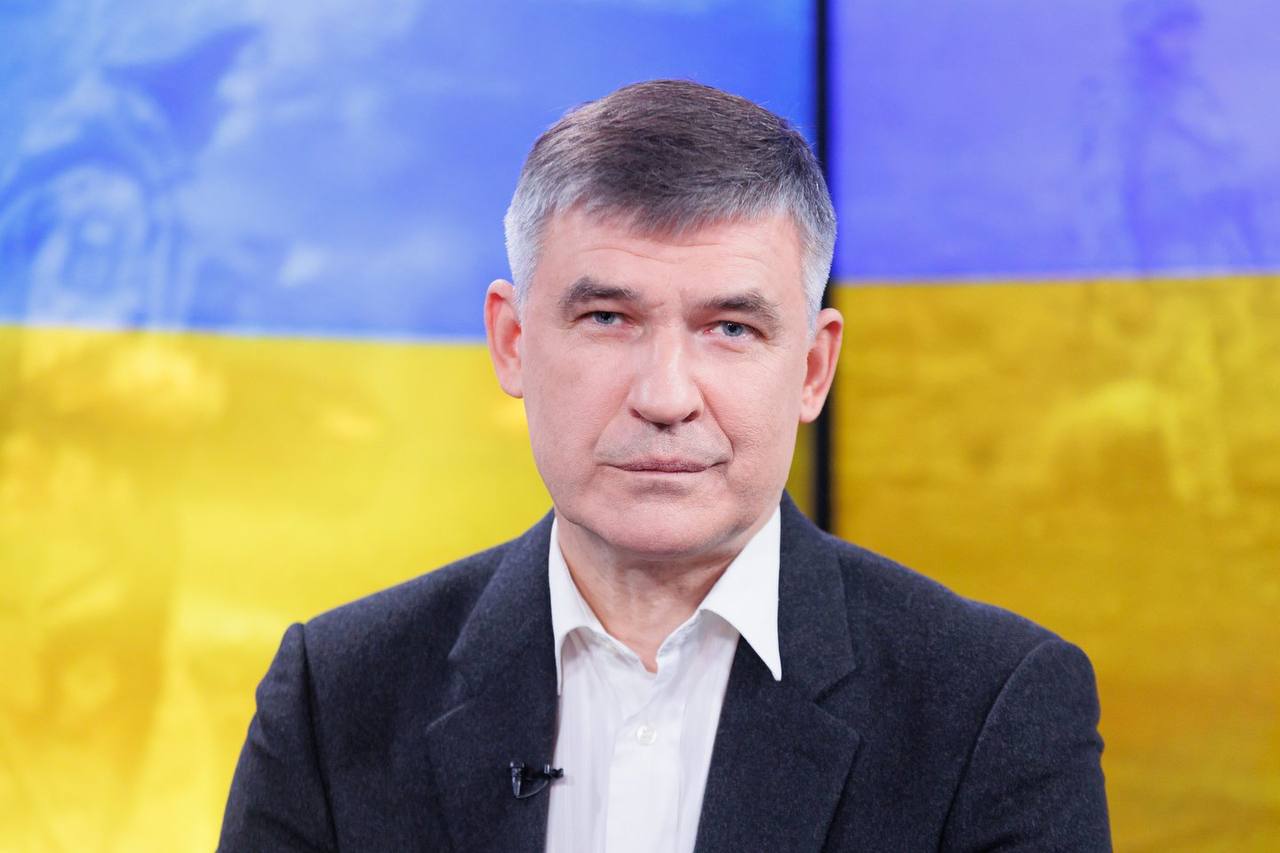
In the context of this article, we also spoke with Vigaudas Ušackas, former EU Ambassador to Russia and former Minister of Foreign Affairs of Lithuania. He explained how Russian diplomacy is currently working in the context of resistance to EU and US sanctions.
I think only force can stop Putin’s military expansion. That’s why it’s so critical that Ukraine receives all necessary military support to increase precision strikes by long-range artillery and push Russia to focus on homeland security. President Zelenskyy’s appeal for Western long-range systems is aimed at regaining an initiative and obtaining an upper hand in eventual negotiations with Russia. Western support will be required to stay in power also after the conflict enters the de-escalation stage so as to better any resurgence and repeat of Russia’s aggression
He believes that there are currently four scenarios under which Russia will voluntarily sit down at the negotiating table.
The first one is a situation when Russia militarily is not winning on the battlefield, and its expansionist goals are put on hold and refuted, while Ukraine is gradually regaining Russian-occupied territories, thus forcing Putin, albeit reluctantly, to start negotiations.
The second scenario is when internal political forces come into play. Exhausted by human losses and fatigue from waiting for the end of a “quick victory“, the grass root movement [human protest – ed], in a similar way, was forced to withdraw from Afghanistan in 1989 completely.
The third reason might be that of economic abscess in Russia. The government is putting aside a record 13.2 trillion rubles for the war budget next year, which will help to stimulate the economy. However, that kind of monster spending cannot continue forever. We have seen already that consumer prices have climbed to 9% year over year.
In August, the Bank of Russia hiked interest rates to 19%, which is the highest they have been since the Ukraine invasion began. Russia is also facing currency problems because of Moscow’s inability to trade, especially for its oil and crude products in US dollars, and they turned to alternative currencies like China’s renminbi, which they also are in short supply.
And the last factor which would influence Putin to sit at the negotiating table is asserting that Ukraine is, of course, if Ukraine and its Allies accept the terms of peace dictated by Russia, which aims at recognising control of occupied territories, withdrawing Ukraine’s application for NATO membership, calling for a change in the leadership of independent Ukraine, imposing ceilings on military, including foreign presence in Ukraine and its particular territories, etc.
According to Vigaudas Ušackas, sanctions against Russia have an effect, but they would be even more decisive if civil activism were commonplace in Russia and people could protest against new economic demands. However, at the moment, such protests are actively suppressed, and there is a fear of expressing opposition views in the country.
As an ambassador of the European Union to Russia back in 2013-2017, when the illegal occupation of Crimea annexation took place and the war started in Ukraine, we, as the West, didn’t use military measures, but we tried to use economic sanctions and personal sanctions with the view to change the attitude and to change the behaviour and decision making in Crimea. We have not succeeded. Why? I think it’s a simple reason. The sanctions do work, and they do impose harm on specific individuals who are linked to President Putin, who benefit from the illegal annexation of Crimea. However, they do not make an intended result because there are loopholes in the sanctions’ regime.
So, there are a number of countries that do not respect and do not implement sanctions. Russia remains in close economic relationships with not only China but many other countries, and those economic relationships they do maintain the economy alive afloat.
We asked the former Lithuanian foreign minister if he expected Russia to appear at the Second International Peace Summit, which was to take place in November this year. He replied that there is no need for Russia to do so because it wants to talk to the “boss.”
I don’t expect Russia to participate in the International Peace Summit. Why should they? If you follow Putin’s rationale and behaviour, he wants to talk to the new boss in the White House, not even to Zelenskyy. He wants to divide spheres of influence. He wants to talk to the boss, not the client. His people can talk with the government in Kyiv, but his main target and his main counterpart for negotiations is the White House, who is going to be the new President of the United States. That’s what matters.
Despite the importance of proper communication with the new US president, Vigaudas Ušackas advised not to underestimate Europe’s contribution to supporting Ukraine. It is this region that plays a key role in the agreements with the United States and in rebuilding Ukraine after the war.
And I hope Kyiv appreciates that it will be Europeans who will assume great responsibility, and by not only the European Union but inevitably the United Kingdom and Norway who have key roles to play. It has its own traditions and is a strong and voiceful ally of Ukraine, so while President Zelensky conducts his negotiations with the United States, my humble advice is to talk to Europeans and come with Europeans together on a contract with a new White House regarding Ukraine.
So Europe and Ukraine need to act together to work out a new contract with the U.S. after the November elections, which would ensure that Americans stay engaged in Ukraine, that Americans stay engaged militarily on the eastern flank, which is of primary interest for the Baltics, Poland, Romania and others. That would allow Americans to retain diplomatic influence, and American diplomacy is the most influential diplomacy in the world through their networks of talented diplomacy.
Why are Lithuanians doing all this?
More than 2,5 years goes Russia’s war against the independence of Ukraine. The whole time, and even earlier, the government of Lithuania and ordinary people demonstrated solidarity in all possible ways to help Ukraine stay as an independent country.
Since February 2022, Lithuania provided military assistance to Ukraine for 705 mln. EUR. The whole assistance programme of Lithuania to Ukraine is more than 3 billion EUR.
Alvydas Medalinskas, Political Analyst of Mykolas Romeris University, Vilnius, Former Chairman of the Foreign Affairs Committee, Parliament of Lithuania International Consultant, and Expert of The Ukrainian Review, summarised his countrymen and explained why Lithuania has become a loyal friend to Ukraine.
Let’s look just at 2 military assistance programmes in which Lithuania is involved. On November 4, 2024, Laurynas Kasciunas, the Minister of Defense, brought to Kyiv the part of the assistance package from the Western demining coalition: 230 pick trucks and 240 mine detectors. For the next year, Lithuania allocated 30 mln EUR in the budget for the needs of the demining coalition and also a significant amount of money for drones, which Ukraine will be able to buy from Lithuanian producers. Lithuania also allocated some amount of money for the support of the Ukrainian long range weapon “Palianytca” programme. Various structures of The Ministry of the Interior of the Republic of Lithuania also provided military assistance programmes. There are other assistance programmes from other ministries of Lithuania and state institutions. Probably every state institution of Lithuania is involved in whatever assistance and partnership programme in Ukraine.
Understanding that, apart from military security, one of the most significant challenges is energy security, because of Russian drones and cruise missile attacks against the energy infrastructure of Ukraine, all Lithuanian municipalities who have partner cities and towns in Ukraine provided various numbers of electric generators. The Lithuanian Ministry of Energy decided to dismantle one of the Lithuanian thermoelectric stations in Lithuania and provide it to Ukraine as assistance. Lithuanian businesses provided solar systems.
The Lithuanian government and businesses are involved in building shelters together. Lithuania, on the Government level, has two severely damaged towns by Russia’s aggression in the Kyiv region: Borodyanka and Bucha signed a Memorandum of Understanding on the development of these towns and their planning, and reconstruction.
Civic society is also very active in Lithuania by providing assistance to the front, what is possible. Almost every week, one or another group from Lithuania brings assistance and help, such as pickup trucks and other cars for the front, drones, anti-radar systems, etc. Only on November 4, more than 50 pickup trucks collected as assistance to the front in Ukraine were brought to the frontline. There is an important annual tradition by the civic society of Lithuania: collecting money from the people of Lithuania with the help of a special programme on Lithuanian TV for the needs of the front in Ukraine. Civic initiative Radarom in 2022-2023 collected 22,5 mln. EUR and the same initiative will be repeated again at the end of this year and the beginning of next year. All collected money will be used as an assistance package to the front.
Alvydas Medalinskas, in addition to briefly describing the assistance provided by Lithuania to Ukraine, also answered the main question – Why are Lithuanians doing all this?
First of all, there is a great sense of solidarity with people of Ukraine, who are fighting for independence against Russian aggression. Lithuania also fought for freedom during the Cold War until the end of the Soviet Union, and many people know that.
Secondly, we understand that there is a common danger for European security: Putinism, which has a very aggressive ideology on foreign and security policy, and all efforts of various nations have to be united in order to help Ukraine against such an enemy.
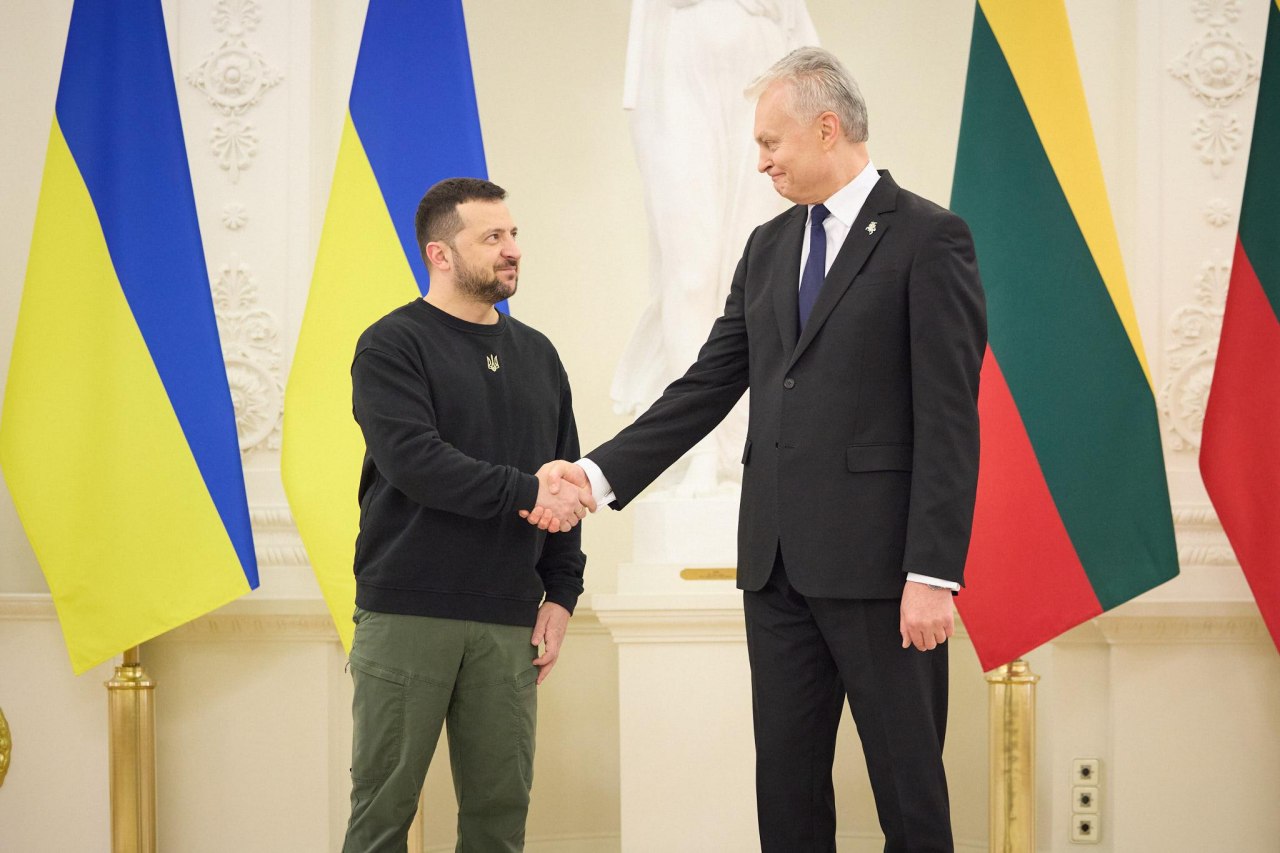
Thirdly, we also have to look at the future. Two European nations, Lithuania and Ukraine, will have many common points for the cooperation when the war against Russia is over, and hopefully, Ukraine will also be in the Euro-Atlantic community. Today, with common efforts from the government and society, we are building a solid basis for such cooperation between the two European nations in the future.
***
Today, in the geopolitical arena, we see a struggle between Ukrainian interests and Russian interests. On the one hand, Ukraine receives great support from the United States and European countries, including our faithful friend Lithuania, which helps us in military, economic and humanitarian areas. But on the other hand, we are now witnessing uncertainty about the release of frozen Russian assets to Ukraine and Trump’s victory in the US election, which leaves many questions about the future course of events.
We see sanctions from the EU and the US having a direct impact on Russia’s economy, but at the same time, we see Russians unable to resist their authorities and a government that still manages to avoid global restrictions. Despite the ambiguity of our situation, we can still be confident in the support of our key allies, who will continue to advocate Ukraine’s interests at the highest levels. Lithuania will always be our friend, sharing our basic views and believing in the development of our country as a strategic partner.
Tetiana Stelmakh
Artem Kasparian