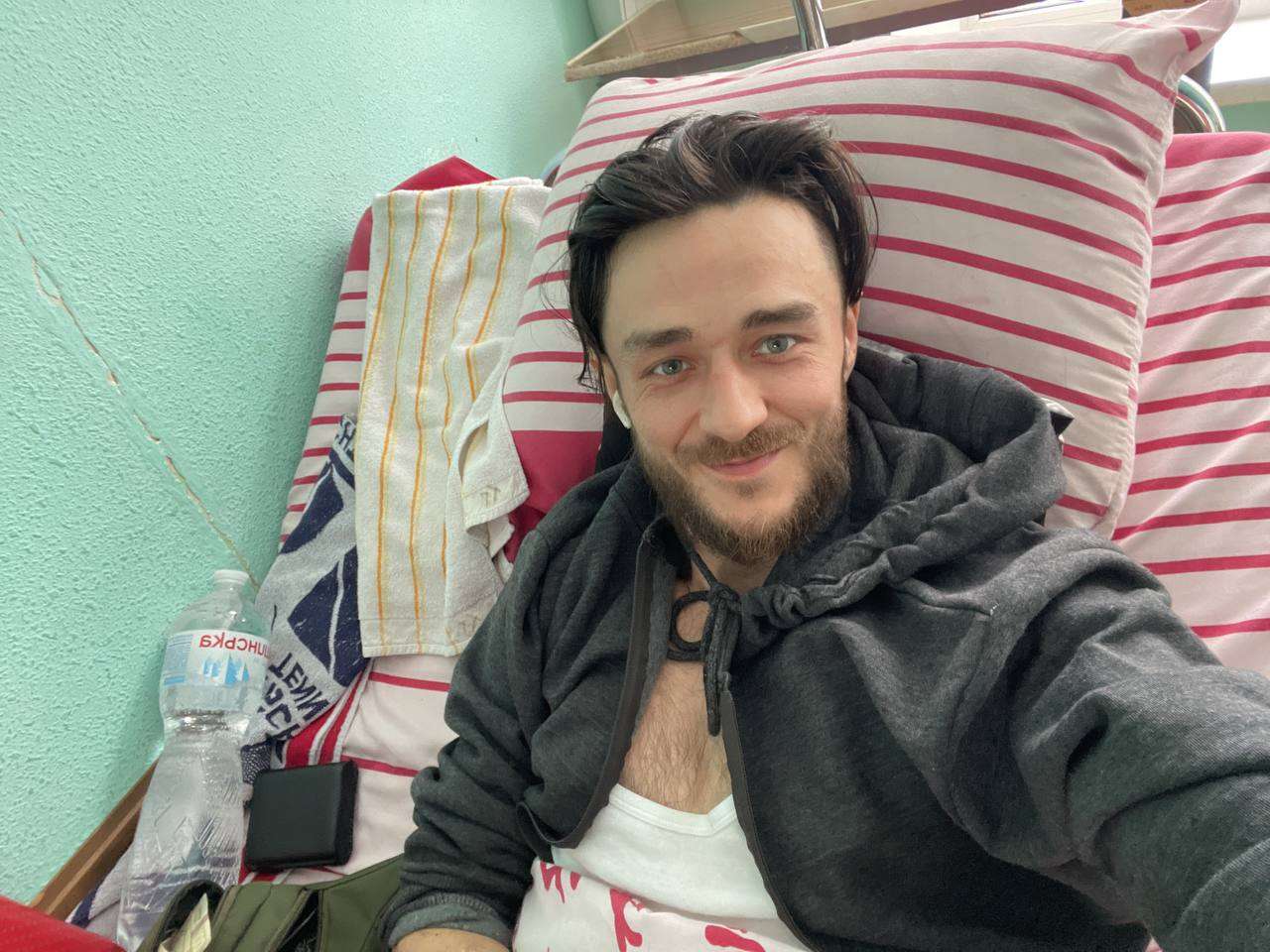
This story is like a litmus test of the Ukrainian people’s heroic resistance to Russian aggression. The Ukrainian Review talked to wounded serviceman Ivan Tarn, who is currently undergoing a rehabilitation course in a Vinnytsia hospital.
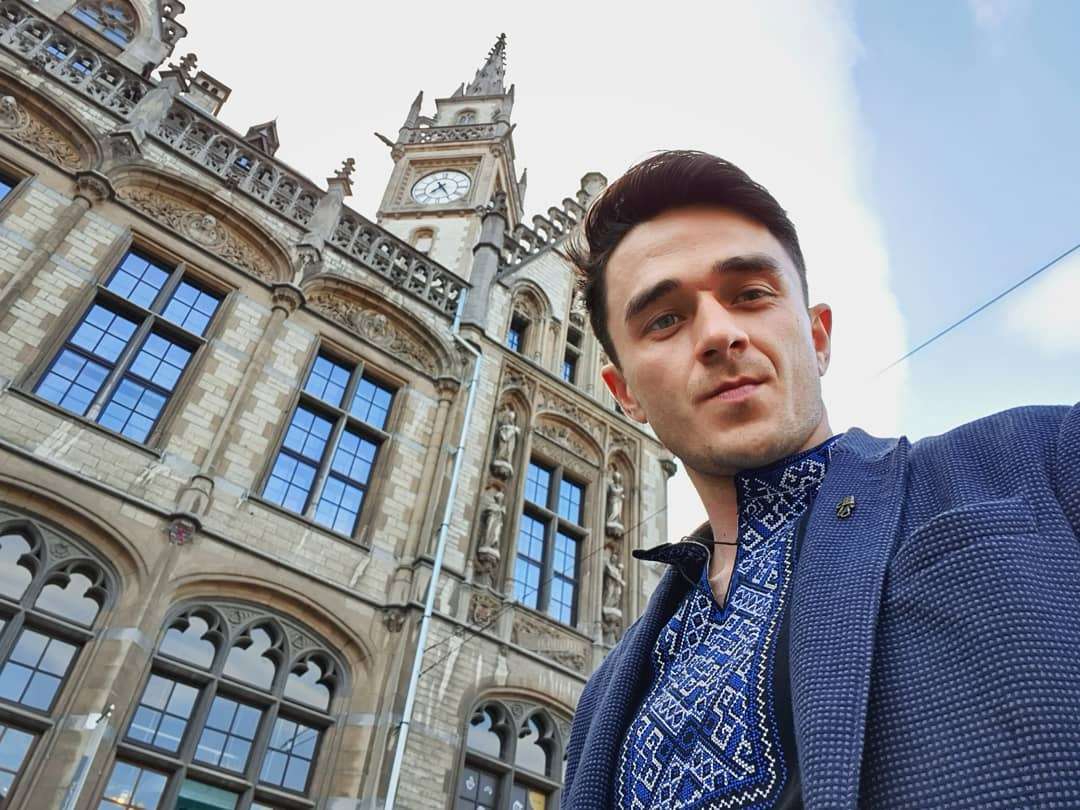
Ivan was born in Ternopil. When he was 10 years old, the family moved to Belgium. Ivan received his education there, served in the French Foreign Legion, and built a successful business. He did not forget about the Motherland, periodically visiting his native Ternopil.
A successful businessman returns home
Q: Ivan, how did it happen that you returned to Ukraine on a permanent basis?
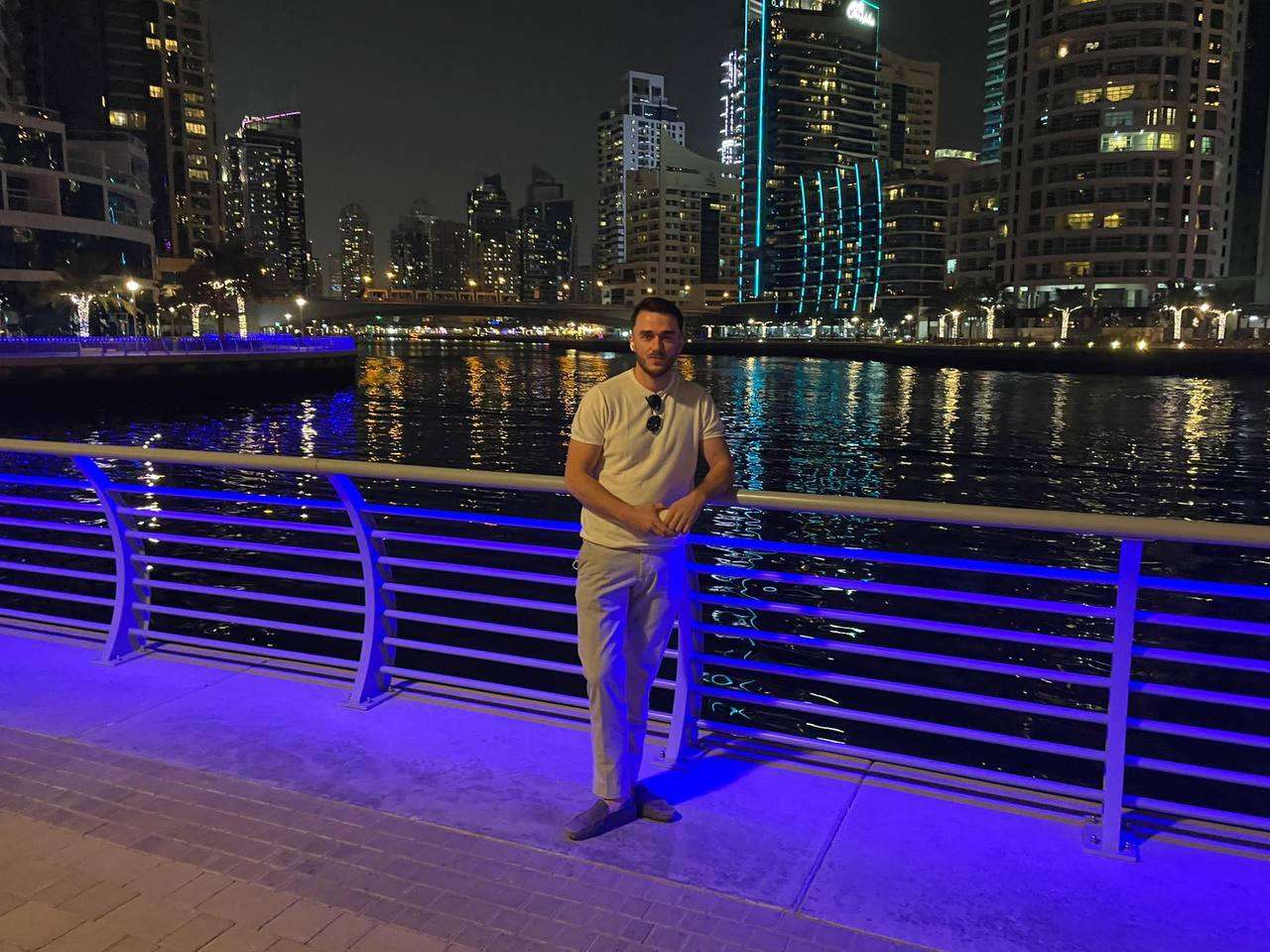
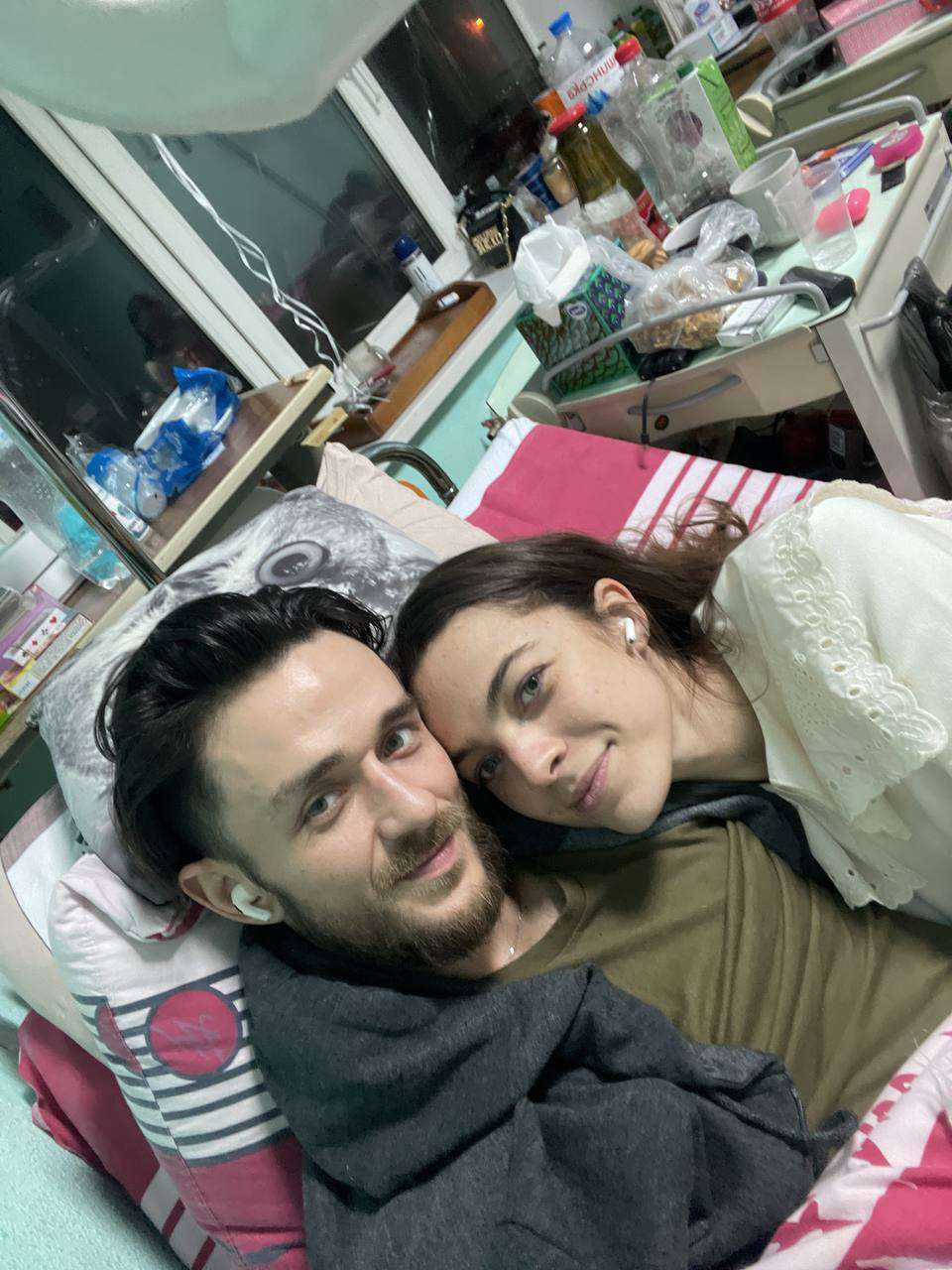
A: COVID-19 forced me to return to Ukraine. I often traveled to Ukraine, but not for long time – a week, or two at most. And then there was a lockdown and I was delayed for a couple of months. I got friends and acquaintances. Bought an apartment in Ternopil, and started to make repairs. The lockdown ended, but somehow, I spent most of my life in Ukraine. Transferred the job to remote work, although it appeared in Belgium. Shortly before the full-scale war, I met my wife. Our views on life and, I would say, values immediately converged, although we met only two weeks before the full-scale war. As it all began, we realized that it was necessary to either run away or move into a more serious relationship. We decided that we are ready for this.
Return, volunteering, army
Immediately after the invasion, Ivan decided that he would go to the front to defend the Motherland. It was a matter of honor for him.
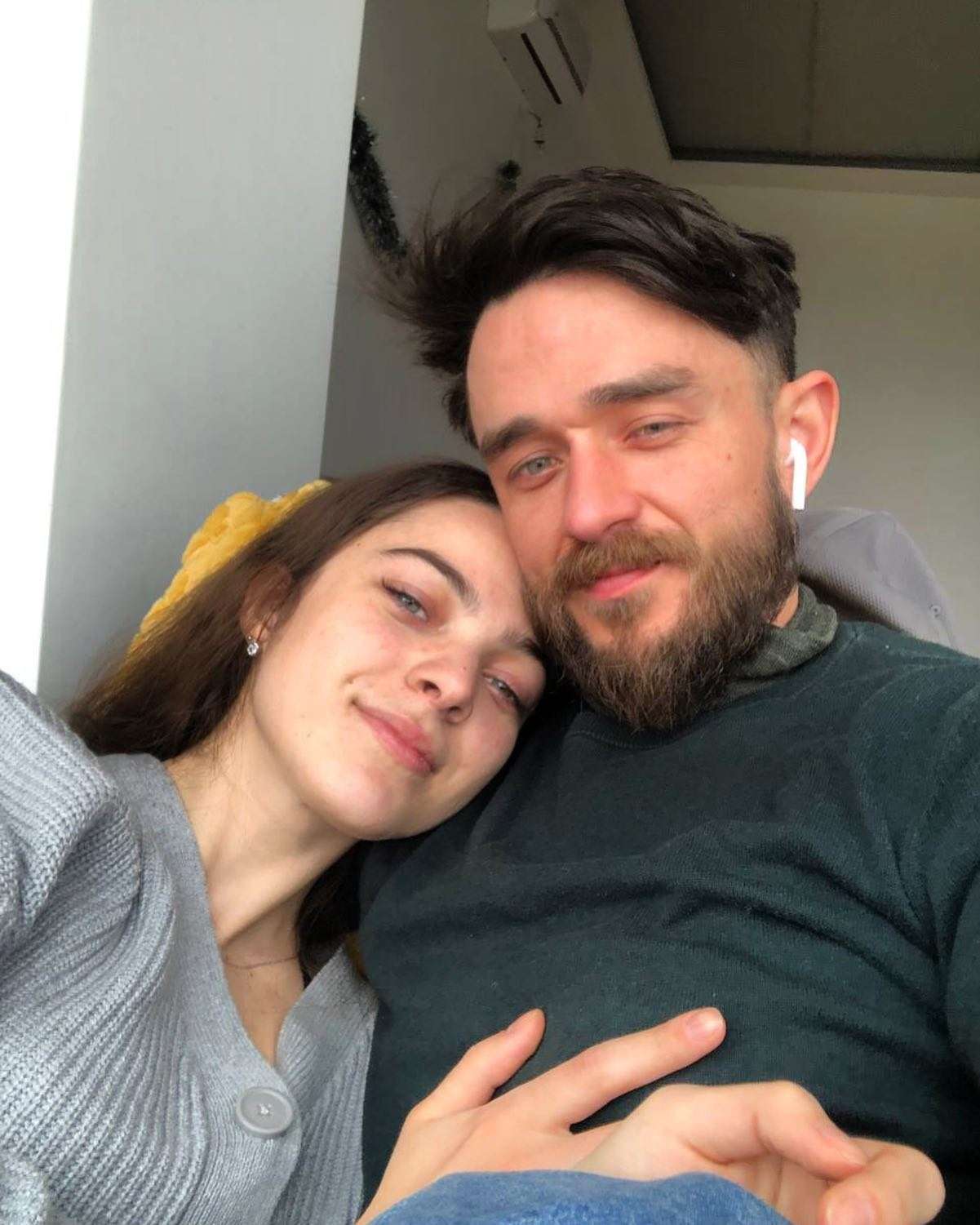
Q: You and your girlfriend have just started a romantic relationship, and here is a terrible invasion by the Russians. How did you perceive it emotionally?
A: There was no such moment to assess one’s emotional state. I had many tasks, I helped my close women and children, the closest people to leave, then I immediately started volunteering. There was a lot of work, a lot of care, so there was no time to think about it at the very beginning.
Q: When did you decide to switch from volunteering to serving in the Armed Forces?
A: When I realized what was happening, I immediately decided for myself to go to serve, to go to war. I had no military experience specifically in Ukraine, I didn’t quite understand how it was happening. I saw huge queues at the military offices. First, I decided to find ammunition for myself, thanks to friends and Europe, I gathered everything I needed! At that time, I was already negotiating with some units that were not against me to take. I finished my volunteer work (more precisely, handed it over), packed up, and left [for a war].
Fighting in Bakhmut and a severe wound
Q.: Did you have priorities regarding the assignment, to the type of armed forces you want to go to?
A: I didn’t have a priority; I had an understanding that I could. I wanted to be as useful as possible.
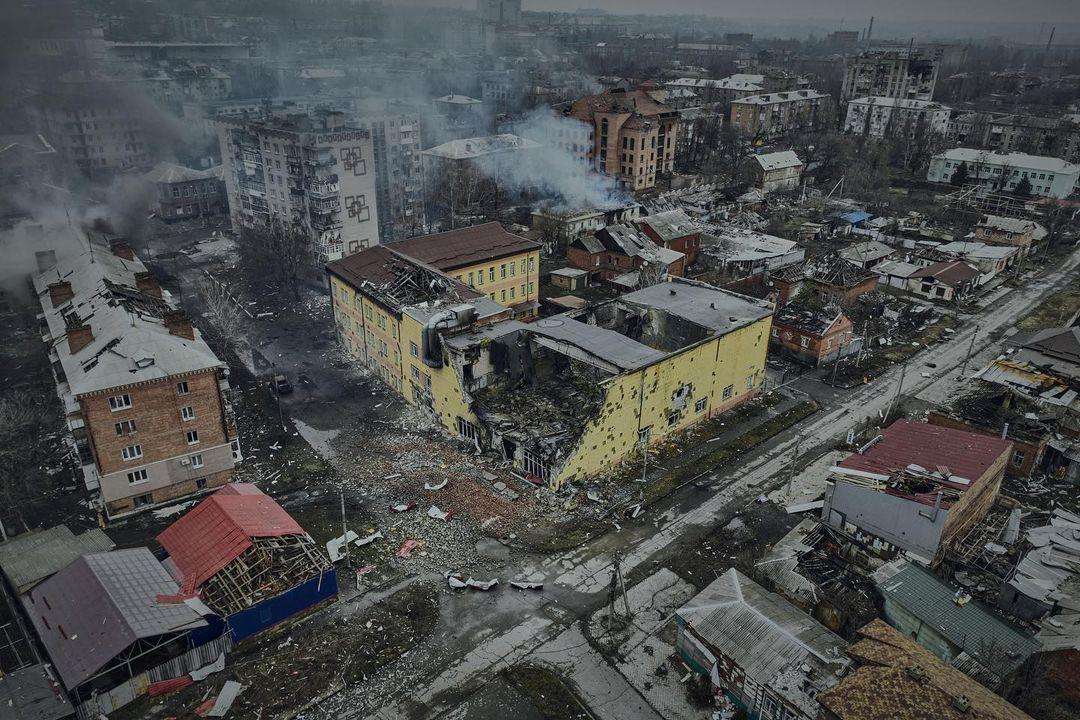
Ivan courageously fulfilled his military duty and fate prepared a new test for the man: he ended up in Bakhmut, where the fiercest battles have been going on for eight months. The aggressor is trying with all his might to seize this city, not sparing either his own [mostly long-term prisoners from the PMC “Wagner”] or others. During one of the numerous Russian attacks, Ivan’s comrade-in-arms was wounded. While rescuing his comrades, the hero was seriously wounded.
Q: Ivan, I understand that this is a very difficult topic, but I cannot help but ask about your injury.
A: I was wounded in Bakhmut while evacuating my brother-in-arms. I was on the emergency response team. We received information that we have a wounded soldier under enemy fire. He needs to be taken out of there. There were serious battles: shooting, artillery, shelling, everything in a row — as always in Bakhmut. We had a group of four men: a medic and three [soldiers] for evacuation. We got there successfully. The wounded soldier was stabilized and put on a stretcher. All that was left for us to do was to follow the tracks we had followed. Of course, this sounds easier than it is done because Bakhmut was already a complete ruin at that time. And there was cluster PFM-1 (anti-personnel high-explosive mine “Petals” — ed.)…
Q: I’m sorry, I’ll interrupt. Did this weapon prohibit by international law?
A: True, they are prohibited by the Ottawa Treaty, if I am not mistaken, but Russia either did not sign it, or signed it, but did not ratify it. The point is that most of the world’s countries have banned their use, but Russia has not [actually, Russia has not joined the Ottawa Treaty banning anti-personnel mines from December 3, 1997, currently 163 countries are signatories to the document — ed.]. And when we were already carrying out my brothers-in-arms, I stepped on a mine. I was injured first. We had about 3 km left to go, my friend received the same identical injury, also his right foot, about two hundred meters later.
Two months in hell and back
Q: How long were you in Bakhmut before you were wounded?
A: It was already the second month before the injury. Before that, we were already in Bakhmut, but for a short period. Due to the specifics of the work, we did not stand for a long time on one part of the front. Where it was most difficult, where our help was needed, we joined there.
Q: How is your treatment going, what is your condition now?
A: I had the entire front part of my foot amputated, only the heel remained. Everything is pretty good now. However, it heals a little longer than I wanted. I thought it would go a little faster and I would be able to engage in prosthetics and rehabilitation, but you can’t fool nature, you have to give it time to heal. I also want to note that I had never encountered hospitals in Ukraine before, I had a hard time imagining how they functioned. I am pleasantly surprised by the level of care for us both by doctors and volunteers.
Despite the serious injury, Ivan is going to return to the service to help the Armed Forces win this dirty war, which was unleashed by the aggressor.
Q: Last question: Ivan, what are your plans for the near future?
A: After rehabilitation, I remain in the service. I will make every effort to get back on my feet as before, but let’s be realistic: it is unlikely that I will be able to fully participate in the war as before. So active, at least. I hope that I will find a job either in the headquarters or as an instructor. I am sure that I can still be useful.
Interviewed by Kostyantyn Grechany
Translated by Stanislav Kinka