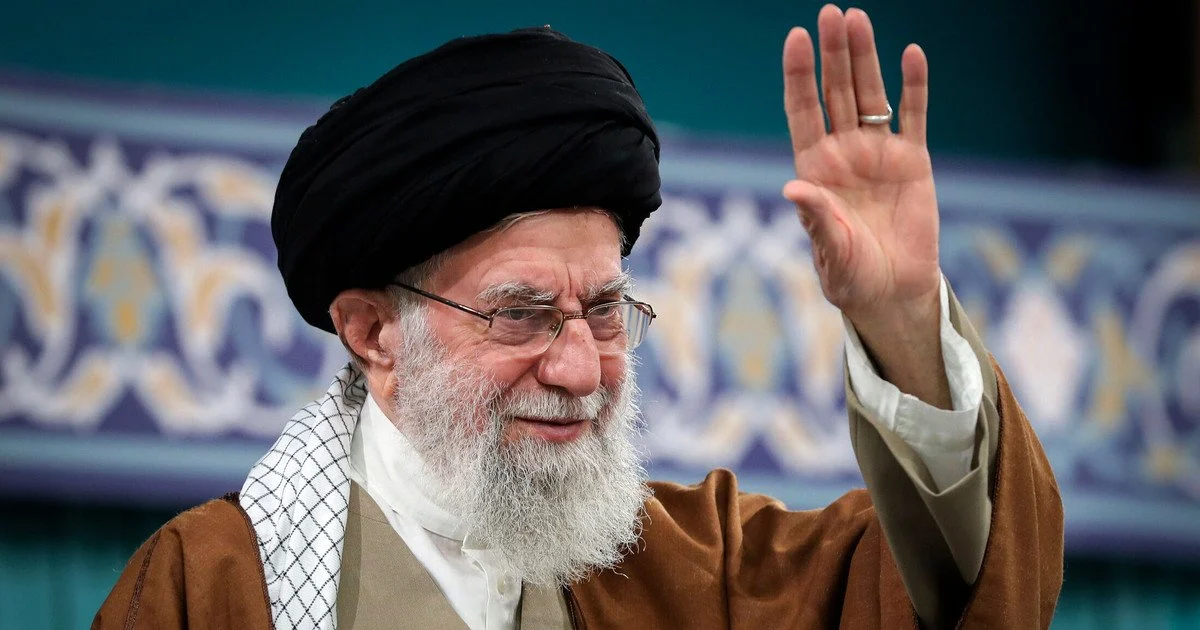


To eliminate Iran’s Supreme Leader, Ayatollah Ali Khamenei, Israel gathered intelligence for several years. Security services monitored his residence and waited for the right moment to strike.
Surveillance Cameras
The Financial Times reported on the plan to kill Khamenei. According to the outlet, encrypted data from surveillance cameras in Tehran was transmitted to servers in Tel Aviv and southern Israel. The cameras had been hacked in advance and operated in real time.
The footage helped identify an area near Khamenei’s residence where guards and drivers of senior officials parked their vehicles. This allowed Israeli intelligence to understand how the protected complex functioned. The recordings also helped track security personnel. Israeli services learned their home addresses, work schedules, and daily routes. The cameras further revealed which officials these employees escorted.
After years of intelligence work, Israel prepared a plan to kill Khamenei. Intelligence services determined exactly when the ayatollah would be in his office. One intelligence official told the outlet that long before the strikes on Iran, Israeli services knew Tehran as well as Jerusalem.
Blocking Communications
Israel’s signals intelligence unit, Section 8200, participated in preparing the attack. The unit collected data through social media analysis. Before carrying out the assassination, Israeli services disabled certain components of about a dozen mobile phone towers near Khamenei’s residence. As a result, phones could not receive incoming calls and gave the impression that the line was busy. This left the ayatollah’s security detail cut off from potential warnings.
Khamenei had scheduled a meeting in his office for February 28. Israeli intelligence and the CIA learned about it and assessed that the circumstances were favorable for executing the plan. Under such conditions, Iran’s leader could have been eliminated along with a significant number of other senior officials.
Had intelligence services attempted to kill the ayatollah after launching the military operation against Iran, it would have been harder to carry out. The outlet notes that in such a case Khamenei would likely have been in a bunker beyond the reach of Israeli weapons. However, the Iranian leader did not usually hide.
Before the operation began, US forces used cyberattacks to deprive Iran of the ability to respond to potential airstrikes, monitor them, or coordinate communication about them. This opened the way for Israeli fighter jets, which struck Khamenei’s residence. The U.S. and Israel reportedly used up to 30 precision-guided munitions.
The outlet noted that not all details of the operation have been disclosed. Secret data may never be public.
Earlier, The Ukrainian Review reported on the killing of Iran’s Supreme Leader, Ayatollah Ali Khamenei. He died on February 28 as a result of a joint U.S.–Israeli air operation against the Iranian regime.